Machine translation to smooth communication along Belt and Road









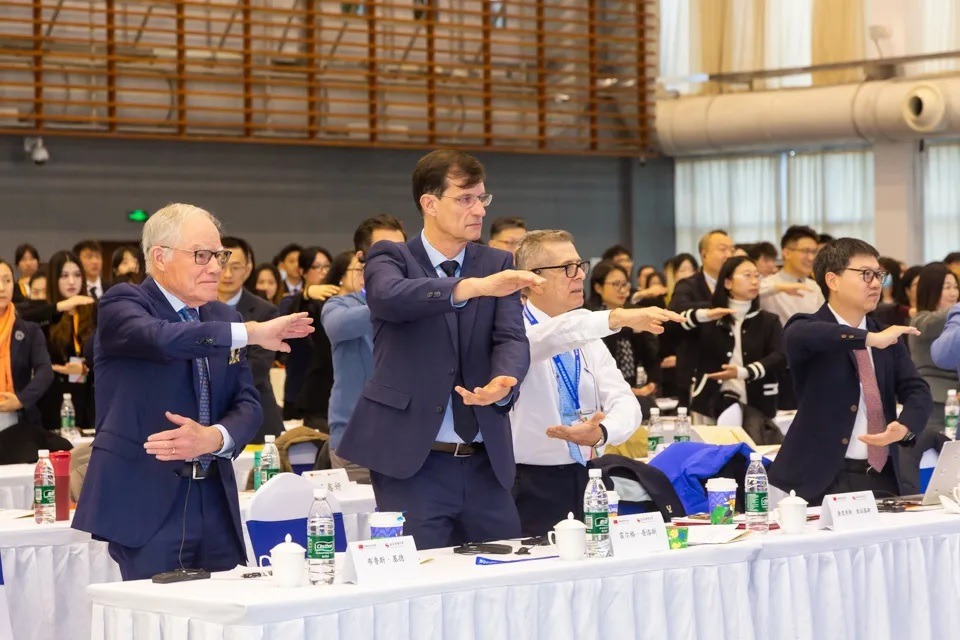
NANNING - Experts attending an international workshop on language are discussing machine translation to facilitate intercultural communication among Belt and Road countries.
The workshop which runs until Monday in Nanning, capital of South China's Guangxi Zhuang autonomous region, has attracted scholars and officials from countries including Italy, Japan, Laos, Thailand and Vietnam.
The event also focuses on shared resources for language processing research, a file which can make machine translation more accurate.
Language is one main challenges for information exchange along the Belt and Road, said researcher Sun Le of the Chinese Academy of Sciences.
With improved machine translation, international businesses can collect information from other countries more easily, according to Wong Kam-Fai, a professor with the Chinese University of Hong Kong.
While current research mainly focuses on ASEAN and other Asian countries, research results are expected to be applied to dozens of other languages, Wong said.
The Belt and Road Initiative has won support from more than 100 countries and international organizations, with the signing of nearly 50 inter-governmental agreements of cooperation.
The Belt and Road Forum for International Cooperation scheduled for mid-May in Beijing is expected to see cooperative documents signed by China with nearly 20 countries and more than 20 international organizations.




- China launches communication technology test satellite
- Spokesperson warns against aggression toward mainland fisherman
- Lhasa wetland reserve recognized as world's highest altitude wetland
- Chengdu woman sentenced for fatally stabbing neighbor
- Mainland coast guard's patrol in Xiamen-Kinmen waters to safeguard maritime order: spokesperson
- Independent committee starts work as HK moves to liquefy owners' group