China's chances called good for Lasker Prize









But luckily, that’s the only major barrier, he added.
China has a lot to offer: smart people, a good educational system, great universities and most importantly a strong dedication from the top leadership to improve the nation’s capabilities, such as in the sciences, he said.
“I think if there is a culture here, as well, to nurture the young to develop science, it’ll benefit science all over the world,” he added.
But he said the current science innovation center remains in the United States and Europe, largely due to good science opportunities and entrepreneurism. “But China has a lot to offer and can do that in the future.”
In the US, Michael Rosbash, who shared this year’s Nobel Prize for medicine, said last week that scientists are facing funding cutbacks that will hurt research, the Associated Press reported.
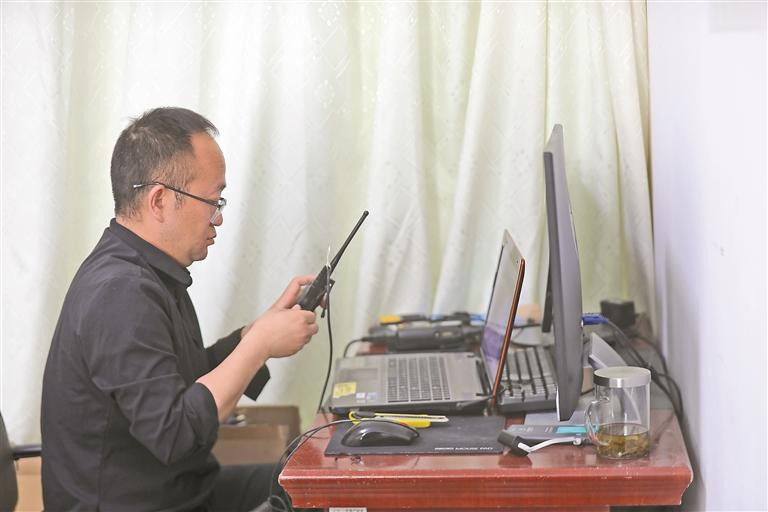
The competition to secure research grants is getting fiercer in traditional scientific strongholds like the US, according to Professor Yaacov Ben-David, who is helping research the anticancer properties of herbs used in traditional Chinese medicine at the State Key Laboratory for Functions and Applications of Medicinal Plants in Guiyang, Guizhou province.
Ben-David, 62, who is from Canada, said opportunities in China today have become much better, so “I moved here to accelerate my scientific pursuits”.
In 10 to 20 years, there will be sea change in world’s science landscape, he said, and China will stand out.



- Shanxi ends province-wide blanket fireworks ban
- Audit: China fixes bulk of fiscal problems tied to 2024 budget
- China reports major gains in circular economy
- Chinese lawmakers review draft revision to banking supervision and regulation law
- Top legislature to study draft laws on environment, ethnic unity, national development planning
- Administrative organs must secure people's interests: senior judge