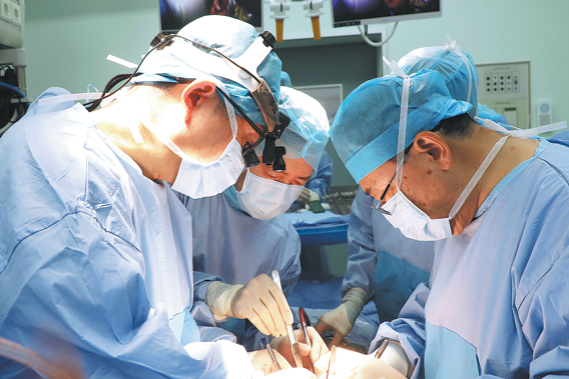
False-negative test results spur additional measures









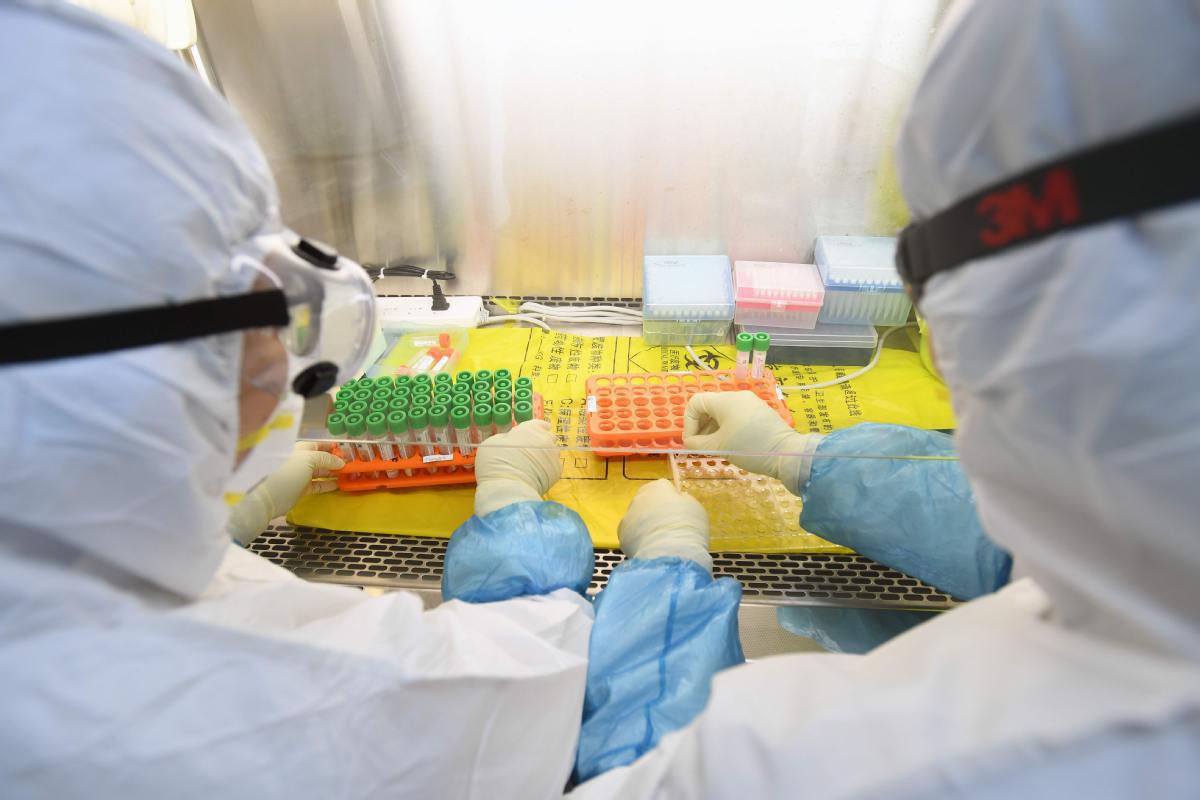
Reports that nucleic acid tests have returned false-negative results for people infected with the novel coronavirus have prompted medical workers to deploy multiple measures to identify infections and implement rigorous isolation measures amid the viral epidemic.
An infected patient in Beijing tested negative three times for the virus through routine throat swab nucleic acid tests. The case was eventually confirmed by extracting samples from the lower respiratory tract-a more intrusive procedure.
The case has heightened concerns that patients who have contracted the virus might slip through screening and spread it further.
Gao Zhancheng, head of the respiratory and critical care department at Peking University's People's Hospital, said a range of factors will impact the accuracy of nucleic acid testing, including the severity of symptoms, the illness' development, the extraction method and the circumstances at laboratories.
"Nucleic acid testing targeting other viruses also cannot ensure full accuracy. However, such testing remains an irreplaceable way to confirm infection," he told a news conference held by the State Council's Joint Prevention and Control Mechanism on Sunday.
"Under the current treatment guideline, suspected cases who have tested negative for the virus once are also required to be quarantined at designated facilities for strict observation."
Wang Chen, a leading respiratory expert and the president of the Chinese Academy of Medical Sciences, told China Central Television last week that although the country's testing capability has been improving, a large number of infections could have been given false-negative test results.
He suggested that those in the hardest-hit regions, including Wuhan, Hubei province, where the disease first emerged, who display relevant symptoms and have a suspicious epidemiological history-such as coming into contact with confirmed cases-should be paid more attention to, regardless of their test results.
Liang Lianchun, head of Beijing YouAn Hospital's infectious disease department, told Beijing Youth Daily that when assessing a suspected case, medical workers will take into account the case's epidemiological record, CT scan imaging and clinical symptoms."If a highly suspicious patient has tested negative multiple times, we will still manage the case in alignment with a confirmed case," he said.





- Over 700 generative AI large model products complete filing in China
- Beijing accuses Lai of 'kowtowing' to US
- Hong Kong's global standing boosted with increasing presence of intl organizations: justice secretary
- China Coast Guard accuses Taiwan regional authorities of hyping up patrols
- Crossing the Strait: Explore Taiwan cuisine in Beijing
- China condemns US defense bill provisions as interference