The China Story
at your Fingertips
OPEN


The Regional Comprehensive Economic Partnership is a victory of multilateralism and free trade, and is significant to economic globalization and regional economic integration, said Chi Fulin, president of the China Institute for Reform and Development at the RCEP Media & Think Tank Forum in Haikou, Hainan province, on May 23.
The establishment of a set of multilaterally unified comprehensive e-commerce rules reflects the region's consensus on many key issues including cross-border information transmission, information storage, online consumer protection, personal information protection and cybersecurity, which will create a stable and amenable institutional environment for the growth of the digital economy, he said.
The RCEP will help participating countries reduce barriers, forge a more open regional economic environment and increase the level of trade liberalization, said Jiang Jianguo, vice-minister of the Publicity Department of the Communist Party of China Central Committee, at the RCEP Media & Think Tank Forum held online as well as offline in Haikou, Hainan province, on May 23.
He stressed that the media and think tanks can play a vital role in informing the public on government policies related to the RCEP and helping build a consensus among the participating countries and achieve win-win outcomes.
Every participating state gains positively from the RCEP, though specific benefits to each country may vary. RCEP countries must double their efforts to take the RCEP to a higher level, and the RCEP will keep its door open to the outside world in line with its spirit of open and inclusive regionalism, Kim Won-Soo, former under secretary-general of the UN, said at the RCEP Media & Think Tank Forum held online as well as offline in Haikou, Hainan province, on May 23.
The forum was jointly organized by the Publicity Department of the CPC Hainan Provincial Committee, China Daily, China Institute for Reform and Development, and the China Institute for Free Trade Ports with Chinese Characteristics.
RCEP is expected to boost the production network of East Asia, said Zhang Xiaoqiang, executive vice-chairman and CEO of the China Center for International Economic Exchanges, at the RCEP Media & Think Tank Forum held online as well as offline in Haikou, Hainan province, on May 23.
"With significant tariff reductions, participating countries will see their product costs notably reduce, and this will help them build their production layouts within the region in a more flexible way," he said.
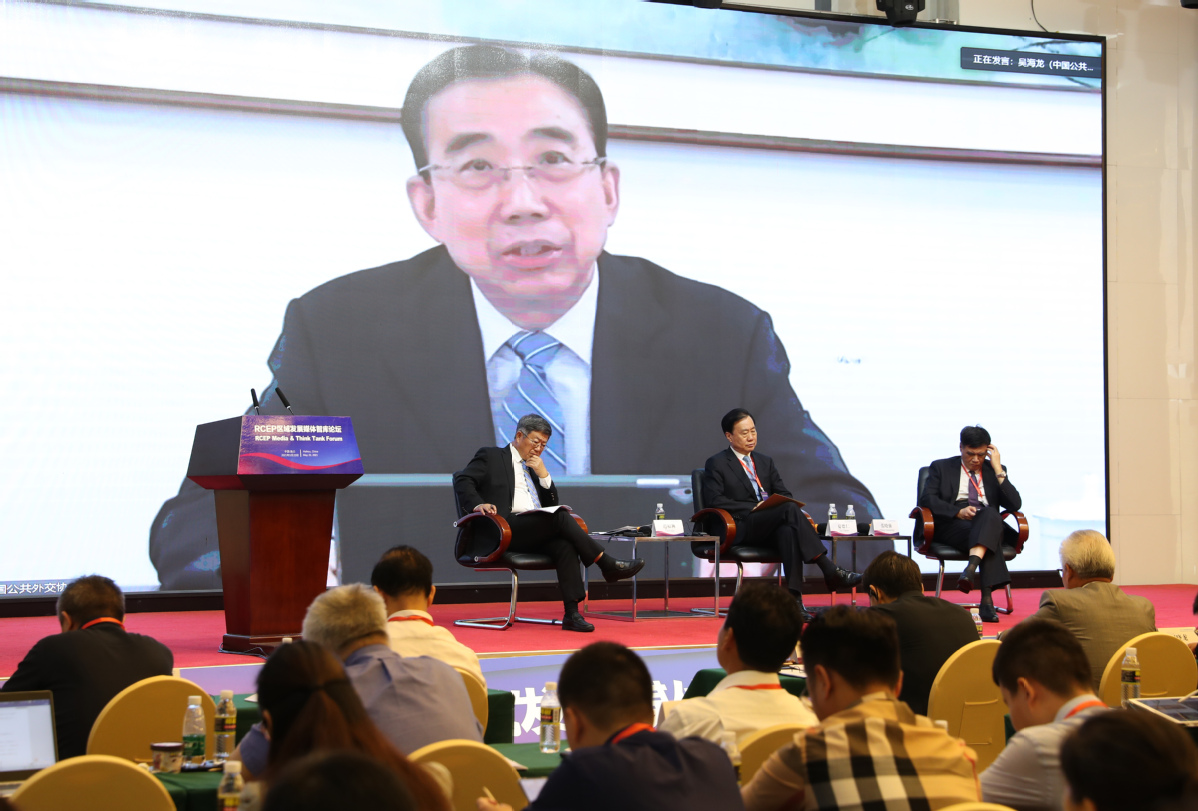
The signing of the RCEP has made people more confident about trade and investment liberalization in the Asia-Pacific region and the integration of regional economies, Wu Hailong, president of the China Public Diplomacy Association, said at the RCEP Media and Think Tank Forum held on May 23 in Haikou, Hainan province.
The forum was jointly organized by the Publicity Department of the CPC Hainan Provincial Committee, China Daily, China Institute for Reform and Development, and the China Institute for Free Trade Ports with Chinese Characteristics.
All the RCEP member economies should combine resource endowments and their comparative advantages, and optimize and harmonize regional trade and economic rules, to better integrate resources and build a high-quality service platform to restore both regional and global economic growth, said Wang Huiyao, president of the Center for China and Globalization, a Beijing think tank, at the RCEP Media and Think Tank Forum held on May 23 in Haikou, Hainan province.
"Member economies of the RCEP pact should also facilitate innovation and integration of regional industries, and upgrade and restructure the industrial and supply chains," he added.
The RCEP is about bringing direct and indirect benefits to people, said Wong Chun Wai, adviser and former editor-in-chief of the Star Media Group, an English-language news media group in Malaysia, at the RCEP Media and Think Tank Forum held on May 23 in Haikou, Hainan province.
He added that the media should provide stories "in simple and interesting narrative form" to tell how the huge trade agreement creates business opportunities and brings positive changes to people's lives. He also proposed a parallel or annual meeting of RCEP media organizations for exchanging ideas.
It is widely agreed that the RCEP is bringing significant confidence to Asia and the world, and the trend of economic globalization is unstoppable, said Zhou Shuchun, China Daily publisher and editor-in-chief, at the RCEP Media & Think Tank Forum held online as well as offline in Haikou, Hainan province, on May 23.
"As an important force in promoting human development, news media and think tanks shall further leverage their unique role of enhancing mutual understanding and expanding cooperation. They should take the world forward in the right direction by promoting regional economic development and exchanges and mutual learning among civilizations," he added.
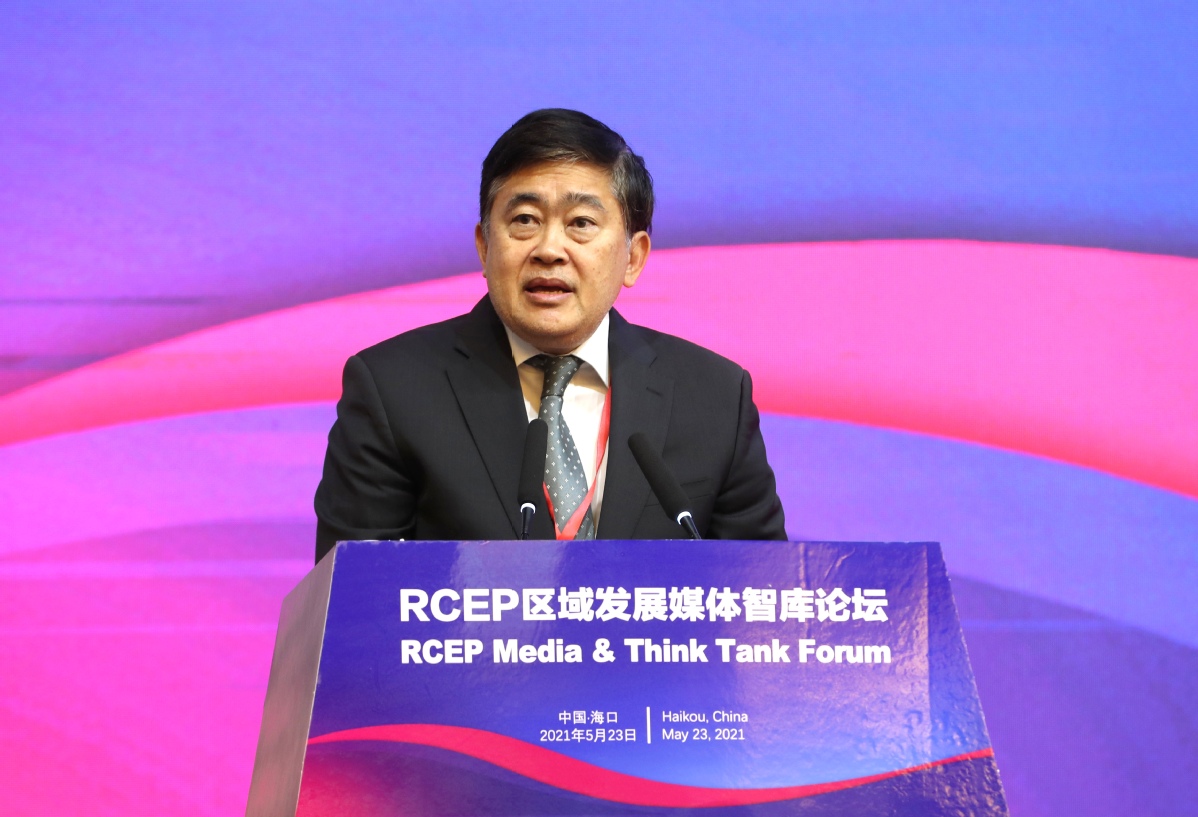
The implementation of the Regional Comprehensive Economic Partnership will be an accelerator for more trade and investment opportunities in the Asia-Pacific region in the coming years, said a senior diplomat from Thailand.
At a forum organized by China Daily and the China Institute for Reform and Development which took place Sunday online as well as offline in Haikou, Hainan province, Arthayudh Srisamoot, Thailand's ambassador to China, said the pact will lay the foundation for more intraregional trade and GDP growth when it comes into force.
"If the public looks at how the free trade agreement between the Association of Southeast Asian Nations and China has boosted economic and trade ties between the two sides, or a free trade deal between China and Australia that has contributed to bilateral trade," he said.
The RCEP will boost even more FTA+1 agreements, between the 15 RCEP countries as well as other countries outside the deal, such as the United Kingdom, Germany, Mongolia and Russia, and perhaps even India, he said.
The RCEP is expected to push up member countries' exports by 10.4 percent between now and 2025 and their foreign investment by 2.6 percent and their GDP by 1.8 percent in the same period, the China Council for the Promotion of International Trade in Beijing has forecast.
The Thai official said that it is fair to say that RCEP will also be relevant to all sectors, not only for businesses, but also for consumers, farmers, bankers and particularly for the future generation.
"With RCEP in force, it will attract more investments from outside the region especially against the backdrop of global pandemic, helping to reduce the impact of COVID-19 pandemic to the economies in the region," he said, stressing that this massive deal will not only be an economic recovery tool against pandemic, but also help to ensure the opening of markets as well as uninterrupted supply chains.
China's foreign trade with the 14 other RCEP members amounted to 10.2 trillion yuan ($1.59 trillion) last year, accounting for 31.7 percent of the total foreign trade during the same period, the General Administration of Customs said.
Thanks to their strong business ties, and complementary goods trade structure, the trade value between China and Thailand surged 37 percent on a yearly basis to $39.48 billion in the first four months of 2021, customs data showed.
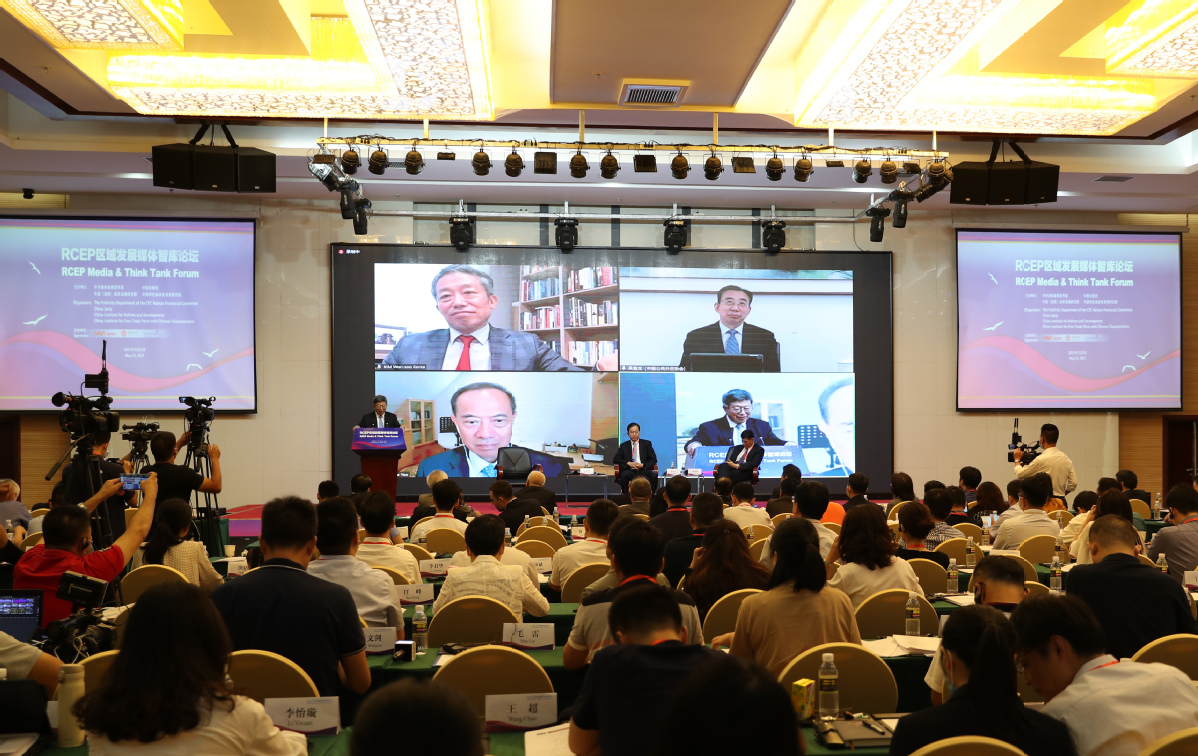
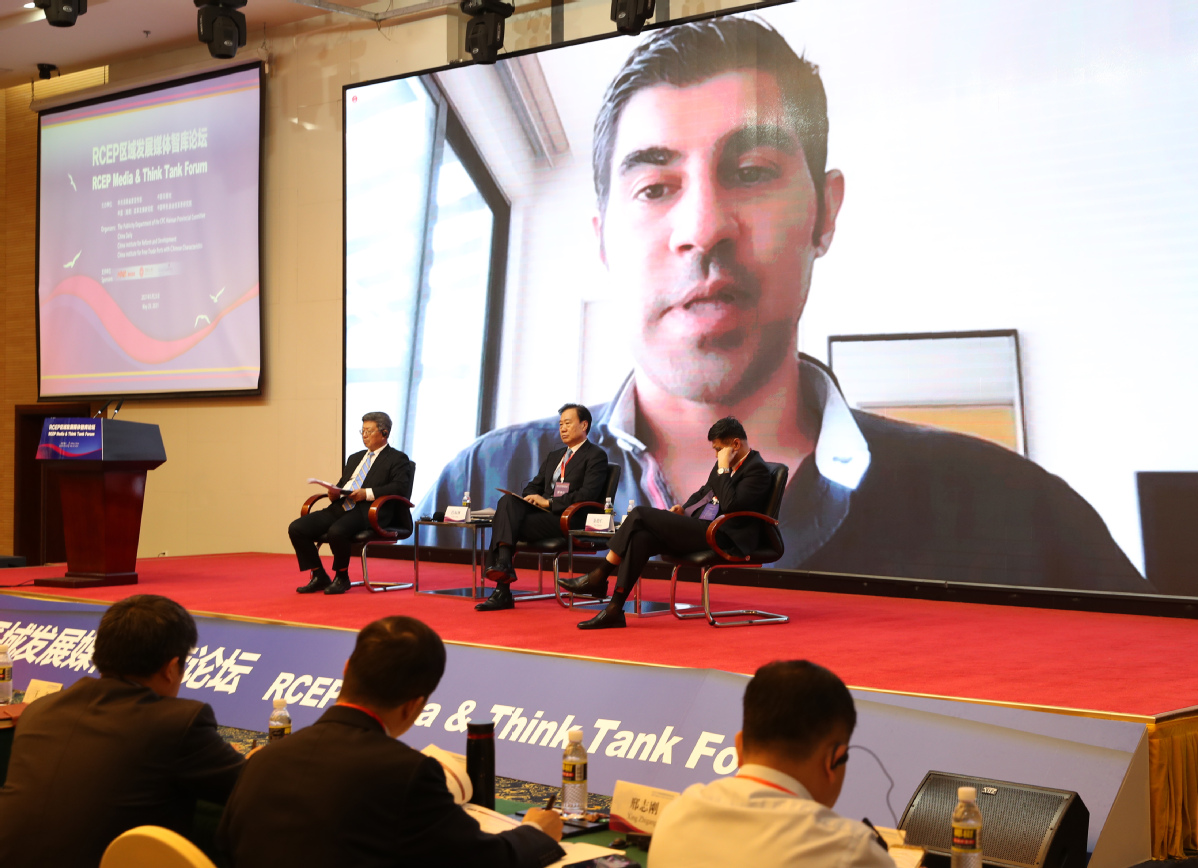
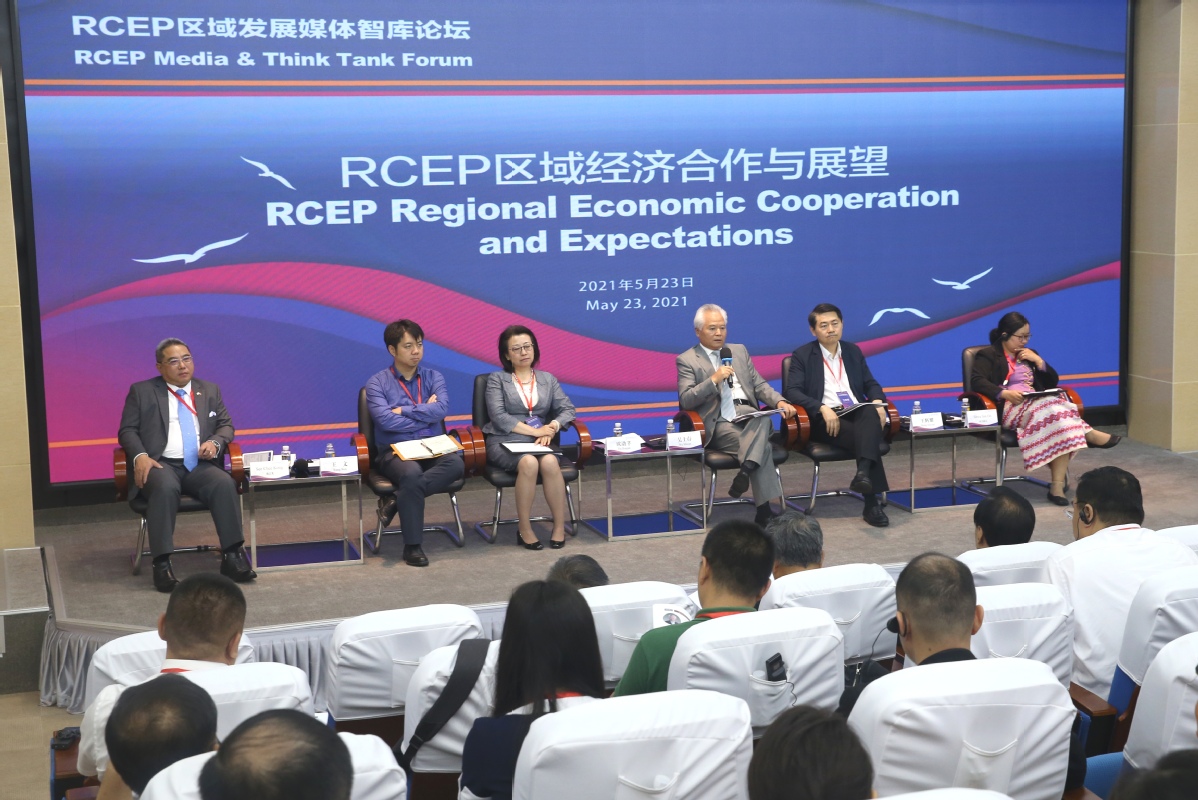
The RCEP Media & Think Tank Forum was held in Haikou, Hainan province, on May 23, 2021. Officials, ambassadors, media veterans and scholars attended the event to share their thoughts on how the Regional Comprehensive Economic Partnership agreement will propel cooperation in Asia.
The forum was jointly organized by the Publicity Department of the CPC Hainan Provincial Committee, China Daily, China Institute for Reform and Development, and China Institute for Free Trade Ports with Chinese Characteristics.
It aims to demonstrate the good momentum of the development of China's free trade zone and the construction of Hainan's free trade port to the international community, and promote exchanges and cooperation between media and think tanks in the RCEP.
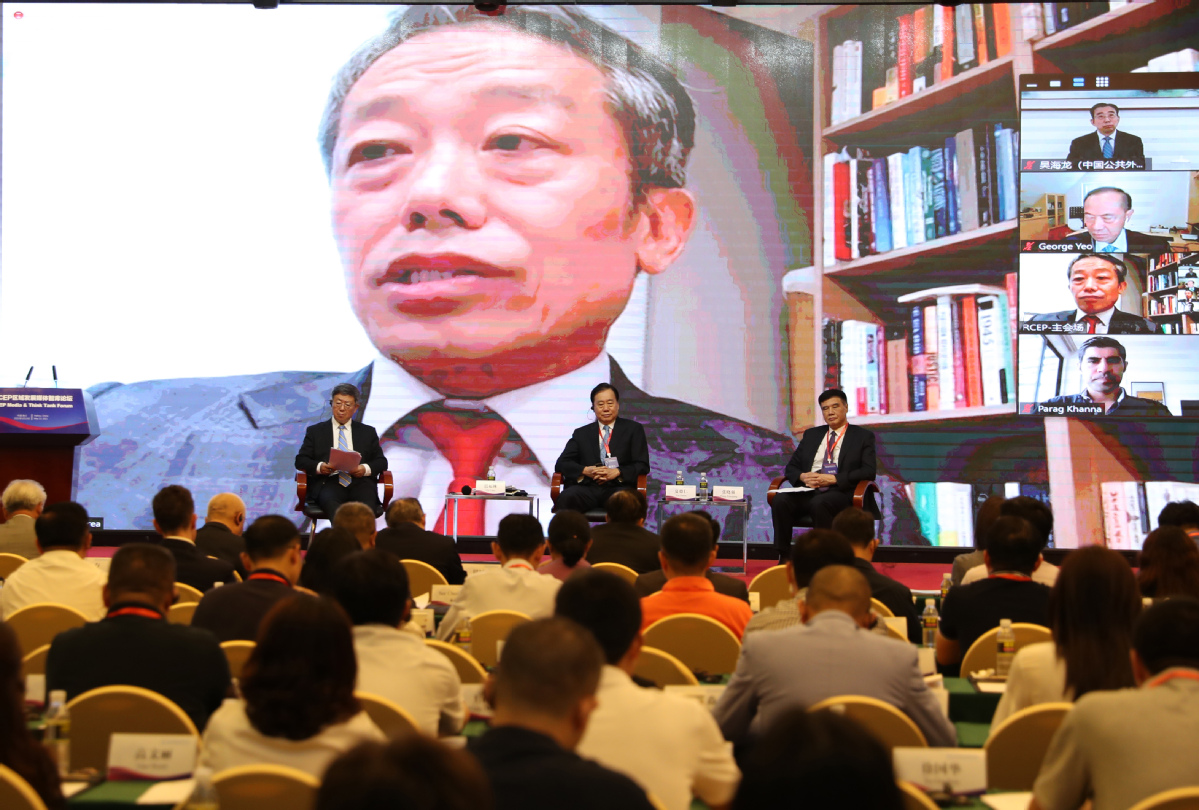
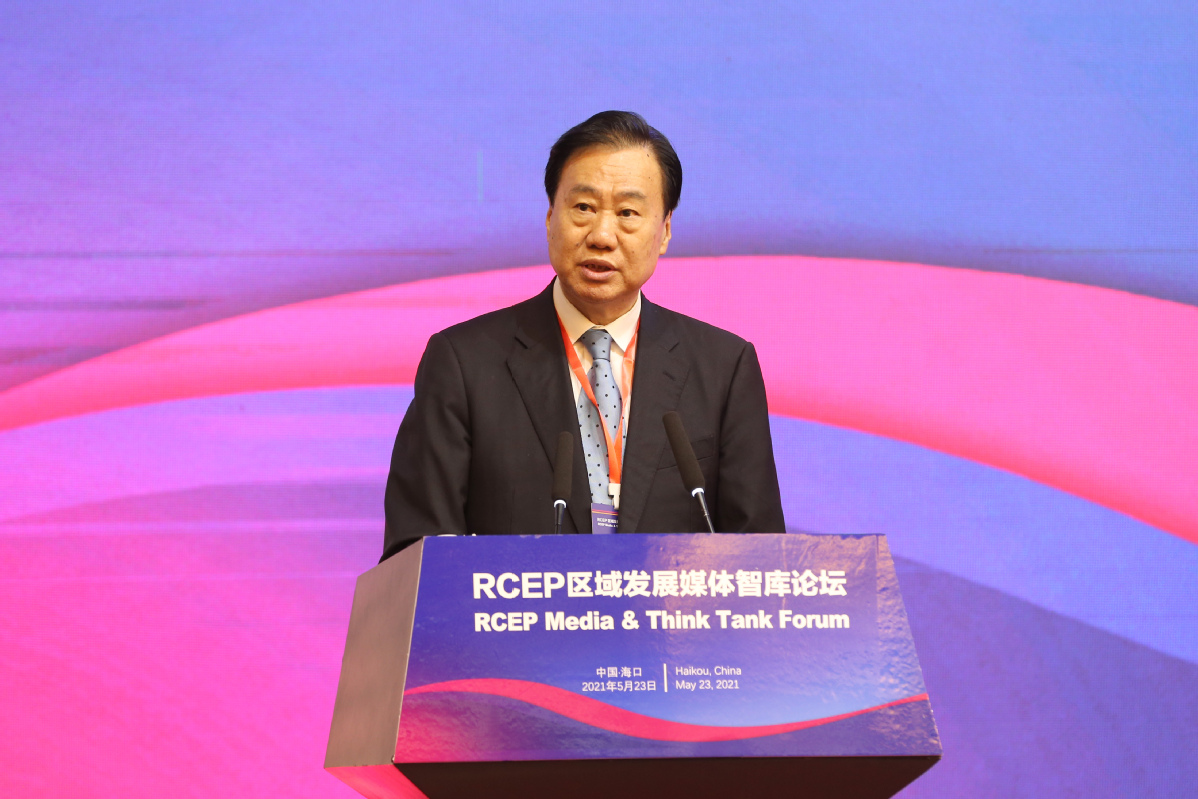
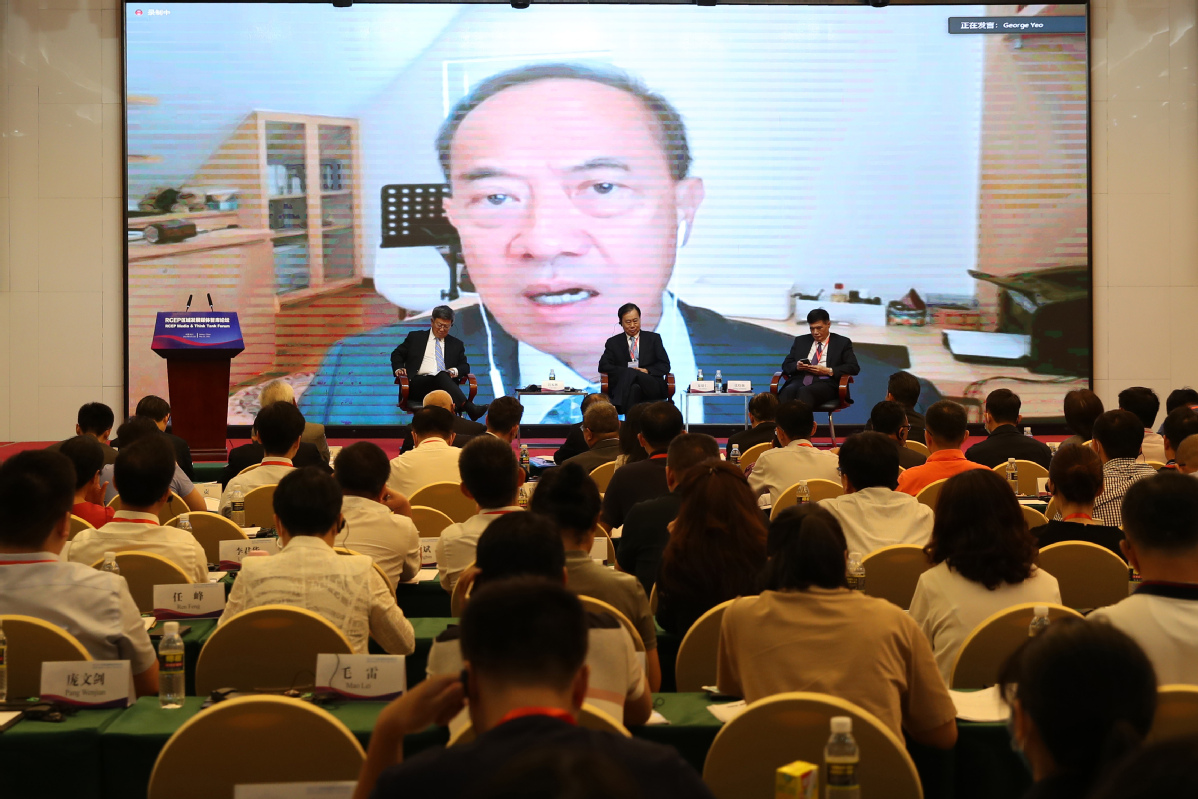
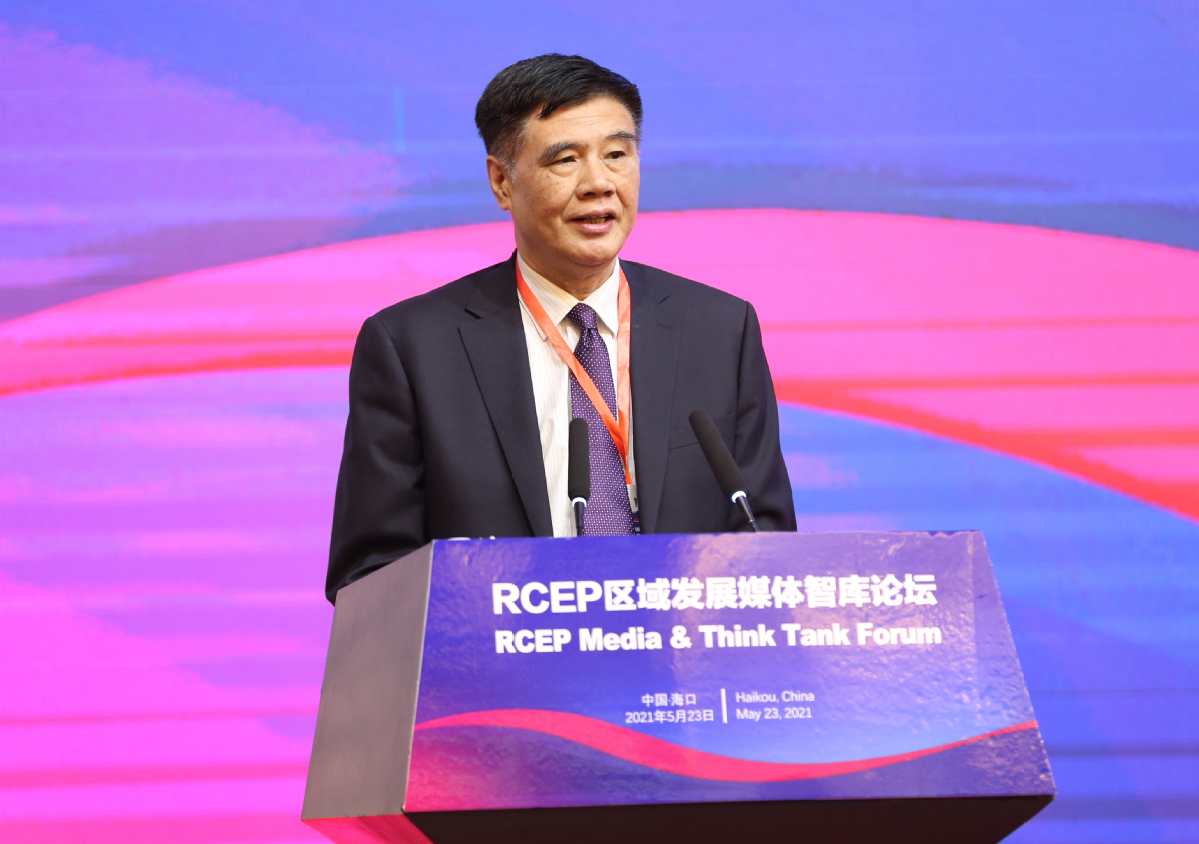
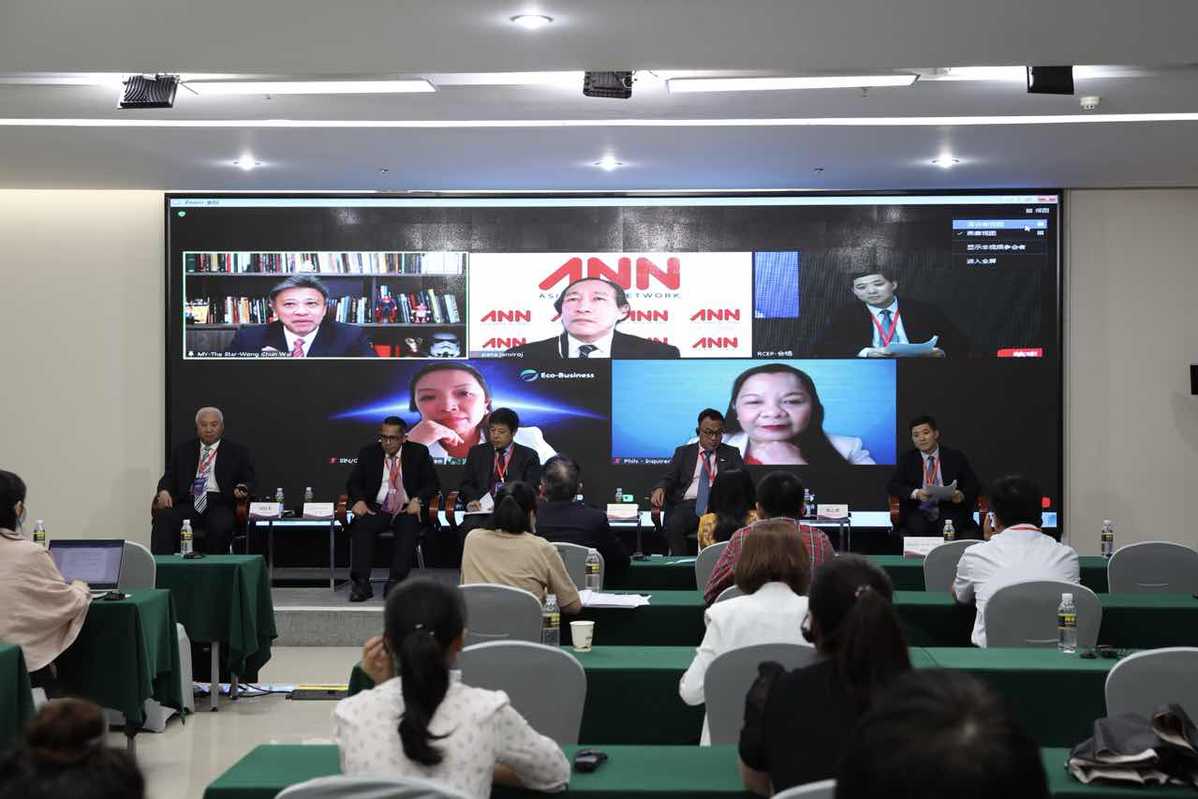
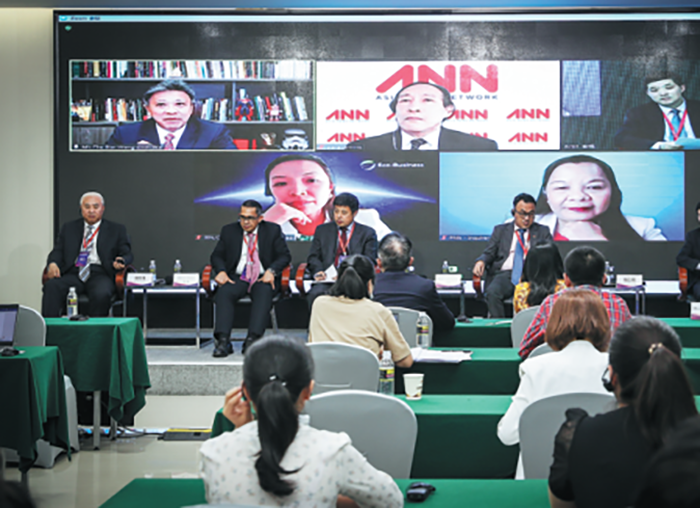
As the Regional Comprehensive Economic Partnership brings regional and global collaboration to a new level, media will play an important role in bringing countries and people together for a better future, media experts say.
"It is important to demonstrate the position of RCEP members for openness and inclusiveness and cooperation for win-win outcomes," said Ban Wei, deputy director of the Editor's Office of Xinhua News Agency. "In this way we can promote regional integration and make Asia's contribution to the world's economic recovery."
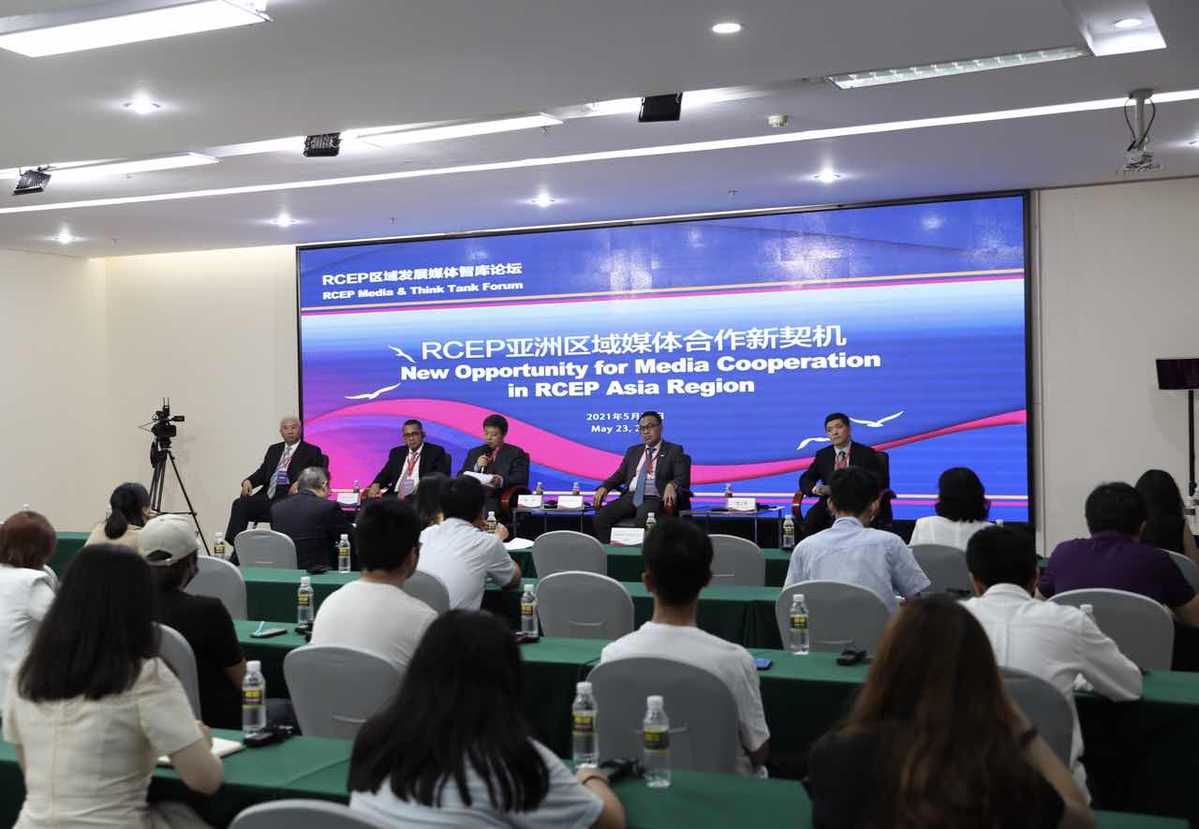
Ban was speaking at a seminar titled New Opportunity for Media Cooperation in RCEP Asia Region during the RCEP Media and Think Tank Forum held in Hainan province on Sunday. The one-day event brought together government officials, diplomats, media representatives and academics from across the region to discuss how the world's largest free-trade deal will propel regional collaboration in Asia. China Daily was one of the forum organizers.
The RCEP was signed in November by the 10-nation Association of Southeast Asian Nations and its five major trading partners, China, Japan, South Korea, Australia and New Zealand.
Ban, referring to challenges brought by the pandemic and the rise of deglobalization, said it is important to advocate the approach to global governance featuring consultation and collaboration for shared benefits.
Pana Janviroj, executive director of Asia News Network, said he hopes the coalition of 24 news organizations from across Asia can play a bigger role in promoting media collaboration with the signing of the RCEP because business stories is a vital part of pan-Asia media cooperation. "We would be happy to closely work with (the) RCEP secretariat, if there is one, and be able to produce forward-looking content, (what our) readers in the region (are) looking for."
Juliet Labog-Javellana, associate publisher of the Philippine Daily Inquirer, said media can provide reports, information and commentary on how the RCEP could and should drive Asia's economic recovery from the pandemic.
"The media can highlight its bigger potential compared with other existing free-trade agreements as well as provide a keen understanding of China's role in realizing RCEP's success," she said.
The RCEP covers about 2.3 billion people with combined GDP exceeding $26 trillion, but Wong Chun Wai, adviser and former editor-in-chief of the Star Media Group, an English-language news media group in Malaysia, said reporting the RCEP is more than cold economic statistics.
"The RCEP is about bringing direct and indirect benefits to people," Wong said, adding that the media should provide stories "in simple and interesting narrative form" to tell how the huge trade agreement creates business opportunities and brings positive changes to people's lives. He also proposed a parallel or annual meeting of RCEP media organizations for exchanging ideas.
Liu Xiaolong, a member of the editorial board of China Media Group, said that with the implementation of the pact Asia will play an increasingly important role in global economic development. "This requires media in Asia to deepen their cooperation to gradually improve their status in the international discourse system and expand their global influence."
Junice Yeo, executive director of Eco-Business, a media and business intelligence organization focused on sustainability, said: "As the region claws its way out of the COVID-19 crisis, one of the most significant trends we are already witnessing is the pace at which sustainable development is progressing."
Seeing the resilience of the global supply chain as one of the most significant long-term threats from the pandemic, Yeo said she expects the RCEP to play a critical role within the context of sustainable development because it is a big step toward multilateralism. "To understand one another's challenges, to encourage complementary approaches toward multilateralism, will allow for greater coherence and more efficient implementation."
Arianto Surojo, director of information and public relations for the ASEAN-China Centre, said media organizations need to design a communication strategy for RCEP stories based on public interest case by case.
"Media can write more readable articles for the public and become the supplement to official government diplomacy," Surojo said, adding that public communication will be the key to deliver government policy after the signing of the RCEP.
Muhammad Irfan Ilmie, chief of Indonesia's Antara News Agency's Beijing bureau, said that without media support, the people will not understand the benefits of the RCEP. " (The pact) is not only a new challenge, but also the big opportunity for the media in Indonesia to bounce back after being affected by the pandemic."
Xing Zhigang, director of the opinion department of China Daily, moderated the session.
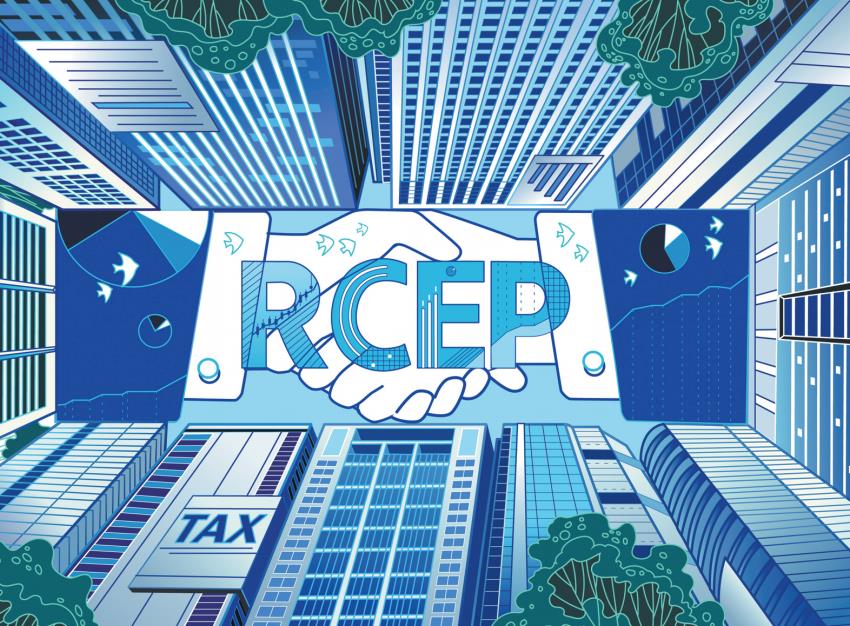
The Regional Comprehensive Economic Partnership will increase economic integration in Asia-Pacific to boost development of a wide range of industries, accelerating the shift of the global economic balance in favor of the region, experts and business leaders say.
At the RCEP Media & Think Tank Forum, Chi Fulin, president of the China Institute for Reform and Development in Hainan province, said: "The RCEP is a victory of multilateralism and free trade, and is significant to regional economic integration."
For example, he said, member countries of the RCEP can rely on the resource factor advantages and production bases for intermediate products as well as the technological advantages of advanced economies in the region, and make full use of the rules of accumulation of origin to form a closed loop of the regional industrial chain, supply chain and value chain.
Zhang Jianping, director-general of the China Center for Regional Economic Cooperation in Beijing, said the Asia-Pacific's role in world economic growth and recovery will become even more important with the expected implementation of the RCEP.
The pact, aimed at high-level regional integration through strengthening flows of trade, investment and services, as well as promoting regional development cooperation, includes unified liberalization, facilitation, promotion and collaboration measures, he said.
"Specifically, with contents on e-commerce and intellectual property protection, the agreement is projected to boost development of emerging industries and new business forms, injecting new growth momentum to the region," Zhang said.
Chi said the establishment of a set of multilaterally unified comprehensive e-commerce rules reflects the region's consensus on many key issues including cross-border information transmission, information storage, online consumer protection, personal information protection and cybersecurity, which will create a stable and amenable institutional environment for the growth of the digital economy.
That will boost the digital upgrade of regional industrial and supply chains, as well as the participation of Asian economies in the reconstruction of global digital trade and services rules, he said.
Benedikt Sobotka, chief executive of Eurasian Resources Group, said the company values the Asia-Pacific as being the most important for the sale of its main products, including copper, iron ore, ferroalloys, cobalt and alumina, and the RCEP "gives mining companies more confidence to establish a stable industrial chain and supply chain in the Asia-Pacific region, and enhance their ability to cope with risks and drive business in the context of uncertainty".
The company expects regional integration of the Asia-Pacific will not only deepen with the effectiveness of the RCEP, but also continue to affect the wider world and become a core and engine of the global economy, he said.
Chris Lauwerys, managing director and head of the Singapore Office of Teneo, a global advisory firm, said Asia's economic weight will continue to grow in various key sectors, for example, electronics, semiconductors and telecommunications/5G.However, Lauwerys said established Western companies will still hold established positions in a number of key industries such as digital technologies, energy and renewables.
Best Inc, an integrated supply chain and logistics solutions provider whose headquarters are in Hangzhou, began to deliver bulkier and heavier items in Thailand this month. It covers the nationwide shipment of heavy parcels weighing up to 80 kilograms, meeting increasing demand online among Thai consumers for China's home appliances and furniture such as fridges, televisions and sofa sets.
The company, with more than 5,000 overseas employees, has established a logistics network covering Vietnam, Thailand, Malaysia, Cambodia and Singapore.
Best's chairman and chief executive, Johnny Chou, said the expected implementation of the RCEP pact will provide strong impetus for China's business environment to improve, for institutional barriers to be eradicated, and for the scale of market access to expand.
The company sees more business opportunities in increased interregional trade, cross-border e-commerce and investment, Chou said.
The company's parcel volume in the markets of the Association of Southeast Asian Nations rose 738 percent year-on-year to 73.6 million parcels last year. In Thailand Best's parcel volume rose 613 percent and in Vietnam 798 percent.
The RCEP group already accounts for about half of global manufacturing output and of global automotive output and as much as 70 percent of electronics output, the United Nations Conference on Trade and Development said.
A report by the credit insurer Euler Hermes said developed economies accounted for about 80 percent of global GDP in 2000, but that ratio fell to about 60 percent by 2019, with the Asia-Pacific region accounting for 8 percentage points of the 20-percentage-point decline.
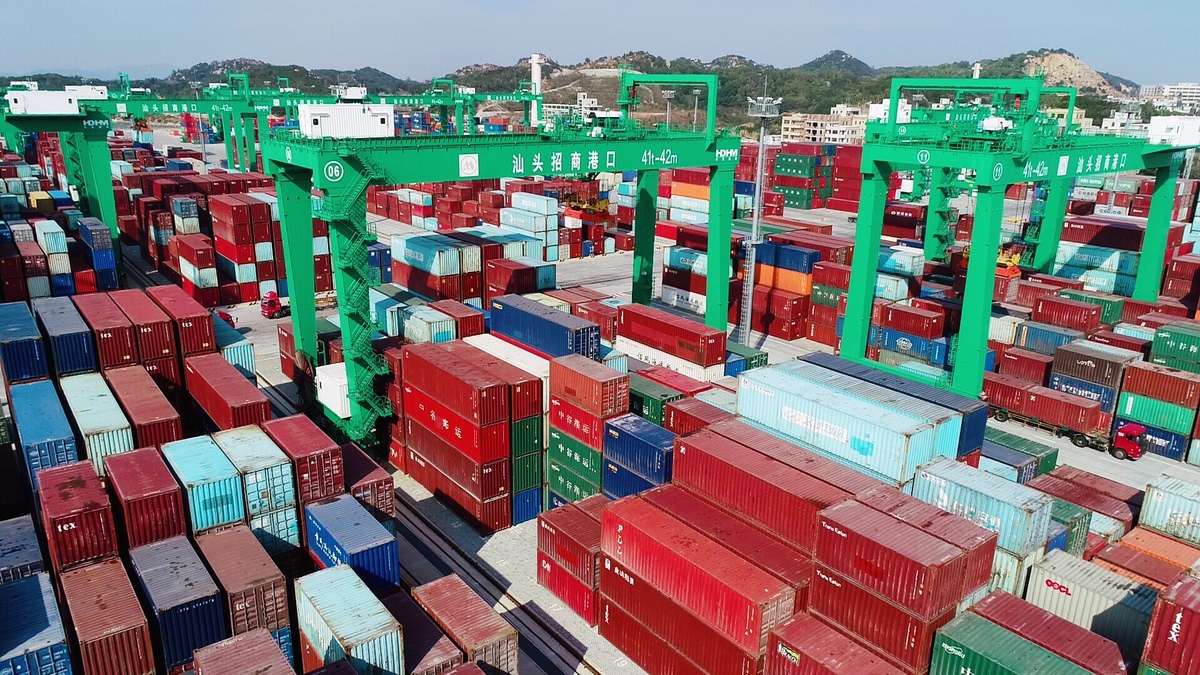
The Regional Comprehensive Economic Partnership agreement provides a golden opportunity for the signatory countries to accelerate their economic upgrading, better leverage their industrial advantages, and deepen regional trade cooperation, according to experts.
The agreement is also conducive to strengthening the production and supply chains in the region, which is extremely important given the wide disruptions caused by the COVID-19 pandemic.
Tu Xinquan, a professor of international trade and dean of the China Institute for WTO Studies at the University of International Business and Economics in Beijing, said the agreement is beneficial to all the signatory states, particularly the developing countries, as it will drastically reduce tariffs, which in turn will boost their economic upgrading.
The significance of the RCEP agreement is profound, as it includes the world's second-largest and third-largest economies, China and Japan, as well as several developing countries, Tu said. The reduction in tariffs for those developing countries will also facilitate global economic upgrading.
In March, Ministry of Commerce announced China had become the first country to ratify the RCEP and in April submitted the instrument of ratification to the ASEAN secretary-general.
In response to the concern that the signatories to the RCEP vary both in the level of development and the size of their economies, and such differences could make the agreement less effective, Tu said it is exactly such diversity that makes the RCEP unique and full of potential.
"The essence of trade is leveraging each country's best advantages," he said. "In that sense, the RCEP is a very comprehensive agreement as participating countries have advantages in a wide range of sectors, including agriculture, manufacturing, services and technology." Such diversity is crucial for an effective and successful regional trade pact.
The COVID-19 pandemic has added to the significance of the agreement, as production and supply chains around the globe have been disrupted, by boosting trade, the RCEP will help increase production and supply.
Similarly, Ma Hong, an associate professor of economics at Tsinghua University, said the fact that the RCEP signatory states vary significantly in scale, level of development, industrial structures and per capita GDP means there is huge room for countries to strengthen their participation in the regional division of labor and trade.
Once the signatory states ratify the agreement, it will notably reduce the cost of trade in the region, and thus help these countries increase their exports and actual incomes, Ma said.

The introduction of 28 new measures to facilitate faster goods and service trade at the Hainan Free Trade Port will boost the port's high-quality development and help it achieve its phased growth goals before 2025, experts and business leaders said.
The new measures, jointly announced by the Ministry of Commerce and other 19 central government departments in April, are in response to the demand of market players and part of the master plan announced in June last year, they said.
The measures not only provide strong policy support for the development of the Hainan Free Trade Port and promote the "dual circulation" development paradigm, but also show China's determination to further liberalize international trade, help develop an open world economy, and expedite globalization, said Sang Baichuan, director of the Institute of International Business at Beijing-based University of International Business and Economics.
While 13 of the 28 measures focus on goods trade, the rest deal with trade in services. In some special areas, the authorities have done away with licenses for mechanical and electrical goods, and support the development of secondhand car exports and new offshore international trade.
Yet despite having a long coastline, Sang said, Hainan does not have some of the characteristics of the Hong Kong Special Administrative Region, or Singapore or other successful port cities, so it needs to develop in accordance with its real conditions and needs. As such, the free trade port should use its unique environmental and geographical features to advantage. And that Hainan is rapidly building a modern industrial system supported by tourism, modern service industries, emerging industries and tropical agriculture shows it is moving in the right direction, he said.
Chi Fulin, president of the Haikou-based China Institute for Reform and Development, said the free trade port must take appropriate measures to complement ASEAN's tourism sector, and integrate with the region's commodity and factor markets. For example, the free trade port should use its import tariff exemption and origin of production policies to attract agricultural products from ASEAN member states to process them in Hainan, create more than 30 percent added value and sell them in China's expansive market without paying any tariffs, he said.
After the COVID-19 pandemic is effectively contained, Chi said, Hainan should deepen cooperation with members of the Association of Southeast Asian Nations in cruise tourism, tourist exchanges, resource sharing and joint marketing.
"With its unique location and policy advantages, the Hainan Free Trade Port will offer further growth potential for foreign companies. We are confident in this path for the future with the support of major events such as the China International Consumer Products Expo, and other additional policies," said Jean-Etienne Gourgues, managing director of Pernod Ricard China, a French wine and spirits group.
The authorities have shortened the clearance time for imported goods and continuously strengthened intellectual property rights protection in Hainan, he said. Eager to seize a bigger share of China's lucrative market, the French company opened its first Martell retail store in Shenzhen, Guangdong province, last year, and the second in Sanya, Hainan province, in January.
Highlighting the importance of the new policy measures, Cui Weijie, vice-president of Beijing-based Chinese Academy of International Trade and Economic Cooperation, said they have been designed to serve the needs of the free trade port and will give full play to its competitive advantages in the cultural, digital trade, tourism and modern service sectors.
Over the past three years, the number of high-tech companies in Hainan has surged by 273 percent, internet industry revenues have risen by 192 percent, and the supporting role of the high-tech industry has become increasingly vital, according Ministry of Commerce data. Hainan's digital service trade reached 6.73 billion yuan ($1.04 billion) in 2020, up 130 percent year-on-year, while the container throughput of Yangpu Port exceeded 1 million twenty-foot equivalent units.
As the master plan requires the free trade port to initiate independent customs operations for Hainan in order to identify and plug any safety loopholes before 2025, these preparations for trade and investment liberalization are a prerequisite to reach the target, Cui added.
While independent customs operations will cover the whole island of Hainan, the current value-added tax, consumption tax, vehicle purchase tax, urban maintenance, construction tax, education surcharges among other taxes and charges will be streamlined based on laws, said Shi Zongwei, director-general of Haikou Customs District, a local unit of China's General Administration of Customs. Work on charging and collecting sales tax on retail of goods and services has already started, he added.
The government's new policies are attractive for domestic companies, too, said Qian Jiannong, chairman and CEO of Fosun Tourism Group, the tourism business of Shanghai-based conglomerate Fosun International. By developing into a global tourism and shopping hub, Hainan will provide an international platform for companies doing business in the province.
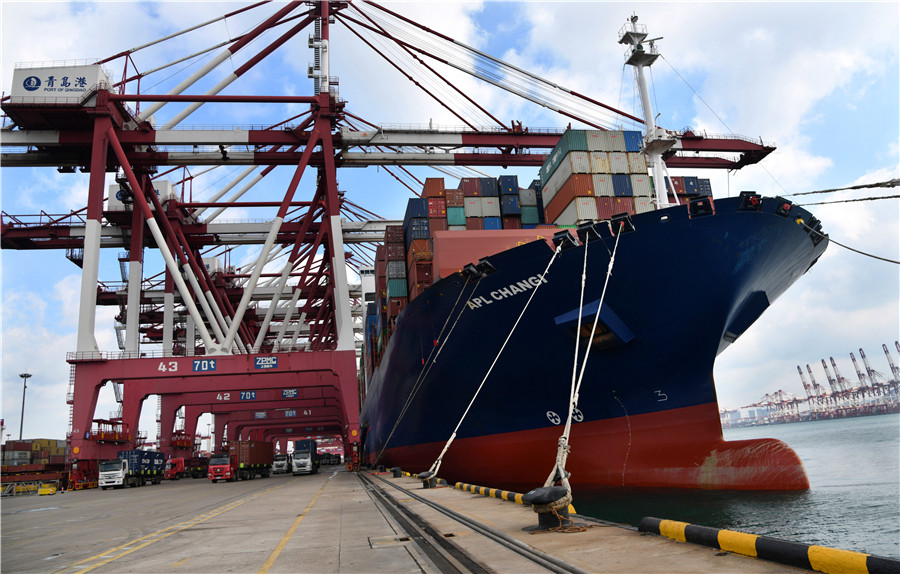
The implementation of the Regional Comprehensive Economic Partnership will help participating countries better integrate resources and build a high-quality service platform to restore both regional and global economic growth, government officials and experts say.
At a forum organized by China Daily and the China Institute for Reform and Development in Haikou, Hainan province, online and offline on Sunday, they called for the RCEP pact, the world's largest trade deal, to come into force as soon as possible. They said it would support an open, inclusive, transparent, nondiscriminatory and rules-based multilateral trading regime, and would expedite the economic integration of the Asia-Pacific region.
Once the pact comes into force, market access would be expanded and there would be fewer investment hurdles. These moves would release enormous potential and promote intraregional trade and investment flows, said Ou Boqian, vice-president of the Chinese People's Institute of Foreign Affairs.
To better deal with these changes, all the member economies should combine resource endowments and comparative advantages among themselves, optimize and harmonize regional trade and economic rules, facilitate innovation and integration of regional industries, and upgrade and restructure the industrial and supply chains, said Wang Huiyao, president of the Center for China and Globalization, a Beijing think tank.
Wang's opinion was echoed by Arthayudh Srisamoot, Thailand's ambassador to China, who said the RCEP will lay the foundation for more intraregional trade and GDP growth when it comes into force, if the public looks at how the free-trade agreement between the Association of Southeast Asian Nations and China has boosted economic and trade ties between the two sides, or a free-trade deal between China and Australia that has contributed to bilateral trade.
The RCEP will boost even more FTA+1 agreements, between the 15 RCEP countries and other countries outside, such as the United Kingdom, Germany, Mongolia and Russia, and perhaps even India, he said.
The RCEP deal was signed by China, Japan, South Korea, Australia, New Zealand and the 10 members of ASEAN in November. It will come into force 60 days after it is ratified by six of the ASEAN members and three non-ASEAN countries. China, Singapore, Thailand and Japan have completed procedures for ratification.
With the rise in protectionist sentiment in many global economies over the past few years, Herizal Hazri, chief executive of the Institute of Strategic and International Studies of Malaysia, said this landmark trade agreement is a strong signal that countries in the Asia-Pacific are committed to greater economic integration and collaboration.
"Rather than turn inward as the myriad vagaries of world trade and a global pandemic besiege the region, we instead have chosen to come together, and that is certainly no small feat."
Guo Da, assistant president of the China Institute for Reform and Development in Haikou, suggested that RCEP members further support pilot reforms introduced by governments in member countries and promote the development of small-and medium-sized enterprises, as well as economic and technical collaboration.
"It will be beneficial for members to keep working closely with local authorities to bolster domestic and regional development, including establishing RCEP innovation pilot zones or pilot demonstration zones, implementing transitional provisions so that more of its successful practice can be adopted among RCEP members," he said.
The RCEP is expected to push up member countries' exports by 10.4 percent between now and 2025 and their foreign investment by 2.6 percent and their GDP by 1.8 percent in the same period, the China Council for the Promotion of International Trade in Beijing has forecast.
China's signing of the RCEP and interest in the Comprehensive and Progressive Agreement for Trans-Pacific Partnership will offer great opportunities for international companies to expand their presence in China and its partner economies, said Rajat Agarwal, president of Henkel China, the German industrial and consumer goods manufacturer.
The RCEP will promote business and collaboration across borders and create an increasingly transparent, stable and predictable trade and investment in the region, said CK Tan, vice-president for the Asia-Pacific region of Lubrizol Corp, the US specialty chemical products maker.
There will be many benefits to multinational companies in China and its partner economies, he said.
China's foreign trade with the 14 other RCEP members amounted to 10.2 trillion yuan ($1.59 trillion) last year, accounting for 31.7 percent of the total foreign trade during the same period, the General Administration of Customs said.
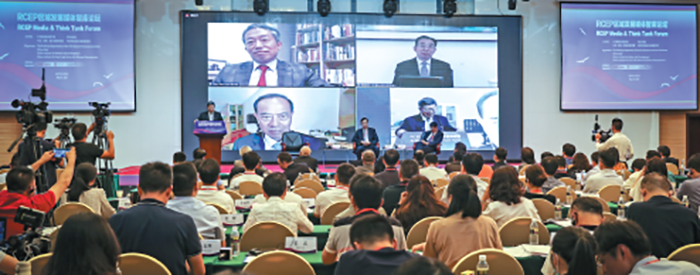
With its ratification steadily advancing, the Regional Comprehensive Economic Partnership agreement is likely to come into force next year, shoring up regional development and injecting strong growth impetus into the global economy, experts and industry insiders said.
Signed by China, Japan, the Republic of Korea, Australia, New Zealand and the 10 members of the Association of Southeast Asian Nations in November 2020, the agreement has created the world's largest free trade bloc. It will enter into force 60 days after being ratified by six of the ASEAN members and three non-ASEAN countries.
Thailand, Singapore, China and Japan have already ratified the RCEP. And the Ministry of Commerce has said that all the signatory states have expressed their intention to ratify the deal within the year so that it can come into force on Jan 1,2022.
Zhang Jianping, director-general of the Beijing-based China Center for Regional Economic Cooperation, said closer ties among the RCEP signatory countries will have a far-reaching impact on regional trade, investment, and market integration. This will help the recovery of the global economy, which is smarting from the impact of the COVID-19 pandemic and facing rising trade protectionism.
The cooperation among the participating countries leveraging on each other's advantages will greatly boost regional trade and investment, adding new energy to regional development and providing strong support for global economic recovery, Zhang said.
The RCEP is designed to cut tariffs by as much as 90 percent on goods traded between the signatory states in the 20 years since coming into effect. In the common rule of origin established by the RCEP, only 40 percent of regional content is required for goods to be considered of RCEP origin, much lower than the thresholds of other free trade agreements.
The agreement promises to extensively boost the regional economy, by facilitating trade and investment, accelerating the flow factors of production, furthering the integration and coordination of industrial and supply chains, and promoting the development of new industries and businesses including cross-border e-commerce.
According to Da Hongfei, CEO of Onchain, a blockchain tech start-up, the RCEP promises a huge and thriving market for innovation-oriented companies, such as fintech start-ups, thanks to intensified regional cooperation. He also said the RCEP agreement shows its signatory economies have confidence in and firmly support globalization at a time when globalization faces many challenges.
A report released on Sunday during the RCEP Media & Think Tank Forum held online and offline in Haikou, Hainan province, estimated the RCEP could help increase member states' exports, foreign investment stocks and GDP by 10.4 percent, 2.6 percent, and 1.8 percent respectively by 2025.
The forum was jointly organized by the Publicity Department of the Communist Party of China Hainan Provincial Committee, China Daily, Hainan-based China Institute for Reform and Development, and the China Institute for Free Trade Ports with Chinese Characteristics.
The report also said the RCEP could boost global GDP growth by $186 billion a year. And Credit insurer Euler Hermes predicted that the common rule of origin could increase intra-regional trade by $90 billion annually, and the RCEP's less restrictive rules, compared with other FTAs, imply fewer impediments for trade in the region.
The common rule of origin will also attract manufacturers seeking to optimize the comparative advantages of individual markets, according to Jia Jingwei, vice-chairman of Swiss Re Corporate Solutions' China branch.
The RCEP will drive the growth of regional investment in the medium to long term, Jia said, adding that he expects higher demand for cargo, transport and credit insurance.
According to Deutsche Bank's Kenny Khoo, who recently moved from Shanghai to Singapore to set up the bank's China-ASEAN desk, Chinese corporations are paying more attention to ASEAN since the signing of the RCEP.
Tu Xinquan, dean of the China Institute for WTO Studies at the University of International Business and Economics in Beijing, said the RCEP economies, despite having different levels of development and resource endowment, have strong economic and trade complementarity, and deeper economic and trade cooperation among them means better utilization of resources and higher levels of efficiency in production. The RCEP also provides a valuable opportunity for lower-income economies to further integrate into the global industrial and trade and investment networks, he said.
"For the world economy, the RCEP promises not only more exporters of quality goods and services, but also expanding markets with increasingly deep-pocketed consumers," Tu said.
As the RECP region, the world's manufacturing powerhouse, also promotes innovation, it will unleash the innovation potential of the Asia-Pacific and therefore create more business opportunities for both regional and non-regional businesses, greatly contributing to global economic recovery, Tu added.
George Yong-Boon Yeo, Singapore's former minister for Trade and Industry and Foreign Affairs, and senior adviser to Kuok Group and Kerry Logistics Network, said at the forum that the RCEP must never turn inwards. An inclusive RCEP will encourage others to liberalize too, and oppose the ill wind of decoupling and trade war, he said.
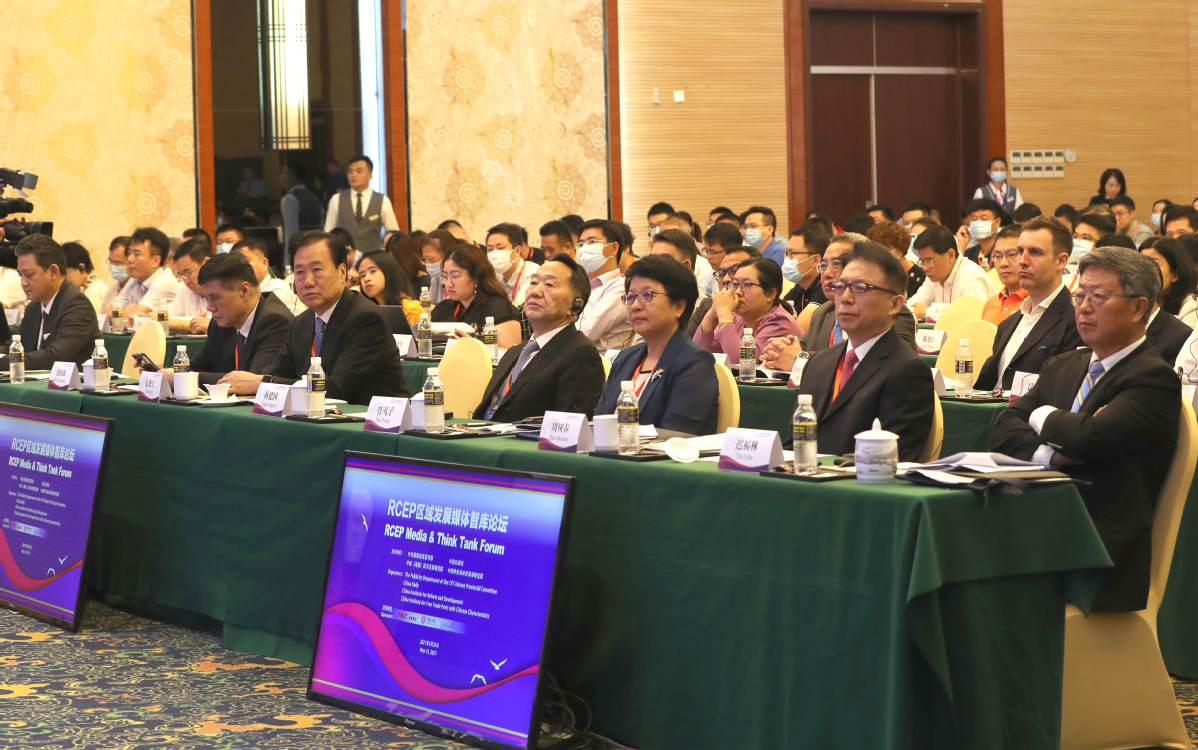
The Regional Comprehensive Economic Partnership agreement will help its participating countries forge more open economic relationships and improve trade liberalization, officials and experts said.
Jiang Jianguo, vice-minister of the Publicity Department of the Communist Party of China Central Committee, said on Sunday that as the RCEP covers a large size of economy, population and trade, it will help participating countries reduce barriers, forge a more open regional economic environment, increase the level of trade liberalization and the trade volume, as well as improving people's well-being.
He stressed that the media and think tanks can play a vital role in informing the public on government policies related to the RCEP and helping build a consensus among the participating countries and achieve win-win outcomes.
Jiang made the remarks while addressing the opening ceremony of the RCEP Media & Think Tank Forum in Haikou, Hainan province, on Sunday.
Speaking at the event, China Daily publisher and editor-in-chief Zhou Shuchun noted that while the world is facing profound changes rarely seen in a century, as well as the ongoing COVID-19 pandemic, the global economy is recovering amid tremendous challenges.
"It is widely agreed that the RCEP is bringing significant confidence to Asia and the world, and the trend of economic globalization is unstoppable," Zhou said.
"As an important force in promoting human development, news media and think tanks shall further leverage their unique role of enhancing mutual understanding and expanding cooperation. They should take the world forward in the right direction by promoting regional economic development and exchanges and mutual learning among civilizations," he added.
Zhou said he expects the forum to become a regular event for media and think tanks in Hainan, to further improve communication and to lay a more solid foundation for building consensus and expanding cooperation.
The event on Sunday, taking place both online and offline, attracted more than 300 participants from home and abroad. When addressing the opening ceremony via video, former Australian prime minister Kevin Rudd said that he "has always supported free trade, because it is conducive to the people, to economic development and to world peace".
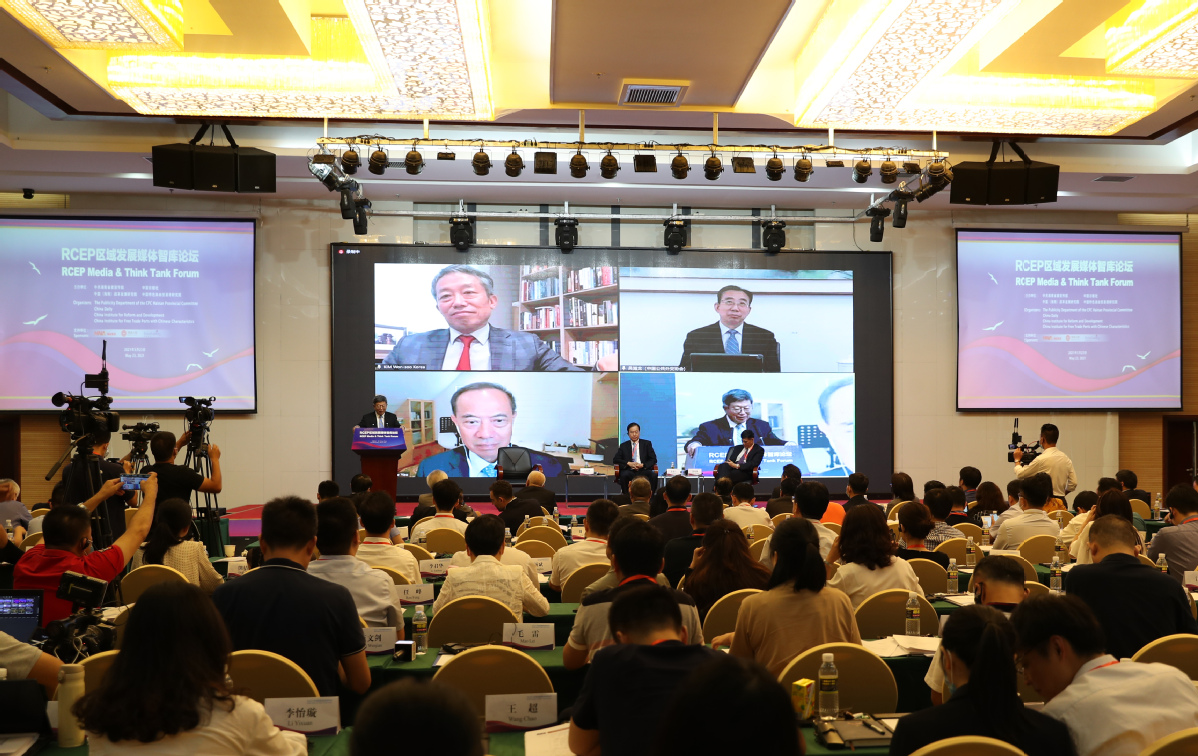
"Free trade has played a significant role in China's economic growth. It has also contributed greatly to the improvement of Chinese people's lives. The economic rise and future growth of Asia will require free trade to play a bigger role," he said in the video.
Arthayudh Srisamoot, ambassador of Thailand to China, said the RCEP will attract more investment from outside the region, especially against the backdrop of COVID-19, and hence help reduce the impact on economies in the region.
"We believe that the RCEP can be an economic recovery tool against COVID-19 that will help to ensure opening of markets as well as uninterrupted supply chains," he said.
Dino Rachmadiana Kusnadi, minister and deputy chief of mission of the Indonesian Embassy to China, said that the purpose of the RCEP is to improve the livelihoods of people and bring prosperity to the region.
Next month will mark the one year anniversary of the Hainan Free Trade Port, which makes the island province better positioned as a platform for an open regional economy.
Also at the event on Sunday, Xiao Yingzi, head of the Publicity Department of the CPC Hainan Provincial Committee, said the province is in full swing developing itself into an export-oriented economy and is playing a positive role in promoting two-way investment in services.
Hainan will improve its business climate and work together with RCEP countries to enhance recognition of rules and standards and to provide consumers with more diversified and affordable goods and services of higher quality, she said.
In November, 15 countries signed the RCEP agreement. China's Ministry of Commerce said in March that the Chinese government has officially ratified the agreement. Other participating countries have either done so or are on their way to completing ratification before the end of this year and pushing for it to become effective on Jan 1, 2022.
Chi Fulin, head of the Hainan-based China Institute for Reform and Development, said that the process of regional trade and investment liberalization and facilitation will be significantly accelerated by the RCEP.
"Measures such as tariff reduction will release the huge trade growth potential in the region. After the RCEP takes effect, more than 90 percent of trade in goods in the region will eventually enjoy zero tariffs. This will greatly reduce trade costs and product prices in the region, and have a huge impact on trade creation," he said.
He said that the pact's unified, open and inclusive market rules will significantly improve the efficiency of trade and investment in the region. In addition, industrial chains, supply chains and value chains will be further developed in an integrative manner.
Zhang Xiaoqiang, executive vice-chairman and CEO of the China Center for International Economic Exchanges, said at the forum that the RCEP is expected to boost the production network of East Asia.
"With significant tariff reduction, participating countries will see their product costs notably reduced, and this will help them build their production layouts within the region in a more flexible way," he said.
As the RCEP trade agreement is planned to go into force next year, the General Administration of Customs has been working on a slew of measures, in a move to build up a market-oriented, legalized and internationalized port business environment, said Dang Yingjie, deputy director-general of the National Office of Port Administration.
The GAC is preparing to promulgate the RCEP Measures for the Administration of the Origin of Imported and Exported Goods and Administrative Measures for the Approved Exporters, sorting out the procedures for applying for preferential import and export visas under the RCEP framework, the official introduced, and building a supporting information system to ensure convenience for enterprises to make proper declaration and enjoy their due benefits.
Besides, GAC has further streamlined regulatory documents needed for import and export, cut fees charged for port management, and shortened the customs clearance time by more than 40 percent compared with 2017.
"The port is the intersection of domestic and international dual cycles, and an important starting point for opening to the outside world in a larger scope, wider area, deeper and higher level," said Dang, also highlighting the significance of multifunctional port construction in the Guangdong-Hong Kong-Macao Greater Bay Area, and actively supporting the cargo port development in inland areas.
What other detailed actions has the GAC taken to optimize the port business environment? Watch the video to learn more.
Reporter: Zhong Nan
Photographer: Zhao Shiyue?
Video editors: Zhao Shiyue, Chen Liubing and Zhao Tingting
Supervisors: Hu Yuanyuan and Zhang Chunyan