
The China Story
at your Fingertips
OPEN


China Daily reporter Ian Goodrum made a return trip to Wuzhen, the venue for the annual World Internet Conference, four years after his arrival in China.
What's new in Wuzhen? How has China's internet technology developed in that time, and what sort of improvements can technology bring to our everyday lives? Check it out in this exclusive roundup!

China's emerging social e-commerce is playing an increasingly important role in driving digital economic growth, a business executive said during the World Internet Conference Wuzhen Summit.
Deng Zhengping, CEO of Chinese social e-commerce platform Fenxiang, said social e-commerce has become a key part of the booming digital economy, which will help spur consumption upgrades, boost innovation and promote high-quality economic growth.
According to Deng, China has seen rising growth opportunities in new business models during the COVID-19 epidemic, and social e-commerce is among a wide range of new business models helping to inject new momentum into the economy.
Based on its merchant resources and JD.com's supply chain, Fenxiang selects global goods for users and mainly focus on community sharing. The company claimed its gross merchandise volume surpassed 10 billion yuan ($1.5 billion) in 2020.

China's accelerated push for the industrial internet is set to further promote the digital transformation and upgrading of traditional industries, injecting new impetus into the country's high-quality growth, officials and top business executives said.
"China's industrial internet has entered the fast lane, extending into 40 major sectors in the national economy," said Sheng Ronghua, deputy head of the Cyberspace Administration of China. "The industrial internet has played a key role in (supporting the development) of new infrastructure, providing strong driving force for China's high-quality development."
Sheng said the country should make a big push to make innovative breakthroughs in key fields such as industrial chips, industrial software and control systems, and promote the development of network identity, platform security and other core technologies.
More efforts should be made to build more industrial internet demonstration bases, gradually establish the internet infrastructure for industrial internet covering different regions and sectors and promote global cooperation on key issues such as formulating industrial internet standards and international rules, Sheng said during the 2021 World Internet Conference Wuzhen Summit, which ran from Sunday to Tuesday.
Han Xia, chief engineer of the Ministry of Industry and Information Technology, said China's industrial internet has entered a critical stage of development, adding there is a lot of room for improvement in terms of standards formulation, implementation for the industrialization of emerging technologies, the utilization of facilities and protective capabilities.
In the next step, Han said the MIIT will make a big push to spur the construction of new industrial internet infrastructure, speed up construction of the national industrial internet big data center, improve the data security level, and promote the digital transformation of small and medium-sized enterprises.
The industrial internet has been defined by the country as one among many "key industries" for the digital economy in the 14th Five-Year Plan (2021-25).
The plan called for accelerated efforts to leverage the industrial internet to drive data-enabled and coordinated transformation of entire industry chains, requiring building a number of international-level industrial internet platforms in key industries and regions during the period.
A new report from the Internet Society of China showed the scale of China's industrial internet sector reached 916.48 billion yuan ($142 billion) last year, up 10.4 percent from a year earlier.
Seeing rising growth opportunities in China's booming digital economy, Dassault Systemes, a French industrial software company that creates 3D models for multiple industries, is planning to accelerate its investment in the China market.
"China has become one of the largest contributors in terms of (our business) for Asia… representing high potential growth country and market for us," said Samson Khaou, executive vice-president of Dassault Systemes Asia-Pacific.
"China is far ahead when it comes to the digital infrastructure development, and we've been working closely with a few companies in China. We will increase and even accelerate the investment in key fields such as smart manufacturing, smart cities and smart healthcare in China."
In recent years, Dassault Systemes has been actively cooperating with local governments and enterprise customers on the digital transformation of enterprises and intelligent manufacturing to jointly create innovation centers. At present, the innovation centers have been established in big cities including Chongqing, Qingdao in Shandong province and Wuhan in Hubei province.
He Wenzhong, chief engineer of China Electronics Technology Group Corp, said the industrial internet will become a key driving force to promote the digital transformation of industries, which will help build the nation into a key manufacturing power in the world.
"We've seen deep integration of the industrial internet with digital twins, 5G, AI and other network information technologies strongly boost the industrial digitalization in China," He said. "However, the digital economy also brings new cybersecurity challenges, and more efforts are needed to deal with the new problem."

Experts and business executives attending the 2021 World Internet Conference Wuzhen Summit warned of increasing cybersecurity risks which would come along with the booming digital economy in China, requiring vigilant regulators and public-private efforts to maintain a reliable and safe cyberspace.
"Today people are able to enjoy the convenience brought by emerging technologies such as artificial intelligence, and the country has seen rising new businesses such as unmanned stores, smart speakers and sweeping robots," said Zhou Min, deputy director of the State Information Center. "Such a wide range of digital applications will provide new impetus to high-quality socioeconomic development."
To further promote digital transformation and foster sustainable development, Zhou said enhanced efforts are needed to improve data security capabilities. "Today, cybersecurity is related not only to personal safety but also involves enterprises, industrial and national security."
Zhou warned that increasing cybersecurity risks would come from the growing number of cyberattacks and insufficient protection over data.
"In recent years, governments and large enterprises have become the main targets of advanced persistent threat (APT) attacks, as 46 percent of APT attacks are deployed against those large entities," Zhou noted.
Zhou suggested fully relying on a unified national e-government network, an integrated government services platform and a national data exchange platform to improve data governance and promote data fusion and usage among different departments and enterprises.
Powered by next-generation technologies including 5G, blockchain and AI, more efforts are also needed to build up strong capabilities to fend off potential security risks, he added.
According to the State Information Center, China is estimated to take the top spot in the world in terms of the overall amount of data by 2025.
"To benefit from the digital era in the future, we must increase investment on cybersecurity," said Qi Xiangdong, chairman of Chinese security company Qi An Xin Group. "A growing number of new cybersecurity challenges will pop up with the booming digital economy. And we need to continuously innovate in cybersecurity technologies to deal with the rising cyberattacks."
Citing the Data Security Law which came into effect on Sept 1, Li Xiaodong, founder and director of internet research body Fuxi Institution, spoke highly of the government's ongoing efforts to safeguard the booming digital economy.
Li, who is also vice-president of the Internet Society of China, said the government should formulate detailed provisions and supporting regulations to better implement the law, and more efforts are needed to increase spending on cybersecurity, cultivate more talents and strengthen global cooperation on key issues such as the international flow of data.
Li's views are echoed by Ye Jian, chief operating officer of 360 Group, who believes the Data Security Law will help better safeguard data security.
Looking ahead, Ye said cybersecurity enterprises and IT companies need to work together to deal with the risks from the changing internet environment.
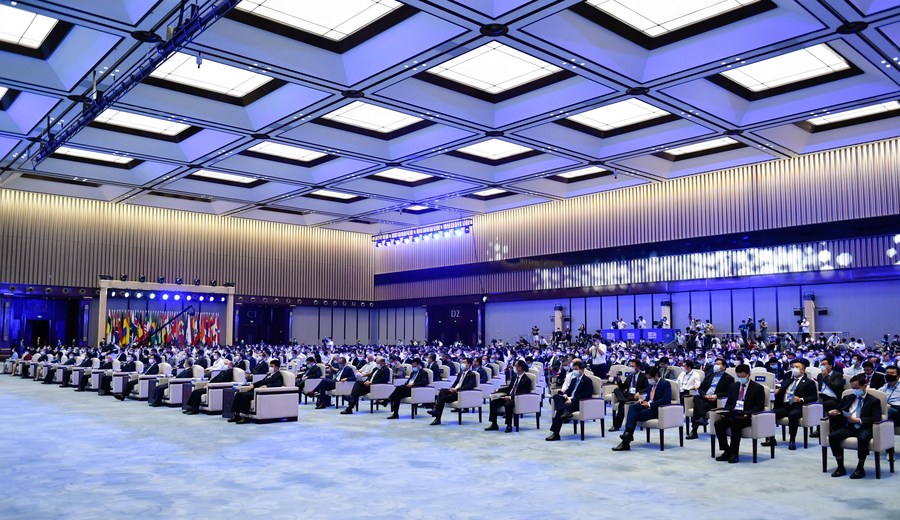
HANGZHOU -- A total of 14 world-leading internet scientific and technological achievements were unveiled Sunday in East China's Zhejiang province.
The building and applications of the BeiDou Navigation Satellite System and the HarmonyOS, the operating system for the smartphones of Chinese telecom giant Huawei, were among the released items recommended by a panel composed of nearly 40 internet experts from home and abroad.
The launch event, as part of the World Internet Conference Wuzhen Summit being held in Wuzhen, has received more than 300 applications from countries and regions including China, the United States, Russia, Britain, Italy, Sweden and New Zealand since May.
The applications cover 5G, quantum computing, high-end chips, high-performance computers, industrial internet, intelligent manufacturing and other internet-related fields.
The launch event was organized by the Cyberspace Administration of China and the Zhejiang provincial government, echoing the theme of the summit "Towards a New Era of Digital Civilization -- Building a Community with a Shared Future in Cyberspace."
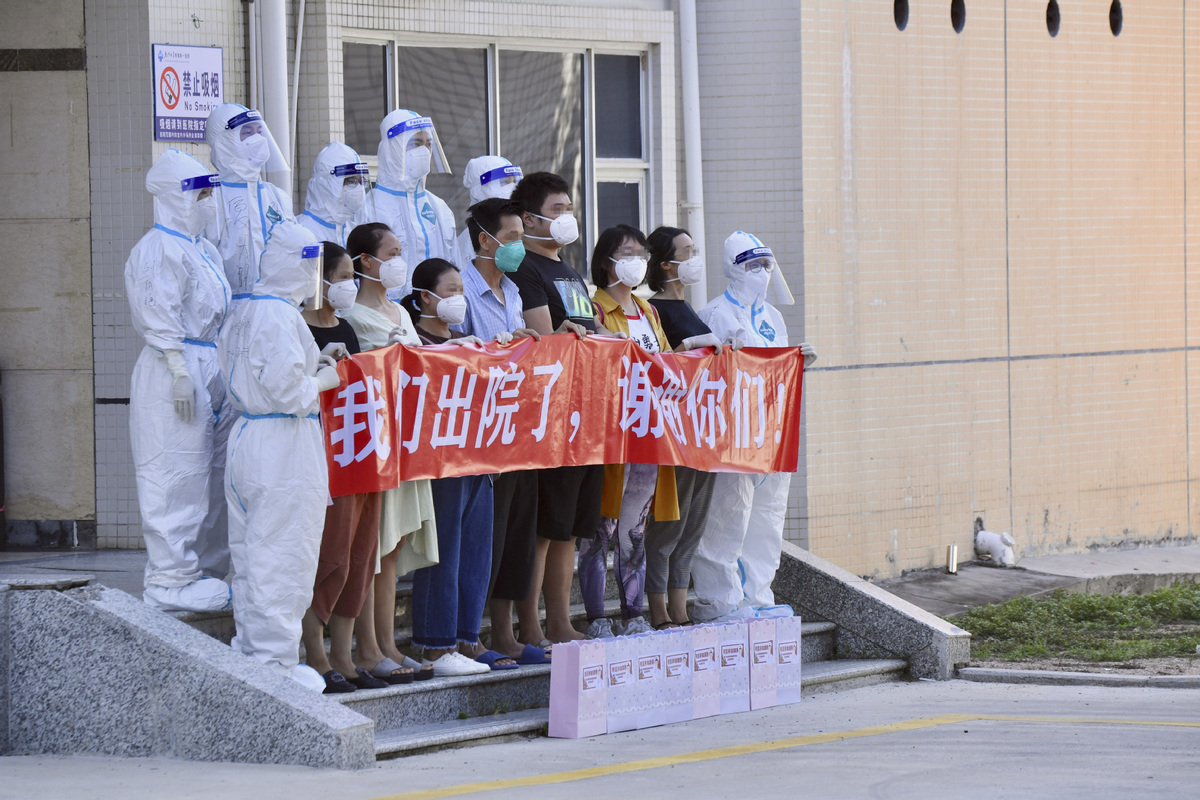
China's success in COVID-19 pandemic prevention and control is a great story to tell to build and safeguard a shared future for mankind, participants in the 2021 World Internet Conference Wuzhen Summit said on Sunday.
"China has written a blueprint for virus prevention. It is proven. It is effective. We live the proof of that every day," said Ian Goodrum, a journalist from the United States who works for China Daily.
Goodrum delivered a speech in Wuzhen, Zhejiang province, on Sunday afternoon at a forum themed "promoting international media cooperation in global anti-pandemic efforts".
But some refuse to listen to success stories about China and have done so from the very beginning, he said.
"In the early stages of the pandemic, when China was the country hardest hit, many media outlets and politicians could barely contain their glee," said Goodrum, who has been living in China since 2017.
As some foreigners ran away from China in early 2020, Goodrum chose to stay, because he believed it was certain that China would bring the situation under control quickly, he said.
Since then, Goodrum has visited many places across the country, trying to tell the world about the real China, which has been steadily recovering from the pandemic.
China Daily established "The Edgar Snow Newsroom" in June in an effort to give full play to the role of its senior foreign experts, including Goodrum, and international friends to present a true, multidimensional and panoramic view of China by better telling its story and that of the Communist Party of China.
In addition to delivering the speech, Goodrum will also do some interviews during the three-day WIC, which kicked off on Sunday, to reflect China's internet development trend in recent years, especially how technology is rising to the COVID-19 challenge.
"By putting people first, China was able to protect public health while guaranteeing a remarkable economic recovery," Goodrum said.
"Somewhat ironically, those countries that put profits before people have seen devastating crashes and protracted crisis-the very thing they were willing to sacrifice lives to avoid," he said.
Zhang Weiwei, a writer and Fudan University professor, said at the forum that life, solidarity and responsibility are the most important elements in Chinese people's values and carry the secret of China's success in COVID-19 prevention.
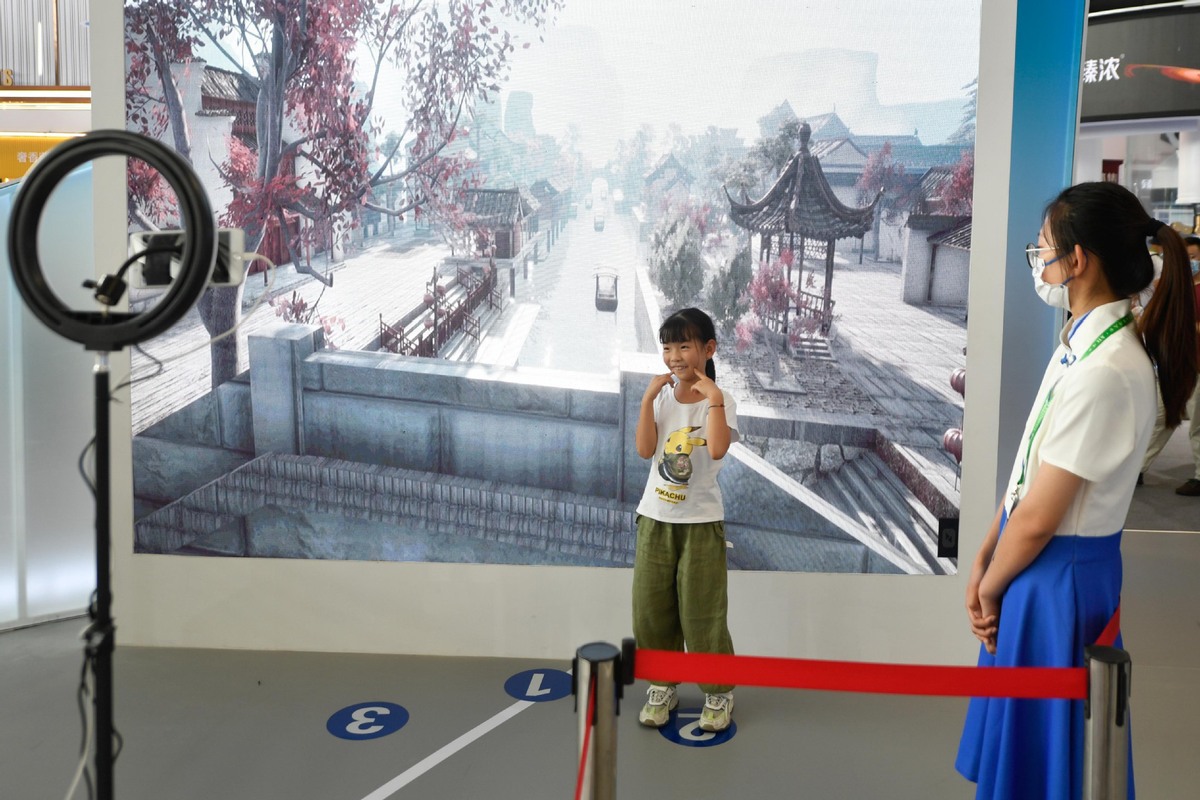
China is willing to work with other countries to make the digital civilization benefit people of all countries and promote the building of a community with a shared future for mankind, President Xi Jinping said in a congratulatory letter to the 2021 World Internet Conference Wuzhen Summit, which opened on Sunday in Wuzhen, Zhejiang province.
Xi emphasized that China is willing to work with other countries to shoulder the historical responsibility of promoting human progress by stimulating digital economy vitality, enhancing digital government efficiency, optimizing the digital social environment, setting up a digital cooperation structure, and building a strong digital security shield.
Nowadays, profound changes in the world unseen in a century and the epidemic situation are intertwined, Xi said.
It is imperative for the international community to join hands to seize opportunities and meet challenges by following the trend of informatization and digitalization, as well as networking and smart development, he added.
In an address at the conference's opening ceremony via video link, Vice-Premier Liu He called for global efforts to ensure the safety and reliability of infrastructure, crack down on illegal activities in the internet sector, ensure fair competition and promote innovation.
Liu said China will be dedicated to promoting high-quality development and reform and opening-up, and the country will continue to support the healthy development of the internet and digital economy, as well as the private business sector.
The three-day conference, with the theme "Towards a New Era of Digital Civilization-Building a Community with a Shared Future in Cyberspace", is both timely and forward-looking, said Liu Zhenmin, undersecretary-general for economic and social affairs at the United Nations.
"It provides a framework for examining the impact of digital transformation in promoting an inclusive and sustainable recovery from the COVID-19 pandemic," Liu said.
As close to half of the global population-an estimated 3.6 billion people mainly in developing countries-remains offline, Liu said he believed closing the digital divide must be a top priority.
"Harnessing resources from multi-stakeholder partnerships can help facilitate needed investments in digital infrastructure and capability building. At the same time, efforts must be accomplished by strengthened policy frameworks and international cooperation," he said." (And) there should be greater international cooperation to support the development of 5G technologies."
With the booming internet, 5G, big data and other emerging technologies, the digital economy is gradually becoming the integral driving force for economic growth. According to a white paper released by the China Academy of Information and Communications Technology, the added value of China's digital economy reached 39.2 trillion yuan ($6 trillion) in 2020, accounting for nearly 40 percent of the country's GDP.
Citing China's 5G application action plan, Cristiano Amon, president and CEO of Qualcomm, hailed the country's ongoing efforts toward bringing 5G into major industries and improving consumers lives.
"China's commitment to innovation is clear, as the 14th Five-Year Plan (2021-25) and 2035 long-term development goal identify it as a top priority," said Amon. "We are already working with Chinese companies across many industries, helping them achieve their goals in China and around the world."
Elon Musk, CEO of Tesla Inc, said, "China spends a lot of resources and efforts applying the latest digital technologies in different industries including the automobile industry, making China a global leader in digitalization. Tesla will continue to expand our investment and R&D efforts in China."
Zhou Hongyi, founder and chairman of 360 Security Group, said that while the internet and digital economy bring new development opportunities, they also pose cybersecurity challenges, and enhanced efforts are needed to deal with the new problem.
Xinhua contributed to this story.

The 2021 World Internet Conference Wuzhen Summit featuring 20 sub-forums under the theme of "Toward a New Era of Digital Civilization -- Building a Community with a Shared Future in Cyberspace" kicked off in Wuzhen, East China's Zhejiang province, on Sunday.
The sub-forums will contribute insights on data governance, the rule of law on the internet, social responsibilities of tech companies, global COVID-19 response and international communication among other topics of public interest through discussions on new internet technology trends including 5G, artificial intelligence, open-source ecology, internet of the next generation, data and algorithm.
Beside, some latest technologies are on display at the Light of Internet Expo.
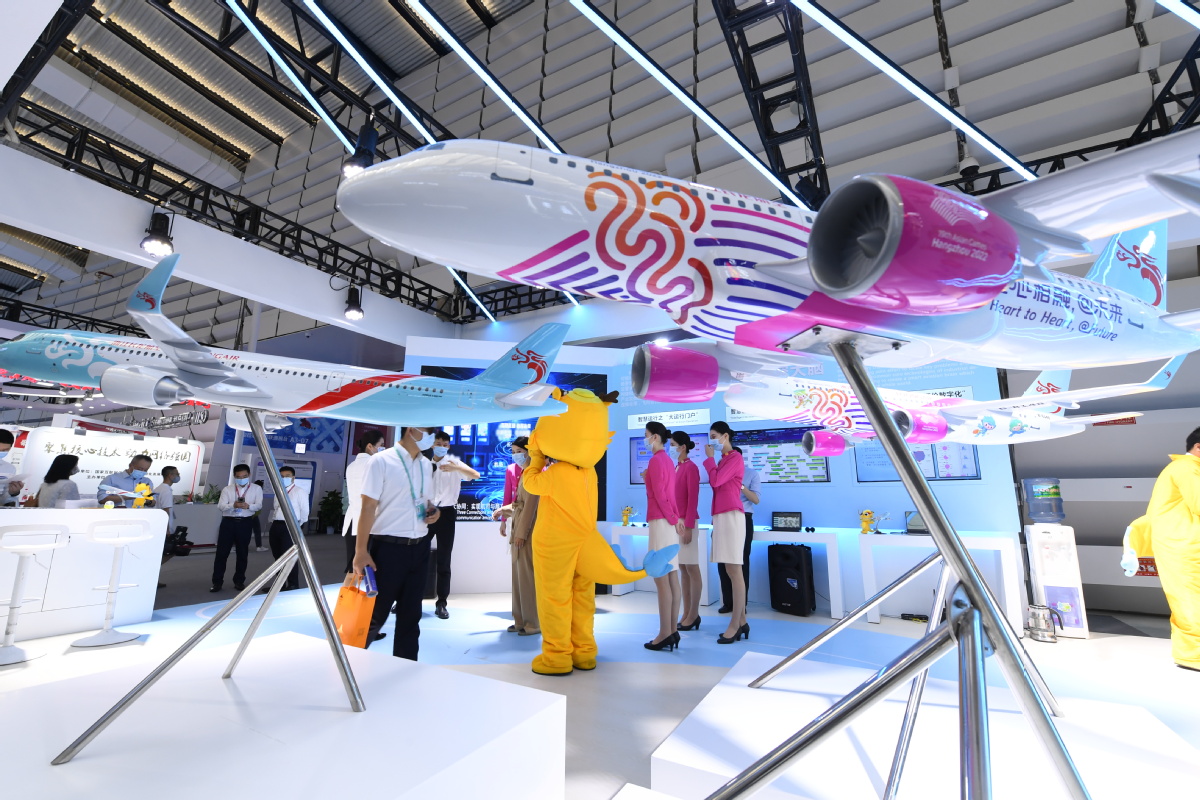

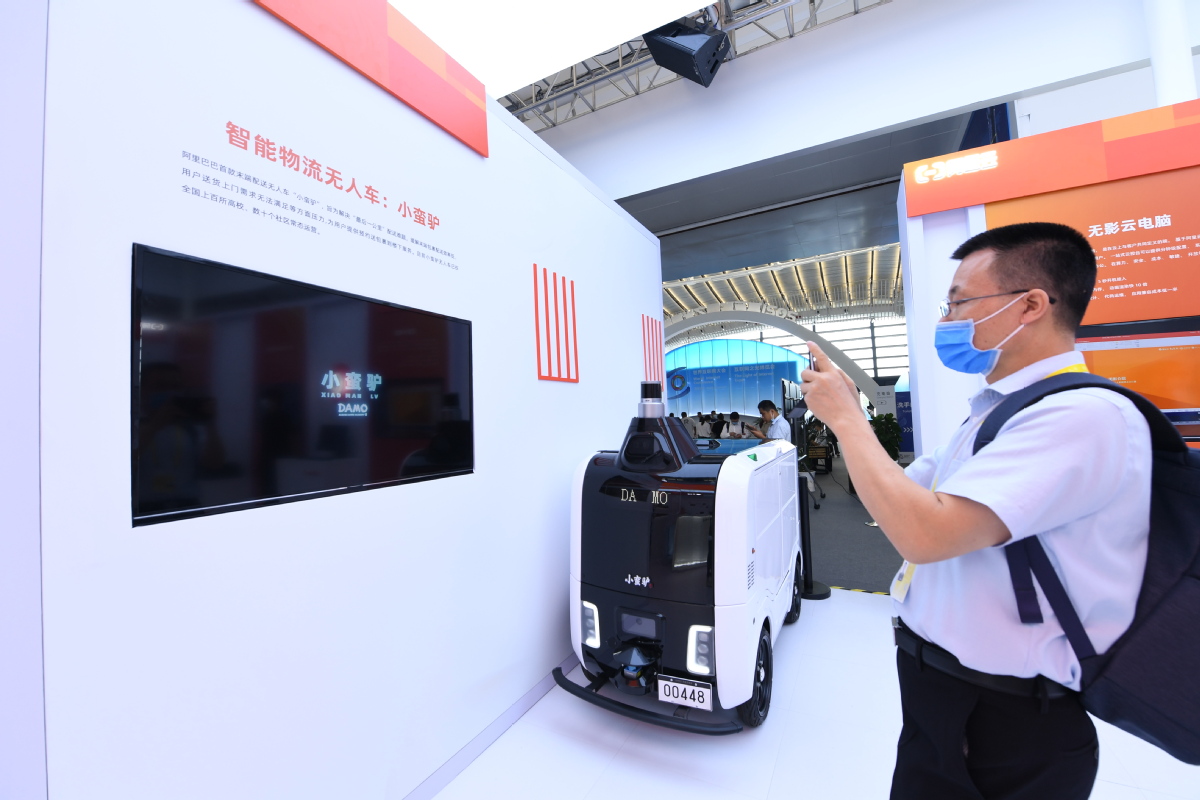
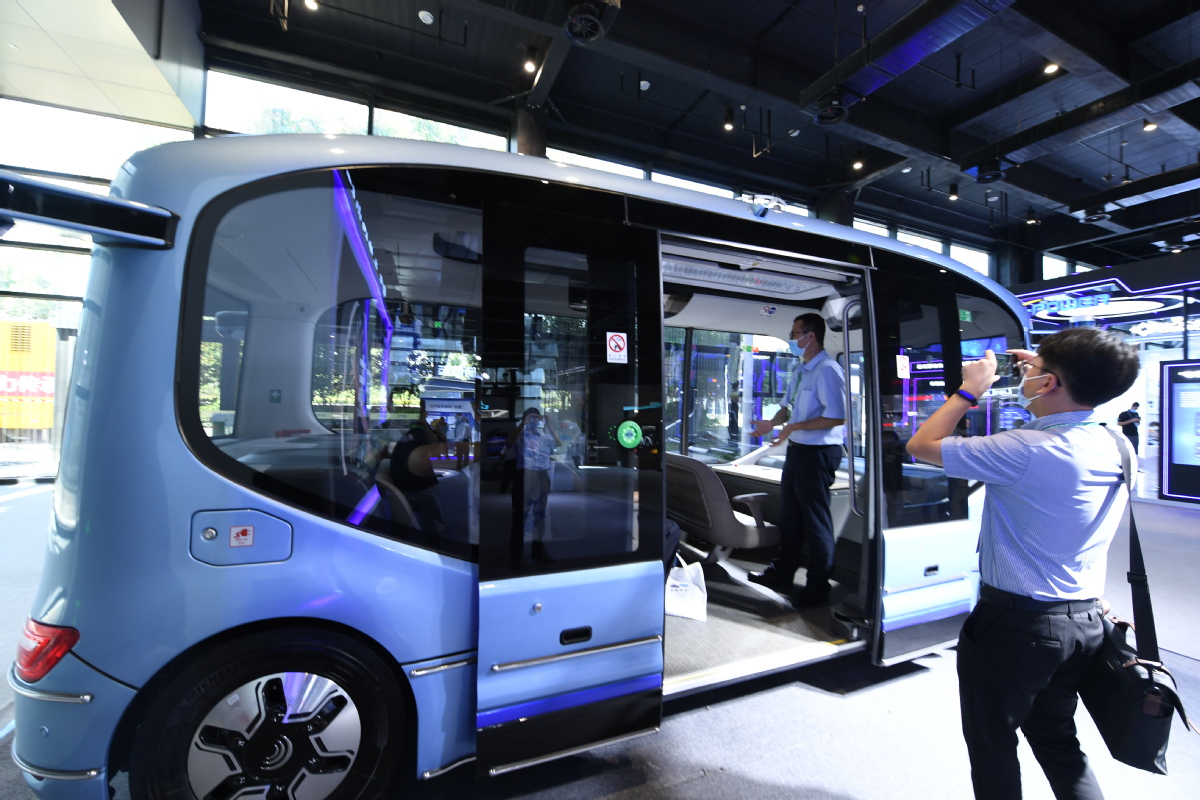
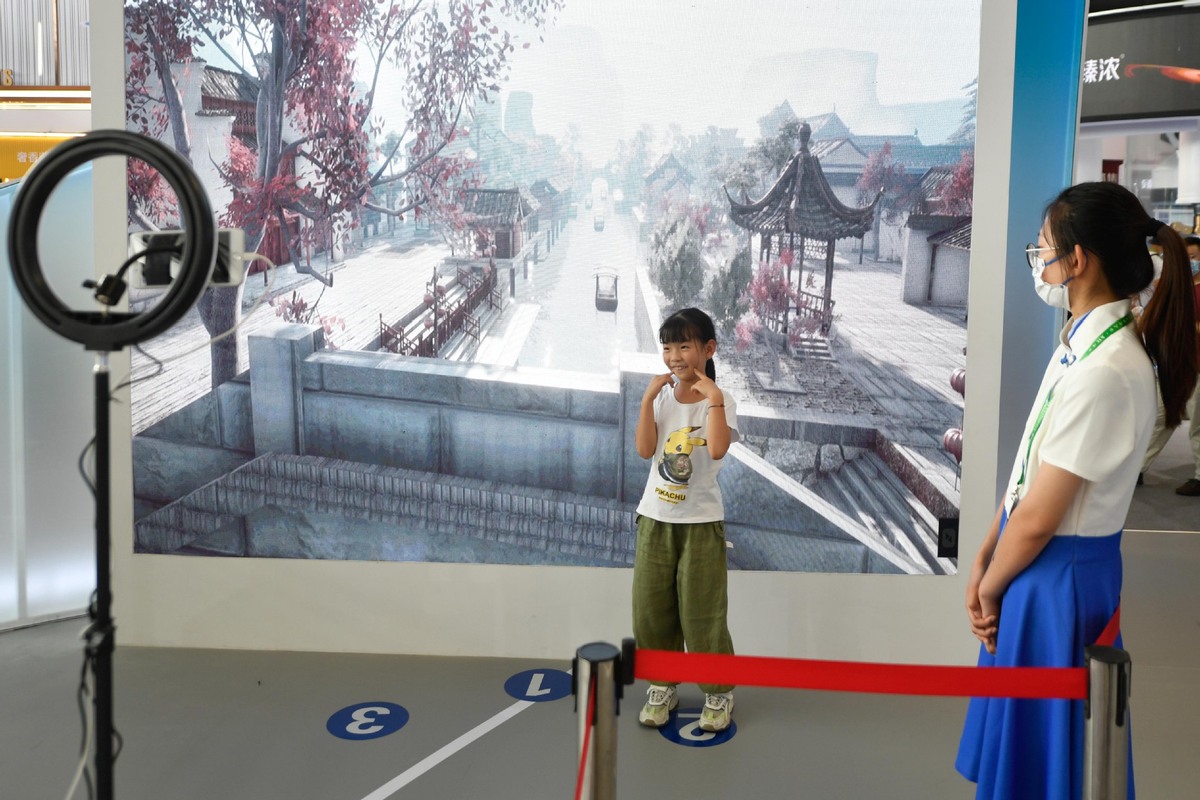
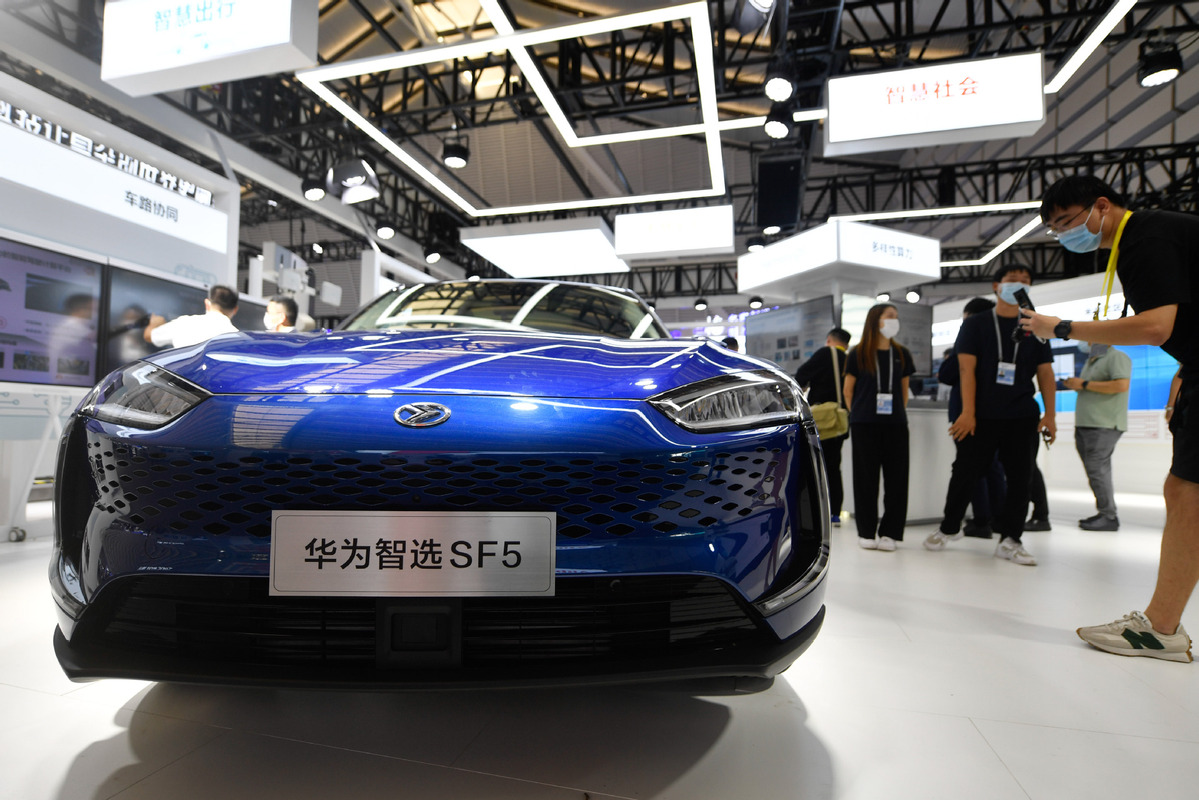

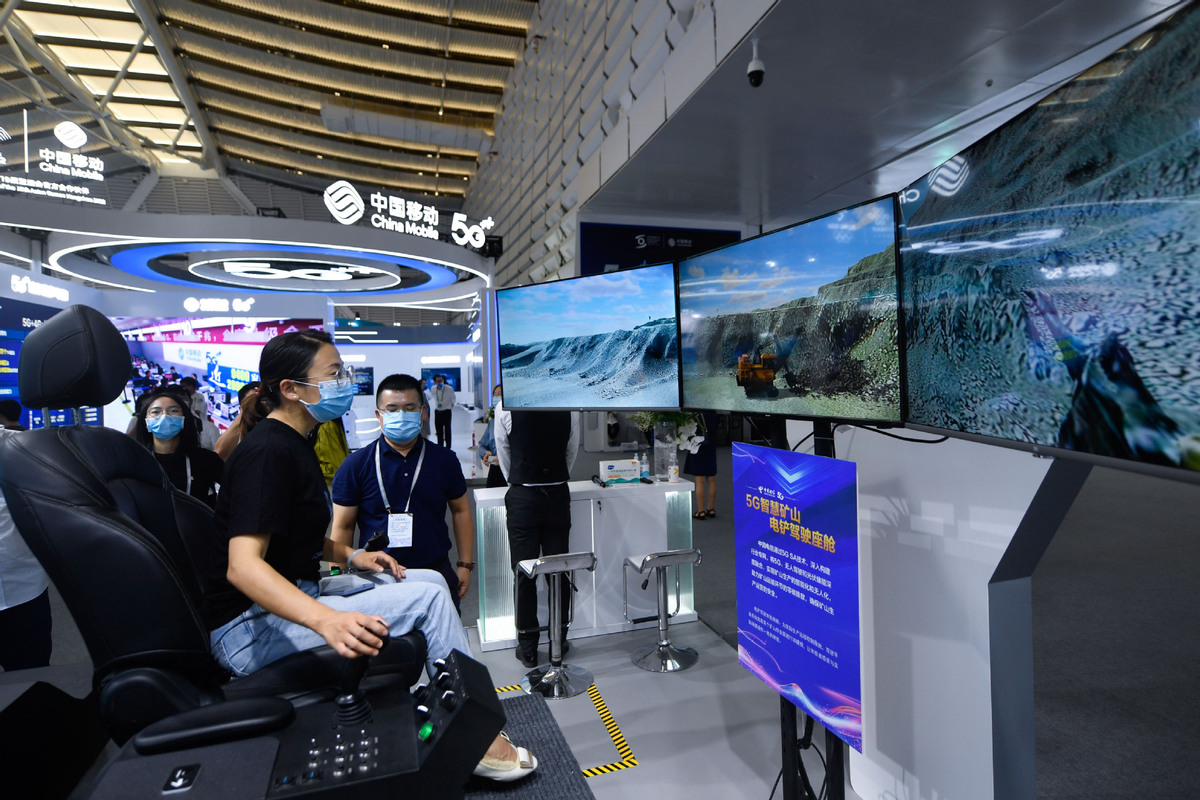

HANGZHOU - The 2021 World Internet Conference Wuzhen Summit gathers people from around the world to share wisdom on building a digital civilization via online and offline events.
The summit, which kicked off on Sunday in Wuzhen, east China's Zhejiang Province, features 20 sub-forums under the theme of "Towards a New Era of Digital Civilization -- Building a Community with a Shared Future in Cyberspace."
Chinese Vice Premier Liu He, also a member of the Political Bureau of the Communist Party of China Central Committee, addressed the summit via video.
Noting that advancement of the internet has made a profound impact on industrial development, economic structure, social life and international landscape, Liu said the internet is now catapulted onto a new stage, with comprehensive diffusion and cross-field integration, while digital technology continuously creates new models of business, providing opportunities to countries around the globe.
He said that science and technology as a force for good is an inherent requirement of the community with a shared future for mankind. He called for joint efforts to safeguard the safety and reliability of infrastructure, crack down on illegal activities on the internet, and earnestly protect fair competition and promote innovation.
China's macroeconomy remains generally stable, Liu said, adding that the country is experienced in and capable of controlling risks, and hence has a bright future.
China will stand firm to advance reform and opening up, and high-quality development. Efforts will be made to strengthen the development of new types of infrastructure, and boost the software industry, he said.
The country will support the sound development of the private sector, the innovation and startups of entrepreneurs, and the healthy development of the internet and digital economy, he said.
The sub-forums were set to contribute insights on data governance, the rule of law on the internet, social responsibilities of tech companies, global COVID-19 response and international communication among other topics of public interest through discussions on new internet technology trends including 5G, artificial intelligence, open-source ecology, internet of the next generation, data and algorithm.
Around 15 top-level achievements of internet technology are scheduled for release during the conference, said the organizer.
Other highlights include an international internet expo, a global competition on innovation and entrepreneurship, and the release of two reports, namely "World Internet Development Report 2021" and "China Internet Development Report 2021."
The conference is scheduled to close on Sept. 28.
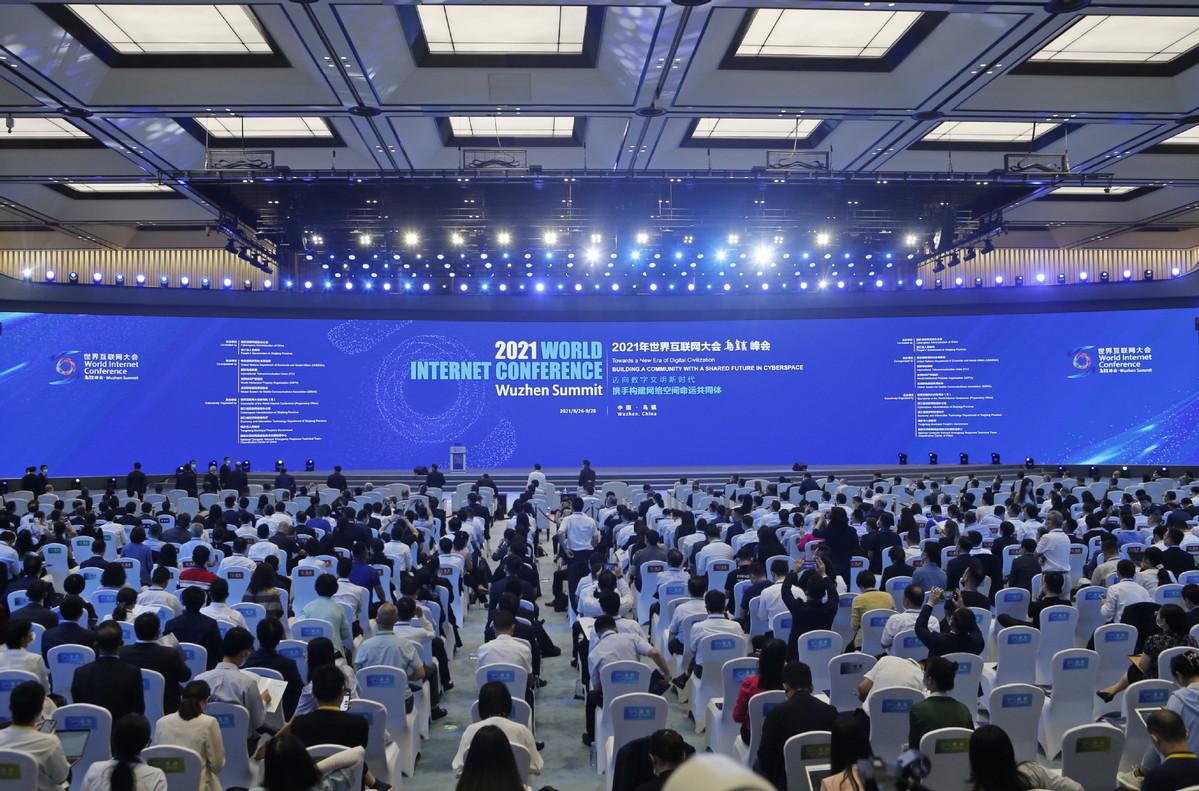
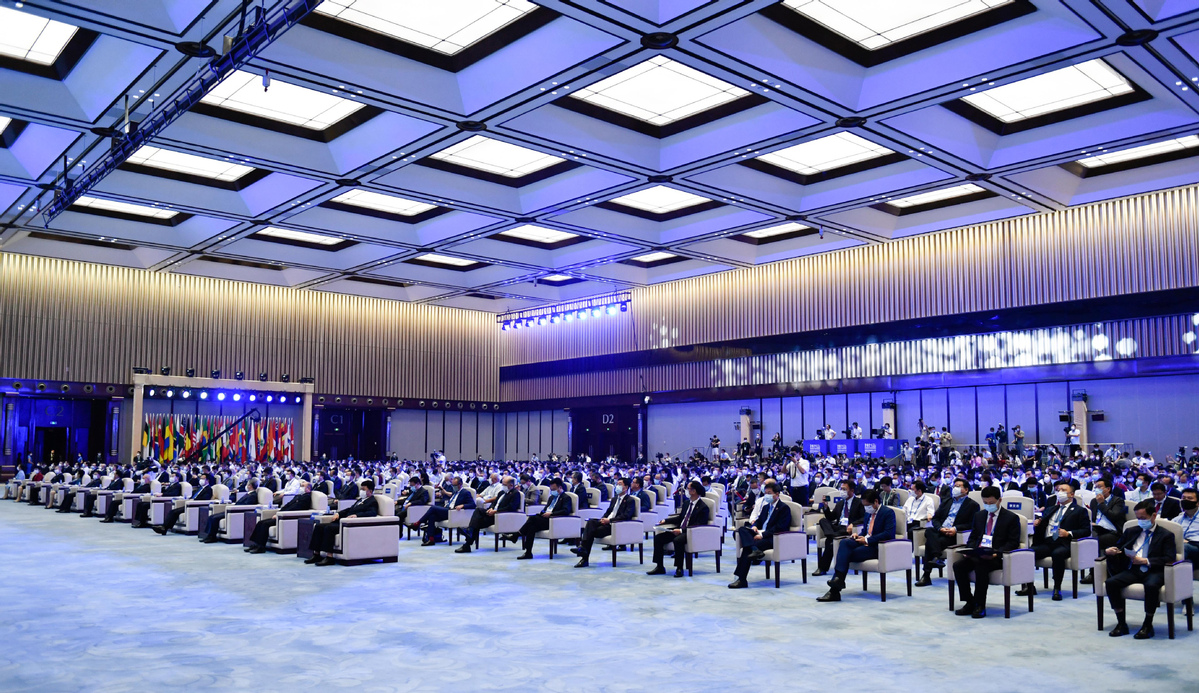

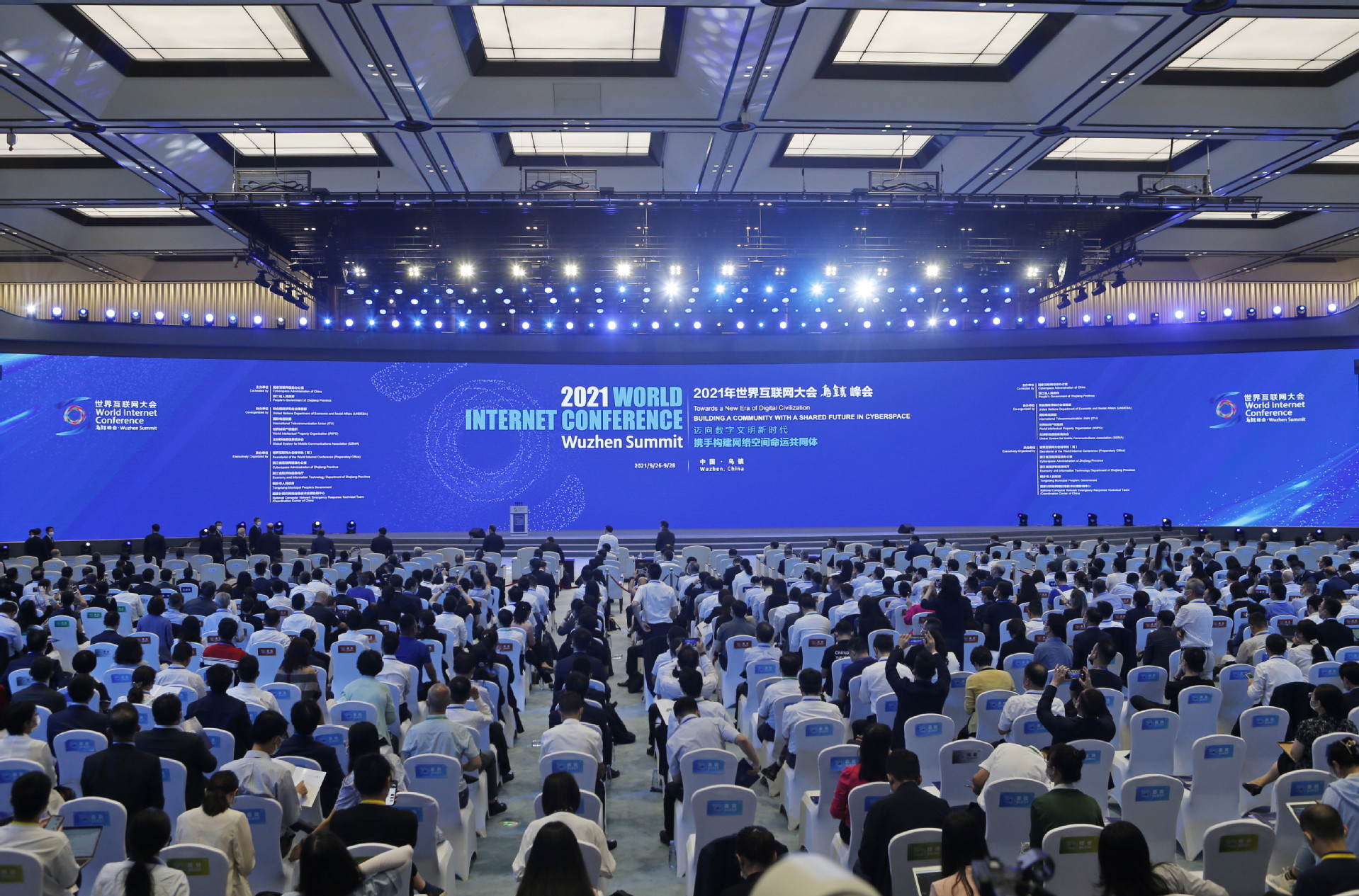
President Xi Jinping on Sunday sent a congratulatory letter to the 2021 World Internet Conference Wuzhen Summit, which opened in Wuzhen, East China's Zhejiang province.
In his letter, Xi noted that digital technology is being fully integrated into all fields and the whole process of economy, politics, culture, society and ecological civilization construction with new ideas, new forms and new models, having extensive and profound impacts on the production and life of humankind.
Nowadays, profound changes in the world unseen in a century and the epidemic situation are intertwined. It is imperative for the international community to join hands to seize opportunities and meet challenges by following the trend of informatization and digitalization, as well as networking and smart development, he added.
Xi emphasized that China is willing to work with other countries to shoulder the historical responsibility of promoting human progress by stimulating the digital economy vitality, enhancing the digital government efficiency, optimizing the digital social environment, setting up a digital cooperation structure, and building a strong digital security shield.
China is also willing to work with other countries in the world to make the digital civilization benefit people of all countries, and promote the building of a community with a shared future for humankind, he added.
The summit opened Sunday with a theme of "Towards a New Era of Digital Civilization -- Building a Community with a Shared Future in Cyberspace." It is jointly organized by the Cyberspace Administration of China and the Zhejiang provincial government.
With the internet reaching nearly every aspect of life, the digital-driven economy has become an indispensable power to stimulate China's future development.
How has China performed in this sector? The numbers have the answer!


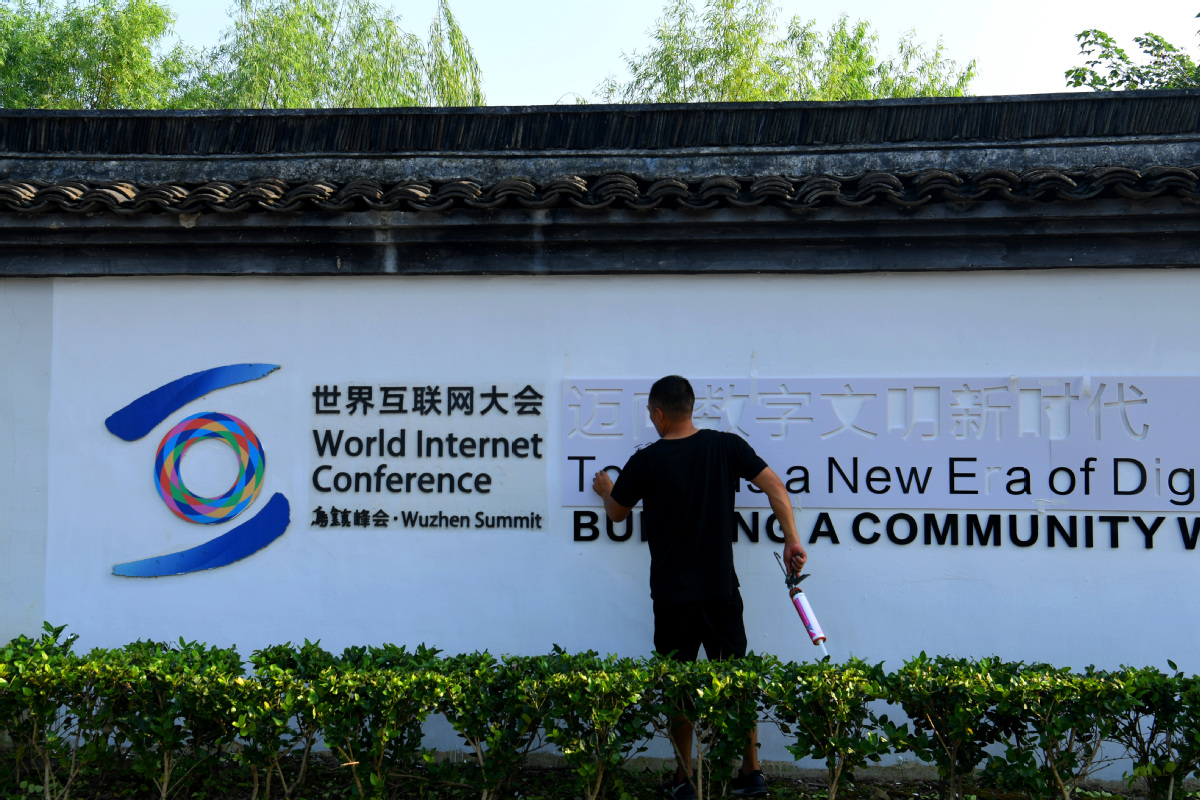
The 2021 World Internet Conference Wuzhen Summit is scheduled to take place from Sept 26 to 28 in Wuzhen, East China's Zhejiang province. Themed "Towards a New Era of Digital Civilization -- Building a Community with a Shared Future in Cyberspace," the summit will be held both online and offline this year. At present, preparations are nearly complete.
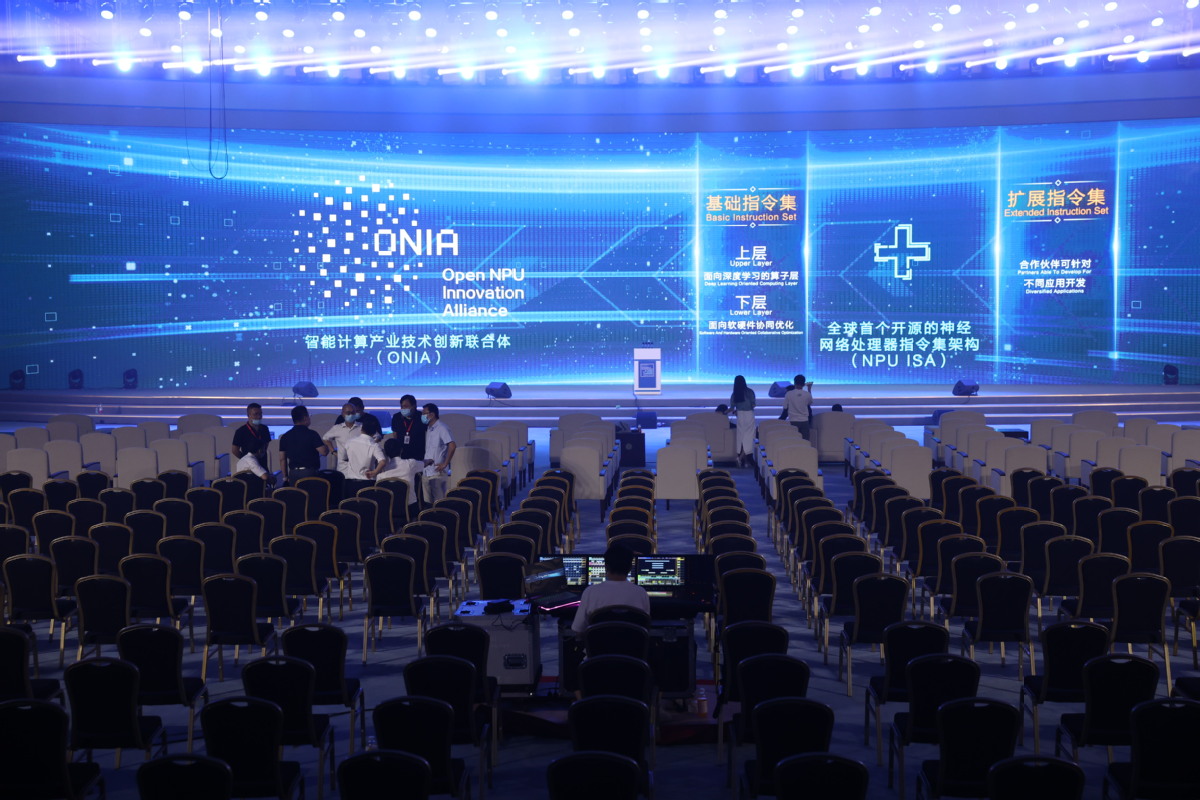




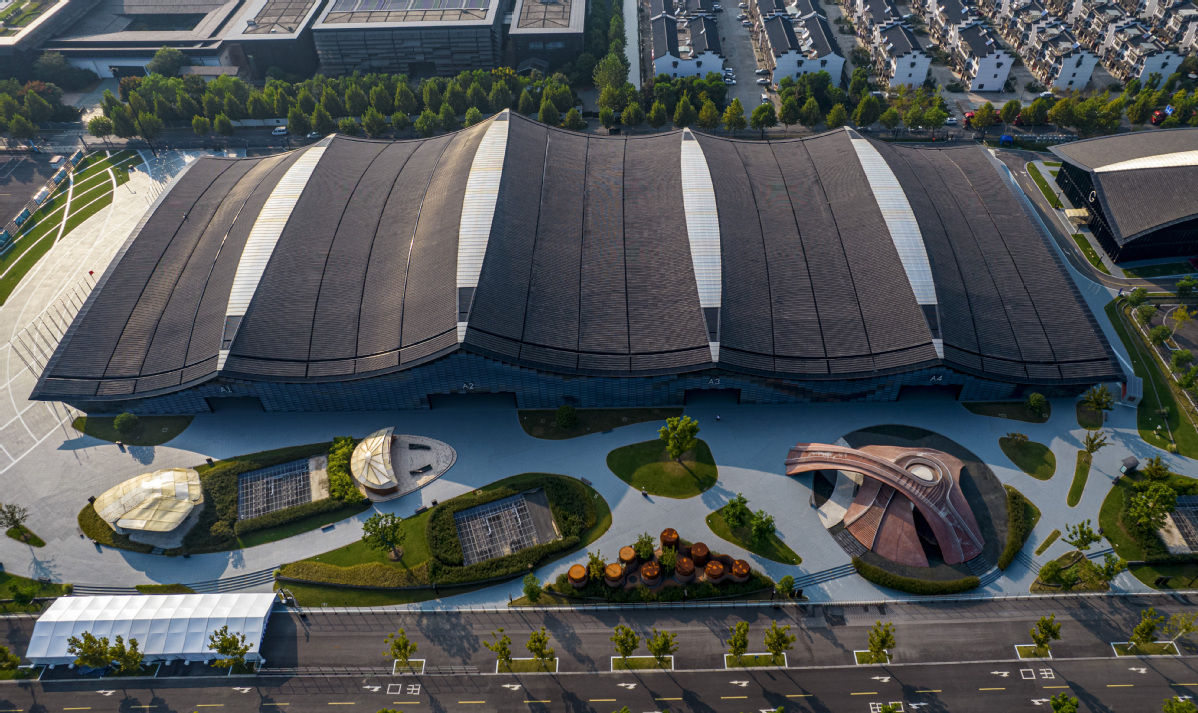


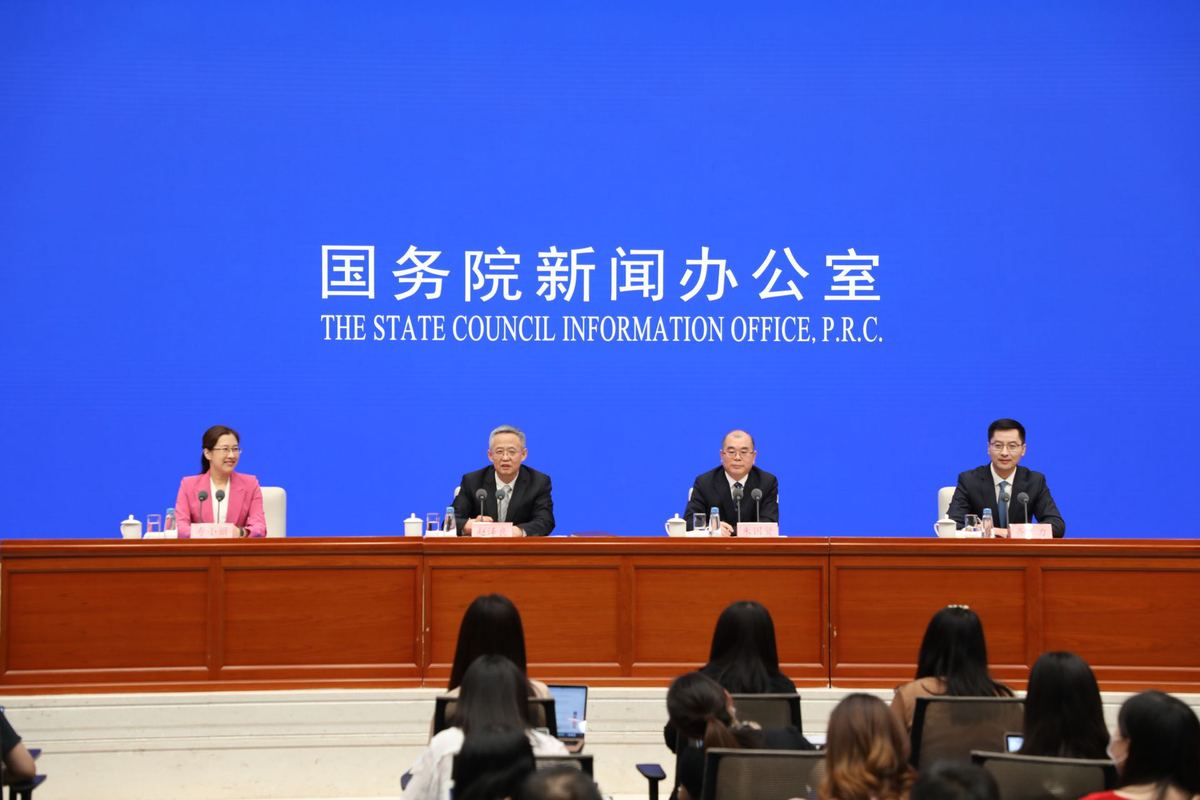
The 2021 World Internet Conference Wuzhen Summit is scheduled to take place from Sept 26 to 28 in Wuzhen, Zhejiang province, with the theme of "Towards a New Era of Digital Civilization – Building a Community with a Shared Future in Cyberspace."
Nearly 2,000 representatives from domestic and foreign governments, international organizations, industry associations, global leading enterprises, universities and research institutes from over 80 countries and regions, will attend the conference both online and offline, said Zhao Zeliang, vice-minister of the Cyberspace Administration of China, during a news conference on Friday in Beijing.
Zhao said the conference will set up 20 subforums on focal points and hot spots in global cyberspace this year, and leading figures in the internet field and other important attendees will be invited to exchange their views on the new development trends of cutting-edge technologies, and the new situation in cyberspace governance.
The Light of Internet Expo 2021 will spotlight the latest and cutting-edge advances in cyberspace, release new technologies and products in the fields such as artificial intelligence, cloud computing, big data, blockchain and cybersecurity, and unveil applications for digital reform in economic, social and governance areas, Zhao added.
In addition, the best practice of "Jointly Building a Community with a Shared Future in Cyberspace" will be presented the first time during the conference. The conference will also release the blue books of the World Internet Conference, namely the China Internet Development Report 2021 and the World Internet Development Report 2021.
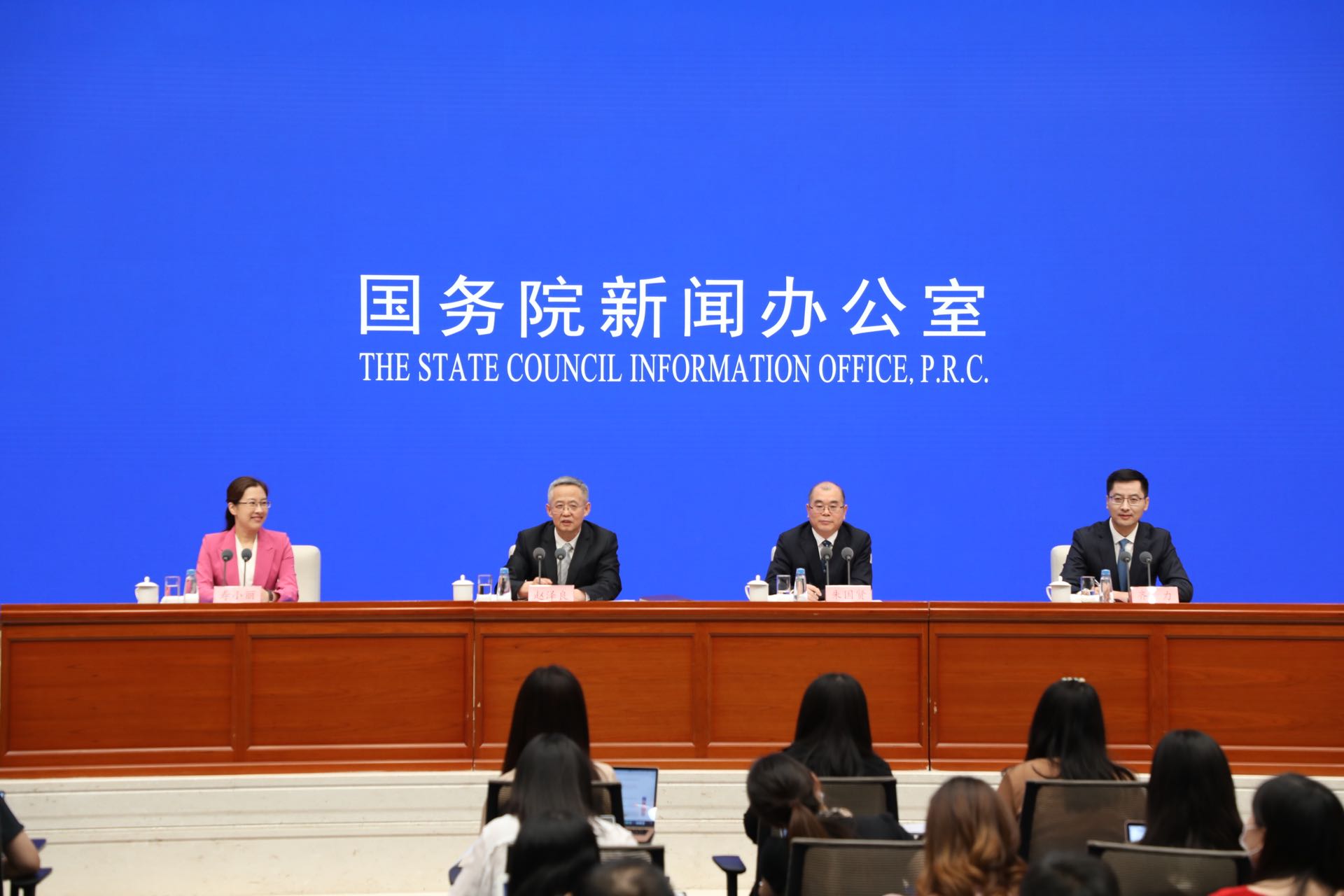
The 2021 World Internet Conference Wuzhen Summit is scheduled to take place from Sept 26 to 28 in Wuzhen, Zhejiang province, said Zhao Zeliang, deputy head of the Cyberspace Administration of China, during a news conference in Beijing on Friday.
Themed as "Towards a New Era of Digital Civilization – Building a Community with a Shared Future in Cyberspace," the Wuzhen Summit will be held both online and offline this year.
Nearly 2,000 representatives from domestic and foreign governments, international organizations, industry associations, global leading enterprises, universities and research institutes from over 80 countries and regions, will attend the conference both online and offline, Zhao said.
The event this year will invite over 1,000 online attendees to watch the conference real-time for the first time through the Online Conference Video System, according to the Cyberspace Administration. The summit this year will also set up 20 sub-forums with the focal points and hotspots of global cyberspace.
The Light of Internet Expo 2021 attended by over 300 Chinese and foreign companies will put a spotlight on the latest and cutting-edge advances in cyberspace, launch new technologies and products in the fields such as artificial intelligence, cloud computing, big data, blockchain and cybersecurity, and unveil applications for digital reform in economic, social and governance areas.
The 2021 WIC will also release the blue books of the World Internet Conference, namely the China Internet Development Report 2021 and the World Internet Development Report 2021.
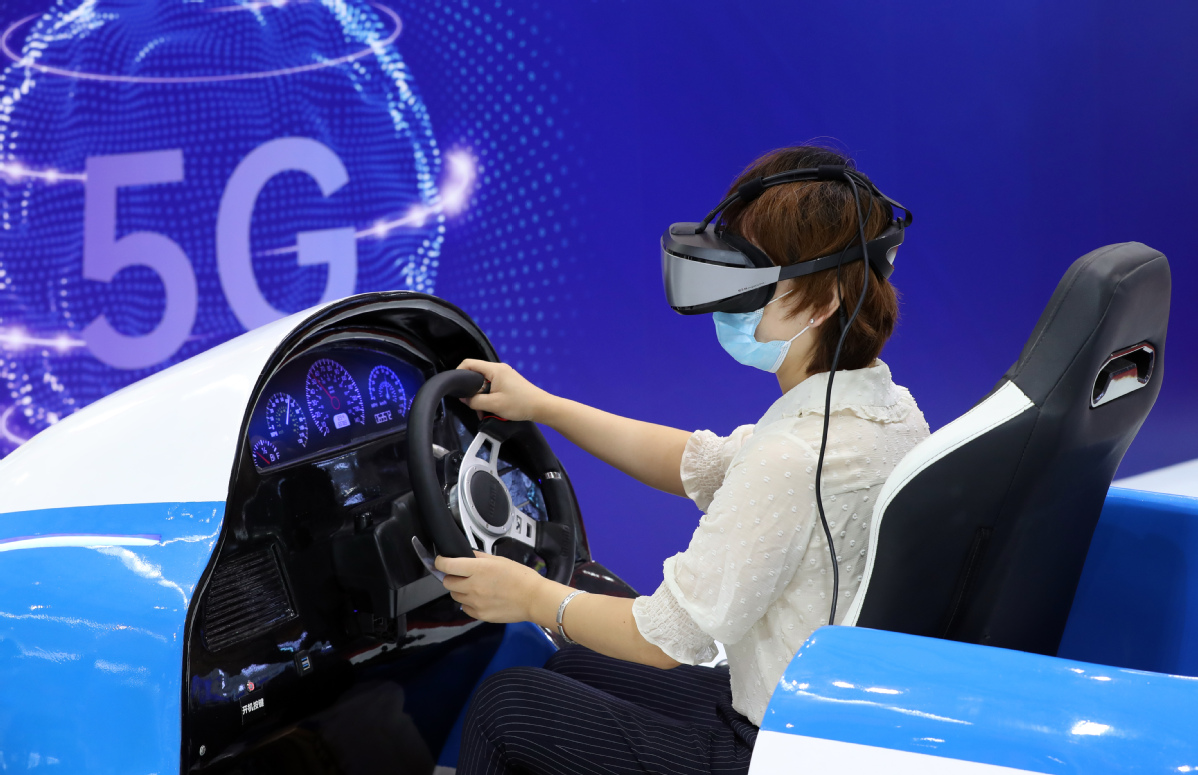
BEIJING -- China has so far built 993,000 5G base stations, covering more than 95 percent of counties and 35 percent of rural townships, the Ministry of Industry and Information Technology said Tuesday.
The number of 5G mobile phone users has exceeded 392 million, the ministry said at the 2021 World 5G Convention that opened Tuesday in Beijing.
The meeting attracted over 1,500 industry experts, scholars, and entrepreneurs from 20 countries participating online and offline.
The convention, themed "5G+ By All For All," focuses on jointly building digital infrastructure, promoting industrial cooperation, and facilitating international cooperation and industrial chain collaboration and innovation in the field of 5G.
The three-day event features forums, exhibitions, and a 5G-based application design competition. Eight of 11 forums focus on 5G applications in the industrial internet, carbon reduction, health, education, the 2022 Winter Olympics, and the media.
The World 5G Convention is the world's first international conference in the 5G field. The first edition of this event took place in Beijing in 2019.

China's tighter oversight of the internet sector does not contradict plans to bolster its development. Instead, regulation over the fast-expanding consumer-oriented platform economy will motivate internet companies to pursue next-generation innovation, experts said.
Dang Chongyu, an economist at Founder Securities, said in a research note that anti-monopoly moves go hand in hand with China's support for technological innovation. In the future, tech giants may increase their investment in a new technological revolution spearheaded by artificial intelligence, big data and cloud computing.
According to Dang, China highlighted strengthening antitrust enforcement and preventing the disorderly expansion of capital at high-level meetings such as the Central Economic Work Conference in December 2020. At the same time, the nation also pledged support for the innovation and development of platform enterprises, saying that these assets enhance international competitiveness.
The outline of the 14th Five-Year Plan (2021-25) for national economic and social development and the long-range objectives through the year 2035 call for China to pursue innovation-driven development and create new developmental strengths.
From both the standpoint of national policies and the demand of future development, the long-term trend of the platform economy is to stick to technological innovation and empowerment, Dang said.
Sealand Securities said in a research note that as China strengthens supervision of its platform economy, the era of relying on platform monopolies to obtain excess profits is coming to an end and the era of hard technology will begin.
Hard technology refers to key and core technology that requires long-term research and development as well as continuous efforts and investment.
It mainly includes areas like cloud computing, optoelectronic chips, artificial intelligence, aerospace, biotechnology, information technology, new materials, industrial internet of things, new energy and smart manufacturing.
Ren Zeping, chief economist at Soochow Securities, said the trend is successfully reducing monopolies of firms in real estate, finance, education, internet and other sectors which had previously harmed people's livelihoods and the real economy. At the same time, vigorously developing manufacturing, hard technology, real economy and other sectors are key.
Hong Yongmiao, dean of the School of Economics and Management at the University of Chinese Academy of Sciences, said binding laws and regulations are needed to prevent monopolies and disorderly capital expansion. Such laws will also help beef up the governance and regulation of digital platforms, and strengthen protections for workers, consumers and small and medium-sized enterprises.
At the same time, careful efforts are also needed in regulating digital platforms, since China still needs to nurture innovation-minded companies with international competitiveness. Government regulation should not only prevent monopolies and the disorderly expansion of capital, but also continue to protect and encourage innovation, Hong said.
"In the face of cutthroat international competition, globally competitive Chinese companies are indispensable for China's digital economy, thus the government will offer more support," added Hong who is also a fellow of the World Academy of Sciences for the advancement of science in developing countries.
For full-fledged digital platforms, the government should focus on micro-regulation to prevent monopoly and disorderly competition while also supporting companies' quests to go global. Government regulations should be adjusted when needed for the optimal "dynamic equilibrium "under different circumstances, Hong said.
In a commentary on the State Administration for Market Regulation's fine on Alibaba Group Holding Ltd for its monopolistic behavior, People's Daily said "the act of tugging at the sleeve is also an act of love", which means that self-correcting checks on minor misconduct is meant to avoid larger missteps.
"Regulating the fast-expanding internet sector doesn't contradict plans to bolster its development. They are instead complementary and mutually reinforcing, which holds true even on a global scale," it said.
"The penalty serves to guide the company's development, purify the industry's environment and forcefully safeguard market order for fair competition."
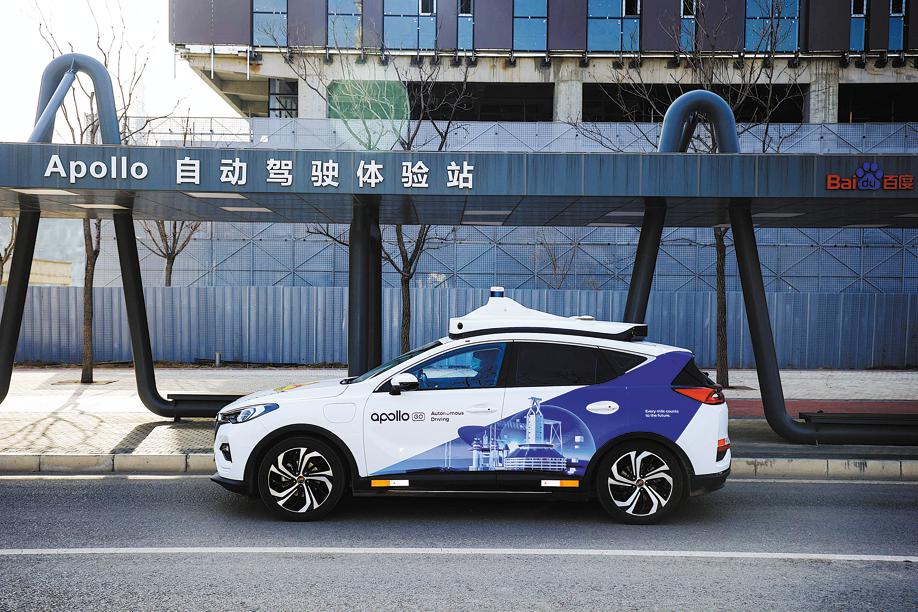
Chinese technology companies are ramping up efforts to launch self-driving taxi services in an attempt to bolster large-scale commercial use of the growing transportation solutions.
Internet search giant Baidu Inc officially opened its robotaxi ride-hailing pilot program to the public in Guangzhou, capital of Guangdong province, in July, marking the largest autonomous driving vehicle-for-hire platform in the city.
Users can order rides on their smartphones through the Apollo Go or Baidu Maps apps between 9:30 am and 11 pm. The autonomous ride-hailing service covers 237 pick-up and drop-off locations, allowing passengers to utilize autonomous driving services in their daily lives and further establish Guangzhou as a benchmark city for new smart transportation infrastructure services.
To date, Apollo Go robotaxi services have been launched across the cities of Changsha, Cangzhou, Beijing and Guangzhou, allowing Baidu to become the autonomous driving technology company with the most widespread operations in China.
The company plans to expand its robotaxi ride-hailing services across 30 cities in China in two to three years to serve a wider range of users, said Robin Li, co-founder and CEO of Baidu, at the annual World Artificial Intelligence Conference held in Shanghai in July.
"Baidu is also rapidly developing a new intelligent vehicle, and we estimate that everyone will be able to experience the arrival of a new species of robo-vehicles in two to three years," Li added.
In the meantime, Baidu received its initial batch of permits to test its self-driving vehicles on expressways from traffic authorities in Beijing in July, becoming one of the first companies to carry out road tests for autonomous cars in high-speed traffic scenarios in China.
Baidu Apollo can now conduct high-speed tests on roads in the pilot zone for intelligent networked vehicles in Beijing, extending the testing scenarios from urban roads to expressways, which will open up commercial exploration of more autonomous driving technologies in the future.
Currently, the Beijing-based tech behemoth has obtained more than 300 autonomous driving test licenses nationwide and is the company with the most testing licenses in China.
The country is planning to realize large-scale production of vehicles capable of conditional autonomous driving and commercialization of highly autonomous vehicles in certain circumstances by 2025, according to a blueprint issued by the National Development and Reform Commission, the Ministry of Industry and Information Technology and nine other ministries.
Apart from robotaxis, Baidu announced the launch of Apolong II, a new generation of multipurpose autonomous minibuses rolled out in Huangpu district, Guangzhou, earlier this month.
Apolong II, which has no steering wheel, is equipped with advanced autonomous driving capabilities and the latest in-vehicle smart cabin technologies to enhance passenger experience. The autonomous minibus is set to be deployed in public parks, airports, business districts and residential communities in Huangpu.
Didi Chuxing, China's largest ride-hailing platform, opened its on-demand robotaxi service to passengers in parts of Shanghai last year. In March, the company signed a cooperation agreement with the government of Huadu district in Guangzhou, to invest in the research and development of intelligent connected vehicles. Didi will also conduct testing and commercial operation of autonomous vehicles in the district.
Furthermore, autonomous driving startup WeRide launched its robotaxi service in Huangpu in November 2019, carrying passengers on 144 square kilometers of roads in core urban areas. In the past year, over 60,000 passengers have been safely delivered to their destinations via 140,000 robotaxi rides.
Yang Diange, dean of the automobile engineering department at Tsinghua University, said L4 self-driving technology will first be deployed in trucks and taxis in some designated areas, and the large-scale application of such technology in private cars might come in 2030. L4 autonomy means the car can drive by itself in most conditions without a human backup driver.
But experts have warned that firms should proceed cautiously, especially when it comes to public safety.
"More tests are still needed before such vehicles can reach mass production and enter large-scale commercial application because of safety concerns," said Zeng Zhiling, managing director of LMC Automotive Consulting Co.
Since these vehicles are highly intelligent and networked, there is the possibility that hackers could break into the system and pose a great danger to road safety, Zeng said.

Chinese internet search giant Baidu Inc on Wednesday unveiled its first level 5 self-driving robocar with no steering wheel, and an upgraded autonomous driving service platform named Luobo Kuaipao, in a bid to speed up the process of making the autonomous driving technology commercially viable.
Robin Li, co-founder and CEO of Baidu, outlined the company's vision at the annual Baidu World Conference in Beijing. Cars of the future, Li said, will be robocars. Such robocars will have, among other things, the following features or capabilities: L5 autonomous driving ability; voice and facial recognition capacity, which can analyze the potential needs of users and proactively offer related services; self-learning and continuous self-improvement abilities.
Featuring automated gull-wing doors and a transparent glass roof, all integrated with external sensors, the robocar subverts the traditional automobile design concept. The interior features zero-gravity seats and a large curved intelligent display and control pad, with no steering wheel and pedals, he said.
Autonomous driving is categorized from L1 to L5; the higher the level, the more intelligent the technology. L5 represents full self-driving with no human intervention or role.
The Beijing-based tech giant also launched Kunlun II, its second-generation artificial intelligence-powered chip, which is designed to help devices process huge amounts of data and boost computing power. The chip can be used in areas like autonomous driving.
"Baidu has accumulated solid strength in self-driving chips and lidar sensor technology that uses laser light to measure distances and map surroundings," said Zhang Xiang, a researcher at the Automobile Industry Innovation Research Center, which is part of the North China University of Technology in Beijing.
Zhang said fully self-driving vehicles still have a long way to go before they can reach the mass production stage or be used commercially, considering the current technology limitation.
The recent fatal self-driving car crash involving a 31-year-old entrepreneur in Fujian province has raised public concern about the safety of self-driving technology.
Lin Wenqin, founder of catering brand management firm Meiyihao, died in an accident after activating the autopilot navigation system while driving a Nio ES8 last week.
Elsewhere, auto safety regulators in the United States launched an investigation into Tesla's partially self-driving car system on Monday, after nearly a dozen reports of the company's vehicles crashing into cars at scenes involving emergency responders.
Industry insiders warned that autonomous driving startups should proceed cautiously, especially when it comes to people's safety.
"The biggest problem is that consumers are insufficiently aware of the potential risks of autonomous driving," said Cui Dongshu, secretary-general of the China Passenger Car Association.
Cui emphasized it is risky to place too much trust in autonomous driving when it is not fully mature. "Enterprises have the responsibility to inform consumers that autonomous driving has not yet replaced human driving, and the driver must be able to take over control of the vehicle at any time."


