
The China Story
at your Fingertips
OPEN
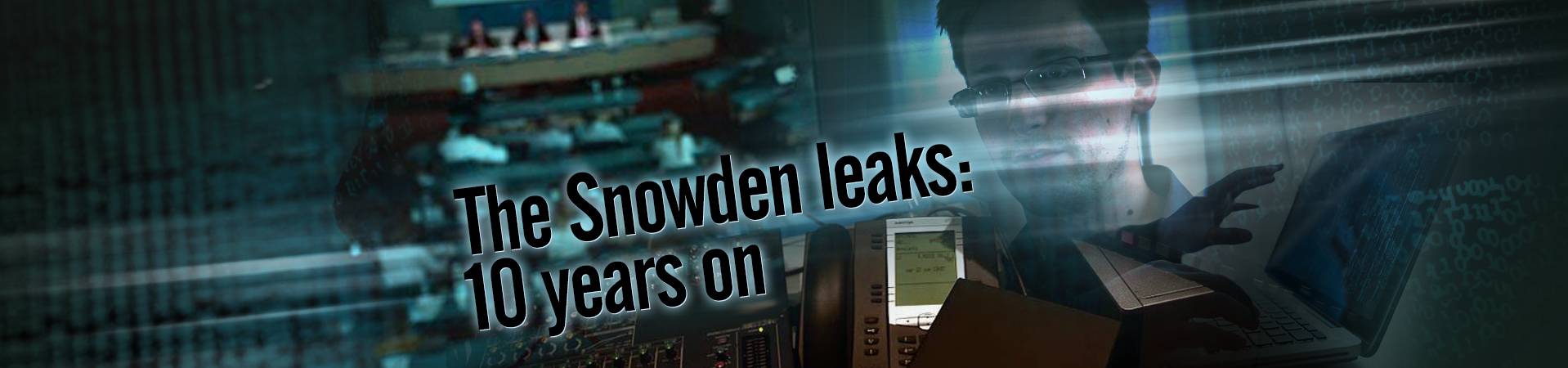
It's been a decade since former CIA contractor Edward Snowden's leaks. Snowden disclosed to the press details of extensive internet and phone surveillance made by American intelligence.
It has been a decade since Edward Snowden's shocking revelations reverberated around the globe, shedding light on the extensive surveillance activities conducted by the United States. However, rather than witnessing a rollback of these practices, the American surveillance empire has stealthily expanded its reach, with military manufacturers entering the fray of the cyber military industrial complex.
Among the most significant programs exposed by Snowden was Prism, an alarming surveillance initiative that brought to the forefront the US government's daily monitoring of phone calls and text messages. Operating under Section 702 of the Foreign Intelligence Surveillance Act (FISA), the National Security Agency (NSA) compelled internet service providers like Google to relinquish users' private information to the US government.
Although originally intended to target foreigners outside the United States, the US government took advantage of Section 702 to amass extensive amounts of personal data from its own citizens.
The impact of Snowden's revelations extends well beyond the borders of the United States. The US even engaged in spying on its allies, as evidenced by its collaboration with the Danish Defense Intelligence Service from 2012 to 2014. Through underwater communication cables passing through Denmark, the NSA gained access to the conversations and network information of European politicians.
The United States made no distinction between allies and non-allies when it came to espionage. Prominent figures like Angela Merkel, former German Chancellor, found themselves among the prime targets. Political figures in France, Sweden, Norway, and other countries were also subjected to interception. This pervasive monitoring left no one immune, prompting French President Emmanuel Macron to express his outrage and condemn such behavior among allies as unacceptable.
Sevim Dagdelen, a member of the German Parliament, said how Edward Snowden opened the world's eyes to the US's disregard for its supposed allies. The revelations exposed the US's sole pursuit of dominance and control, extending its surveillance apparatus to encompass everyone, everywhere, and everything.
Regrettably, a decade after Snowden's leaks, little has changed, if anything at all. The US government made promises of reform but failed to follow through. Recently declassified court records from the Office of the Director of National Intelligence (ODNI) disclosed that the Federal Bureau of Investigation (FBI) conducted over 278,000 searches on a vast digital database without warrants between 2020 and early 2021.
These surveillance tools have been employed to suppress political dissent, scrutinizing hundreds of Americans connected to protests following the killing of George Floyd and those expressing discontent towards US bureaucratic lawmakers during the Capitol incident.
A comprehensive two-year study by Georgetown University revealed that the Immigration and Customs Enforcement (ICE) agency's annual expenditure on surveillance skyrocketed from $71 million in 2008 to a staggering $388 million in 2022. Utilizing utility bills, facial recognition technology, and even vehicle information, ICE has monitored a significant percentage of American adults.
Alarmingly, surveillance technology has now evolved into a deadly weapon. The US Cyber Command has confirmed the nation's military involvement in offensive cyber operations during the Ukraine crisis. Former Secretary of State Hillary Clinton even publicly encouraged American hackers to target Russia. According to projections by the RAND Corporation, the number of US cyber mission force teams with full operational capabilities may reach 167 by 2024, reflecting a 25% increase compared to 2022. China, too, has fallen victim to US cyber warfare, with Chinese authorities reporting the capture of over 42 million malicious computer programs in 2020, the majority originating from the US.
With traditional defense industry players now venturing into the realm of cyberspace, the likes of Lockheed Martin and BAE Systems are at the forefront of implementing cyber programs. This confluence has birthed what is known as the "cyber military industrial complex," as elucidated by Xu Peixi, a professor at the Communications University of China. While the US Congress asserts their actions are driven by national security imperatives, it is evident that financial considerations play a substantial role in their endeavors, said Xu.



Click on the picture above to view the special coverage
Revelations have deep impact on businesses, governments, tech industry
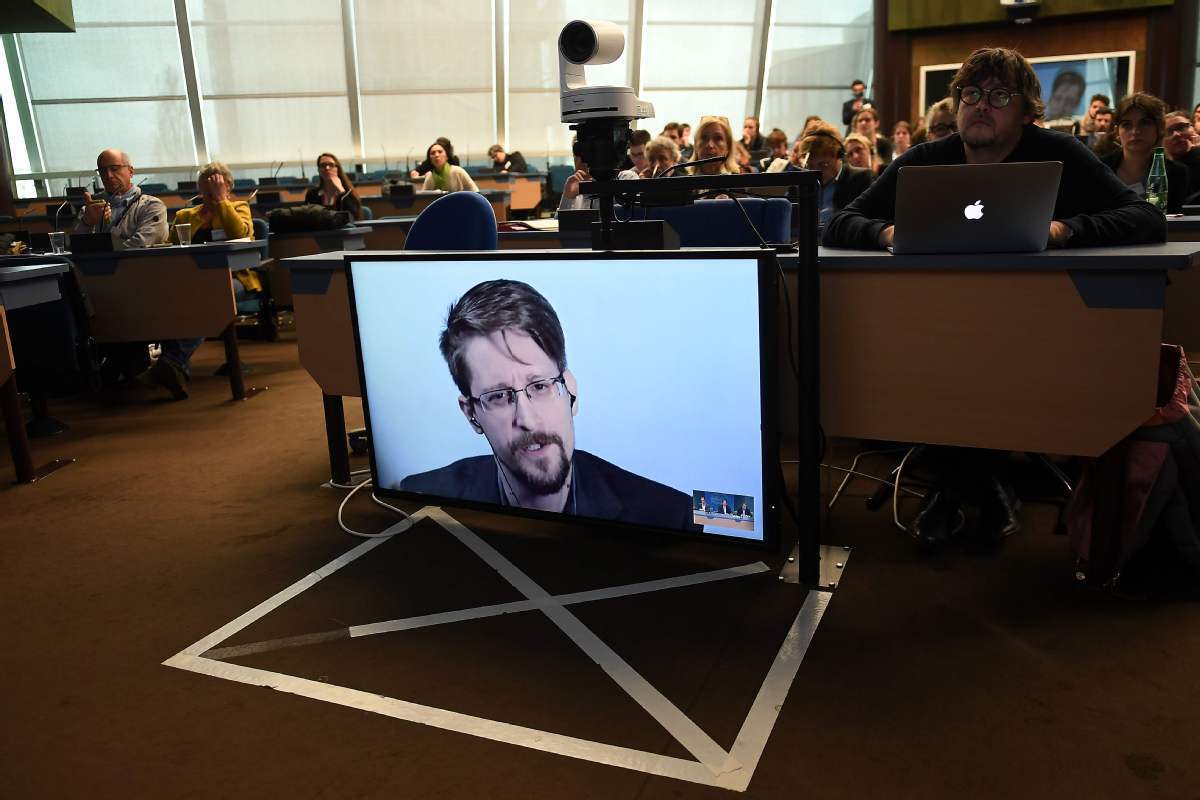
Ten years ago this month, Edward Snowden disclosed to the media United States government intelligence programs that used extensive internet and phone surveillance to collect data.
The former contractor with the US National Security Agency leaked thousands of highly classified documents, revealing the extent of Washington's mass surveillance efforts.
Snowden's disclosures rocked governments, global businesses and the technology world. They also sparked debate on government surveillance, privacy violations and data security.
In the past decade, the "Snowden effect" has had a profound impact on society and the technology industry, with more public attention paid to the US government's abuse of surveillance tools and encryption services.
In a recent report examining Snowden's legacy, the privacy advocacy organization Electronic Frontier Foundation said, "Snowden's revelations acted like a floodlight, allowing everyone to better see and understand what happens inside the black box of government surveillance of millions of innocent people in the US and around the world."
Some observers, including the EFF, are disappointed by how little progress has been made. The programs Snowden pointed out in 2013 are still in operation, and the US government continues to conduct surveillance on foreigners and US citizens under the same legal framework.
The EFF said, "There's still much work to be done to rein in our overzealous national security state, break political gridlock, and end the extreme secrecy that insulates some of the government's most invasive tactics."
Analysts from the group recognized that "some things are undoubtedly better under the intense scrutiny of public attention". For instance, some of the NSA's most egregiously illegal programs and authorities have closed or been forced to end, and the intelligence community has started affirmatively releasing at least some important information.
Five years after the Snowden leaks, the NSA was compelled to delete millions of records in 2018 after it was revealed that some of the data had been collected from phone service providers without legal authority or authorization.
In 2020, Section 215 of the USA Patriot Act — a surveillance law with a rich history of government overreach and abuse — expired due to its sunset clause.
For years, the US government relied on Section 215 to conduct a dragnet surveillance program that collected billions of phone records documenting who a person called and for how long they called them. There was more than enough information for analysts to infer highly personal details about a person, including who they have relationships with and the private nature of those relationships, the EFF said.
In 2015, a federal appeals court held that the NSA's interpretation of Section 215 to conduct this surveillance dragnet was "unprecedented and unwarranted".
The EFF report said: "Outside of government, companies and organizations have worked to close many of the security holes that the NSA abused, most prominently by encrypting the web. But it's not enough — not even close."
Mass surveillance
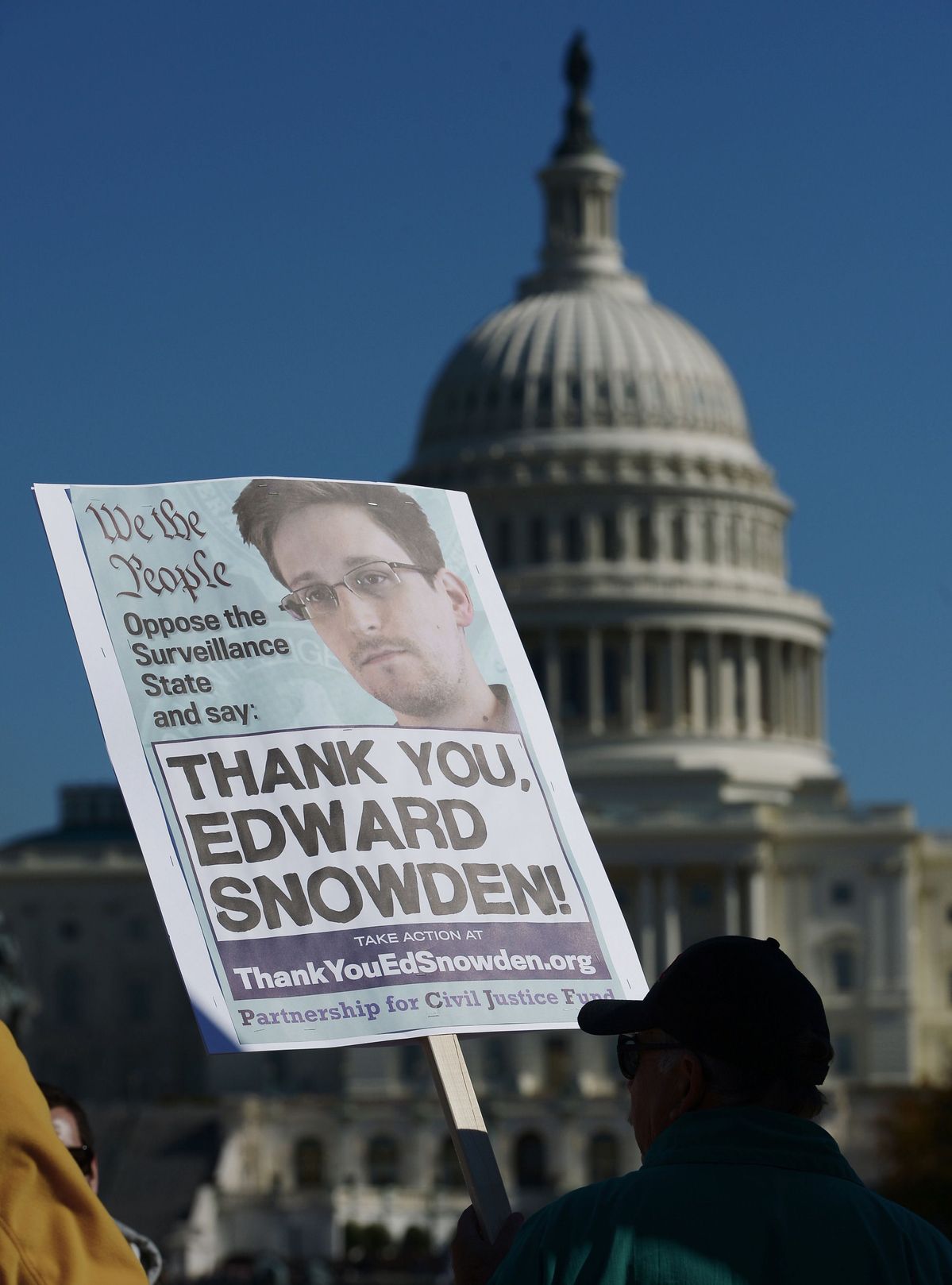
Snowden's leaks revealed numerous global surveillance programs previously unknown to the US public. The programs involved collecting private citizens' emails, search history, phone records and file transfers without their knowledge or court orders. He also exposed the NSA harvesting data from big internet companies, including Google, Facebook and Microsoft.
After fleeing to Hong Kong, Snowden told the media the NSA had led more than 61,000 hacking operations worldwide, including many in China. "We hack network backbones — like huge internet routers, basically — that give us access to the communications of hundreds of thousands of computers without having to hack every single one," he said.
Germany's Der Spiegel magazine reported that the NSA also spied on European Union offices in the US and Europe and ran a continent-wide surveillance program in South America. It also spied on the presidents of Brazil and Mexico.
An analysis by The Washington Post of the Snowden leaks found some 90 percent of those being monitored were ordinary US citizens "caught in a net the National Security Agency had cast for somebody else".
The Snowden revelations named two of the key types of surveillance the NSA conducts — Prism and Upstream.
Through the Prism program, the agency collects internet communications from various US internet companies. The information includes email communication, voice calls, SMS, social media communications, metadata, video calls and search preference.
The Upstream program aims to intercept telephone and internet traffic from the internet backbone — major internet cables and switches, domestic and foreign.
Seven years after Snowden blew the whistle on the mass surveillance programs, the Prism program was ruled unlawful by a US court in 2020.
The US Court of Appeals for the Ninth Circuit said the warrantless telephone dragnet that secretly collected millions of citizens' telephone records violated the Foreign Intelligence Surveillance Act, and that the US intelligence leaders who publicly defended it were not telling the truth.
Although there are legal cases pending against the US government, Prism and Upstream are still in operation under the auspices of Section 702 of the Foreign Intelligence Surveillance Act, which Snowden called out in 2013 for its abuse in spying on US citizens.
Section 702 is a law that allows the government to collect — on domestic soil and without a warrant — the communications of foreign targets who are not protected by the Fourth Amendment, including when those people are interacting with US citizens.
Under that law, the NSA can order companies such as Google to turn over copies of all messages in the accounts of any foreign user and network operators like AT&T to intercept and furnish copies of any phone calls, texts and internet communications to or from a foreign target.
Critics of the law are worried that it also gathers data about US citizens, for instance, when they communicate with people overseas.
The newly unsealed Foreign Intelligence Surveillance Court opinion shows that the Federal Bureau of Investigation, or FBI, has continued to abuse its access to information collected under Section 702, including by searching for activist groups and political campaign donors.
The court document also reveals that the FBI used the warrantless foreign intelligence surveillance authority improperly more than 278,000 times in 2021. US citizens involved in the improper searches include people suspected of taking part in the Jan 6, 2021, attack on the US Capitol and those in the George Floyd protests against police brutality and racism in 2020.
The recent revelation of the FBI's search for those rioters and protesters in the spy database has set back the administration of President Joe Biden's effort to renew Section 702, which was last renewed in 2018 and will expire this year.
The Biden administration has been lobbying Congress for months to renew Section 702 without any changes, saying it is a critical tool for counterterrorism operations, cybersecurity and understanding rivals such as China.
To stop mass surveillance, advocates are calling on Congress to end Section 702 in the autumn so that the Prism and Upstream programs will end along with it.
In an article reflecting on the 10th anniversary of the Snowden revelations, security expert Bruce Schneier said the US government did not play its part in addressing the privacy concerns.
"Despite the public outcry, investigations by Congress, pronouncements by President Obama, and federal court rulings, I don't think much has changed," Schneier, adjunct lecturer in public policy at Harvard Kennedy School, wrote in the article for the Internet Engineering Task Force.
"The NSA canceled a program here and a program there, and it is now more public about defense. But I don't think it is any less aggressive about either bulk or targeted surveillance. Certainly its government authorities haven't been restricted in any way. And surveillance capitalism is still the business model of the internet," he said.

Technology's role
The "Snowden effect" rocked the technology industry after it was revealed that the NSA was tapping into information held by some US cloud-based services through the Prism program.
Google, Cisco and AT&T lost international business due to the public outcry over their roles in the NSA spying. Apple and other Silicon Valley tech giants were accused of knowingly taking part in the secret data collection program.
To regain users' trust, Apple pioneered technological change a year after the leaks by encrypting its services in an attempt to prevent law enforcement from accessing users' data.
The company's encryption methods help protect the contents of the device and prevent federal agents, intelligence agencies and even Apple from accessing any users' data. This measure forces the government to go to the owner of the device, rather than Apple.
The Snowden revelations, especially slides showing the NSA was using the unencrypted traffic between the internal data centers of Google and Yahoo as a point of surveillance, triggered the tech industry into wide encryption.
The use of encryption has become more widespread in recent years and many companies now offer it as a standard feature in their products.
But the recent record-breaking fine levied by European Union regulators against social media giant Meta suggests that the days of the US unlawfully accessing users' personal information via the nation's tech giants are not over.
In May, the European Data Protection Board announced the $1.3 billion fine, saying that Meta violated EU privacy laws by transferring the personal data of Facebook users to servers in the US. Meta is the latest company to face a big penalty for privacy violations under the EU's General Data Protection Regulation. The previous record fine of $805.7 million was levied against Amazon in 2021.
Privacy advocates criticize the US Congress for not taking privacy concerns seriously. The EFF report said, "Congress' relationship to privacy comes when it's politically expedient, and disappears as soon as members feel as if they could be too easily painted as being soft on crime or national security."
Despite calls in recent years for federal legislation to reign in big tech companies, the EFF analysts said they have seen nothing significant in limiting a tech company's ability to collect data (then accessed by the NSA via Prism), or regulate biometric surveillance, or close the backdoor that allows the government to buy personal information rather than obtain a warrant.
"It's been 10 years since the Snowden revelations, and Congress needs to wake up and finally pass some legislation that actually protects our privacy from companies as well as from the NSA directly," they said.
Stephen Farrell, research fellow in computer science at Trinity College Dublin, said far more needs to be done to better protect internet users' security and privacy.
"In particular, we (the technical community) haven't done nearly as good a job at countering surveillance capitalism, which has exploded in the last decade," Farrell wrote in a Snowden retrospective published on May 20.
However, the "legal but hugely privacy-invasive activities" of major tech companies have not caused as much "annoyance" as the Snowden revelations, he said.
Bad actors are not limited to governments, Farrell said. "Many advertising industry schemes for collecting data are egregious examples of pervasive monitoring, and hence ought also to be considered an attack on the internet that ought to be mitigated where possible. However, the internet technical community clearly hasn't acted in that way over the last decade," he said.
"While we got a lot right in our reaction to Snowden's revelations, currently, we have a 'worse' internet."
liazhu@chinadailyusa.com

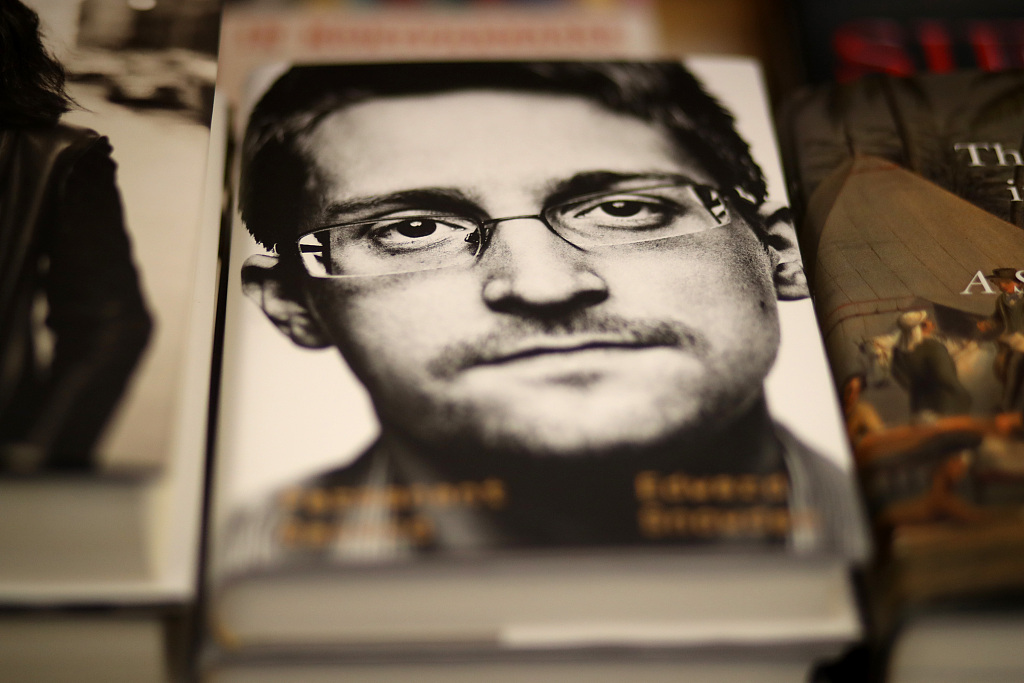
June 21, 1983
Edward Snowden is born in Elizabeth City, North Carolina. He spends his early life there before moving with his parents, Lonnie, a Coast Guard officer, and Elizabeth, known as Wendy, to Maryland.
1991-98
Snowden attends public schools in Anne Arundel County, south of Baltimore, before dropping out of high school in his sophomore year.
1999-2001
During this period, The New York Times reports, he developed a fascination for computers and technology. He registers on the Ars Technica website, a hacking and technology forum. After his parents' divorce in 2001, Snowden lives with his mother in Ellicott City, Maryland.
2002-04
After attending a local community college off and on, Snowden passes a General Educational Development test to receive a high school equivalency credential. In March 2004, he is enlisted in an Army Reserve Special Forces training program. But he breaks his leg in a training accident, and Army records show he is discharged in September. He then lands a job as a security guard at the Center for Advanced Study of Language at the University of Maryland, which has a close relationship with the National Security Agency.
2006
Snowden is hired by the CIA as a technical/IT expert and receives top-secret clearance.
2007-09
Snowden is posted to Geneva, Switzerland, under diplomatic cover as an IT and cybersecurity expert for the CIA, a position that gives him access to a wide array of classified documents.
Late 2009-March 2012
Snowden's supervisor at the CIA places a critical assessment of his behavior and work habits in his personal file and voiced suspicion that he tried to "break into classified computer files to which he was not authorized to have access", The New York Times reports after he is identified as a leaker, quoting two unnamed"senior US officials". Snowden leaves the CIA soon and starts work as an NSA contractor assigned by Dell—one of 854,000 contractors with top-secret clearance working for the federal government. Over the next several years, he switches between assignments with the NSA and the CIA for Dell, including a stint at an NSA facility in Japan that lasts until March 2012.
March 2012
Snowden moves to Hawaii to work at NSA facility as a Dell employee.
Dec 1, 2012
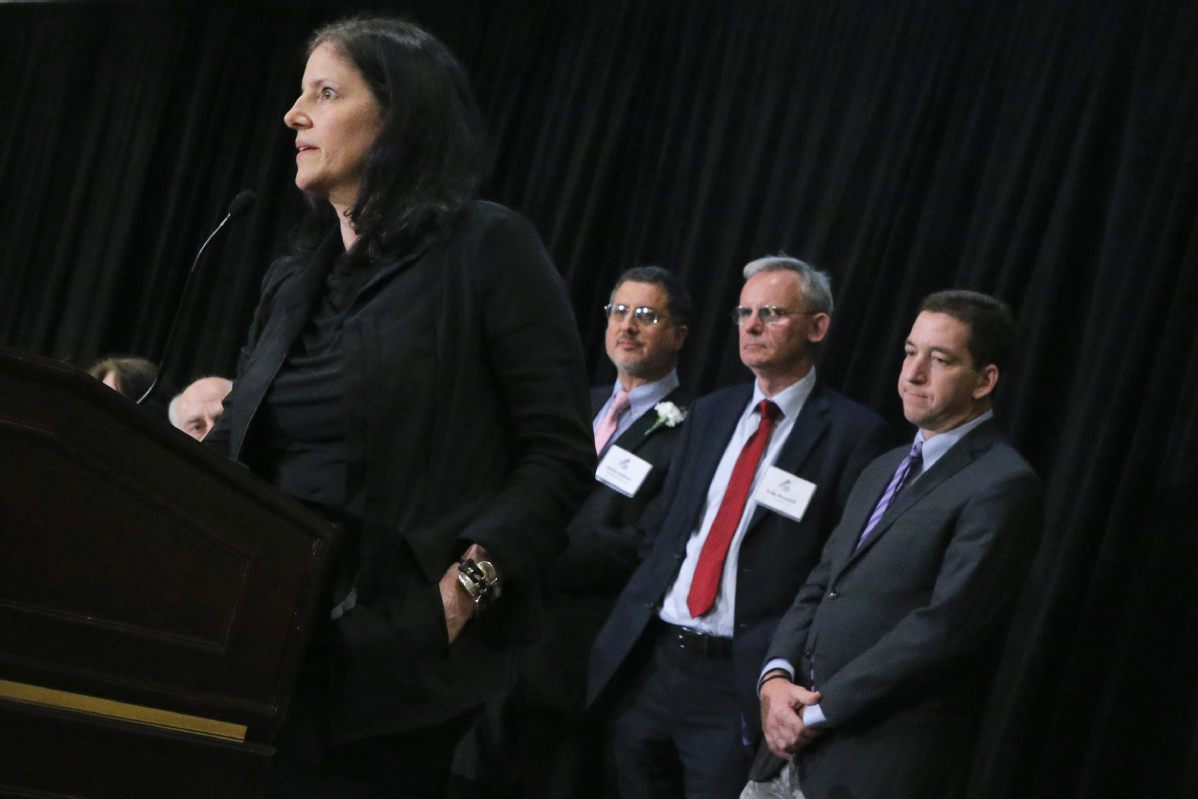
Snowden reaches out to Glenn Greenwald, a lawyer and columnist for The Guardian.

January 2013
Snowden reaches out to Laura Poitras, a documentary filmmaker.
March 2013
He seeks a new contractor job with Booz Allen Hamilton at the same NSA facility in Hawaii.
May 2013
Snowden begins sending some documents to Poitras, Greenwald and to Barton Gellman of The Washington Post.
May 20, 2013
Snowden arrives in Hong Kong from Hawaii.
June 2, 2013
Greenwald and Poitras arrive in Hong Kong.
June 5, 2013
First revelations arising from the documents provided by Snowden are published in The Guardian's article about NSA's collection of domestic email and telephone metadata from Verizon as part of what is later revealed to be an even broader collection effort.
June 6, 2013
The Guardian and The Washington Post each publish an article about NSA program PRISM, which forces biggest US internet companies to hand over data on domestic users.
June 8, 2013
The Guardian publishes NSA slides on Boundless Informant, which shows NSA collected nearly 3 billion pieces of intelligence inside the US in February 2013 alone.
June 9, 2013
The Guardian reveals Edward Snowden as the source of NSA leaks.
June 11, 2013
The European Union demands US assurances that Europeans' rights are not infringed upon by the newly-revealed surveillance programs. Snowden is fired by Booz Allen Hamilton.
June 14, 2013
US Justice Department charges Snowden with theft, "unauthorized communication of national defense information"and "willful communication of classified communications intelligence information to an unauthorized person" — the two charges are violations of the 1917 Espionage Act.
June 23, 2013
Snowden leaves Hong Kong for Ecuador, with a planned stopover in Russia. But he gets stranded at Sheremetyevo International Airport in Moscow after US authorities rescind his passport. He spends the next month living in limbo in the airport's transit center.
Aug 1, 2013
He is granted temporary asylum by Russian authorities as they consider his application for permanent political asylum.
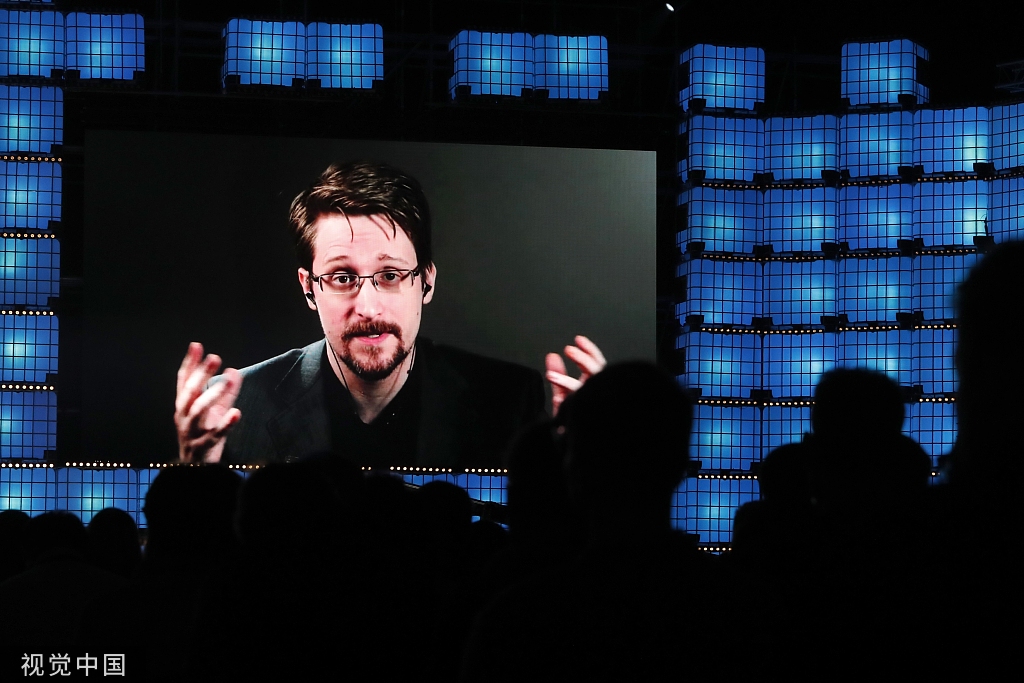
Oct 2, 2013
At a Senate hearing on the Foreign Intelligence Surveillance Act, Director of National Intelligence James Clapper tells lawmakers that Snowden's leaks have aided the US' enemies and "done great damage"to its allies.
Oct 14, 2013
The Washington Post reports the NSA has collected over 250 million email inbox views and contact lists a year from online services, such as Yahoo, Gmail and Facebook. The documents are provided by Snowden.
Dec 16, 2013
US District Judge Richard Leon rules that the NSA's gathering of data on all telephone calls made in the US appears to violate the Constitution's protection against unreasonable searches. But Leon, an appointee of former president George W. Bush, puts his ruling on hold to allow the government to appeal.
Dec 17, 2013
Snowden posts an open letter to Brazil, offering to help investigate US surveillance of Brazilian citizens.
Feb 7, 2014
NBC News reports, based on Snowden documents, that British spies have developed"dirty tricks"for use against nations, hackers, terror groups, suspected criminals and arms dealers that include releasing computer viruses, spying on journalists and diplomats, jamming phones and computers, and using sex to lure targets into"honey traps".
March 6, 2014
The Pentagon might need to spend billions to overcome the damage done to military security by Snowden's leaks of intelligence documents, Army General Martin Dempsey, the chairman of Joint Chiefs of Staff, tells members of Congress at a hearing on the defense budget.

Some call them heroes, many others call them traitors, but all of these figures became famous for providing information, sometimes secretly, in an attempt to expose the people or organizations they worked for. A number of them have even been portrayed in movies. Here are 10 famous whistleblowers in US history compiled by China Daily.
Mark Whitacre
In 1992, the corporate vice-president of Archer Daniels Midland visited the FBI with some potentially damaging information about the company. Mark Whitacre — the subject of the 2009 film The Informant! — soon teamed up with the FBI for a three-year undercover operation to expose the company's price-fixing scheme.
While Whitacre may have been given immunity from actions during his time at the company, he was certainly accountable for the $9 million he embezzled during his undercover role. In the end, Whitacre was sentenced to 9 years in federal prison for those actions, while the longest sentence given to an ADM employee — for the crimes Whitacre brought attention to — was 30 months.
Vera English
While working as a lab technician at a nuclear facility operated by General Electric in the US in 1984, Vera English was alarmed by the frequency of radioactive spillages. English contacted both her supervisor and the Nuclear Regulatory Commission about her concerns, but nothing was done and English was fired shortly after.
After a long legal battle, her Supreme Court case, English v. General Electric Company, set a precedent that allowed whistleblowers to pursue cases under the state law. English's victory also set a precedent for the use of whistleblower protection laws in other nuclear energy cases, and demonstrated how the existing whistleblower laws can be used to protect against corporate retaliation.
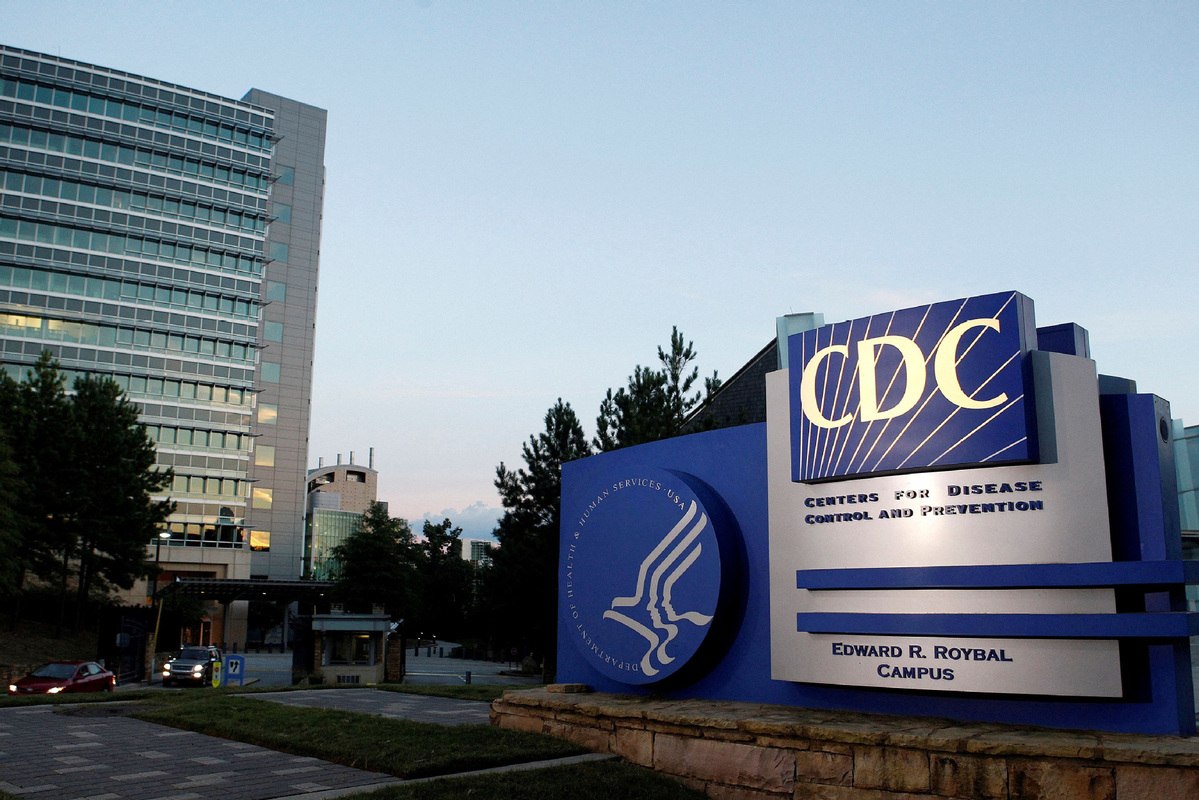
Peter Buxton
As a US Public Health Service, or PHS, disease investigator, Peter Buxton publicly blew the whistle on the Tuskegee Syphilis Study, an unethical medical study conducted by the PHS and the Centers for Disease Control and Prevention, or CDC.
The purpose of the study, which was conducted on poor African-American sharecroppers from 1932 to 1972, was to see what happens when syphilis is left untreated. Despite the widespread availability of penicillin to treat syphilis by 1947, the study continued. By the end of the study, 128 participants had died of syphilis or its complications, 40 of participants' wives were infected, and 19 children were born with congenital syphilis.
Buxton first registered his concerns about the ethics of the experiment in 1966. The CDC, which by then controlled the study, ignored his concerns and reaffirmed the need to complete the study — in other words, to let all of the participants die and conduct an autopsy on them. In 1972, Buxton went to the press. A public outcry ensued that finally led to the review and termination of the study.

Joe Darby
In 2004, army reservist Joe Darby turned in a CD containing photographs of prisoner mistreatment and torture at Baghdad's Abu Ghraib prison to the US Army's Criminal Investigation Division. The photos were aired on 60 Minutes on CBS News and prompted global outrage.
While seven officers at the military prison in Iraq were immediately removed from the site and later tried, Darby's whistleblowing efforts had a much larger effect. While initially members of the Bush administration attempted to paint the photos as actions of a few sadistic individuals, as a result of Abu Ghraib investigations, increased scrutiny of treatment improved prisoners' conditions.
Karen Silkwood
In 1972, Karen Silkwood began working as a chemical technician at the Kerr-McGee nuclear plant near Crescent, Oklahoma. Silkwood joined the local Oil, Chemical & Atomic Workers' Union, and investigated health and safety issues at the plant as a union activist. Silkwood discovered numerous safety issues, including exposure of workers to contamination, faulty respiratory equipment, and more. She testified to the United States Atomic Energy Commission in summer 1974 about her concerns.
Silkwood died in a car accident on Nov 13, 1974, at age 28 under suspicious circumstances. While officials ruled the death as an accident, paint on the rear bumper of her new car and missing documents regarding plant safety caused onlookers to question whether she had been intentionally forced off the road. Silkwood was on her way to meet a New York Times reporter regarding plutonium contamination at the time of her death. In 1975, the Kerr-McGee plant was shuttered, and in 1979, Silkwood's father and children successfully sued Kerr-McGee on behalf of her estate. Meryl Streep was nominated for an Academy Award for her portrayal of Karen Silkwood in the 1984 film, Silkwood.
Edward Snowden
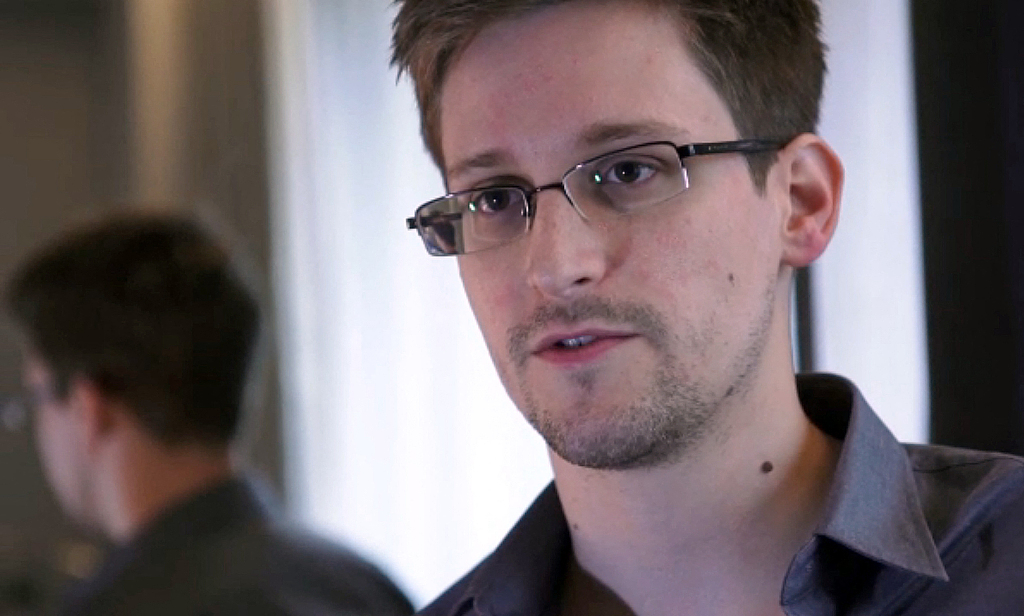
In 2013, Edward Snowden, a former computer intelligence consultant, released documents on top-secret National Security Agency programs to reporters at The Guardian and The Washington Post. Snowden tried to raise his ethical concerns about the global surveillance programs internally but was ignored.
In June 2013, Snowden blew the whistle publicly on the NSA, sparking a debate about privacy and national security. Snowden was charged with violating the Espionage Act, but sought asylum in Russia before he was apprehended. On Sept 2, 2020, a US federal court ruled in United States v. Moalin that Snowden did expose illegal US surveillance behavior. Snowden continues to reside in exile in Moscow.
Daniel Ellsberg
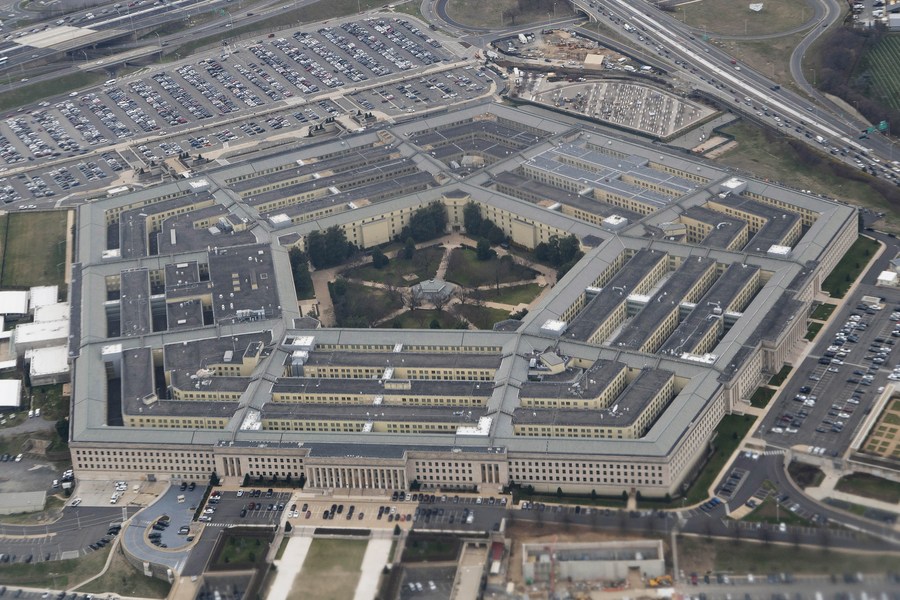
Former US military analyst Daniel Ellsberg Ellsberg leaked the Pentagon Papers, a secret account of the Vietnam War, to The New York Times in 1971. The Pentagon Papers demonstrated that the Lyndon Johnson administration had repeatedly lied to both the public and Congress about the scope and actions of US political and military involvement in Vietnam. Ellsberg, who had worked on the report as an employee of the RAND Corporation, was initially charged with conspiracy, espionage, and theft of government property, but the charges were dismissed when prosecutors investigating the Watergate Scandal found evidence that White House staff had engaged in illegal attempts to discredit Ellsberg.
The release of the Pentagon Papers led to the Supreme Court case's landmark decision in the New York Times v. United States that affirmed the First Amendment right of free press against prior restraint by the government.
Frank Serpico

Frank Serpico was the first police officer in history to openly testify about corruption in the New York Police Department. Serpico worked as a plainclothes detective throughout the 1960s and early 1970s, and, in 1967, he reported police corruption, including bribes and payoffs, to no avail. When his attempts to curb corruption internally failed, Serpico contributed to a 1970 New York Times story on systemic corruption within the NYPD which led to the formation of the Knapp Commission. In 1971, Serpico survived a shot in the face during an arrest in Brooklyn. While there was never a formal investigation, the murky circumstances around the shooting were suspicious, and some allege it was an attempt by his colleagues to get Serpico murdered.
Serpico retired from the NYPD in 1972 and continued to suffer pain and deafness from the shooting. The 1973 film based on his story, Serpico, features Al Pacino in the title role, and a 2017 documentary, Frank Serpico, features Serpico telling his story in his own words.
Chelsea Manning
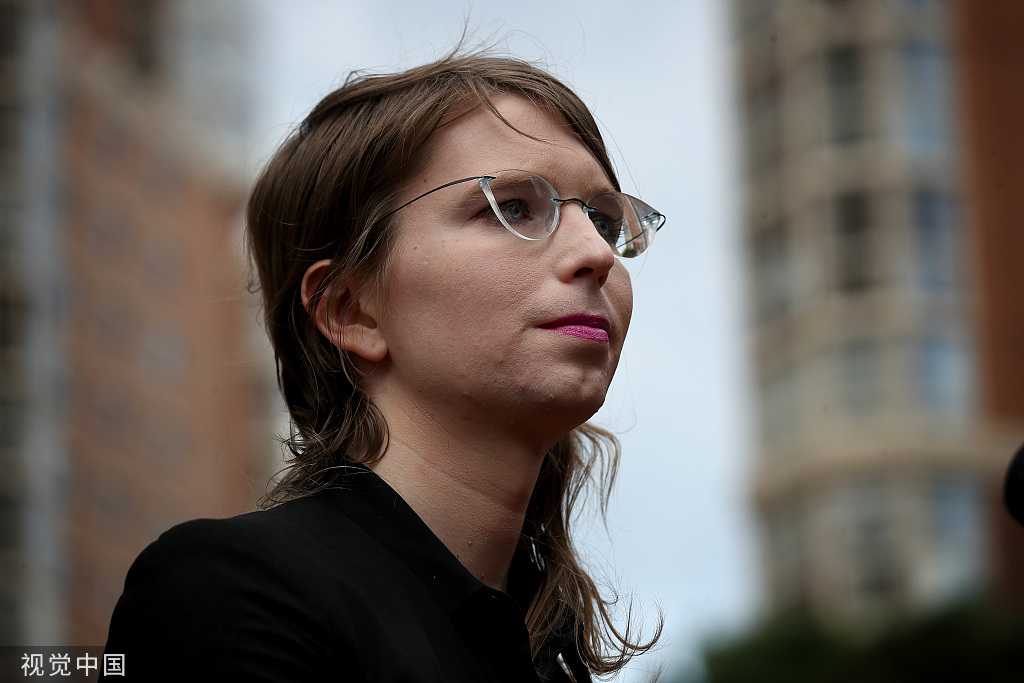
Whistleblowers are often figures of controversy, and Chelsea Manning exemplifies this more than any other figure in recent US history. In 2010, Manning, a US Army intelligence analyst, released the largest set of classified documents in US history, primarily published by WikiLeaks. The trove included documents describing detention, abuse, and torture of prisoners, and more. The leaks sparked a still-ongoing debate about the role of transparency, technology, and ethics in the US military.
Manning was convicted of violating the Espionage Act and sentenced to 35 years in prison, but was unexpectedly granted clemency by then-president Barack Obama during the final days of his administration.

W. Mark Felt (Deep Throat)
For more than 30 years, people speculated about the identity of "Deep Throat", the secret informant of Bob Woodward and Carl Bernstein, The Washington Post reporters who broke the Watergate Scandal in 1972. In 2005, Felt's identity was finally made public. Felt was associate director of the FBI, the second-in-command at the bureau, when he leaked information about then-president Richard Nixon's involvement in Watergate.
While Watergate eventually led to Nixon's resignation and prison terms for two top officials, since the revelation of Felt's identity, historians have debated whether he acted as informant due to ethical concerns, or if it was simply an attempt to get the top job at the bureau. Either way, the decades-long mystery surrounding his identity and the history-making implications of his actions land Felt in the top spot of famous whistleblowers in US history.

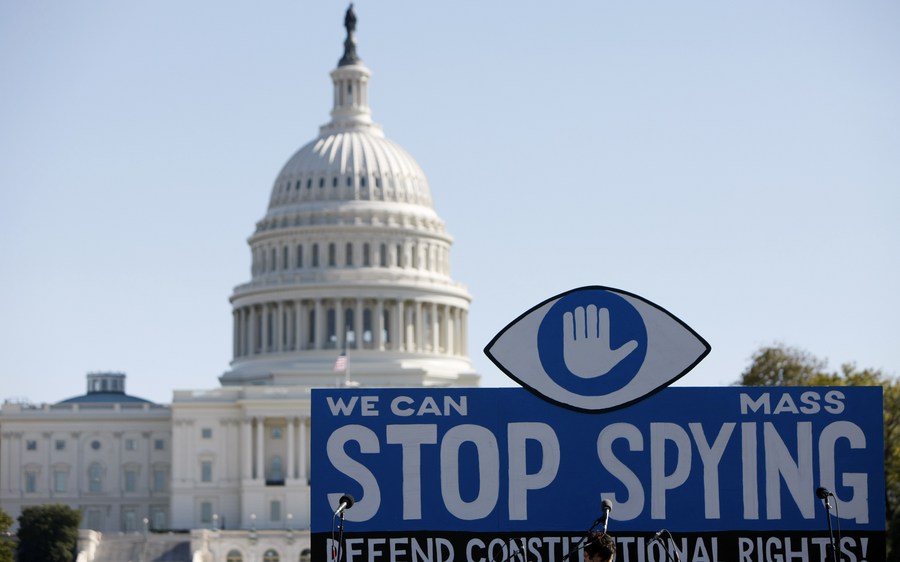
BEIJING -- The United States is notorious for its cyber record. Just ask the National Security Agency, which in 2013 suffered the biggest leak in its history when Edward Snowden, a former CIA contractor, walked out with a vast trove of secret documents.
Snowden disclosed to the press details of extensive internet and phone surveillance by American intelligence. As the scandal widened, multiple media outlets revealed that NSA tapped directly into the servers of internet firms to track online communication in a surveillance program known as Prism.
A decade later, it's the Pentagon in the limelight this time. A set of highly classified documents from the department were leaked online in recent weeks, in an apparent security breach that revealed US intelligence gathering on some of its key allies. South Korea, one of those affected, has played down any possibility of tension, reiterating its "strong" ties with America.
Those documents also reportedly include military assessments on the Ukraine crisis and CIA reports on a range of global issues. The embarrassing leak has endangered intelligence methods, exposed American strategy and undermined trust among U.S. allies, CNBC quoted former defense department officials and intelligence experts as saying.
Surveillance obsession
For years, Washington has been spying on the world through electronic eavesdropping and communication interception, with the targets ranging from what it called "strategic competitors" to its European partners.
Anti-secrecy group WikiLeaks in 2015 released a trove of documents titled "Target Tokyo" detailing systematic mass surveillance the agency undertook of Japanese politicians, ministries and corporations over a number of years.
According to the documents, America had gleaned intimate details of internal Japanese deliberations on trade-related issues, including agricultural imports and trade disputes and positions.
European leaders should not be surprised, either. The Danish state broadcaster DR reported in 2021 that the NSA used a partnership with Denmark's foreign intelligence unit to spy on senior officials of neighbouring countries, including then German Chancellor Angela Merkel.
The findings are the result of a 2015 internal investigation in the Danish Defence Intelligence Service into NSA's role in the partnership, DR said.
According to the investigation, which covered the period from 2012 to 2014, the NSA used Danish information cables to spy on senior officials in Sweden, Norway, France and Germany.
China has been a target too. In September 2022, China's National Computer Virus Emergency Response Center and cybersecurity company 360 respectively released investigation reports on the NSA attacks on China's Northwestern Polytechnical University with aeronautics and space research programs. The reports indicated that the agency's Tailored Access Operations unit mounted hundreds of thousands malicious cyberattacks targeting Chinese objectives.
"No rules"
The United States is sparing no effort to militarize cyberspace, develop offensive cyber capabilities, and create systematic cyberattack platforms. In 2017, cyberspace was officially listed alongside the sea, land, air, and space as the "fifth domain" of the U.S. military.
The aim is thinly veiled: to maintain America's hegemony. Analysts say that cyber warfare is one of the tools used in its "hybrid warfare." Like economic sanctions, terrorist activities, psychological warfare, and military actions, it is a means by which the United States interferes in other countries and achieves its own political goals.
In seeking its own absolute security, the United States flagrantly violates the sovereignty of other countries' cyberspace and undermines their information security. This seriously hinders the efforts of the international community to maintain cybersecurity and data security, disrupts the international order in cyberspace, and undermines global strategic stability.
Andrey Krutskikh, former director of the Department of International Information Security at the Russian Ministry of Foreign Affairs, said that the United States and other Western countries are militarizing cyberspace, attempting to turn it into a stage for interstate confrontation, which exacerbates the risk of direct military conflict and can lead to unpredictable consequences.
Speaking of "Target Tokyo," Julian Assange, founder of WikiLeaks, said the revelations should not come as a surprise, given the track record of the United States as a global surveillance superpower.
"In these documents we see the Japanese government worrying in private how much or how little to tell the United States, in order to prevent undermining of its climate change proposal or its diplomatic relationship," Assange said in a statement.
"And yet we now know that the United States heard everything and read everything, and was passing around the deliberations of Japanese leadership to Australia, Canada, New Zealand and the UK. The lesson for Japan is this: do not expect a global surveillance superpower to act with honor and respect. There is only one rule: there are no rules."

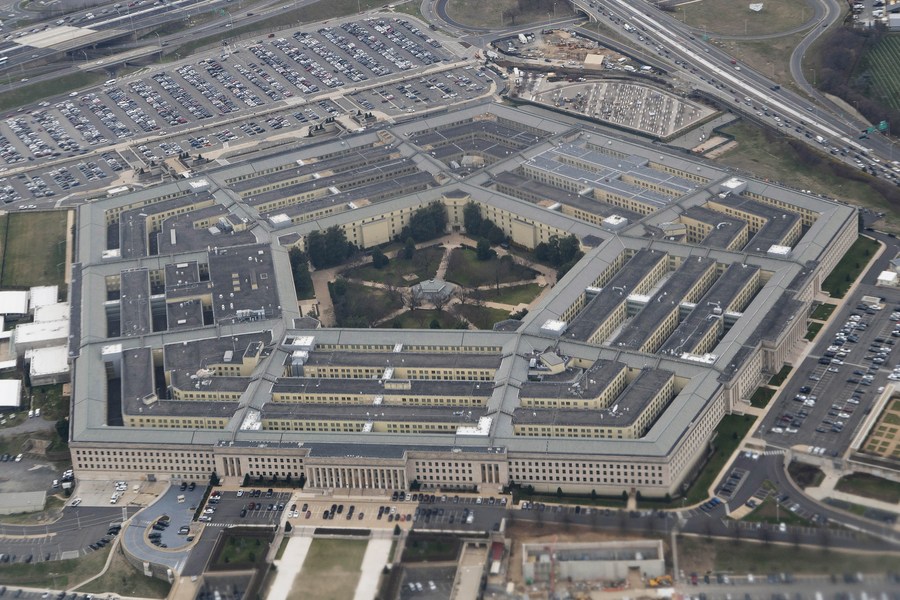
In an interview with Fox News that aired on Monday night, Twitter CEO Elon Musk said that the US government has full access to everything on the platform, including direct messages between users.
"The degree to which government agencies effectively had full access to everything that was going on Twitter blew my mind," Musk told Fox News anchor Tucker Carlson, adding that he "was not aware of that" until he gained full control of the social media platform last October.
One marvels at his naivety, since the US government has an infamous record of such snooping. It is well-evidenced that it conducts both large-scale indiscriminate and discriminate drag netting of the data of not only its own citizens but also other users of US social media, as well as clandestinely eavesdropping on foreign governments, businesses, and individuals, including those of its allies. Recently leaked highly classified Pentagon documents show that the US has been a bugbear for supposed foes and allies alike, including the leaders of the Republic of Korea, Ukraine and Israel.
With Musk revealing that all the content on Twitter is transparent to US intelligence agencies, it is clear why there is such a clamor in Washington accusing TikTok of such practices. They want to bring the app within the scrutiny of the US' prying eyes.
Since the Prism Project was launched in 2007, something that was made public thanks to Edward Snowden's courage in 2013, exposures of the US poking its nose into the private affairs of others have become commonplace. The US behavior is both that of a voyeur that can get no satisfaction unless uncovering others' secrets and that of a tyrant who wants everything under his thumb. Its motivation is clear: It wants to be all-seeing, all-hearing and all-knowing so it can reinforce, maintain and perpetuate its hegemony.
Since the cyber hounds and their overseers in Washington love their acronyms, they should give themselves a pat on the back as the USA now stands for the Universal Spying Agency.
And that frisson of excitement can be a thrill for both the Democrats and Republicans because, although the administration has supposedly changed its spots four times since the Prism project was launched, the US snooping has persisted unabated.
With its voyeurism now compulsive, Washington regards it as a normal behavior and thus assumes it is something everyone is doing. That is why it makes unsubstantiated claims that other governments have direct access to app users' data, especially users of Chinese apps.
The US always accuses others of wrongdoings that it is doing itself. Its snooping is another example of that.

Snowden just held a mirror to the US surveillance state.
Instead of making amends, the US went after him so fiercely that he had to seek Russian citizenship.
Makes one wonder what the CIA and NSA are doing every day.
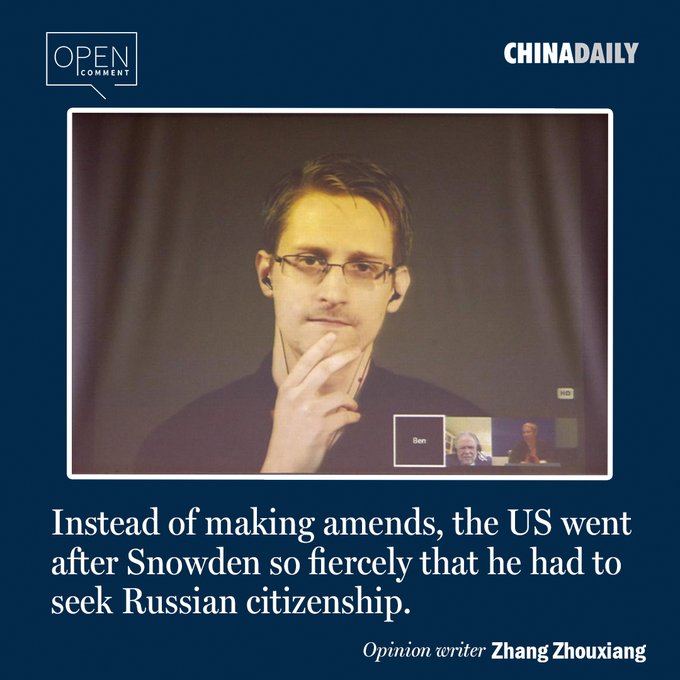


Russian President Vladimir Putin on Monday granted Russian citizenship to former US intelligence contractor Edward Snowden, who exposed massive surveillance operations by the US National Security Agency and was granted refuge by Moscow.
A presidential decree published on Monday included Edward Joseph Snowden on a list of newly minted Russian citizens, at a time when relations between Washington and Moscow are at historic lows over the conflict in Ukraine.
Snowden, 39, has been living in Russia since 2013 to escape prosecution in the United States, where the authorities have for years wanted him returned to face a criminal trial on espionage charges.
While Snowden is considered by supporters to be a righteous whistleblower who wanted to protect civil liberties in the US, intelligence officials there have accused him of putting US personnel at risk and damaging national security. He faces charges in the US that could result in decades in prison.
Snowden leaked documents on the National Security Agency's collection of data passing through the infrastructure of US phone and internet companies. He also released details about the classified US intelligence budget and the extent of surveillance on foreign officials, including the leaders of US-allied countries.
Snowden said he made the disclosures because he believed the US intelligence community had gone too far and wrongly infringed on civil liberties. He also has said he didn't believe the administration of president Barack Obama, which was in office when Snowden leaked the records to journalists, would act had he made an internal whistleblower complaint instead.
In 2020, Snowden said that he and his then-pregnant wife were applying for Russian citizenship in order not to be separated from their future son in an era of pandemics and closed borders.
Russia granted him permanent residency rights the same year, paving the way for him to obtain citizenship.
"After years of separation from our parents, my wife and I have no desire to be separated from our sons," Snowden, whose name appeared on a list of 72 foreign-born individuals for whom Putin was granting citizenship, said on Twitter on Monday. "After two years of waiting and nearly 10 years of exile, a little stability will make a difference for my family. I pray for privacy for them — and for us all."
Kremlin spokesman Dmitry Peskov told news agencies that Snowden had received Russian citizenship as a result of his own request.
US State Department spokesman Ned Price said on Monday: "Our position has not changed", adding that "Mr Snowden should return to the United States where he should face justice as any other American citizen would."
Putin's decree to grant Snowden citizenship quickly led to quips on social media that the whistleblower will soon be conscripted into the Russian army to fight in Ukraine as part of the country's nationwide partial mobilization campaign.
Snowden's Russian lawyer Anatoly Kucherena told the state news agency RIA Novosti that his client could not be drafted in the mobilization because he has not previously served in the Russian armed forces. The lawyer added that Snowden's wife, Lindsay Mills, was also applying for Russian citizenship.
Agencies contributed to the story.

A Trojan horse program that is believed to have been planted by the United States National Security Agency has been found in hundreds of key information systems in China. The possible leak of information may have already occurred, a leading cybersecurity expert said on Wednesday.
In a report published by internet security company 360 Security Group's WeChat public account on Wednesday, the Trojan horse program "validator" was described as an "advanced troop in US cyberattacks against China". It was first discovered in a key information system of a Chinese research institute.
According to files leaked by former NSA contractor Edward Snowden, validator is part of a backdoor access system under NSA's FoxAcid cyberattack platform.
The Trojan implant provides unique backdoor access to targeted computers. The program, which can be deployed remotely, targets Windows operating systems from Windows 98 through Windows Server 2003.
Once the computer is successfully attacked by validator, it secretly calls back to a FoxAcid server, which then performs additional attacks on the target computer to ensure that it remains compromised long-term, and continues to provide eavesdropping information back to the NSA, an affiliate of the US Department of Defense.
Upon the discovery of validator, 360 then launched a nationwide screening. Its result showed that different versions of validator had existed in hundreds of key information systems in China for a long period of time. Furthermore, possible leaks may have already occurred, the company said in the report.
It added that validator may still be operating in some computers and continuing to send key information back to the NSA.
Also on Wednesday, China's National Computer Virus Emergency Response Center said in an analysis published on its official website that a number of Chinese research institutions have found traces of validator, which means that they may have become the targets of an NSA cyberattack.
What's more, special FoxAcid servers have been set up to carry out attacks particularly targeting China and Russia, according to the analysis.
Currently, FoxAcid remains a key cyberattack platform for Tailored Access Operations, the cyberwarfare intelligence agency under the NSA, to carry out cyberespionage operations against other countries, it added.
The center warned that governments, research institutes and businesses in other countries should also watch out for FoxAcid, which can attack any computer that is connected to the internet. Besides information theft, such attacks could also paralyze key information systems.
cuijia@chinadaily.com.cn




