
The China Story
at your Fingertips
OPEN

"Song of Our Homeland" China-ASEAN International Media Tour 2023 visits Indonesia and Singapore.
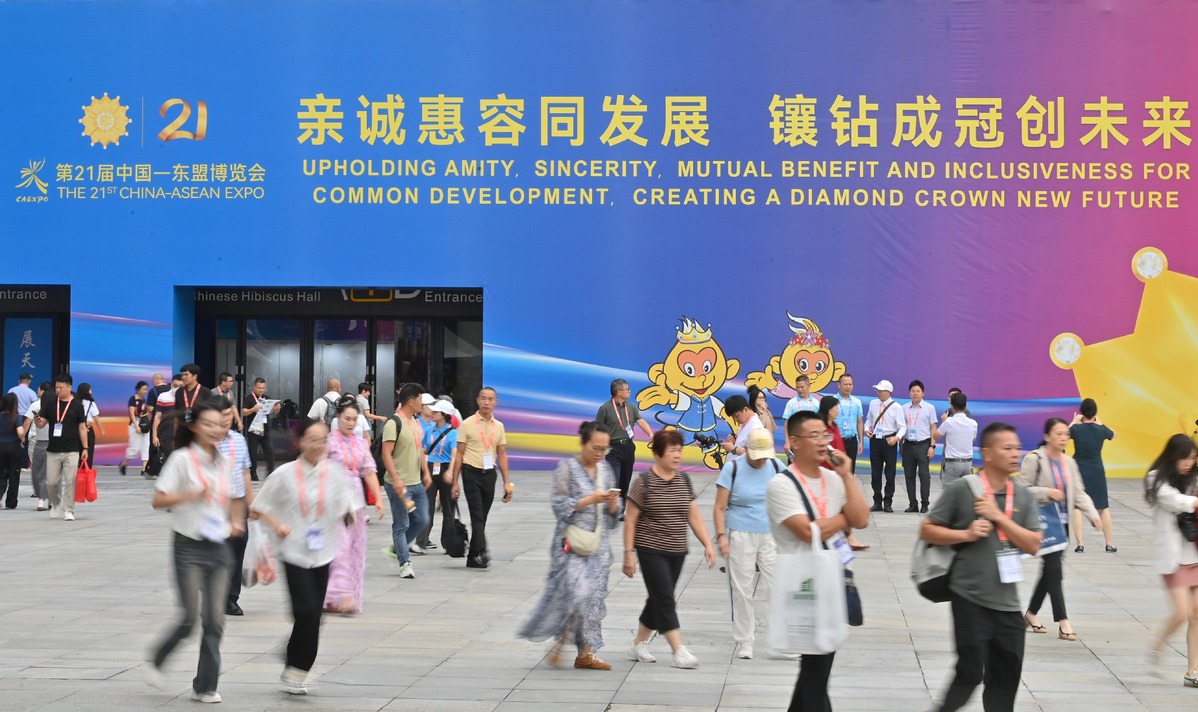
Over the past decade or more, under the strategic guidance of the leaders of China and ASEAN countries, China and ASEAN have jointly crafted a new chapter of practical and friendly cooperation. Since the establishment of the China-ASEAN comprehensive strategic partnership in 2021, significant progress has been achieved in advancing the China-ASEAN community with a shared future.
As China and ASEAN continue to enhance political mutual trust, bilateral exchanges and cooperation are also intensifying in various fields. Looking at the economic relationship between China and ASEAN, China has been ASEAN's largest trading partner for 15 consecutive years, and ASEAN has been China's largest trading partner for four consecutive years. Bilateral trade has not only promoted economic growth on both sides, but also provided new impetus and opportunities for Technological and Vocational Education and Training (TVET) development and cooperation.
Leaders of China and ASEAN countries highlighted on many occasions the importance of TVET development and international cooperation in improving national education level, adapting to the demand of globalized labor market and promoting economic development and technological innovation, and expressed the intention to strengthen practical cooperation in the field.
Particularly in recent years, China and ASEAN are collaborating wholeheartedly to enhance connectivity. Magnificent projects like the Jakarta-Bandung High-Speed Railway have been implemented and put into service, thereby escalating the demand for talents armed with an international perspective and professional skills.
At the end of 2023, China Daily and the ASEAN-China Centre organized The "Song of Our Homeland" China-ASEAN International Media Tour, which was launched at the Halim Railway Station of the Jakarta-Bandung High-Speed Railway in Jakarta, Indonesia. Coinciding with the 10th anniversary of the Belt and Road Initiative, the event aims to showcase the achievements of Chinese enterprises going overseas and tell stories of mutual benefit between China and ASEAN. They reported on key projects of Chinese enterprises such as Cainiao Cikarang Logistics Park in Indonesia, Singapore Meetsocial, vivo Indonesia, and Sensetime International in Singapore.
The voices of those Chinese brands on the international stage all tell the same story of how the Belt and Road Initiative has benefited people in participating countries and provided more job opportunities for the locals. All these projects not only support the local economy but also create employment opportunities for locals in various roles such as production, technical, engineering, and managerial positions, thus necessitating in-depth Technological and Vocational Education and Training (TVET) cooperation between China and ASEAN.
Since 2021, China-ASEAN education cooperation has entered the stage of high-quality development with deepening educational cooperation at all levels and fruitful outcomes yielded in talents cultivation and sci-tech collaboration. In 2023, ASEAN students take up almost 30% of the total number of international students in China and the number of Chinese students studying in ASEAN countries returns to the pre-pandemic level. Both sides are joining hands to move toward a more innovative, inclusive and sustainable educational partnership.
Facing a changing manufacturing landscape and increasing demand for skilled workers, the Chinese government is calling for investment in vocational education and looking for its partners in ASEAN to create a regional development community for deeper cooperation on vocational training and economic integration.
As China's latest initiatives in vocational education, including such concepts of "integration of industry and education", "integration of science and education", and "integration within vocational education" are widely accepted by ASEAN countries, we should further enhance cooperation in the following three aspects:
First, further synergize policies and resources for ASEAN-China educational cooperation, especially in critical areas such as vocational education. Second, continue to innovate brand programs in ASEAN-China vocational education cooperation to set more exemplary models and best practices in this area. Third, further enrich channels and deepen exchanges among youth, especially in areas related to pragmatic social development, so as to inspire the youth to discover, reflect on, and showcase the vivid bonds between ASEAN and China.
Zhang Yuyan is a deputy researcher at School of Foreign Languages, Remin University of China. Zhou Tongyao is a lecturer at Shijiazhuang Information Engineering Vocational College. The views don't necessarily reflect those of China Daily.
If you have a specific expertise, or would like to share your thought about our stories, then send us your writings at opinion@chinadaily.com.cn, and comment@chinadaily.com.cn.




China as the significant AI powerhouse in Asia
Artificial Intelligence (AI) is the most prominent technology in today's digital era. Its applications have literally transformed every aspect of human daily life. From a global perspective, the development of powerful AI technology is a landmark sign to showcase a nation’s technological influence, power and strength. From a common perspective, modern AI technologies are simply too useful in making our lives more convenient. For example, the introduction of a generative AI model known as ChatGPT by OpenAI has revolutionized the human-AI interaction in addressing human’s daily challenges. The AI chatbot has simplified the human quest for answers via the implementation of sophisticated Natural Language Processing (NLP) technology. Since its launch in 2022, ChatGPT has swiftly captured the attention of the global population; and has more than 180 million users.
China and India are two major technology powerhouses in Asia. In 2017, China has unveiled the New Generation Artificial Intelligence Development Plan as a blueprint for a complete ecosystem for the nation to achieve the ambitious goal of becoming the world's leading AI center by 2030. Besides, numerous Chinese cities have introduced their own AI initiative to create AI hubs. To date, China is the home to some of the world’s biggest and most valuable technology titans such as Alibaba, Baidu, ByteDance, Tencent, and Xiaomi. These tech giants have developed some of the most widely used digital applications in social media, e-commerce and retail. One notable example is TikTok, a famous video creation and sharing apps which created an instant popular hit among the global youth population upon its launch. Accordingly, its huge popularity leverages the app's easy-to-use editing functions and its viral content.
AI development in ASEAN
Southeast Asia has experienced rapid digitalization after the COVID-19 pandemic. ASEAN countries have emphasized the development of AI to different degrees and sectors. For example, Singapore has rolled out an ambitious AI Investment Plan that involves more than $1 billion in AI technology development over the next five years, Vietnam has adopted AI technology to strengthen tax compliance, Thailand leverages AI technology to address its traffic issue while Indonesia utilizes AI technology in health and agriculture. Despite the robust AI deployment, AI adoption at ASEAN remains at an early stage. A sustainable young AI talent pool management, support for a formidable digital literacy rate and digital skill upskilling initiative among ASEAN young population remain several important issues to be dealt with. Therefore, international collaboration plays a critical role to overcome these challenges and then harness this transformative technology successfully.
In the ASEAN Ministerial Meeting on Science, Technology and Innovation (AMMSTI) held in June 2024, several landmark notes were achieved. Among them, the meeting has recognized the significant transformative potentials of AI as one of the important drivers of technological advancement and innovation., echoed the significance of promoting a culture of innovation, entrepreneurship and collaboration among ASEAN members in harnessing the potential of emerging technologies that include AI in addressing the common challenges and opportunities in different areas such as healthcare, education, information, etc, as well as commits to fostering collaboration and partnership among ASEAN member states, and Dialogue Partners to share knowledge, expertise and resources and to promote collaborative research and innovation in AI and related fields.
Scientific cooperation between China and ASEAN
China is playing an increasingly critical role in the ASEAN bloc. The country is now a full Dialogue Member of ASEAN and intensive cooperation mechanisms in economy, culture and science between China and ASEAN countries are functioning smoothly. Currently, there are five parallel frameworks for dialogues between China and ASEAN, which include the China-ASEAN Joint Committee on Scientific and Technological (S&T) Cooperation. Some meaningful existing S&T collaboration initiatives include the 11th Forum on China-ASEAN Technology Transfer and Collaborative Innovation 2023, which was held in Nanning, China to deepen regional cooperation in science, technology and innovation. The Artificial Intelligence Development and Cooperation Initiative towards ASEAN and the Work Plan for China-ASEAN Exchange and Cooperation on Science Popularization were released at the conference. The conference also featured the 5th 10+3 Young Scientist Forum and the maiden Forum on China-ASEAN Artificial Intelligence Cooperation.
Joint cultivation of young AI talent is a critical scope of China-ASEAN collaboration. The 10+3 Young Scientist Forum presents an essential platform to advocate mutual scientific collaboration among young scientists from ASEAN countries, China, Japan and the Republic of Korea. Besides, China’s Ministry of Science and Technology has strengthened the collaboration via the Talented Young Scientist Program and other nation-specific joint collaboration initiatives. The Talented Young Scientist Program has supported 145 researchers from ASEAN countries to be involved in yearlong scientific research in China. Meanwhile, more than ten joint R&D platforms have been established such as the China-Indonesia Joint Laboratory of Biotechnology and the Laos-China Joint Laboratory for Renewable Energy Utilization and Development with the aim of promoting technology transfer in the ASEAN region.
China-ASEAN youth exchange
In August 2024, the China-ASEAN Youth Exchange Camp was officiated at Xiamen University’s Science and Technology Centre. The program has seen the arrival of 24 youths from ASEAN countries in China to promote mutual understanding, visit digital corporations and hold collaborative discussions. The event fosters close interaction among the youths from this region and solidify the foundation for long-term academic partnership through other Chinese initiatives such as the China CSC Scholarships that offers a pathway for overseas students to come and study in Chinese prestigious universities. However, many youth exchange programs are mainly introduced to enhance cultural interaction and understanding with the host country. To date, there is a lack of well-coordinated S&T-focused exchange programs that can encourage direct technology transfer between China and ASEAN though.
A closer example of an AI-related exchange event organized by China is the 2024 Future Close-Up, which was launched in Beijing on June 14. The exchange welcomes the youth participants from 21 countries that includes China, the United States, Russia, Germany, Thailand and etc. The program has visited China’s AI hubs in Shenyang and Xiong’an. For instance, China is the third largest source of foreign direct investment (FDI) inflows into ASEAN nations with an astonishing FDI of US$18.65 billion. Furthermore, China has established more than 6,500 directly invested companies in ASEAN, employing more than 660,000 foreign employees throughout the years. In total, the cumulative two-way investment between China and ASEAN countries have exceeded US$380 billion as of 2022. Intuitively, a similar youth exchange program can be developed for ASEAN youths to contribute to a win-win situation between China and the ASEAN bloc.
In 2022, the Regional Comprehensive Economic Partnership (RCEP) was officially launched. The partnership aims to broaden the engagement between ASEAN and other Asia-Pacific partners (Australia, China, Japan, South Korea, and New Zealand) to enhance economic development and strengthen the trade linkage. Several important coverages of RCEP includes the economic and technical cooperation and intellectual property. By leveraging on the flourishing economic partnerships and bilateral cultural activities, a dedicated China-ASEAN youth exchange in the area of AI will be beneficial in sustaining the digital economy that has thrived under the RCEP. As such, the mentioned youth exchange shall contribute to the following aspects:
?Accelerating AI knowledge sharing and transfer: ASEAN Member States have demonstrated obvious disparities in their preparedness for AI technology. While developed states such as Singapore are well-poised to embrace the latest AI adoption, other developing countries such as Malaysia and Vietnam are eagerly formulating their AI development plans. Therefore, directions and strategic references are precious. Youth exchange initiatives from China will help in widening the horizon of ASEAN youths, especially those from developing countries from an academic perspective. Through digital corporate visits and university lectures, the youth is exposed to the latest updates in AI technological development while narrowing the gaps between youth from different ASEAN countries.
Promoting continuous AI and digital literacy enhancement: Rapid AI development has propelled automation. To adapt to the new digital trend, the importance of AI and digital literacy, especially among the youth, has been iteratively highlighted. Specifically, good digital literacy shall reflect the youth’s capability to perform data analysis, demonstrate a critical understanding of the machine learning operations and some degrees of technical programming skills. Meanwhile, AI literacy refers to the need of an individual to acquire the necessary knowledge and skills to engage with AI systems. AI and digital literacy enhancement efforts via educational activities during the youth exchange can foster a vibrant bilateral learning culture. As a result, a higher digital literacy rate among the youth will help prepare ASEAN for better AI readiness.
AI skills upskill and reskill training for better employment: As the arrival of AI has revolutionized the traditional employment landscape, technical skills have become a deciding factor in securing good employment regardless of industry sector. Thus, AI skills upskill and reskill training are vital to ensure the youth is fully prepared to meet the market needs and fulfill the job responsibilities. While there are lots of upskill and reskill training available, many are subscription-based training which might not be accessible to youth. In recognition of this situation, government initiatives play a critical role in supporting the youth's educational enrichment. Specifically, AI training during the youth exchange by AI experts in China will provide a useful channel for ASEAN youths to upgrade their technical proficiency.
Youth awareness of AI governance and ethics
During the AMMSTI 2024 ministerial meeting, several notes on AI governance and ethics have been emphasized. The Meeting has commended the launch of the ASEAN Guide on AI Governance and Ethics. The guide is utilized as a foundational document to guide the effective governance of AI in the region and balance the economic benefits of the rapidly advancing AI technology and its associated risks. By including the use cases for trustworthy AI, the guide will serve as a practical and actionable tool to facilitate the design, development and responsible deployment of AI technologies in the region. Besides, the Meeting has established a Working Group under the ASEAN Digital Senior Officials’ Meeting (ADGSOM) on AI Governance, which is aimed at addressing pertinent issues concerning AI governance, including the governance of generative AI and fostering safe, responsible and ethical use of AI.
As such, awareness of global AI governance and ethics has caught the attention of policymakers after witnessing the rapid development pace of AI, especially generative AI, which has exhibited a transformative impact on human daily lives. Advanced countries like China have adopted AI technology early and thus, have greater experiences in addressing more comprehensive AI governance and ethics. For example, several Chinese bureaucratic bodies such as the Ministry of Industry and Information Technology (MIIT), Ministry of Science and Technology (MOST) and Cyberspace Administration of China (CAC) have introduced national-level policy documents that target AI or algorithms for regulation or governance. Similar AI governance and ethical awareness promotion among the youth is essential for ASEAN countries to position AI within the ASEAN’s Digital Integration Frameworks.
Increased youth participation support on AI governance framework formulation can effectively promote the youth’s recognition, motivation and knowledge in this area. Currently, some initiatives have been carried out in the Council of Europe, such as the Declaration on Youth Participation in AI Governance. However, there is no similar youth exchange on AI governance and ethics being implemented between China and ASEAN so far. Sharing of AL governance and ethics policy know-how with the ASEAN youth will definitely create a safer AI culture that is friendly to the future digital economy and societal development. In addition, seminars and educational activities on AI governance and ethics can be included during the China-ASEAN youth exchange program. This will encourage the empowerment of youth to engage in identifying and developing solutions based on AI technologies that can further improve their quality of life and sense of responsibility.
Conclusion
Retrospectively, China and ASEAN have shared long historical and cultural interactions. Collaborations are further strengthened through the Belt and Road Initiative (BRI). Hence, there are still a lot of room and opportunities to create closer S&T collaborative synergy between youths in China and ASEAN. In addition to the academic and cultural visits, China-ASEAN youth exchange can create a platform for the youths to exchange their ideas, knowledge and skills with financial and educational support from the governments.
Gan Hongseng is an Associate Professor at the School of AI and Advanced Computing, Xi’an Jiaotong – Liverpool University, Taicang, China; PhD and Master Supervisor.
The views don't necessarily reflect those of China Daily.
If you have a specific expertise, or would like to share your thought about our stories, then send us your writings at opinion@chinadaily.com.cn, and comment@chinadaily.com.cn.

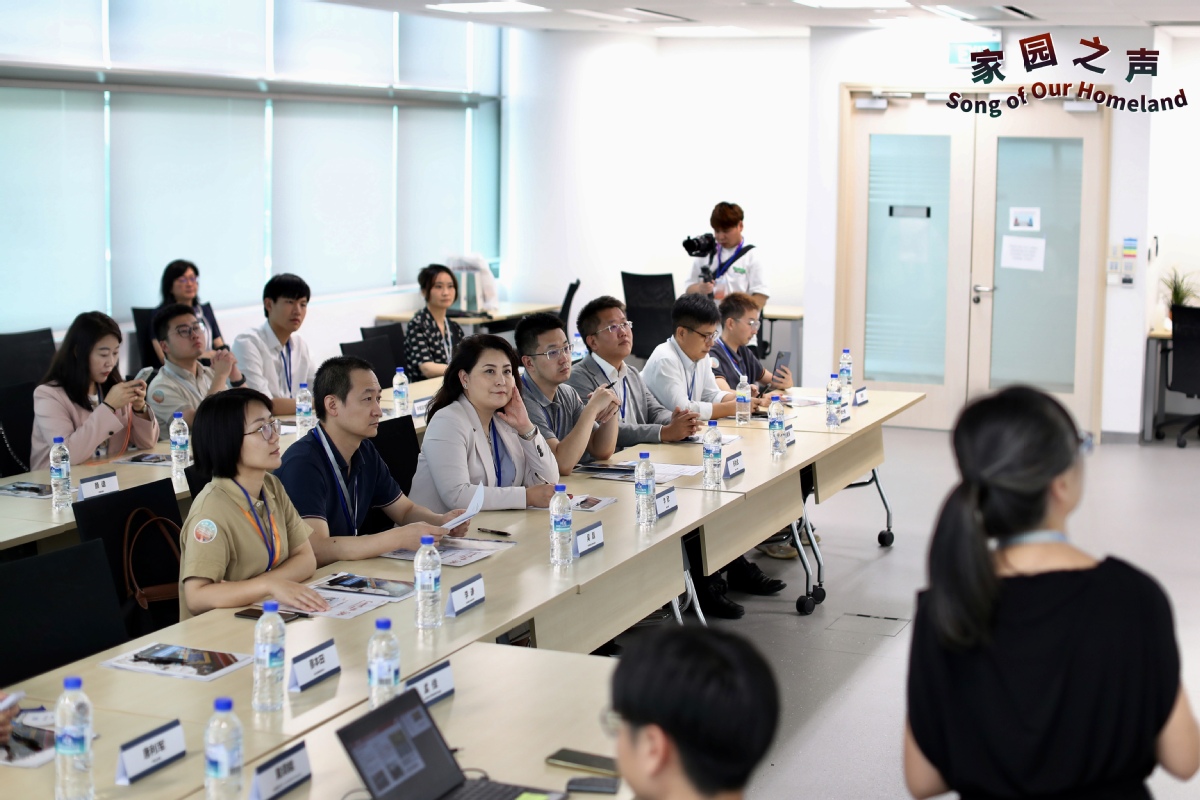
In certain reservoirs in Singapore, people can spot several floating "swans". However, these are not real swans, but rather robotic devices disguised as swans for water quality monitoring.
These low-cost autonomous robotic swans are capable of real-time sampling in freshwater bodies with centralized data storage tools for diverse data acquisition by autonomous sensing nodes, effective visualization as well as interoperability with existing database and prediction models.
This is just one application case of the Energy and Environmental Sustainable Solutions for Megacities (E2S2) Programme, led by Shanghai Jiao Tong University (SJTU) and the National University of Singapore (NUS), and funded by the National Research Foundation of Singapore.
E2S2 seeks to study sustainable solutions for coupled problems in the field of waste management and emerging contaminants in Shanghai and Singapore. It also aims to develop a platform to facilitate the understanding, design, and implementation of infrastructure and sustainability solutions for future cities, and serve as inputs for strategic policymaking and real-time environmental monitoring and response for coupled problems in future cities.
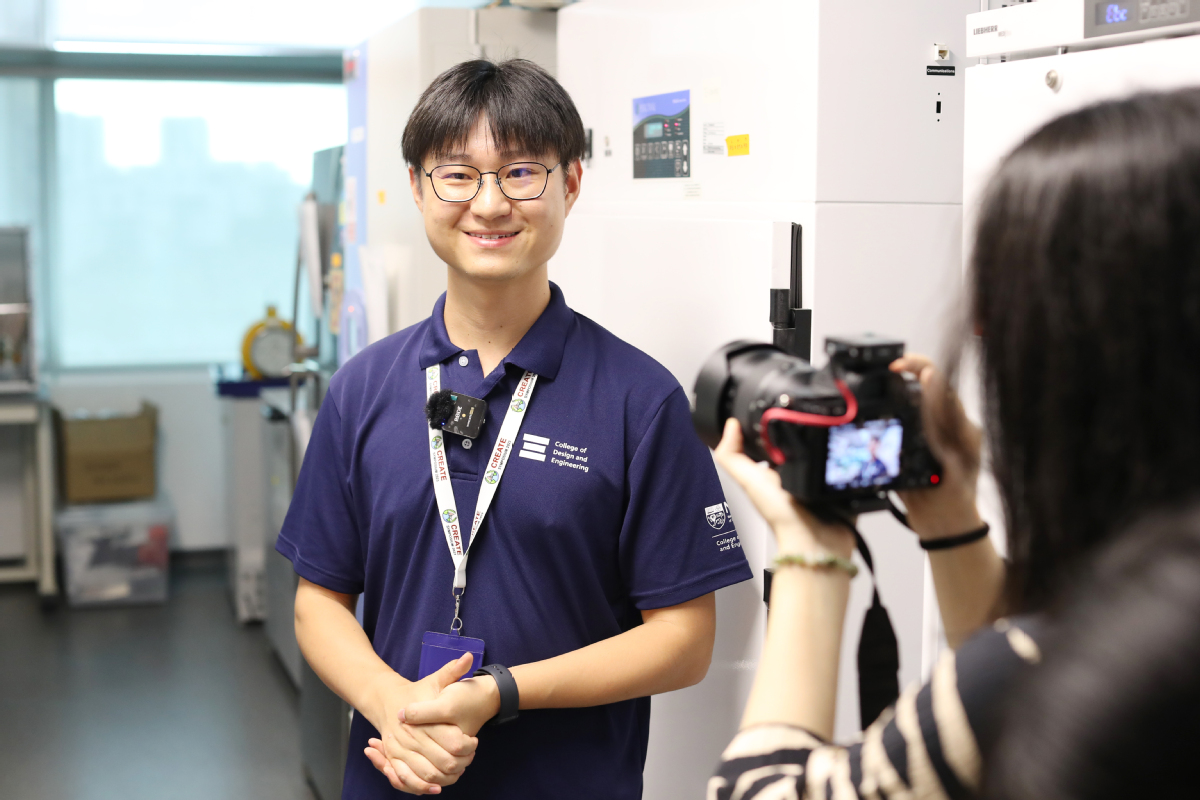
E2S2 also provides a platform for technology transformation. One such instance is Aquashield Solutions, an innovative Sino-Singapore joint project, led by Shanghai Jiao Tong University and the National University of Singapore, which is at the forefront of digital water quality monitoring and modeling sector.
Founded in 2023, Aquashield Solutions received support from NUS's research innovation project. With joint founders possessing over 20 years of research experience, the company has forged stable partnerships with leading entities in the industry, including local and international private firms and water agencies.
Their core technology comprises an integrated monitoring and modeling platform for digital water quality management, leading the field in monitoring and alerting against water pollution. Providing comprehensive, real-time and precise dynamic water quality simulations combined with cutting-edge analytical and modeling techniques, it sets a new standard in the industry.
Shanghai Jiao Tong University has a thirty-year history with its MBA program and over a decade of remarkable joint research experience in Singapore, as well as longstanding dedication in facilitating talents and scientists exchange between SJTU and its Singaporean partners. This pioneering effort represents one of the earliest instances of Chinese higher education exploration overseas, especially in the Belt and Road countries.

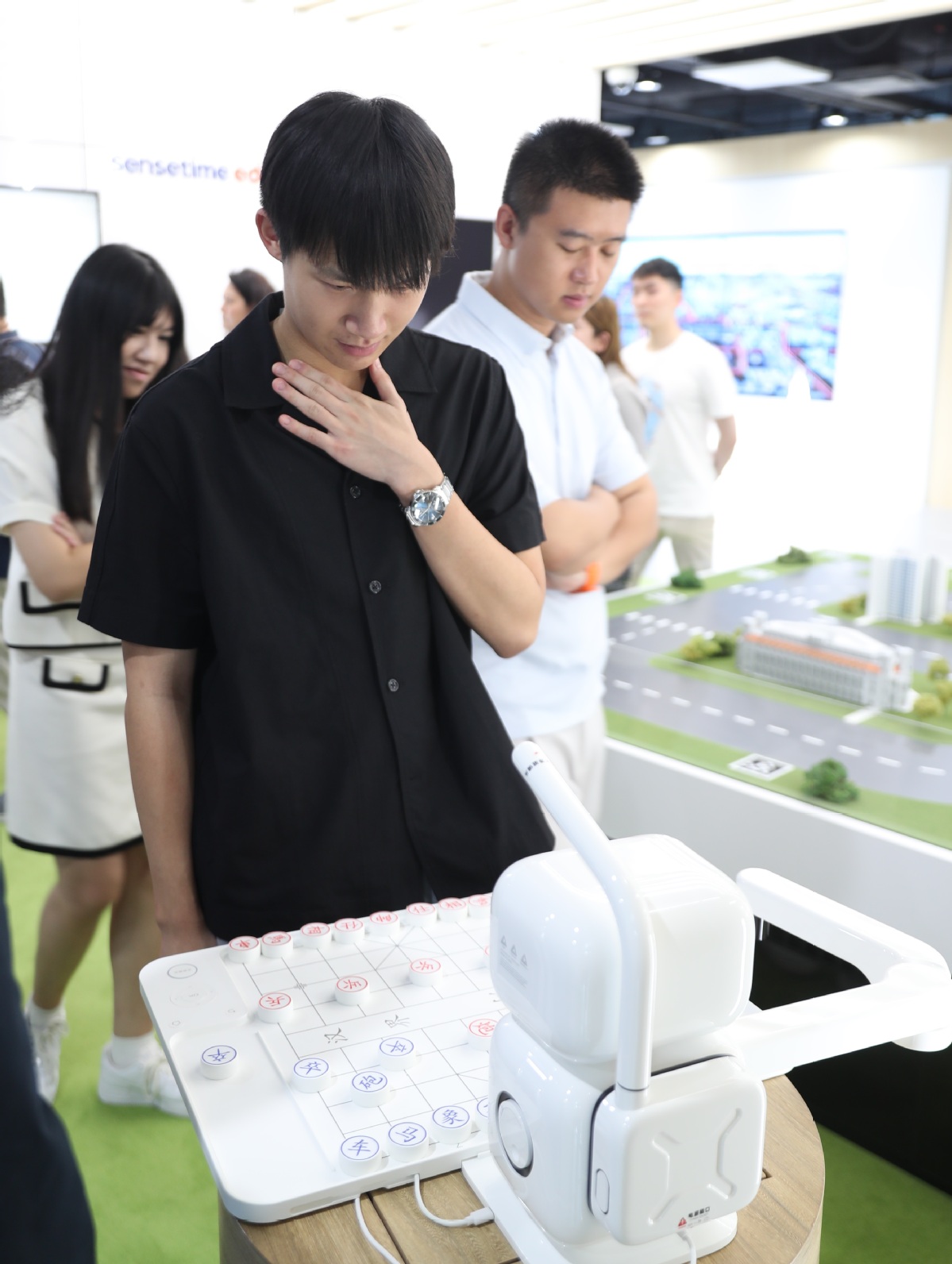
A visitor engages in a captivating match against SenseTime's chess-playing artificial intelligence robot, which adeptly utilizes its mechanical arm to maneuver chess pieces during gameplay.
This is just one consumer-facing application of AI products discovered by the "Song of Our Homeland" China-ASEAN International Media Tour 2023 at SenseTime's Singapore branch on Sunday.
SenseTime is a leading AI software company focused on creating a better AI-empowered future through innovation. The company is committed to advancing state of the art AI research; developing scalable and affordable AI software platforms that benefit businesses, people and society as a whole; while also attracting and nurturing top talents to shape the future together.
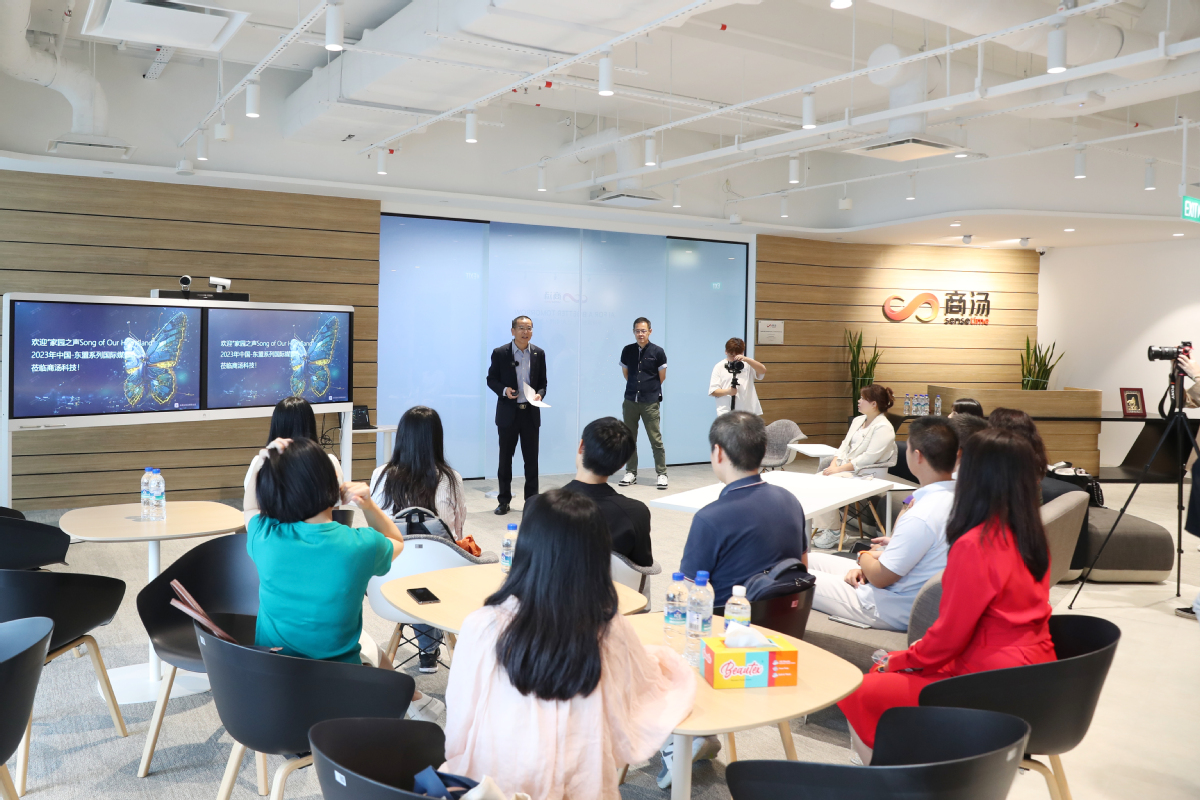
Bolstered by profound academic groundwork, SenseTime continuously invests in original technological research, fortifying its leading-edge capabilities in universal multimodal and multi-task models. This spans key fields like perceptual intelligence, natural language processing, decision intelligence, AI-enabled content generation, as well as key capabilities in AI sensors and computing infrastructure.
SenseTime built the infrastructure for the era of artificial general intelligence with SenseCore and named its foundation model set as "SenseNova", implying "constant renewal, daily renewal and further renewal". "SenseNova" covers key capabilities such as computer vision, natural language processing and AI-generated content.
In the AGI era, SenseTime's AI large models further empower industrial upgrades across various sectors, such as smart business, smart cities, smart life and smart auto.
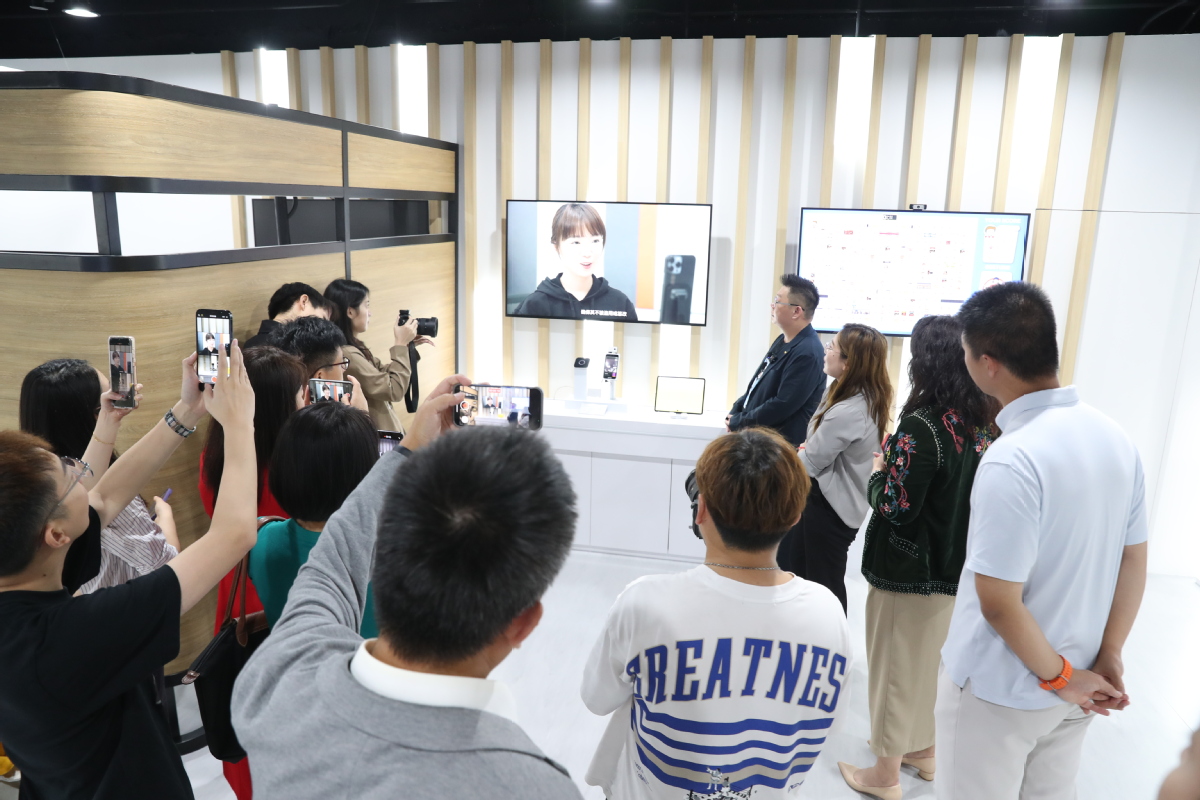
For instance, within the realm of smart auto, applications like SenseTime's SenseAuto Cabin, SenseAuto ADAS and SenseAuto V2X have broken innovation barriers with support from large models.
Since 2020, SenseTime has fostered deep collaborations with Singaporean governmental bodies, universities, local enterprises and several esteemed professors to cultivate talent pools and attract elites, establishing an integral international hub for its operations.
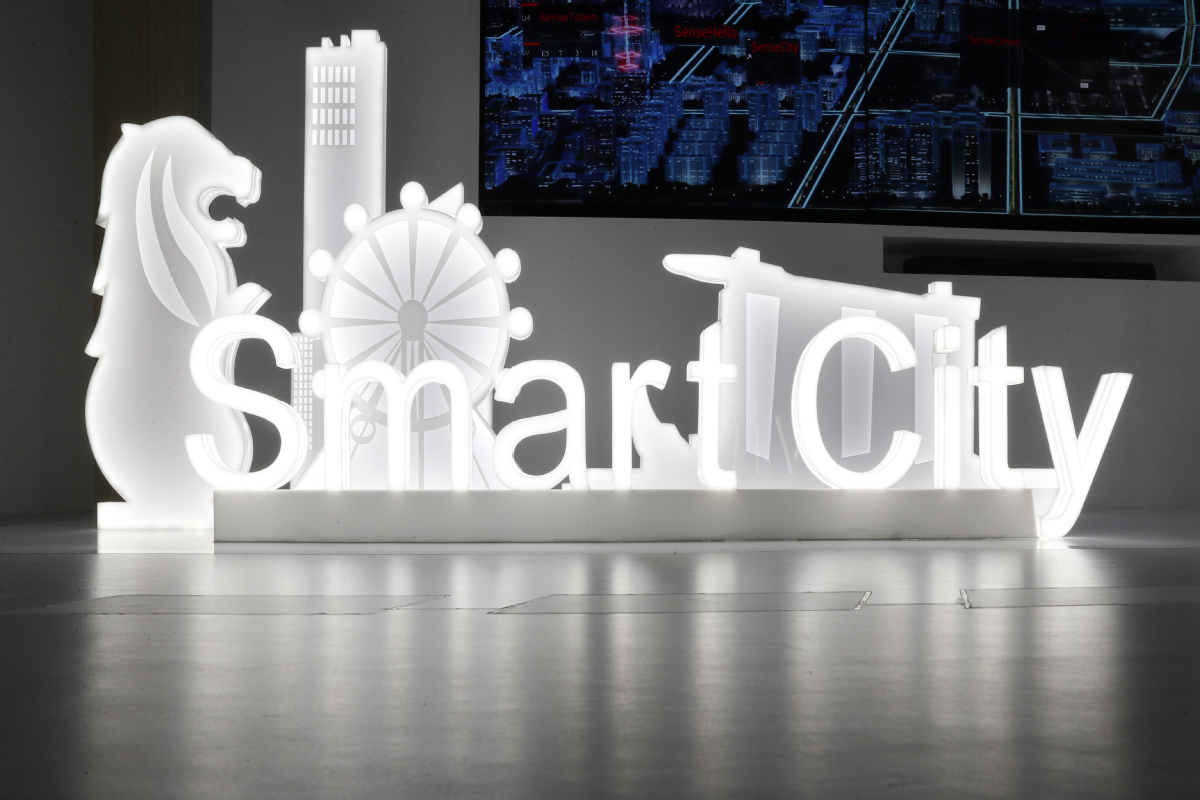
To date, it has trained over 120 researchers and AI doctoral candidates, collectively publishing more than 200 top-tier journal papers and academic conference articles in partnership with Singaporean universities.
SenseTime's strides in AI technologies and their impact across industries underscore their commitment to innovation, talent cultivation and global partnerships, positioning them as a frontrunner in advancing AI's applications.

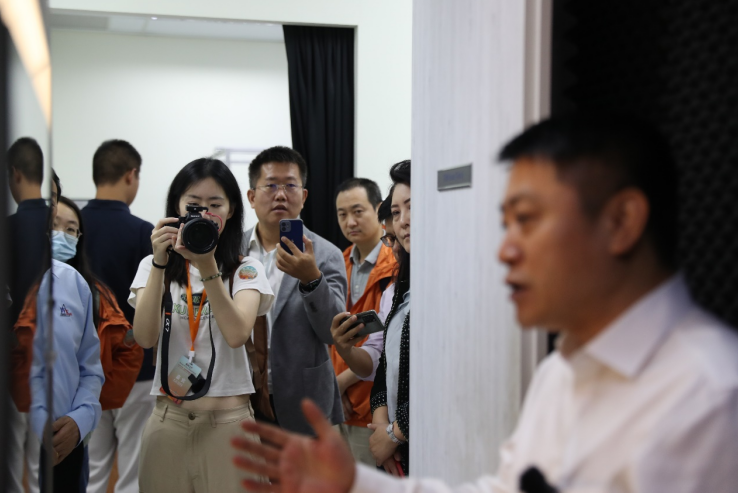
The "Song of Our Homeland" China-ASEAN International Media Tour 2023 visited Wintech Nano-Technology Services Pte Ltd in Singapore on Saturday.
Founded in Singapore in 2004 by Li Xiaomin and expanded into East China's Suzhou in 2012, Wintech Nano leveraged the cooperative advantages between China and Singapore. It is engaged in global in-depth development of semiconductor chip analysis and testing in specialized sectors, making it a world-leading independent service laboratory for analysis, testing, and auxiliary research and development in the semiconductor industry.
Li, chairman and general manager of Wintech Nano (Suzhou) Co Ltd, described his business as a "hospital for chips", as it detects failures or potential problems in design to improve the quality of chips.
Li said nurturing semiconductor talents is a lengthy and expensive process. He highlighted Wintech Nano's focus on cultivating fresh graduates, consistently increasing their recruitment every year and systematically accepting a large number of interns. He said future talents are crucial for the entire industry. Wintech Nano's talent cultivation plan could serve as an inspiration for the industry to focus on talent increment in the future, he added.
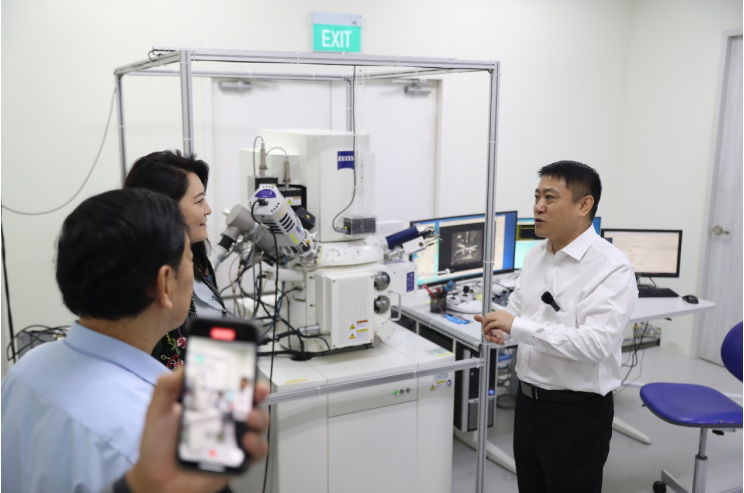
Supported by the Singapore Economic Development Board, Wintech Nano participated in the Industrial Postgraduate Program with Nanyang Technological University, National University of Singapore, and Singapore University of Technology and Design.
In 2018, Wintech Nano launched an internship training program with some domestic universities. Through this initiative in 2021, the company trained over 60 engineers for its subsidiary in Fujian province.
To alleviate the shortage of talent in chip analysis and testing, Wintech Nano and Singapore University of Technology and Design jointly established the Wintech Nano Semiconductor Academy in August 2023. They will carry out the master's research program focuses on nurturing talent in semiconductor chip analysis and testing, conducting practical courses in the fields of integrated circuit design, failure analysis, and reliability analysis.
Li said Wintech Nano aims to create an ecological effect in the future, nurturing a large number of international students annually. Even if these students do not stay at Wintech Nano or in China, they will join various major semiconductor companies globally, he added.
"In the next 20 or 30 years, the semiconductor talents nurtured by Wintech Nano Semiconductor Academy will serve as a channel for communication between China's semiconductor industry and the world," Li said.
From 2015 to 2022, Wintech Nano achieved a compound annual growth rate of 100 percent in its business on the Chinese mainland. In the future, the company will actively increase overseas investment, extend its presence to more countries, enhance international cooperation in China's semiconductor industry, and facilitate interconnection between China's semiconductor industry and the world.

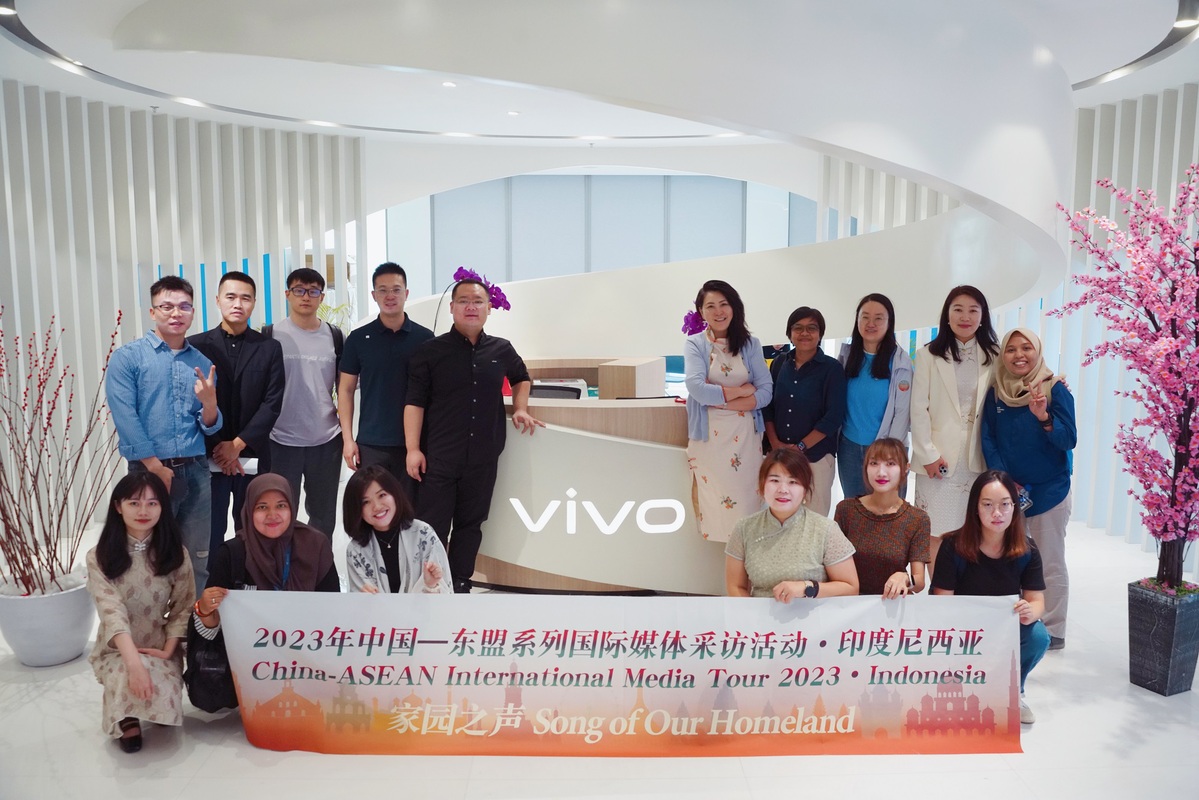
Indonesia's economic vitality has attracted many Chinese enterprises to invest; vivo is one of them, entering the Indonesian market in 2014.
According to statistics from the Indonesian government, Chinese companies' direct investment in the country reached $8.23 billion in 2022, a year-on-year jump of 160 percent, hitting a record high and ranking as the second-largest source of foreign investment in Indonesia.
Aware of the opportunities in Indonesia, vivo is beefing up investment in the country, and actively localizing its products, management team, and marketing strategies.
vivo established a factory in 2016 in Cikupa, Indonesia. This move not only supports the Indonesian economy but also generates employment opportunities for locals across various roles such as production, technical, engineering, and managerial positions.
Beyond the factory, the establishment of vivo's marketing center in Indonesia has also created job opportunities for locals in the country.
Moreover, vivo emphasizes fostering connections among people, sharing moments of joy, and embracing an altruistic spirit while honoring and promoting Indonesia's rich cultural diversity. This approach distinguishes vivo in the market and endears it to many consumers.
One example is that in 2018, vivo held the V9 launch event at Indonesia's UNESCO World Heritage Site, the Borobudur Temple, as a contribution to the country's cultural preservation and development. During the event, vivo creatively merged its products, technology, and fashion with local Indonesian cultural elements.
The "Song of Our Homeland" China-ASEAN International Media Tour 2023 visited vivo Mobile Indonesia in Jakarta on Thursday. The tour aims to showcase the achievements of Chinese enterprises going overseas, and tell the story of mutual benefit and win-win cooperation between China and the Association of Southeast Asian Nations.

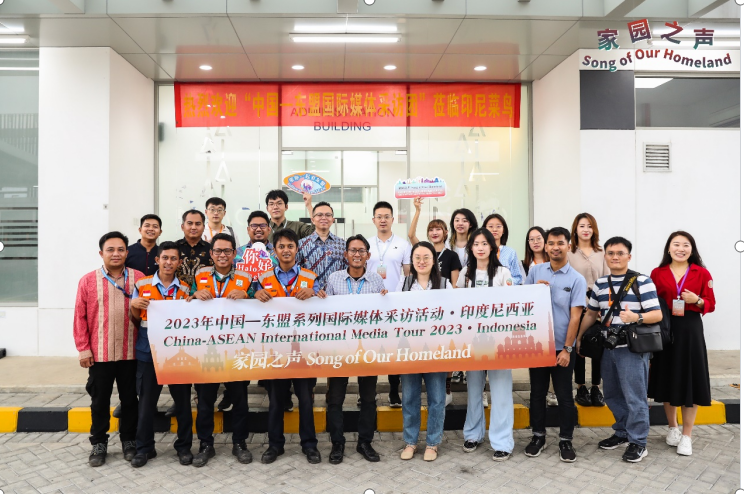
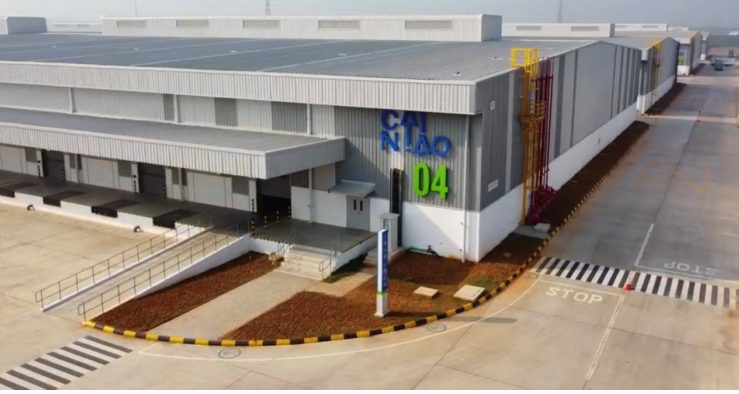
The "Song of Our Homeland" China-ASEAN International Media Tour 2023 on Tuesday visited Cainiao Cikarang Logistics Park in Jakarta, Indonesia.
The project, which was launched in July and is the largest Cainiao hub in Southeast Asia, consisting of six high-standard warehouses with a total construction area of 180,000 square meters and a leasable area of 170,000 square meters.
This logistics hub is designed to meet the supply chain needs of local businesses and international trade.
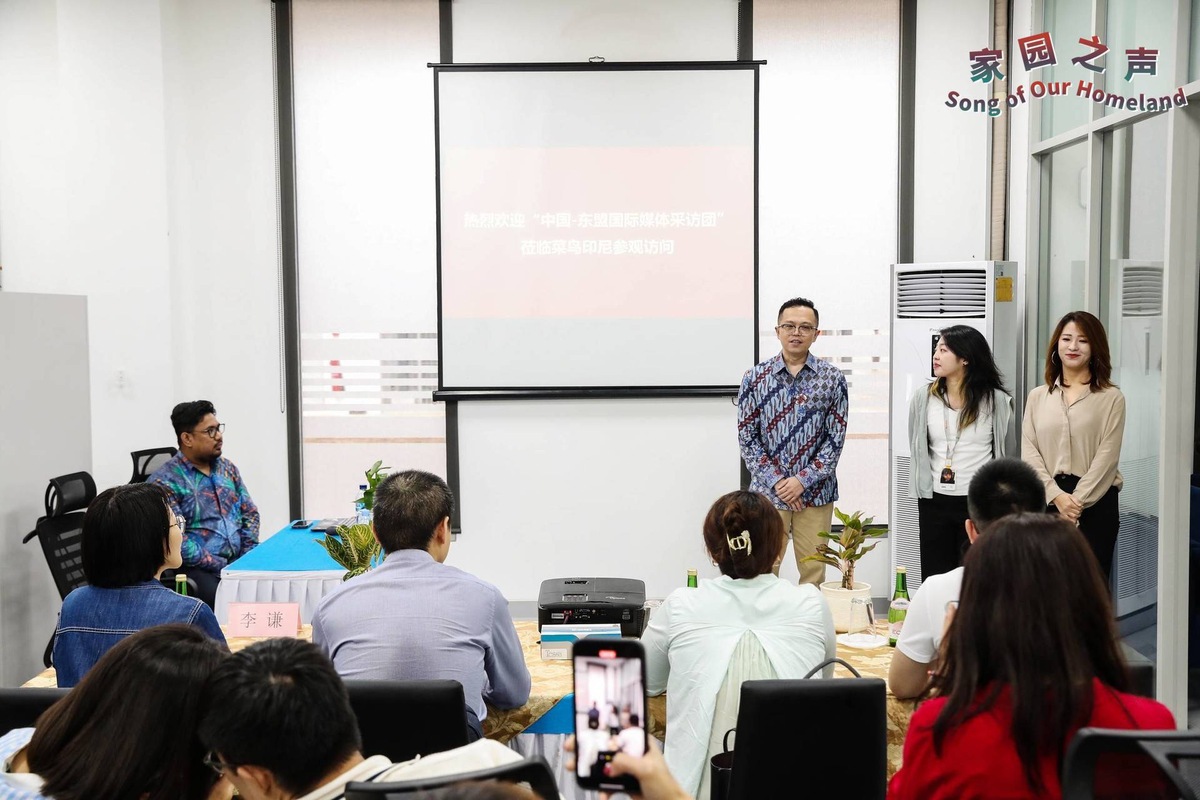
Cainiao has installed skylights in all six warehouses and implemented a natural ventilation system to maximize airflow, aiming to minimize energy consumption for tenants, said Yang Bo, head of Cainiao cHub Jakarta.
He said prior to its official launch, its warehouse complex has reached over a 75 percent occupancy rate. The tenants include Chinese companies going overseas, local Southeast Asian businesses, and globally expanding international firms such as Haier, Lazada, PT Senopati Fujitrans Logistics Services (Senfu), PT SGMW Motor Indonesia, CJ Logistics, and Klog.
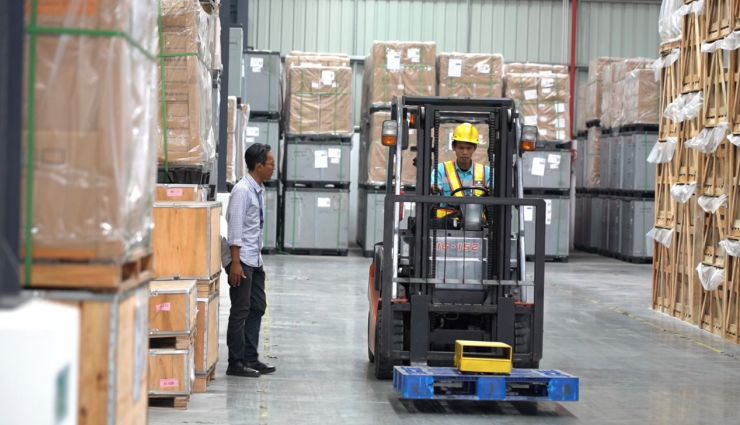
"After the launch of our project, the number of Indonesian staff members working in our park is about 1,300 individuals per day," Yang said. "If the occupancy rate continues to increase, we will provide more job opportunities for the local people."

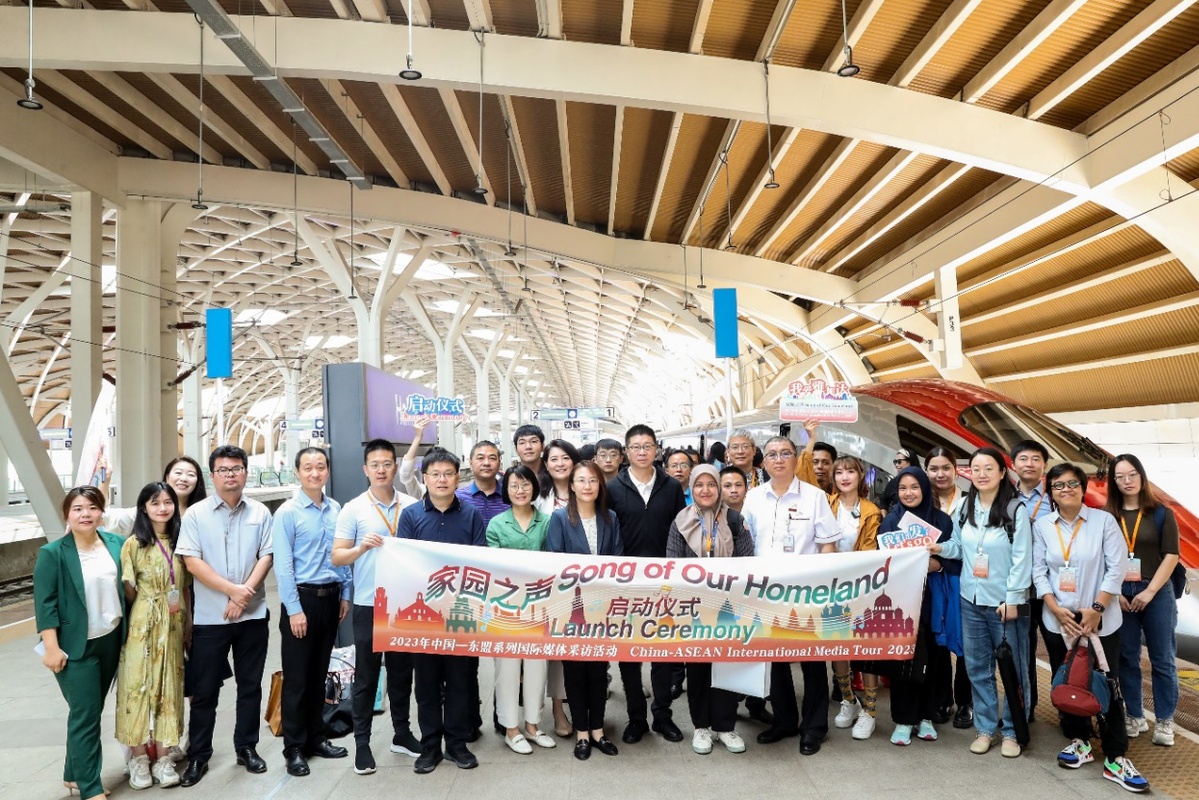
The "Song of Our Homeland" China-ASEAN International Media Tour 2023 was launched at the Halim Railway Station of the Jakarta-Bandung High-Speed Railway in Jakarta, Indonesia, on Wednesday.
Coinciding with the 10th anniversary of the Belt and Road Initiative, the event aims to showcase the achievements of Chinese enterprises going overseas and tell stories of mutual benefit between China and ASEAN.
Organized by China Daily and the ASEAN-China Centre, co-organized by China Daily website, and supported by the China Internet Development Foundation, the media tour will gather journalists from main media outlets from China and ASEAN countries.
They will focus on key projects of Chinese enterprises such as Cainiao Cikarang Logistics Park in Indonesia, Singapore Meetsocial, vivo Indonesia, and Sensetime International in Singapore, aiming to capture stories of how the Belt and Road Initiative has benefited people in participating countries.
The event has also invited local overseas Chinese to participate and engage in dialogues with Generation Z (those born after 1995 and into the 2000s), including Chinese students studying in Indonesia and Singapore, to share their perspectives on spreading Chinese culture and stories.
"Over the decade of jointly building the Belt and Road Initiative, the interactions between media and youth from China, Indonesia and Singapore have become increasingly frequent, playing an active role in enhancing mutual understanding among people, promoting cultural exchanges, and inheriting the friendship between China and Indonesia, as well as China and Singapore," said the head of the delegation Li Jun, deputy editor-in-chief of China Daily website.
This event, which aims to better harness the media's role as a link or connection, will give better play to the role of the media and youth as a bridge, becoming communicators and guardians of China-Indonesia and China-Singapore friendships, she added.
In the next few days, the media tour delegation will adopt perspectives as cultural "translators" and economic "observers" in Indonesia and Singapore to understand the practical participation of the two countries in building the Belt and Road Initiative.
They will listen to the voices of Chinese brands on the international stage and discuss how the Belt and Road Initiative creates a better future of peace, development, cooperation, and mutual benefits.

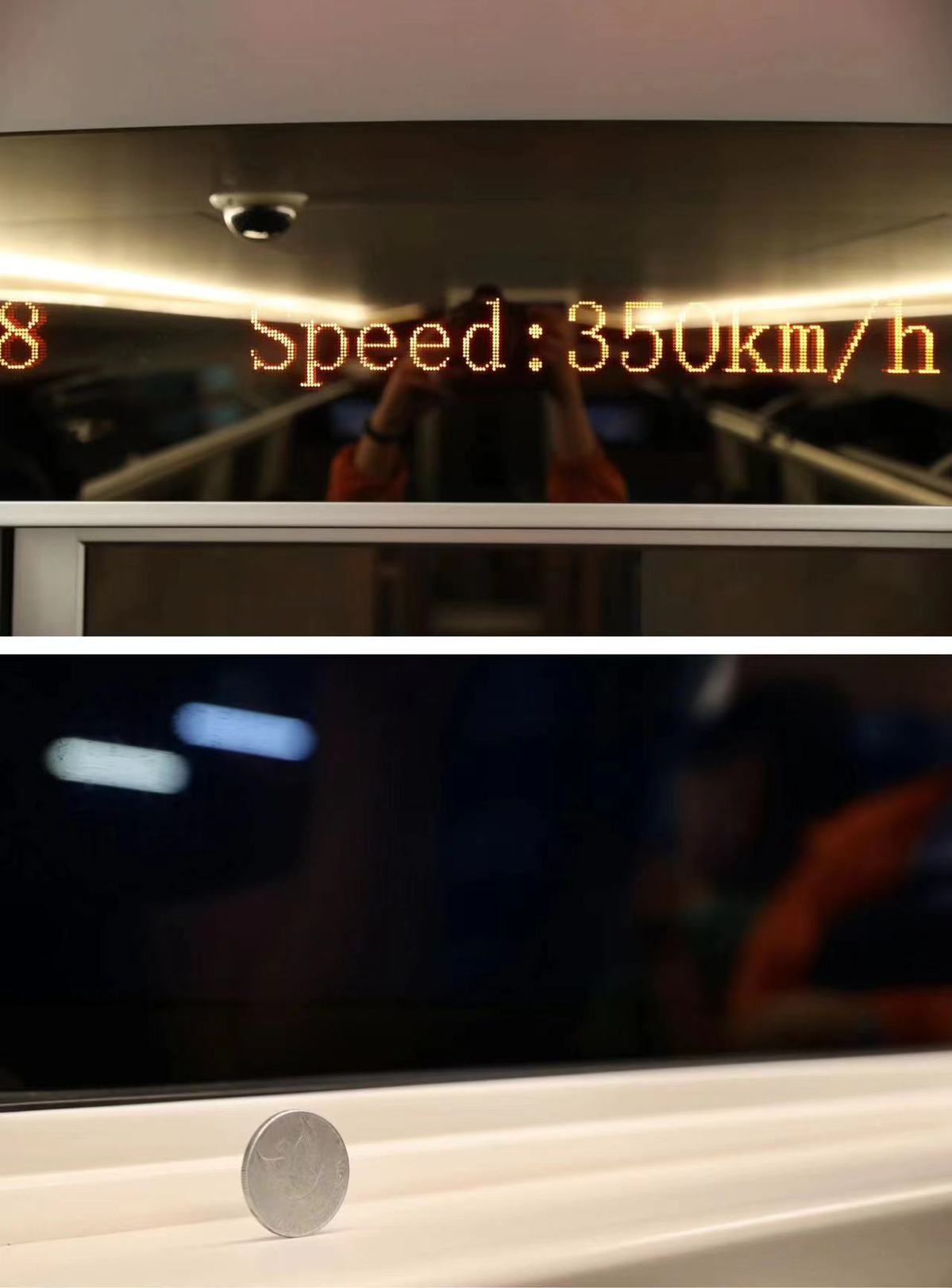
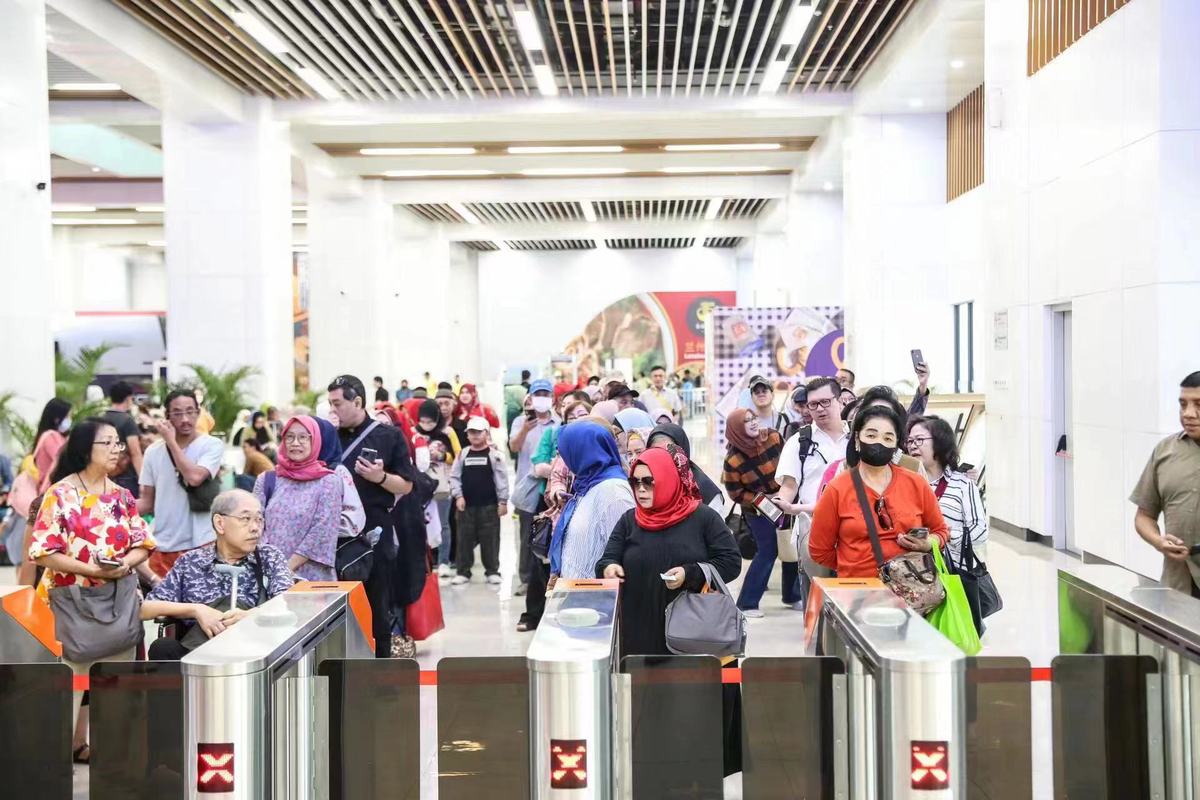
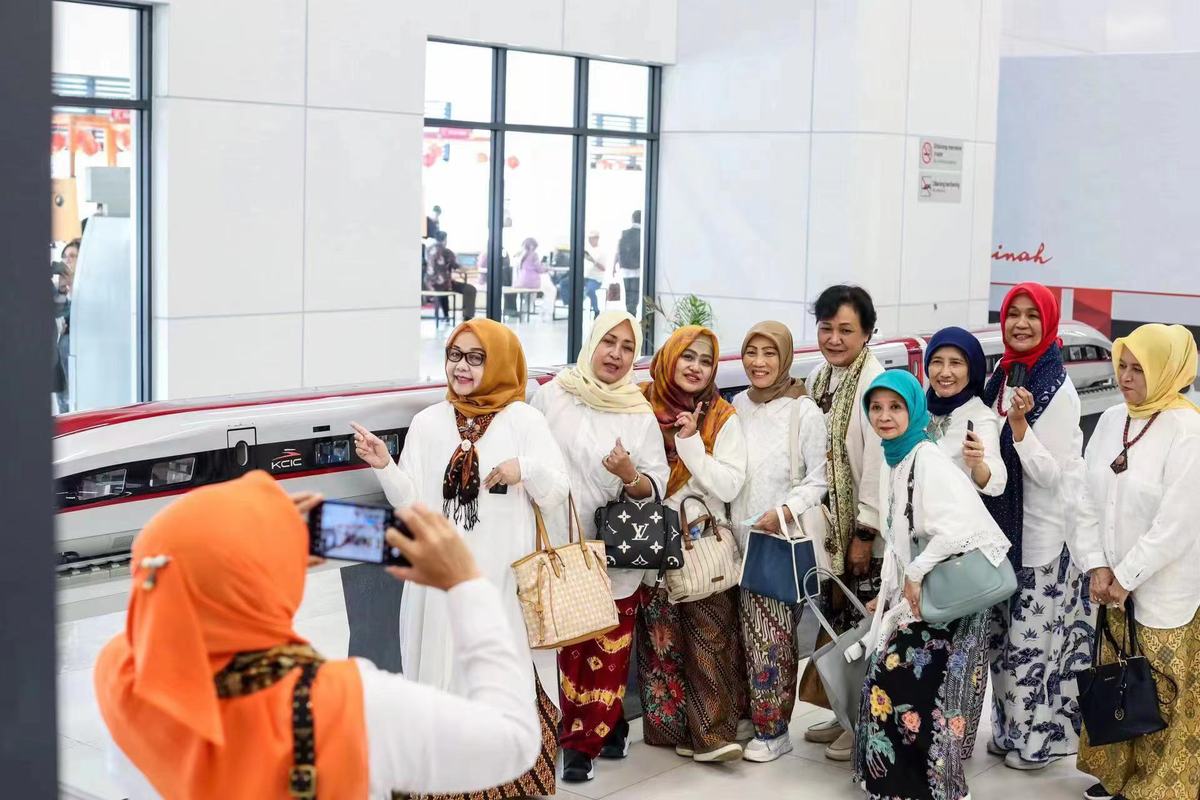
The "Song of Our Homeland" China-ASEAN International Media Tour 2023 experienced the Jakarta-Bandung High-speed Railway, the first of its kind in Indonesia, on Wednesday.
The 142.3-km-long high-speed line, connecting Indonesia's capital city Jakarta and the fourth-largest city Bandung, is a flagship project that synergizes the China-proposed Belt and Road Initiative and Indonesia's Global Maritime Fulcrum strategy.
There are only two countries in the world that have high-speed railways operating at top speeds of 350 kilometers per hour: China and Indonesia.
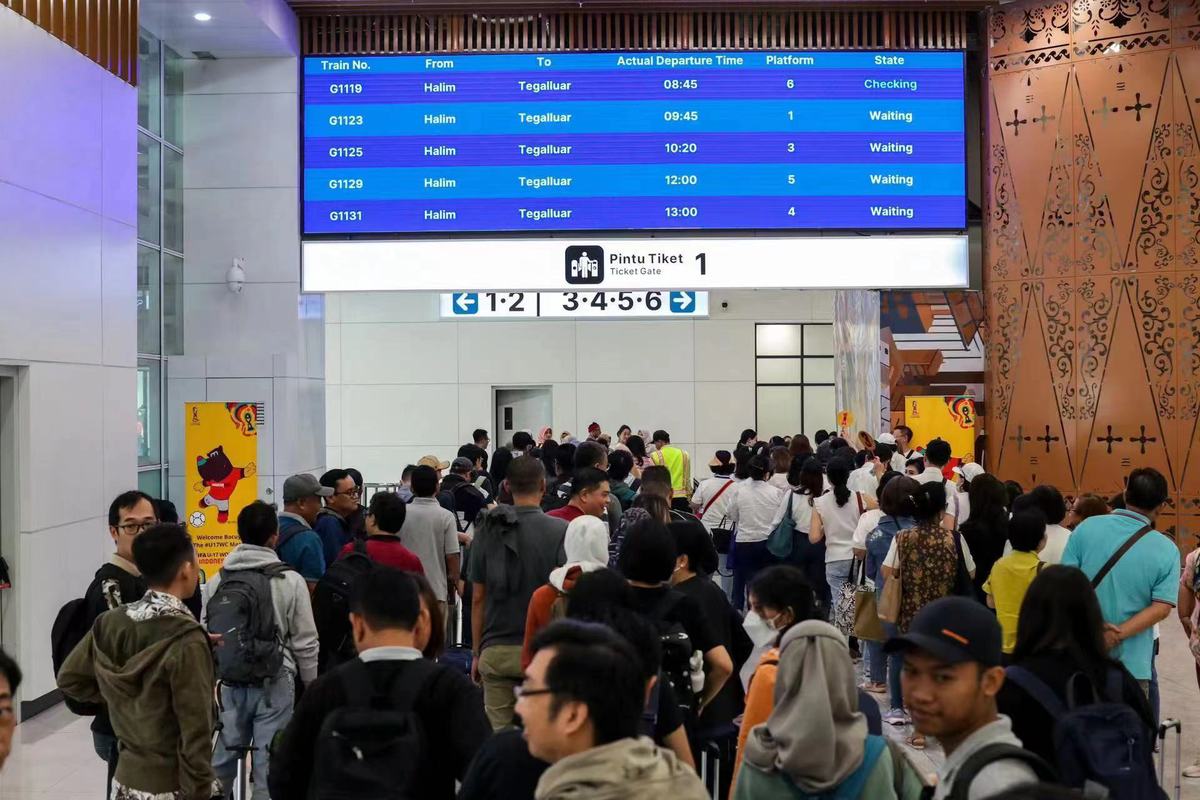
As of Nov 17, one month after the commercial operation of the railway, it has transported a total of 383,000 passengers. The highest daily passenger occupancy rate has reached 98.7 percent, indicating a robust growth in passenger flow.
It has provided a safe, convenient, and comfortable travel experience for people along its route.
"I'm really excited to take the train, and the journey between the two cities has shortened from over three hours to around 40 minutes," said a local passenger.
"I believe having a high-speed train can help boost Indonesia's economy," said Luki Aulia, a journalist at the Indonesian newspaper Kompas and also a member of the media tour.

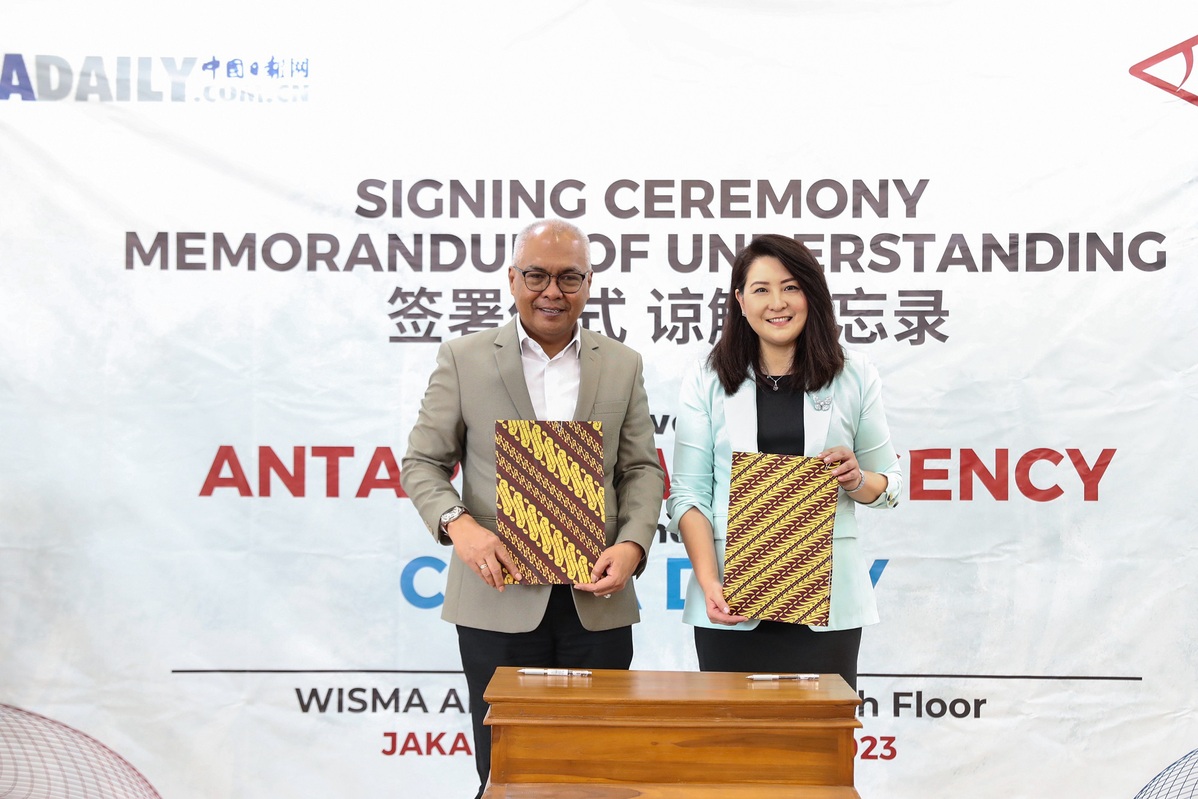
China Daily Multimedia and Antara News Agency signed a Memorandum of Understanding to increase media cooperation in Jakarta, Indonesia, on Tuesday.
The signing of the MoU was carried out by the President Director of Antara News Agency Akhmad Munir and the Deputy Editor-in-Chief of China Daily Multimedia Li Jun, also the head of the "Song of Our Homeland" China-ASEAN International Media Tour 2023.
Munir said that Antara, as Indonesia's only state-owned news agency, would collaborate with China Daily Multimedia to promote mutually beneficial cooperation between the governments of China and Indonesia.
"We consider the partnership between Antara and China Daily Multimedia as strategically significant," said Munir.
Munir expressed hope that through this collaboration, Antara and China Daily Multimedia would enhance the professionalism of journalists and media companies while exploring each other's potential.
He added that he would be delighted if China Daily Multimedia carries out operational partnerships such as news exchanges, joint photo exhibitions, and educational collaborations with Antara to increase professionalism.
Meanwhile, Li Jun said Antara and China Daily Multimedia have longstanding connections and collaborations. "Even though we haven't met in person, we often discuss online and communicate," she said.
Li said China Daily Multimedia aims to deepen cooperation with Antara News Agency, building upon established regular communication.
"After signing this MoU today, we aim to tell the story of China-Indonesia friendship together with Antara, implementing the important consensus between the leaders of both countries, and enhancing cultural exchanges between our nations," she said.
Next year, China Daily Multimedia hopes to carry out joint coverage of topics such as the China-ASEAN Year of People-to-People Exchanges.
The media tour's visit to Antara aims to increase mutual understanding and friendship, deepen pragmatic cooperation and become an opportunity to share stories of building a closer China-ASEAN community.


Singapore can serve as a hub for renewable energy as the city-state can leverage its status as one of the world's biggest commodity trading centers and bunkering ports, analysts said.
Singapore, a signatory of the United Nations' climate pact, has pledged to achieve net-zero emissions by 2050. It is targeting to import 4 gigawatts of clean energy by 2035, accounting for 30 percent of the city-state's total electricity supply.
As a small, resource-constrained country, Singapore has to import almost all its energy needs. At the same time, it is exploring a variety of different options, including regional power grids and emerging low-carbon alternatives such as low-carbon hydrogen and carbon capture, utilization and storage, Singapore's National Climate Change Secretariat said.
On Oct 24, Singapore's Energy Market Authority, or EMA, gave tentative approval for plans to import 1.2 GW of wind power from Vietnam. Earlier this year, EMA, has also approved the importation of solar energy from Indonesia and a mix of hydropower, solar and potentially wind power from Cambodia.
EMA's announcements have made Singapore "pivotal" in discussions to build a renewable energy power grid in the Southeast Asian region, said David Broadstock, senior research fellow and energy transition research lead with the National University of Singapore's Sustainable and Green Finance Institute.
He said discussions on a regional power grid among member countries of the Association of Southeast Asian Nations have been ongoing for the past few years, but there were no "right conditions to really take that forward".
But with Singapore's push for renewable energy, Broadstock said it can "play a central role in actually formulating that grid". He said Singapore, with its strong legal and financial institutions, balanced political and business environment and access to funding and capital, makes it an ideal location for regional power exchange.
Chan Siew Hwa, co-director of Nanyang Technological University's Energy Research Institute, said Singapore is a mix of financial, trading and transportation hubs and this is why it can facilitate the import and export of energy around the region.
Singapore is "not working alone". "We want to work with our neighbors to strengthen the entire ASEAN position in the world. If Singapore can become a hub, certainly that you will benefit ASEAN as a whole," Chan said.
Victor Nian, co-founder and CEO of the think tank Centre for Strategic Energy and Resources, said despite its limited land space, Singapore could potentially become one of Asia's hubs for renewable energy as the country has always been open to innovative solutions.
He said Singapore is a strategic place for companies and startups to pilot new technologies and prove new ideas in renewables. These companies can venture into neighboring countries to expand their businesses. Nian said there is a need for ASEAN and Singapore to accelerate their efforts in energy transition, while recognizing the practical constraints and geopolitical dynamics in the region.
The 28th UN Climate Change conference, to be held from Nov 30 to Dec 12 in Dubai, has again stressed the urgency of cutting carbon emissions and meeting climate commitments.

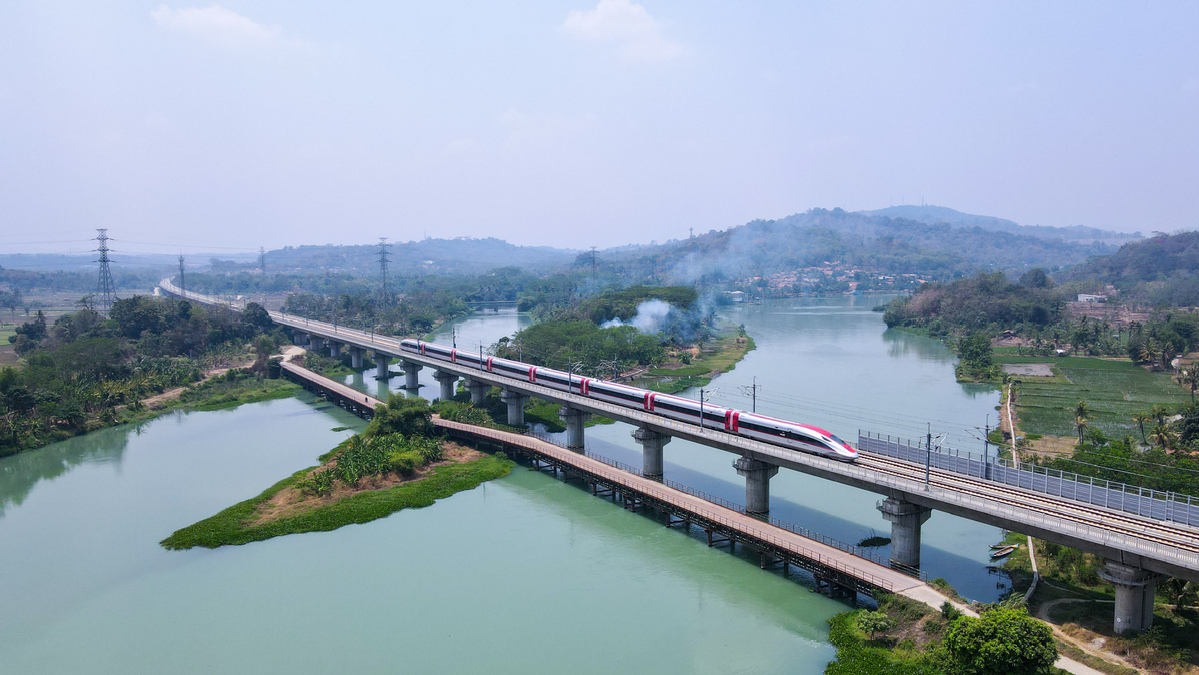
JAKARTA -- The Jakarta-Bandung High-speed Railway (HSR), the first of its kind in Indonesia, has been officially in operation as a train started off amid cheers and applause at Halim Station in the Indonesian capital on Monday morning.
Indonesian President Joko Widodo announced the HSR's name "Whoosh," which means being fast, efficient and reliable, saying it marked the modernization of Indonesia's transportation mode.
The Indonesian Transportation Ministry issued an operating license on Sept 29 to PT Kereta Cepat Indonesia-China (KCIC), a joint venture consortium between Indonesian and Chinese state-owned firms that constructs and runs the HSR.
The 142.3-km long high-speed line, connecting Indonesia's capital city Jakarta and the fourth largest city Bandung, is a flagship project that synergizes the China-proposed Belt and Road Initiative and Indonesia's Global Maritime Fulcrum strategy.
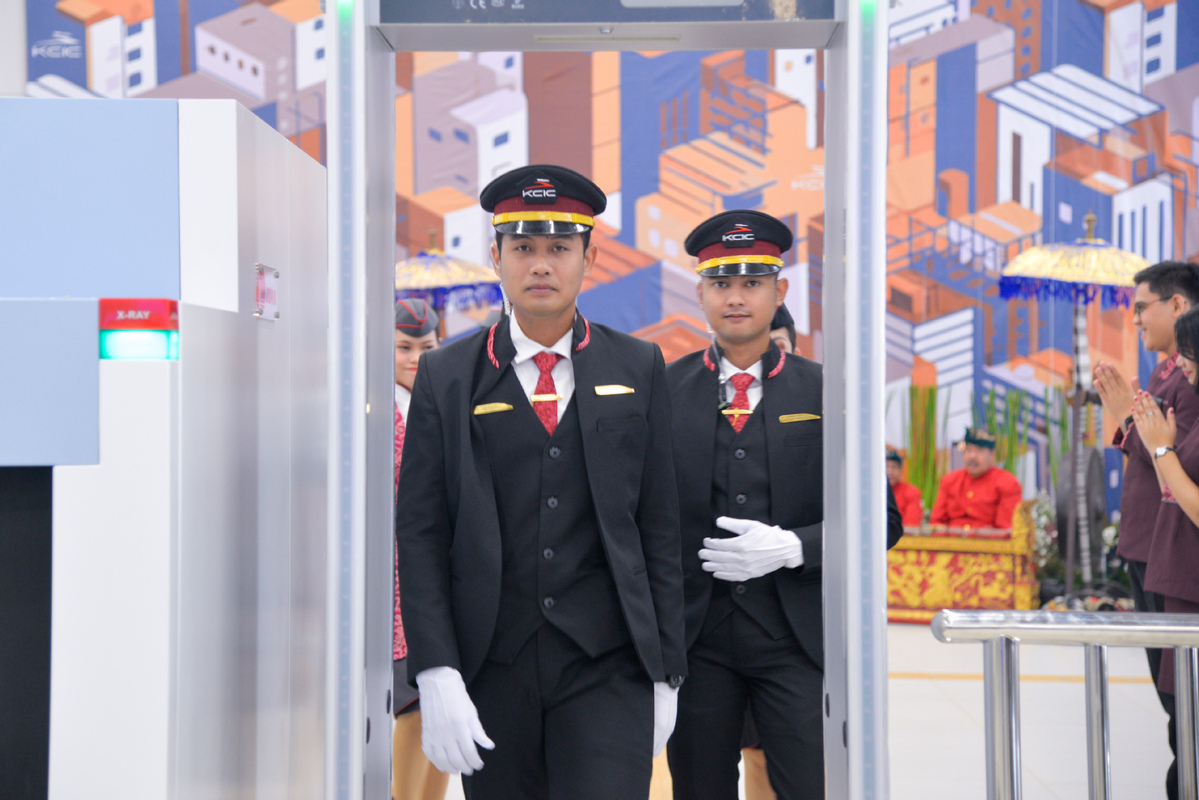
It is also the first overseas construction project that fully uses Chinese railway systems, technology and industrial components.
In addition to greatly cutting the journey between the two cities from over three hours to around 40 minutes, Indonesia's Transportation Minister Budi Karya Sumadi told Xinhua in an interview that the Jakarta-Bandung HSR would greatly promote regional people-to-people exchanges and drive the development sectors including tourism, employment and education.
According to KCIC, from Oct 3 to Oct 16, eight sets of HSR trains will operate between Jakarta and Bandung every day, and free tickets are available online for the public. The ticket sale is scheduled to start on Oct 17.
Indonesian Coordinating Minister of Maritime Affairs and Investment, Luhut Binsar Pandjaitan, said free public test rides had been running for three weeks before the railway's official operation on Monday, and people's enthusiasm was clear as they directly experienced the benefit.
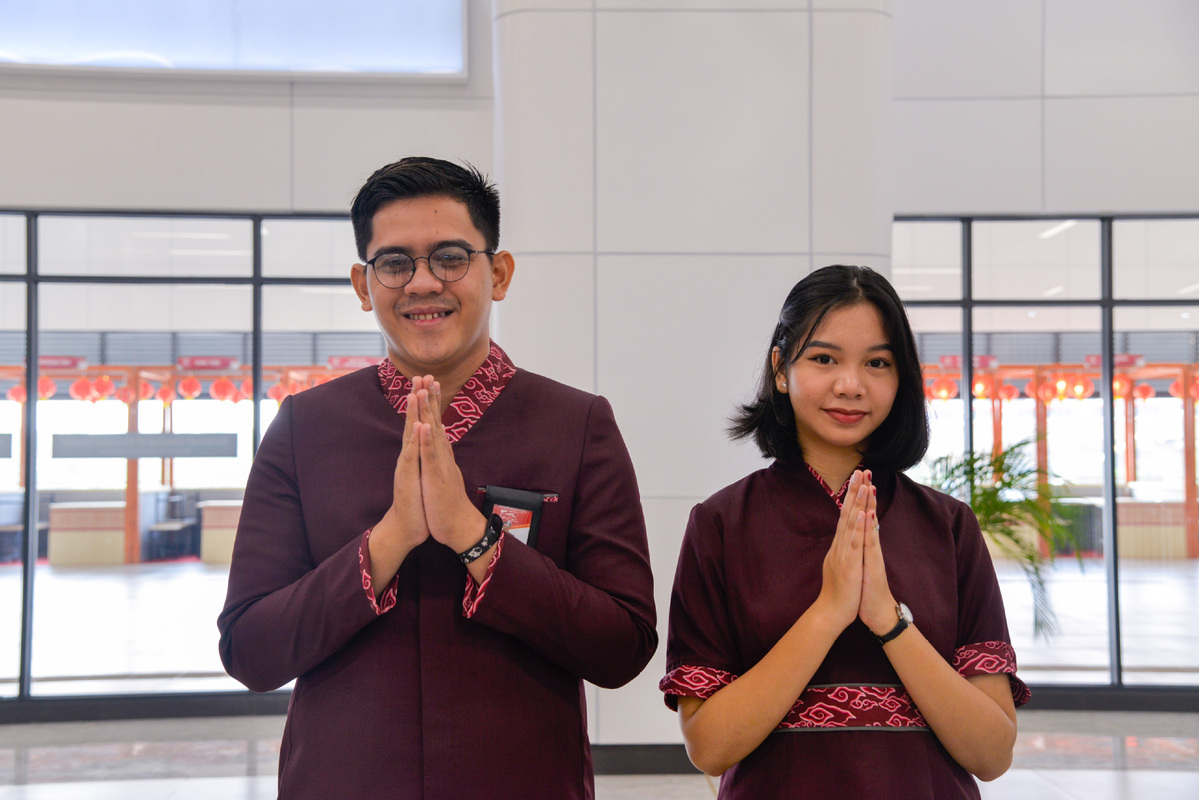
Ahmad and his family were among the passengers of the public test ride last Monday. "Very comfortable, stable, clean and looks luxurious. The train is also kid-friendly," said the man.
"I was really amazed by how fast I could arrive in Bandung. I didn't even have time to sleep because the trip is too short," he said.
Since the construction of the railway began in June 2018, builders from Indonesia and China have overcome various difficulties including the impact of the COVID-19 pandemic. They not only adopted China's advanced HSR technology, but also made adaptations to Indonesia's complex geological conditions.
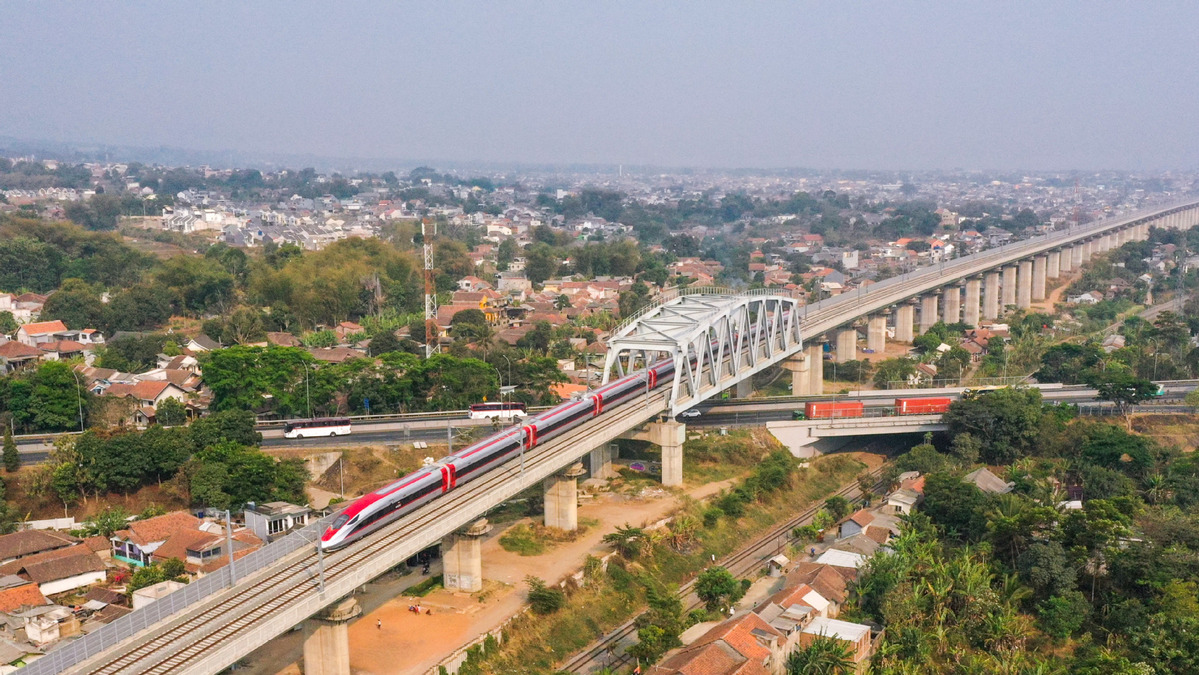
The outcomes include bridges with better shock absorption performance, smoother ballastless tracks, a more functional train control system, and advanced and safe trainsets.
Meanwhile, during the construction of the railway, a total of 45,000 Indonesian talents were trained with HSR technology, according to the statistics provided by KCIC.
Budi Karya Sumadi said that the professionalism and dedication shown by Chinese builders are worth learning, and Indonesia hopes to continue to cooperate closely with the Chinese side in the operation and maintenance of the high-speed railway.




