
The China Story
at your Fingertips
OPEN
Pakistan's Minister for Finance and Revenue Muhammad Aurangzeb emphasized the ironclad partnership between China and Pakistan as well as huge potential for the China-Pakistan Economic Corridor.
Under the Belt and Road Initiative, the two sides are transitioning from infrastructure cooperation to deeper multidimensional collaboration in technology, finance, and trade, with the depth of China's capital market offering significant development opportunities for Pakistan.
"China's innovation is characterized by one big thing, that is, we are open to innovation," said Xu Xiujun, director of the International Political Economy Department of the Chinese Academy of Social Sciences' Institute of World Economics and Politics, to China Daily Website at the Boao Forum for Asia 2025.
He also pointed out that China's innovative achievements come from exchanges and cooperation with other countries. At the same time, these results will also be shared with the world. Check out this video to learn more.
At the Boao Forum for Asia Annual Conference 2025, Hazem Ben-Gacem, CEO of Abu Dhabi-based asset management company BlueFive Capital, expressed his admiration for Chinese tech innovations such as DeepSeek and vowed to increase investments in China. "When people can't tell if we're a Middle Eastern or Chinese investment firm, that's when I'll know we've succeeded," he said.
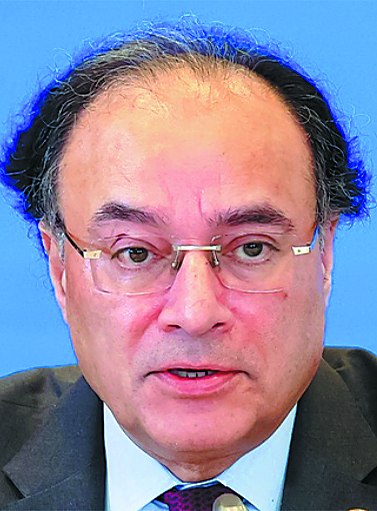
Pakistan plans to issue yuan-denominated "panda bonds" this year, further integrating its capital markets with China's — a testament to the deepening cooperation between the two neighbors and China's key role in Pakistan's digital transformation, a senior Pakistani official said.
Speaking on Wednesday on the sidelines of the Boao Forum for Asia Annual Conference 2025 in Hainan province, Pakistan Minister for Finance and Revenue Muhammad Aurangzeb highlighted the growing bilateral collaboration across multiple sectors.
China's advances in technological innovation and connectivity and its steadfast commitment to opening-up serve as a counterbalance to unilateralism and protectionism, and "Pakistan and China are ironclad friends and strategic partners. We remain grateful to China for helping us in our journey of growth", Aurangzeb said.
He cited the China-Pakistan Economic Corridor, a flagship Belt and Road Initiative project. As the project moves into its second phase, the emphasis has shifted toward monetizing infrastructure and attracting investment.
"Going forward, technical support and the knowledge economy will be very critical components of our relationship," he said.
Aurangzeb also shared insights from his visits to Chinese banks, saying that the South Asian nation could leverage China's experience to enhance financial inclusion through digital solutions.
He also pointed to the vast potential of business-to-business collaboration, citing a joint venture formed last year allowing China's leading new energy vehicle manufacturer, BYD, to enter the Pakistani market for the first time.
Addressing rising global economic fragmentation and geopolitical tensions, Aurangzeb stressed the importance of staying committed to globalization.
"Technology is a great equalizer," he remarked, highlighting Deep-Seek, a Chinese AI startup that has made waves globally.
He praised the regional corridors developed under the BRI framework, emphasizing that cross-border infrastructure and logistics will be "a real enabler" in maintaining strong trade flows among participating nations.
Citing China as the second-largest economy, Aurangzeb said he believes that China will become an even larger economy in the world.
China's commitment to multilateralism and globalization, he added, is encouraging for the global economy, and Beijing is poised to continue leading global economic growth.
Contact the writers at panyiqiao@chinadaily.com.cn
The world is big enough for hundreds of countries, including the United States and China, to co-develop artificial intelligence, and Washington's sanctions on high-tech sectors will only steel Beijing's resolve to drive homegrown innovation, said leading industry experts at the ongoing Boao Forum for Asia Annual Conference 2025 on Thursday.
Zeng Yi, a member of United Nations' high-level advisory body on AI and a researcher at the Chinese Academy of Sciences' Institute of Automation, said: "The future of AI is not decided by a handful of countries, but by nearly 200 countries and regions. The world is wide enough to embrace both the US and China to co-develop AI."
The comments were made at this year's BFA, where AI sits center stage and is garnering international attention from dazzling tech showcases and spirited debates at different high-level subforums.
Earlier this week, the US added dozens of additional Chinese entities, including leading AI institute — the Beijing Academy of Artificial Intelligence (BAAI) and tech firm Inspur Group — to its export restrictions list. The BAAI said in a reply to China Daily that the US decision contradicts the spirit of scientific innovation and global cooperation, thus severely undermining openness in AI research and development.
Zheng Yongnian, dean of the School of Public Policy at the Chinese University of Hong Kong (Shenzhen), criticized the inclusion of Chinese companies in restrictive measures aimed at hindering China's AI progress as "unwise".
"China possesses significant advantages in application scenarios, with the government actively promoting the AI Plus strategy to expedite technological implementation. US sanctions on technologies have, paradoxically, spurred China to intensify investments in these areas and foster indigenous innovation," Zheng said.
"If China's AI technologies continue to evolve at the current pace, within 10 to 15 years, the US might find itself relying on China's original innovations in certain sectors," he added.
Carl Fey, professor of strategy at BI Norwegian Business School, said that while US tech restrictions may cause short-term pain for China, they will ultimately compel the latter to fortify its technological base and sharpen its global competitiveness.
Fey warned that measures like tariffs and export bans not only slow global tech progress, but also backfire by accelerating domestic innovation.
A group of participants at this year's forum noted a case in point is DeepSeek — a low-cost, open-source AI model that is transforming the industry landscape. Its accessible architecture enables rapid deployment, and widespread use may reshape the AI future globally, a vision where AI, like water or electricity, becomes a basic utility available to everyone.
Jiang Xiaojuan, a professor at the University of Chinese Academy of Social Sciences, said that DeepSeek is breaking monopolies and ushering in a new era of vigorous competition, converting technical know-how into industrial might.
"In a competitive market, these challenges will naturally be resolved by the forces of the market itself," Jiang said.
chengyu@chinadaily.com.cn
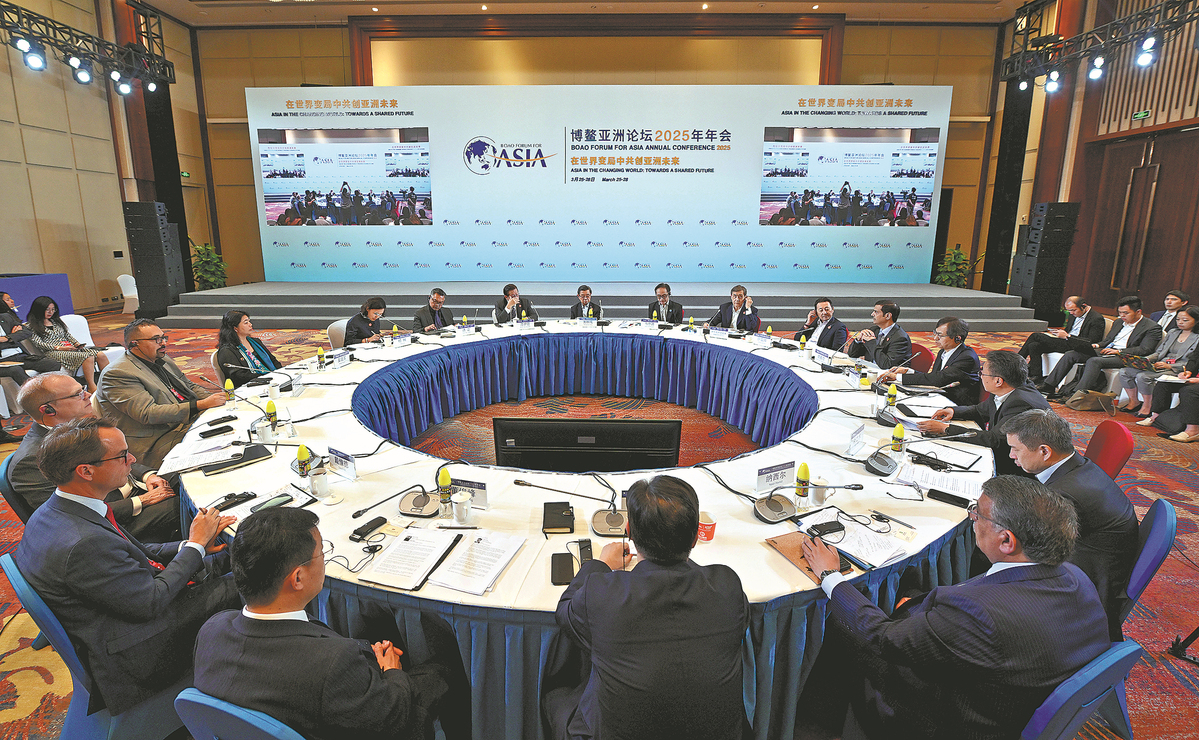
China's booming digital economy is playing a key role in spurring the integrated development of the Asia-Pacific region, thanks to the country's prowess in high-tech fields such as 5G, artificial intelligence and cross-border payment systems, officials and experts said at the ongoing Boao Forum for Asia Annual Conference 2025.
Zhao Fengtao, vice-chairman of China International Development Cooperation Agency, said with data being an increasingly critical production factor for economic modernization, China has been ramping up support for other developing countries in the digital sector.
However, challenges remain in achieving full digital connectivity. "We are confronting challenges of uneven digital infrastructure coverage, lack of talent, barriers in cross-border data flows, and issues of technological monopolies and digital hegemony," Zhao said during the forum on Wednesday.
Against such a backdrop, "China is committed to leveraging its strengths to promote an open, inclusive and secure digital future for all," he added.
Broader regional efforts include the newly upgraded China-ASEAN FTA 3.0, which prioritizes digital and green economy collaboration.
Digital payment services providers like China UnionPay are accelerating financial inclusion in Belt and Road Initiative economies, said Dong Junfeng, chairman of China UnionPay and UnionPay International.
"Digital wallet usage in the Asia-Pacific region accounts for 70 percent of the global total, growing at over 20 percent year-on-year," Dong said.
Attendees from the Association of Southeast Asian Nations shared their stories about China's digital platforms.
"Digital payment services are impressive in China," said Senjaya Mulia, founder and CEO of the ASEAN Youth Organization based in Indonesia.
"The applications work seamlessly and securely — this is the type of people-to-people connectivity that strengthens regional ties."
China has been ASEAN's top trading partner since 2009, with two-way trade reaching 6.99 trillion yuan ($962 billion) last year.
Mohd Faiz Abdullah, chairman of the Institute of Strategic and International Studies in Malaysia, said ASEAN aims to strengthen its digital capabilities and further boost integrated development by 2030.
"ASEAN economies are looking to China for a major role in this digital transformation," he said, adding that China has made great contributions to the region's AI skills development and digital capacity-building initiatives.
chenbowen@chinadaily.com.cn
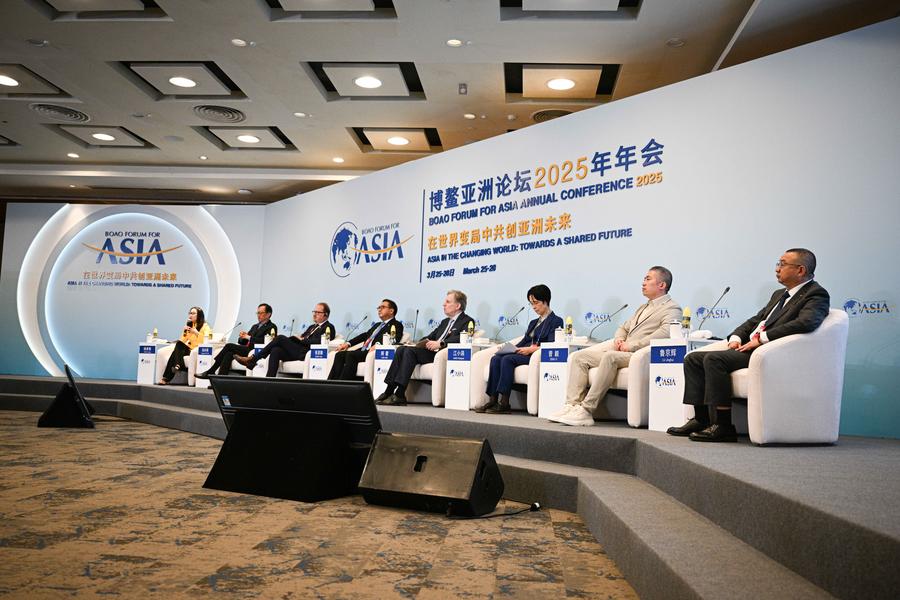
Far from helping the United States achieve its goal of greater prosperity, unilateralism and trade protectionism pursued by the US government have done harm to both the country itself and the rest of the world, said experts participating in the 2025 Boao Forum for Asia.
Kishore Mahbubani, former permanent representative of Singapore to the United Nations, started his speech with the word "multicivilizational", explaining that this should be a world where there can be many beautiful civilizations, not only one great power. However, US President Donald Trump is walking away from multilateralism, he said.
The US leader is surrounded by people who are very eager to see "America First", said Carlos Gutierrez, former secretary of commerce of the US. Because of this, the world is witnessing the US distancing itself from world institutions, such as the World Health Organization, he added.
"What comes next if the US foreign policy begins to dismantle all the institutions that the US actually helps create?" he asked.
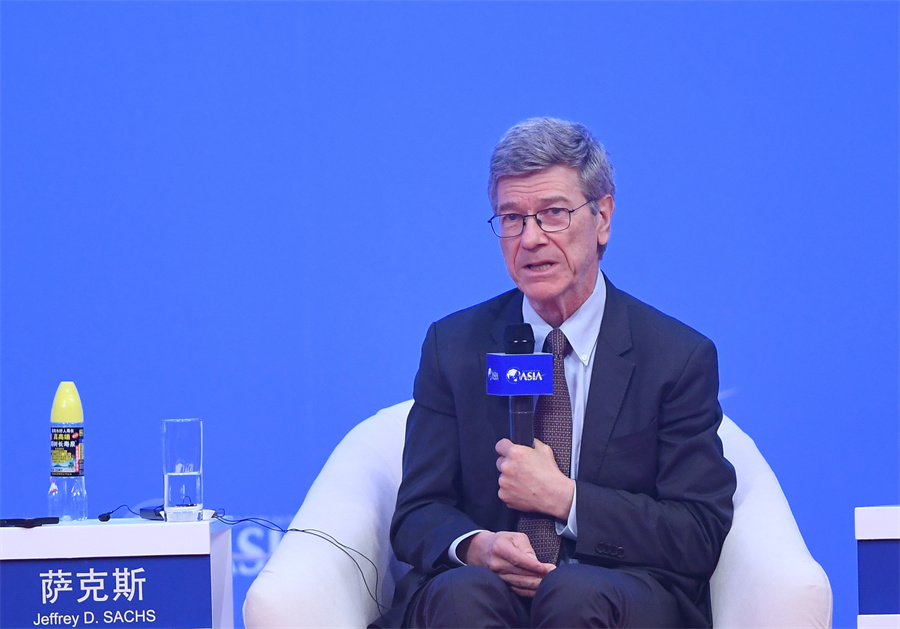
Jeffrey Sachs, an economics professor and director of the Center for Sustainable Development at Columbia University, said Trump's trade policy is surely based on many falsehoods and many basic misunderstandings. As the US is running a large trade deficit, US people have very low savings, he explained.
Sachs stressed: "Tariffs will not solve our fiscal deficit. Tariffs mean tax cuts. That is the mentality of a plutocratic corrupt government."
The Trump administration calls tariffs "protection of the industry", but when the US auto duties were announced, auto share prices of the US fell 5 percent, Sachs said. This will harm the US auto industry, making it permanently uncompetitive, he added.
Countries around the world need to defend multilateralism, as there are 193 member countries in the United Nations, Sachs highlighted.
Speaking of Asia's solutions against unilateralism and trade protectionism, Patrick Foulis, foreign editor of The Economist, said in the longer term, Asia needs to build back more trade agreements and try to replace some of the services that the US has provided — such as a currency, a financial system or a set of technologies that everyone can share around the world.
Cui Tiankai, former Chinese ambassador to the United States, said that the global economy over the past half-century has expanded nearly eight-fold, yet the US' share has remained largely unchanged, continuing to hold the largest portion. However, this appears insufficient to satisfy the ambitions of the US.
The real challenge facing the world is how to ensure that a growing global economy and advancing technologies benefit more nations, Cui stressed. The Asia-Pacific region has many values to uphold, including mutual respect, emphasizing shared interests and resolving differences through peaceful means.
"No matter how others adjust their policies, especially amid today's major global shifts, we in the Asia-Pacific must hold firm to our confidence and leverage our strengths", Cui said.
mikegu@chinadailyhk.com
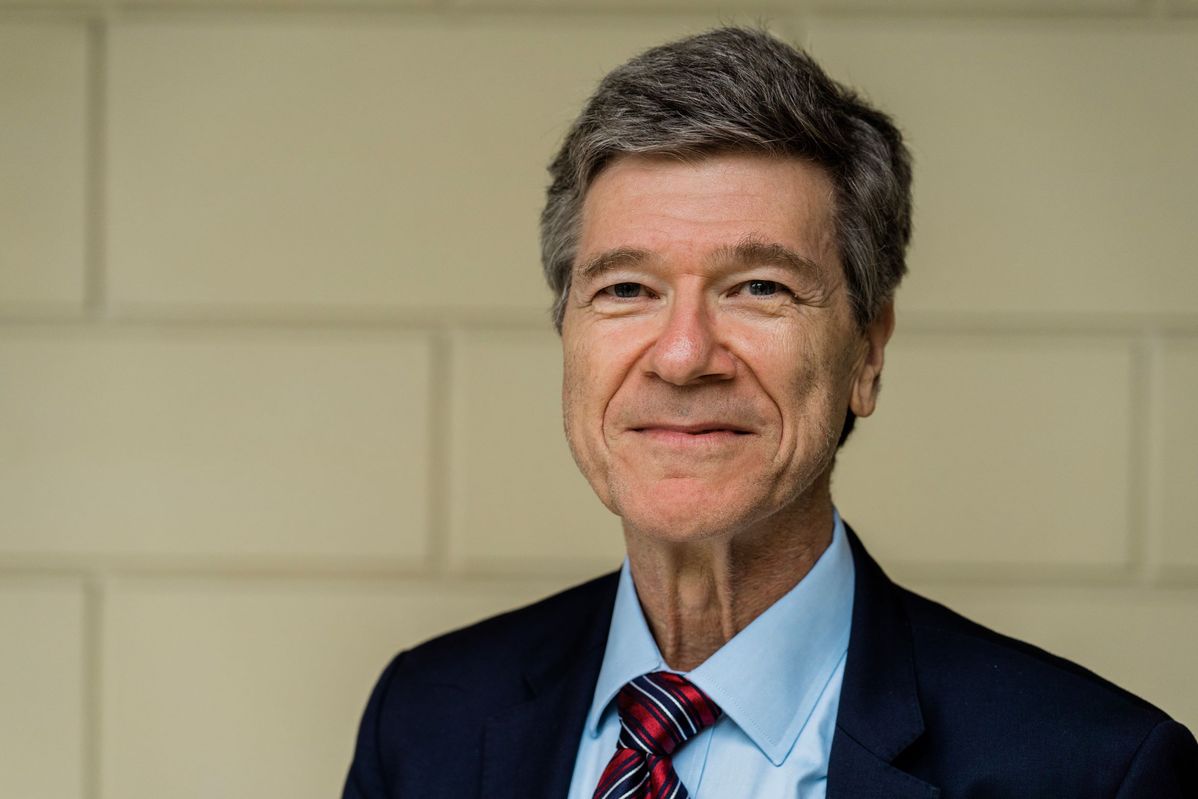
The prevailing view in Washington that China poses a threat to the United States is a mistake with dangerous consequences, a senior US economist warned.
This flawed approach, if left unchecked, risks becoming "a self-fulfilling prophecy of conflict" between the world's two largest economies.
"The Trump administration's decision to impose tariffs on Chinese goods was a deliberate attempt to harm China's economy," said Jeffrey Sachs, a world-renowned professor of economics and director of the Center for Sustainable Development at Columbia University, in an interview during the ongoing Boao Forum for Asia Annual Conference 2025.
It stems from a long-standing US foreign policy mindset that views China as "an adversary that must be contained" — a concept rooted in the Cold War mentality toward the erstwhile Soviet Union, Sachs said, highlighting the heavy-handed use of tariffs over the past months as a coercive tool to force other countries to bend to Washington's will.
US President Donald Trump said he would consider reducing tariffs on China to facilitate the sale of short-video platform TikTok to a non-Chinese buyer, according to a Reuters report on Wednesday.
However, the reality is that the US market is "no longer as strategically important for Chinese exports as it once was", diminishing the leverage that Washington believes it holds over Beijing, Sachs added.
At the request of the US side, He Lifeng, China's vice-premier and Chinese lead for Sino-US economic and trade affairs, held video talks with US Trade Representative Jamieson Greer on Wednesday.
He expressed grave concern over the additional US tariffs on Chinese goods over the issue of fentanyl, the Section 301 investigation and proposed "reciprocal" tariffs, stressing that China hopes the US side will soon return to resolving shared concerns through equal consultation.
"The Trump administration's attempt to restrict Chinese direct exports has led many Chinese enterprises to establish manufacturing operations overseas," said Yao Yang, director of the China Center for Economic Research at Peking University.
Just like years ago, Washington's attempts to constrain China's technological advancement have not only failed to achieve its objectives, but have in fact catalyzed an even faster pace of progress in the nation's domestic innovation ecosystem, Yao added.
In particular, the recent rise of Chinese artificial intelligence startup DeepSeek, Sachs noted, has dealt a blow to the assumption that the US and other high-income countries maintain an unassailable technological advantage over China and the rest of the world.
"The US believed over the last 80 years that it held a monopoly of some technology that would give the country permanent dominance," Sachs said. "When it came to AI and large language models, the US thought it is many years in advance, and then DeepSeek came out of nowhere."
"The emerging and developing economies will continue to grow faster than the already high-income countries. The gap will narrow. We will be in a multipolar world, and it will be a world in which the benefits of technology are shared much more equally than in the 19th and 20th centuries," he said.
However, Sachs said: "What the US is aiming for is dominance. It's aiming for primacy. It's aiming for hegemony, depending on whatever term you want to use. But this is not a sensible objective."
Indeed, the economic fallout from the "America First" doctrine has been far more severe on the US side. The Atlanta Federal Reserve's GDPNow model projects a 1.8 percent contraction in US economic growth for the first quarter of 2025, potentially marking the first quarterly decline since the first quarter of 2022.
"The United States should recognize that China's rise is not only good for China, but also good for the US and the world as a whole," Sachs said.
Contact the writers at wangkeju@chinadaily.com.cn
This year's two sessions is a reconfirmation of the confidence that Merck has in China because the Chinese government has set the economic growth target at 5 percent, focusing more on innovation, especially on new quality productive forces, Marc Horn, EVP of Merck Group, and president of Merck China, told China Daily Website during an exclusive interview at the Boao Forum for Asia in South China's Hainan province, on March 26.
"These are all areas where we are feeling very confident to contribute to because they match very well with our healthcare, life science and electronics businesses," he added. Click the video to find more.
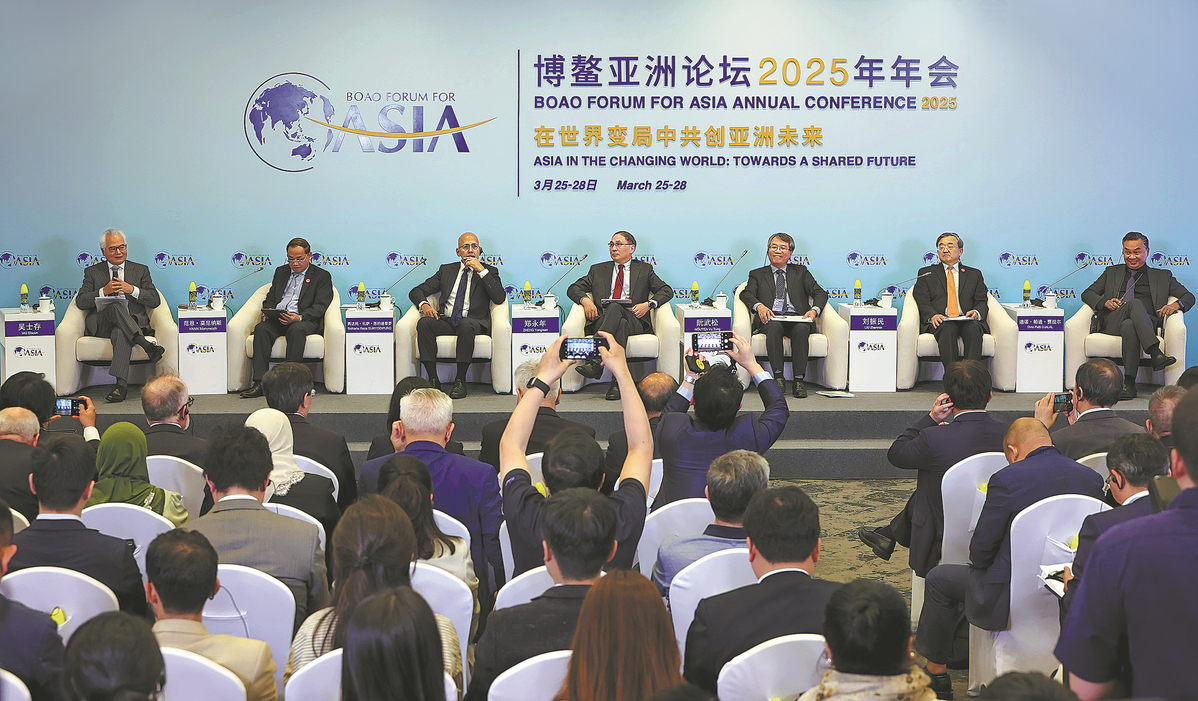
Officials and experts attending the Boao Forum for Asia Annual Conference have underlined the need for the countries involved in the South China Sea issue to resolve their disputes through dialogue to promote peace, friendship and cooperation in the South China Sea.
They made the remarks on Thursday at a subforum, themed "Illuminating the Blue: Building the South China Sea into a Sea of Peace, Friendship and Cooperation", held on the sidelines of the annual conference.
They warned external countries not to stir up trouble, create disruptions or provoke confrontations in the region that would affect the peace and stability of the South China Sea.
Vice-Foreign Minister Chen Xiaodong said that China remains committed to being a stabilizing force in promoting the peaceful development of the South China Sea, while firmly safeguarding its national sovereignty, security and development interests.
While calling for the resolution of maritime issues through bilateral negotiations, he emphasized the need to prevent external forces from interfering in and destabilizing the peace and stability of the South China Sea.
"For the South China Sea to be stable and for its issue to be resolved, external interference must be eliminated," Chen said.
China is willing to work with all parties to comprehensively and effectively implement the Declaration on the Conduct of Parties in the South China Sea, and strive to achieve a Code of Conduct in the South China Sea by 2026, he added.
China has established maritime dialogue mechanisms with all countries involved in the South China Sea issue. Last year, it signed an intergovernmental document on joint maritime development with Indonesia. Consultations on the Code of Conduct are accelerating, and the third reading of the text has been completed.
Sidharto Reza Suryodipuro, director-general and senior official for Association of Southeast Asian Nations cooperation at Indonesia's Ministry of Foreign Affairs, said that Indonesia and ASEAN emphasize the peaceful resolution of disputes and the achievement of maritime stability through diplomacy and international law.
This approach includes the full implementation of the Declaration on the Conduct of Parties and strengthening negotiations with China to reach a substantive Code of Conduct by 2026, he said.
Zheng Yongnian, dean of Chinese University of Hong Kong's School of Public Policy in Shenzhen, Guangdong province, said the South China Sea issue is intertwined with the broader geopolitical environment.
It is crucial to not underestimate the disruptions to the world order by the new presidential administration of the United States, he said, adding that countries involved should address the issue within the larger framework of maintaining stability and development in Asia.
Nguyen Vu Tung, a senior adviser and former president of the Diplomatic Academy of Vietnam, said the foreign policies introduced by the US in recent weeks seemingly tend to alter the existing international order, which is likely to have an impact on the future development of the South China Sea issue.
The fact that Washington takes Beijing as a competitor makes things more complex, he added.
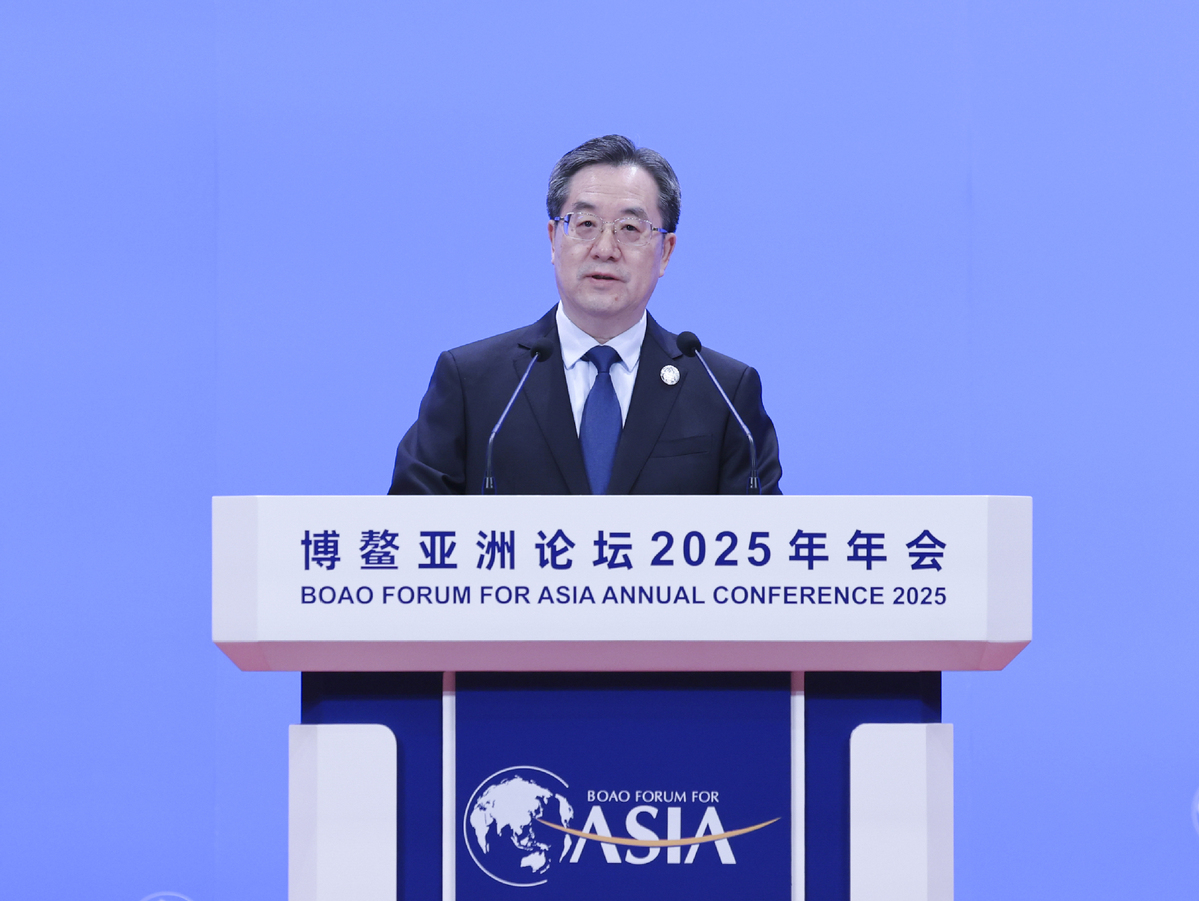
Vice-Premier Ding Xuexiang said on Thursday that the Chinese economy is growing steadily with a stronger outlook despite many difficulties and multiple challenges, thanks to its increasing capacity to drive growth through innovation.
He made the remarks in a keynote speech delivered at the opening of the Boao Forum for Asia Annual Conference 2025, which was held in Boao, Hainan province, with the theme "Asia in the Changing World: Towards a Shared Future".
Ding said that China's firm commitment to the innovation-driven development strategy has notably boosted its innovation capacity.
"We will move faster toward greater self-reliance and strength in sophisticated science and technology, facilitate the integrated development of technological and industrial innovation, and foster and expand emerging and future industries, even as we transform and upgrade traditional industries," he said.
"In my view, apart from the rapidly developing new energy vehicles, other sectors such as artificial intelligence, biomanufacturing, quantum technology and the low-altitude economy will also thrive in China. They will offer opportunities not only for China, but also Asia and the world," he added.
Ding expressed his optimism about the Chinese economy, saying that China is among the world's fastest-growing major economies.
"In January and February, our economy got off to a steady start: The key indicators for industry, consumption and investment all grew faster than in 2024, continuing the upward momentum seen in the fourth quarter of last year," he said.
Speaking about China's GDP growth target of around 5 percent this year, he said the target is based on rigorous projections and methodical planning, underpinned by the country's growth potential and favorable conditions, and supported by its robust policy measures.
"China is confident of realizing its goals and tasks for social and economic development, and it will contribute to the development of Asia and the world," he added.
Ding reiterated China's commitment to deepening reform and opening-up across the board, in order to deliver a more business-friendly environment.
"We will accelerate the implementation of landmark reform measures, better leverage the leading role of economic structural reform, and refine institutions and mechanisms to better support high-quality development," he said.
Noting that opening-up is a distinct hallmark of Chinese modernization, Ding said that no matter how the external environment changes, China will open wider to the world.
While steadily expanding institutional opening-up and further improving market access for foreign investors, the country will expand voluntary and unilateral opening-up in a well-ordered way, he said.
"We warmly welcome businesses from all countries to invest and operate in China, join in the process of Chinese modernization and share in China's development opportunities," he added.
Lawrence Jin, leader of Deloitte Global Chinese Services Group, highlighted China's considerable progress in boosting innovation and the improvement in its business environment.
"Over the past half a year, China's innovation has gained significant global recognition. I believe this will not only support the next wave of globalization for Chinese companies, but also, to a great extent, boost the confidence of multinational companies in further investing in China and participating in its innovation ecosystem," he said.
"Meanwhile, we are pleased to see continuous enhancements in the business environment for both private enterprises and foreign-invested companies. I firmly believe that this will be crucial in strengthening confidence," Jin added.
Abdulrahman Al-Fageeh, CEO of Saudi Basic Industries Corp, a petrochemicals manufacturer based in Riyadh, Saudi Arabia, said he is upbeat about China's economy and his company will continue to expand its presence in the country.
"Speaking of economic development, there are few countries that can match China. Over the past years, China has accounted for more than 30 percent of the global GDP. All of its economic dynamism explains our success in the Chinese market for more than 40 years," he said.
In his speech, Vice-Premier Ding called on Asian countries to work together to strengthen solidarity and cooperation through greater mutual trust, promote economic globalization through openness and integration, seek prosperity and development through mutual benefit and win-win cooperation, and safeguard tranquility and stability through peaceful coexistence.
"We should make full use of regional cooperation mechanisms in East Asia and the Asia-Pacific region, push for high-quality implementation of the Regional Comprehensive Economic Partnership, work toward the signing of the China-ASEAN Free Trade Area 3.0 Upgrade Protocol and promote regional economic integration and connectivity," he said, calling for efforts to ensure that Asia continues to be a region of peace and stability.
Prime Minister of Laos Sonexay Siphandone highlighted the role of China in guiding regional and global cooperation, as mounting geopolitical tensions continue to have an extensive impact on global development.
He said the development of the China-proposed Belt and Road Initiative in the past 10 years and more has proved that it is a bond for promoting mutual connectivity in Asia and Europe, as well as a boost for regional shared development and global progress.
A green transformation is unfolding on Dongyu Island in Qionghai city, Hainan province, setting a new benchmark for global low-carbon development. In March 2024, the island launched a near-zero carbon demonstration project and now, it has achieved a complete transition to zero-carbon status, emerging as a model for sustainable development.
The term "zero-carbon" does not mean zero emissions in absolute terms. Instead, it involves precisely measuring greenhouse gas output, implementing targeted reduction strategies and offsetting remaining carbon footprints to achieve net-zero emissions. This concept has been put into practice on Dongyu Island, home to the Boao Forum for Asia (BFA).
Wang Fuping, director of the Low-Carbon Research Center at the China Academy of Urban Planning and Design Hainan branch, said that the island has not only met international zero-carbon standards but also developed an innovative and replicable blueprint — dubbed the "China Zero-Carbon Solution".
This year's conference integrated environmental practices across multiple sectors, including exhibition setups, energy use, transportation and conference logistics.
All BFA corporate partners used low-toxicity, fire-resistant materials to ensure environmentally responsible construction. Logistics routes were optimized, and new energy vehicles were used to transport materials, reducing carbon emissions.
The conference adopted a fully renewable energy approach, with all venues on Dongyu Island powered entirely by green electricity, including 1,518 solar panels on the traditional Hainan-inspired Coconut Grove Pavilion.
Smart conference systems also reduced reliance on printed materials. Recycled and sustainable materials were used for all official documents and stationery.
"The breakthrough is retrofitting existing infrastructure, not just new construction," Wang said. While projects like Sweden's Hammarby Sjostad eco-town are built from scratch, Dongyu Island demonstrates how older systems can transition to zero-carbon.
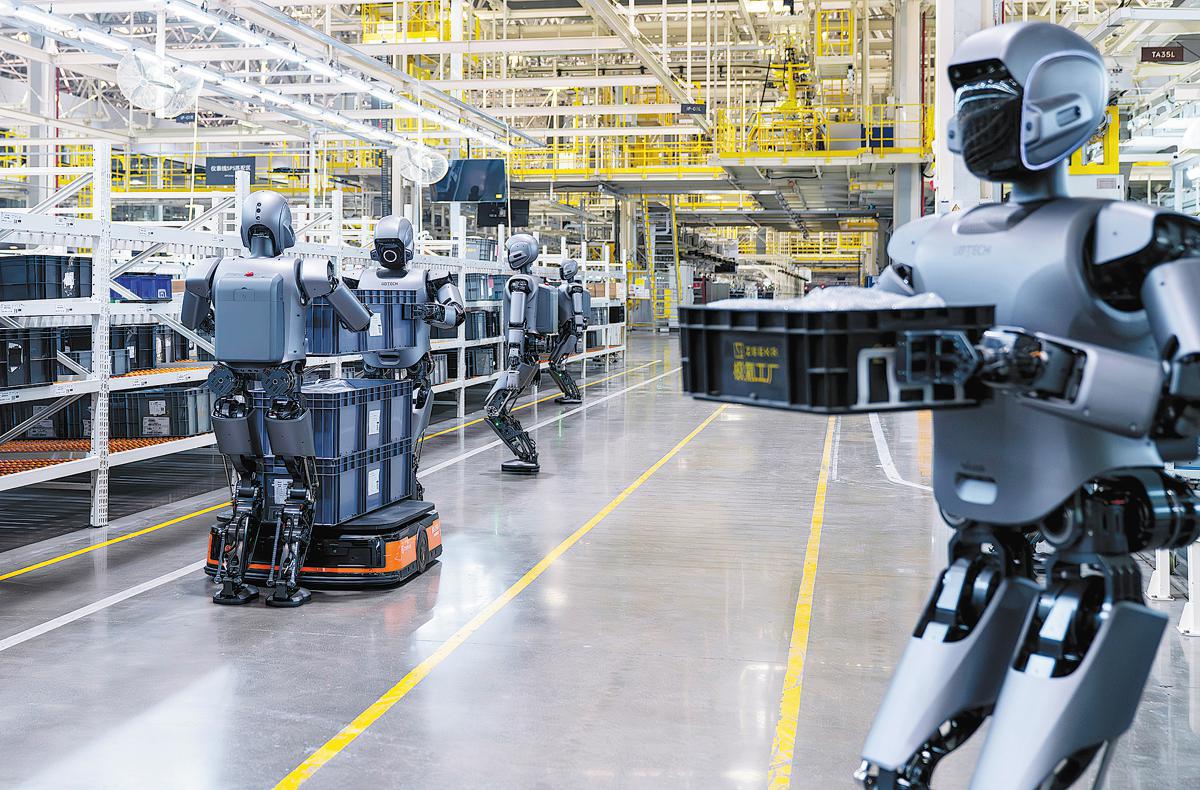
BOAO, China - Propelled by domestic innovation, China is assuming technological leadership globally, transitioning beyond its role as the world's factory, Denis Depoux, global managing director at Roland Berger, a Munich-based consultancy, said on Wednesday.
The vast scale of China's market has played a pivotal role in this shift, allowing companies to test and upgrade products rapidly, said Depoux, who is attending the Boao Forum for Asia annual conference in south China's Hainan province.
"China is unique in the speed at which new technologies are adopted. Even a small pilot project can reach millions of consumers or hundreds of companies, enabling fast-track innovation," Depoux said.
The global economic slowdown, compounded by weakening trade, creates a more challenging environment for China's economy. However, Depoux refutes claims of China's "economic collapse."
The absolute value of China's economy remains strong, offering opportunities for both domestic and foreign companies, he noted.
"The Chinese economy has evolved over the past few decades," Depoux said, referring to the country's transition from a manufacturing hub to a global technological player. "China has invested heavily in R&D, and while its companies are still focused largely on the domestic market, the next step is for them to expand globally -- not just through exports but by creating internationally recognized brands."
To transition from a "Made in China" model to a "Designed in China" model, companies must invest abroad, create jobs and contribute to the economies of their host countries, he added.
China now leads the world in the number of patents for new technologies, driven by both consumer demand for advanced products and companies' efforts to improve productivity, Depoux said.
"Chinese consumers and companies are tech-savvy, with a strong appetite for innovation," Depoux said, adding that these factors make China an attractive market for foreign firms seeking new and tech-driven opportunities.
Although geopolitical tensions and supply chain disruptions have raised concerns about the future of globalization, Depoux remains optimistic, asserting, "Globalization continues, but in a new form."
"The old model, which concentrated capital, resources and labor, no longer holds," Depoux said, adding that a new paradigm, one that emphasizes more on carbon footprints and overseas production, is taking shape instead.
Depoux expressed concern about protectionism, warning that tariffs and restrictive trade policies could harm global supply chains and economic efficiency.
"Globalization has shown us that efficient supply chains, driven by comparative advantages, create prosperity," he said. "Protectionism only hampers this process. We need to fend it off."
China's economic prospect is quite bright, said Carl F. Fey, a professor of strategy at BI Norwegian Business School, to China Daily Website during an interview at the Boao Forum for Asia 2025. He emphasized that China's economy isn't going to stop growing, as the Chinese government has done a lot of things to ensure a stable economic growth in the future, including improving the intellectual property protection.
Fey also noted that China is evolving from the "world's factory" to a global innovation powerhouse, with initiatives such as the China International Import Expo facilitating foreign companies' market entry and increasingly transparent regulations fostering a favorable business environment. Click this video to learn more!
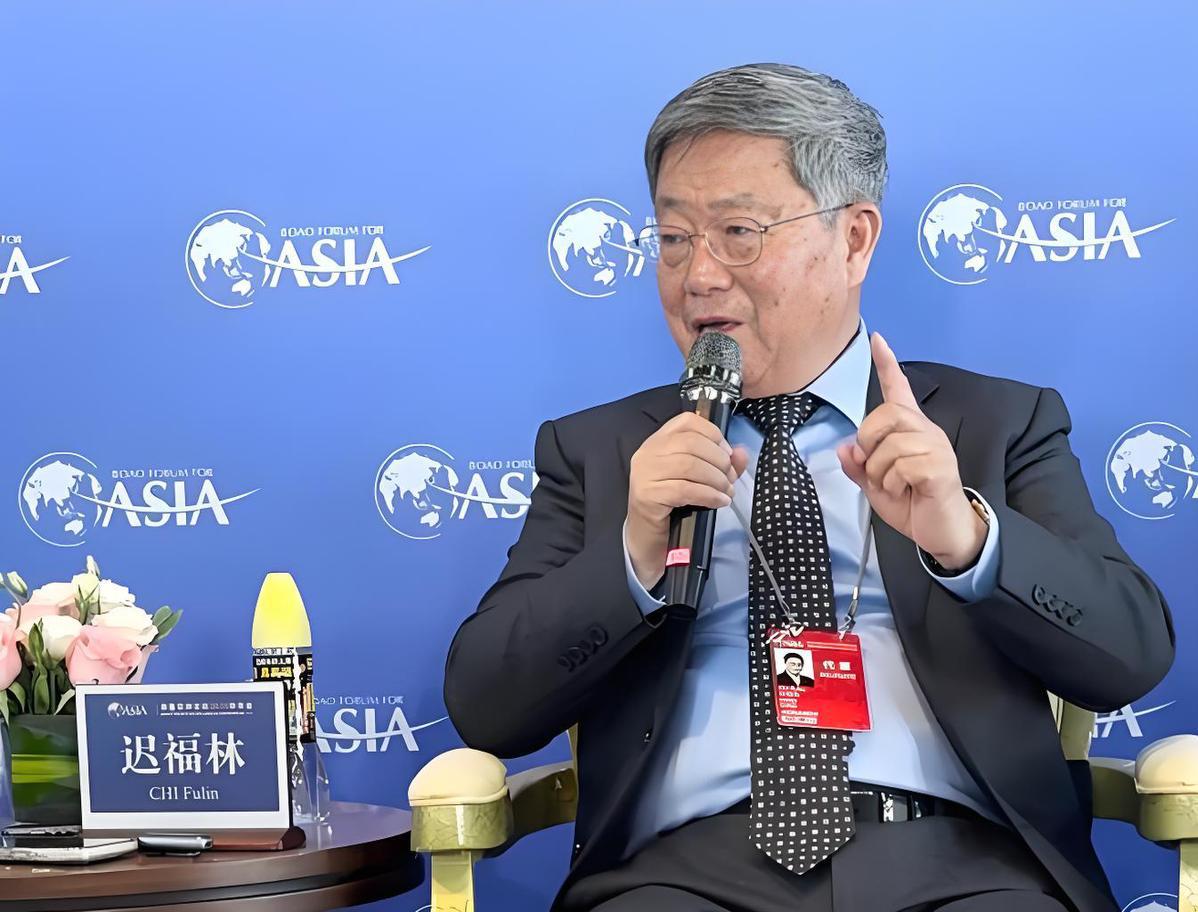
The Regional Comprehensive Economic Partnership plays a key role in advancing regional economic integration, said Chi Fulin, president of the China Institute for Reform and Development, on Tuesday during the ongoing Boao Forum for Asia Annual Conference 2025.
Chi highlighted RCEP's role against the backdrop of shifting global geopolitics, noting that it has become the world's largest, most equitable and promising free trade zone amid global uncertainties.
"RCEP covers one-third of global GDP, population and trade volume. It includes both developed and developing economies, along with least developed countries, offering a framework that emphasizes fairness and inclusiveness," he said.
Chi noted that the agreement would bring substantial benefits to less developed members. While Japan and the Republic of Korea have a rules-of-origin utilization rate of around 50 percent, other members, including China, remain below 3 percent. He identified this gap as an opportunity for growth.
He also warned that RCEP is at a critical stage. While ASEAN is projected to become the world's fourth-largest economy by 2030, and the region is expected to remain a leading growth engine, progress depends on continued openness and cooperation among member states.
Chi called for greater attention to China's engagement with ASEAN under the RCEP framework. He described it as a vital component of China's regional strategy, especially in the face of protectionist trends.
He proposed expanding RCEP's membership to include the Hong Kong Special Administrative Region, Chile and Sri Lanka. He added that alignment between RCEP and other regional organizations, such as the Shanghai Cooperation Organization and the Gulf Cooperation Council, could further advance economic integration.
Chi emphasized the importance of cooperation between the Hainan Free Trade Port and Hong Kong. He noted that trade and investment with RCEP economies already account for about 70 percent of Hong Kong's external volume.
He urged the Boao Forum for Asia to play a stronger role in supporting economic cooperation in Asia, stressing that regional stability is key to long-term development.
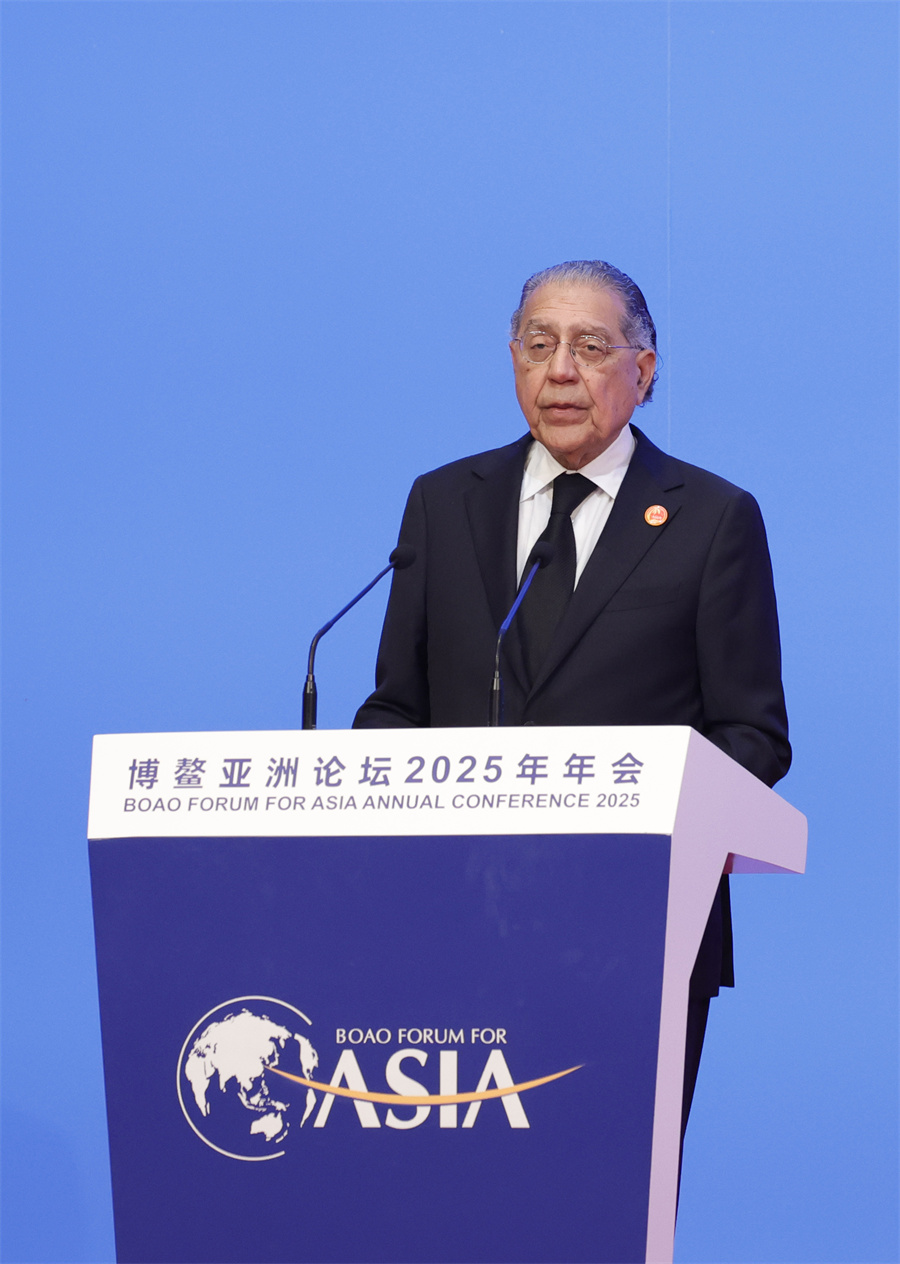
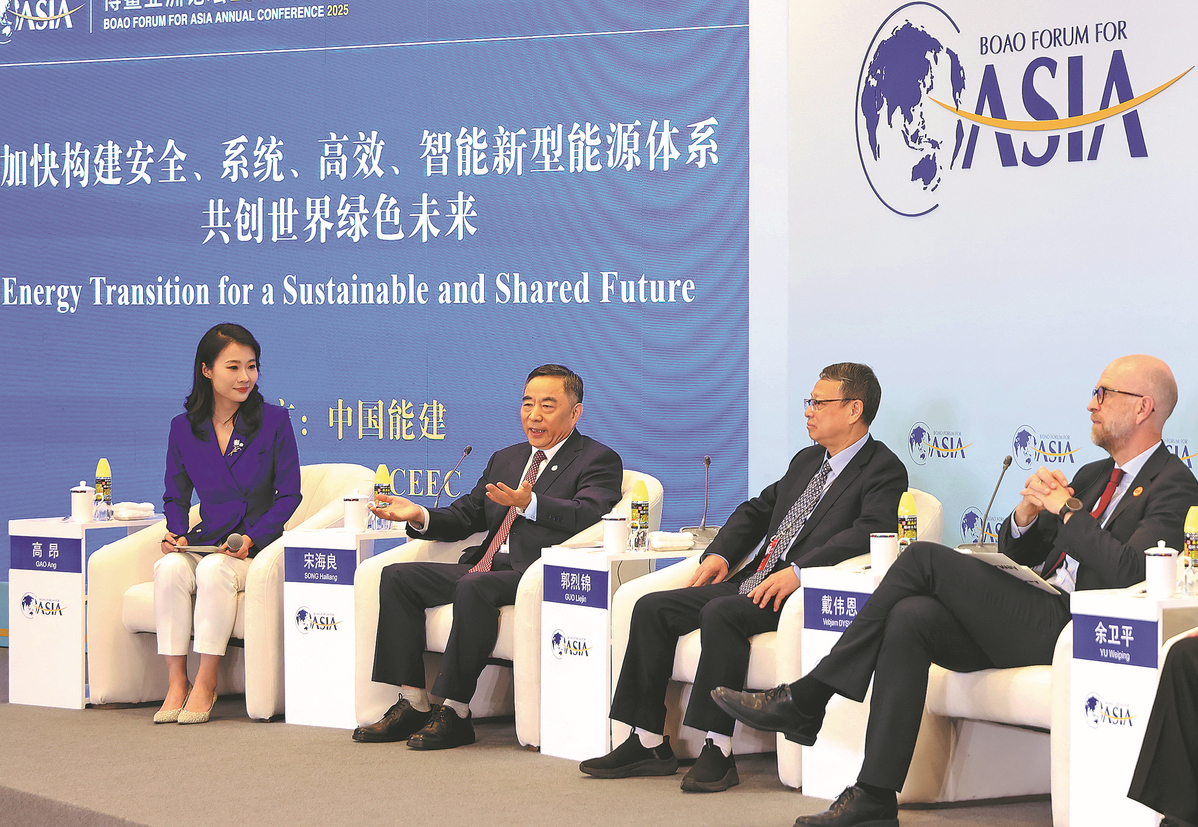
China Energy Engineering Corp Ltd is planning for a bigger role in global energy transition and infrastructure development through its latest efforts to expand green hydrogen and artificial intelligence, its chairman said.
CEEC is advancing integrated renewable energy, hydrogen, and storage solutions, and its latest green hydrogen projects are expected to play a key role in decarbonizing industrial sectors, Song Hailiang, Party secretary and chairman of CEEC, said at the ongoing Boao Forum for Asia Annual Conference on Tuesday.
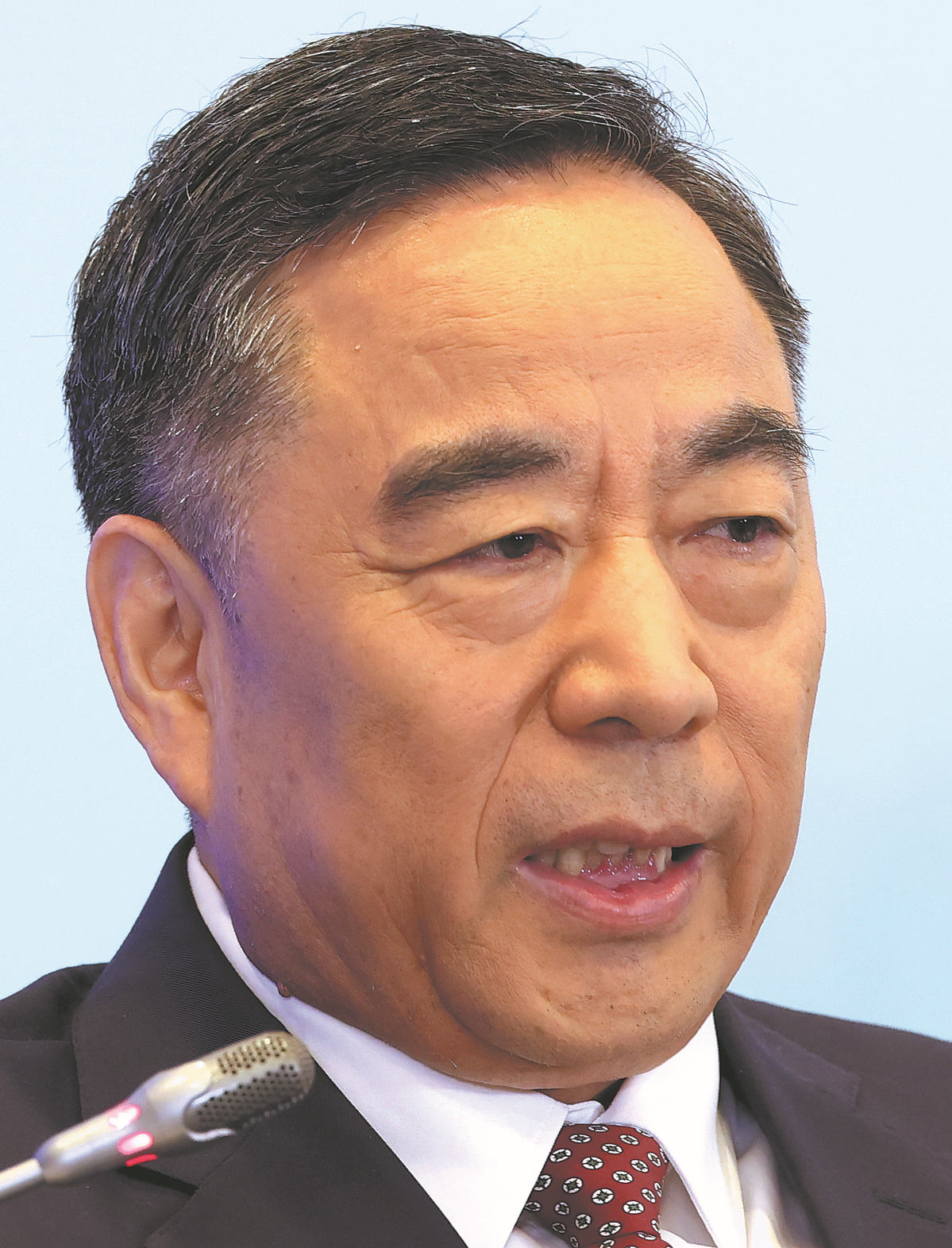
"A major milestone will be reached in September, when the world's largest integrated green hydrogen-ammonia-methanol project in Songyuan, Jilin province, is set to begin operations," Song said.
Green hydrogen-ammonia-methanol is a sustainable energy solution that combines the generation of green hydrogen with the synthesis of green ammonia and green methanol, and aims to create a cohesive system for producing essential chemicals and fuels with minimal environmental impact.
Song said: "As the scale of renewable energy continues to grow, building a secure, systematic, efficient and intelligent new energy system has become a global challenge.
"The company will bet big on renewable energy supply, consumption, infrastructure planning, technology, and policy mechanisms to address these issues."
According to Song, CEEC has signed major investment agreements exceeding 110 billion yuan ($15.3 billion) domestically and $11.8 billion abroad, with major energy projects spanning China, Egypt, Morocco, and Central Asia.
The company's domestic green hydrogen and ammonia aviation oil capacity has surpassed 1.35 million metric tons, while its green hydrogen and ammonia production capacity has reached 2.6 million tons overseas.
In addition, Song said that CEEC is also pushing for a deep integration of AI and energy systems. "To develop AI, the ultimate bottleneck is electricity," he said.
In 2024, China's data centers and 5G base stations are expected to consume 250 billion kilowatt-hours of electricity, close to triple the annual output of the Three Gorges Dam.
"With data processing and computing power needs surging, the company sees renewable energy and storage solutions as critical for sustaining AI-driven industries," he emphasized.
As part of its strategy, CEEC is developing digital-energy integrated infrastructure. Its east-data-west-computing project combines computing power, enabling better coordination between data centers and power grids.
Further, Song said that the company will accelerate its international operations, expanding renewable energy projects and infrastructure investments across markets involved in the Belt and Road Initiative.
The company, which operates in over 140 countries and regions, said that its overseas renewable energy contracts now account for nearly half of its total signed agreements.
Song said the company remains committed to high-quality energy cooperation under the BRI, bringing Chinese technology, equipment and expertise to global markets.
"Our goal is to move from simply 'going global' to deeply integrating into local markets," he said, adding that CEEC will focus on long-term partnerships and sustainable infrastructure projects.
chengyu@chinadaily.com.cn
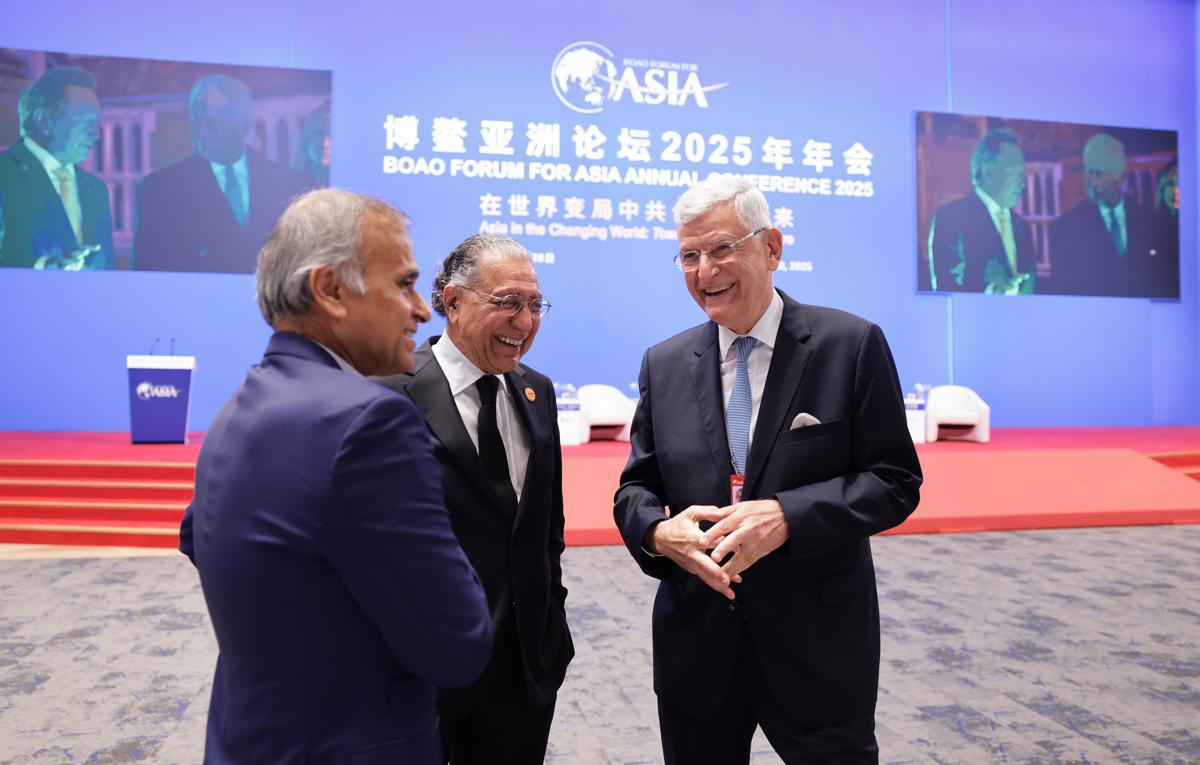
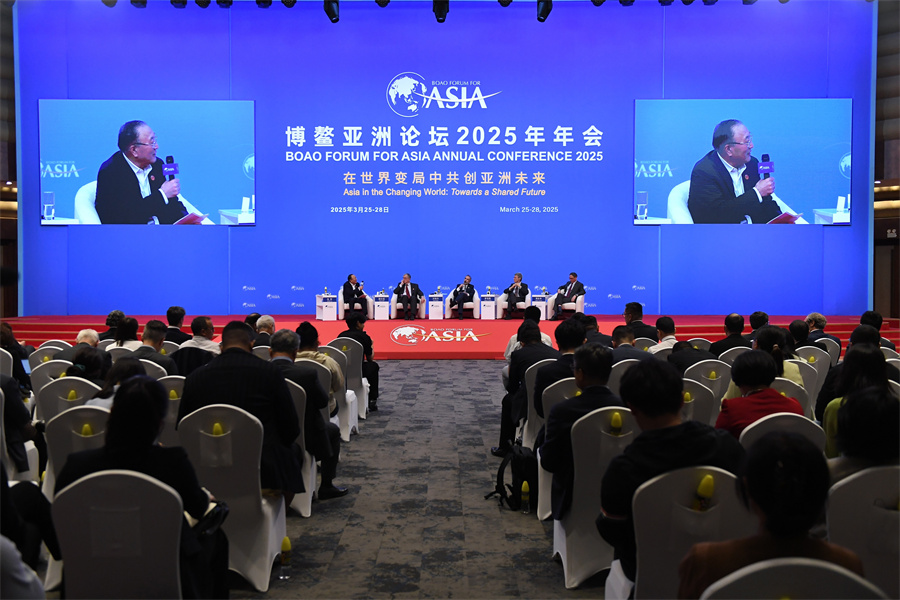
Multilateralism should be reinvigorated in promoting the building of a just and rational global governance system to cope with pressing global challenges, according to officials and experts attending the Boao Forum for Asia Annual Conference.
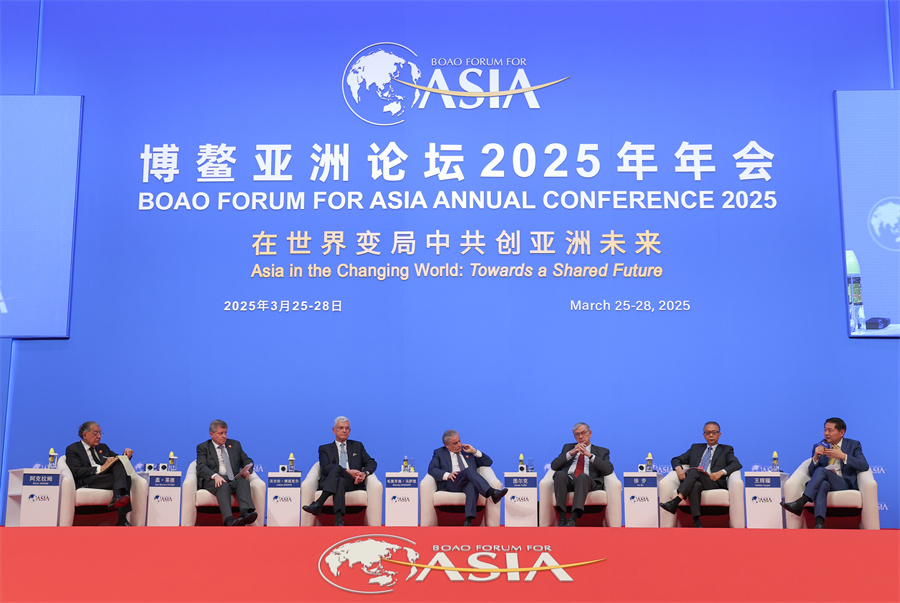
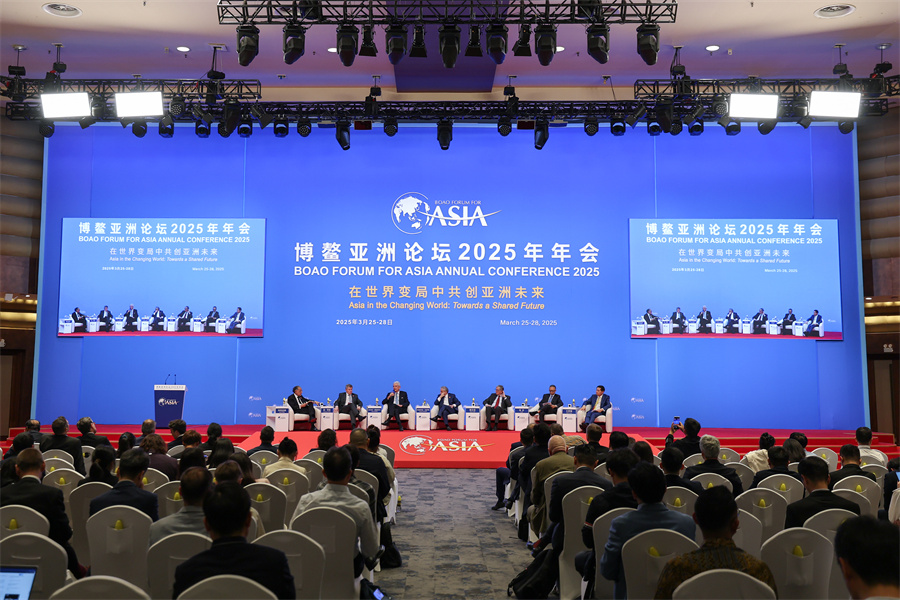
Themed "Asia in the Changing World: Towards a Shared Future", this year's conference, running from Tuesday to Friday, is designed to promote openness and development and carry out the commitments of the United Nations Summit of the Future while focusing on the development of Asia.
"Global threats require global responses," Vice-Foreign Minister Chen Xiaodong said on Wednesday at High-Level Dialogue: Global Governance after the UN Summit of the Future, one of the panel discussions during the conference.
"Faced with a complex and severe international situation, we must uphold true multilateralism," he said.
Chen highlighted the core role of the UN in the international system and called for safeguarding the authority of the intergovernmental body.
"We should replace group confrontation with inclusive cooperation, and break 'small circles' with greater unity," he said.
Chen urged major countries to lead by example in upholding integrity and the rule of law, saying that "prioritizing one's own interests will only harm others while not benefiting oneself".
Noting that the current international situation is marked by a mix of uncertainty and instability, Chen warned that the world faces the risk of reverting to the law of the jungle. "It is imperative for countries to work together to advance global governance," he added.
Chen said that faced with serious challenges, China has proposed the concept of building a community with a shared future for mankind, along with the Global Development Initiative, the Global Security Initiative and the Global Civilization Initiative, guiding the way to address the common challenges that countries are facing.
The dialogue is viewed as a follow-up to the UN Summit of the Future, which concluded with the Pact for the Future, including a Global Digital Compact and a Declaration on Future Generations. The pact covers a broad range of themes, including peace and security, sustainable development, climate change, digital cooperation, human rights, youth and future generations, and the transformation of global governance.
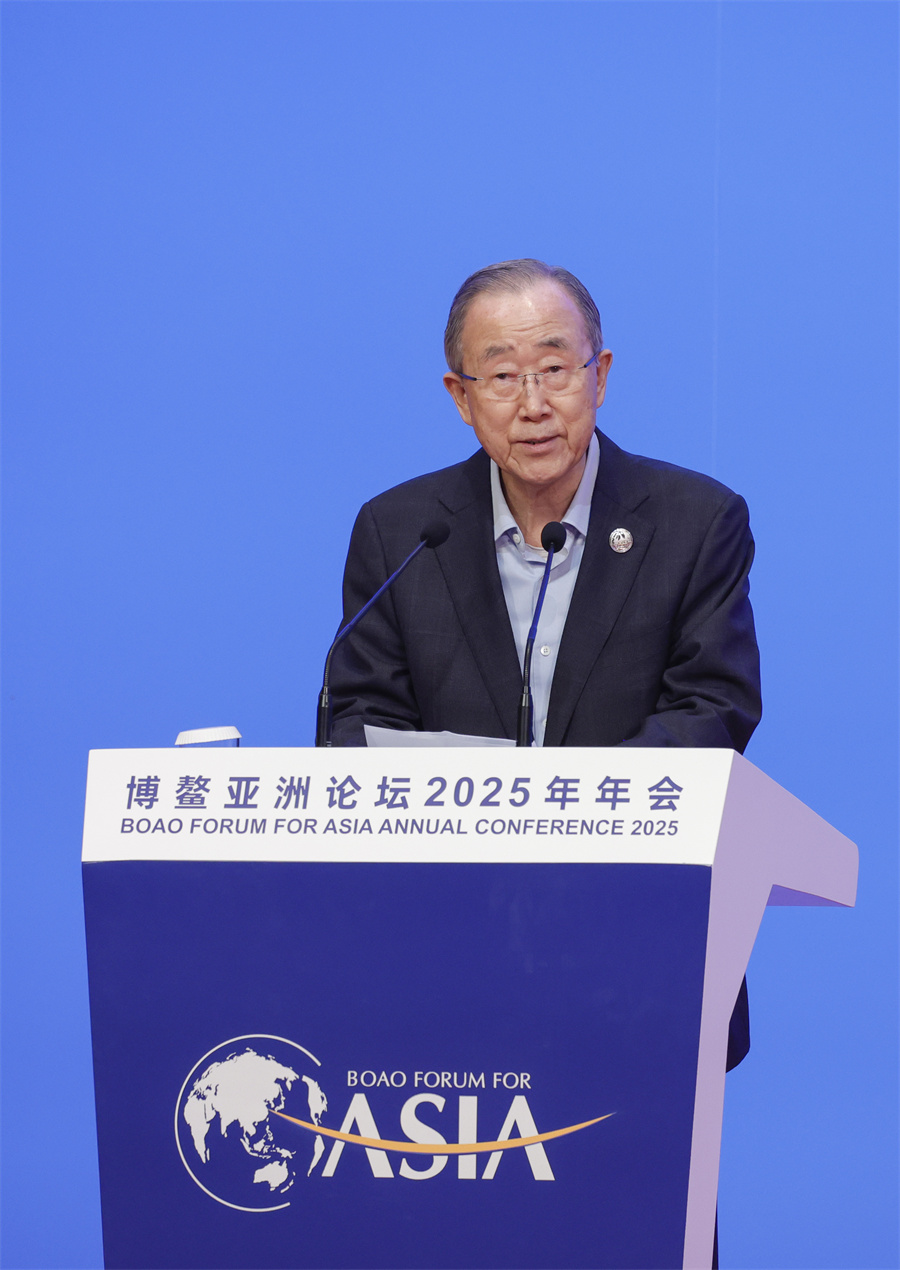
Addressing the dialogue meeting, Ban Ki-moon, chairman of the Boao Forum for Asia and a former UN secretary-general, said that the demand for global governance has never been greater than today. "We are facing a growing global governance deficit, and that must be addressed with urgency," he said.
Ban emphasized the role of the UN and the multilateral system, saying that multilateralism is an effective approach to address common challenges.
"Countries must be guided by diplomacy, not by violence," Ban said. "They must be guided by the purposes and principles of the United Nations Charter, not the law of the jungle. Countries should have closer trade and economic cooperation, not protectionism or beggar thy neighbor practices."
This year marks the 80th anniversary of the UN's founding. Ban said that it's not just a time to celebrate the achievements the UN has made, but also a time to reflect on "what can be done to ensure it is representative, responsive and effective".
In his speech at the dialogue, Guy Ryder, UN undersecretary-general for policy, talked about the challenges faced by the global body.
"We are living in a time of great disruption and great uncertainty. Consequences are difficult to predict, but we are already feeling the pressures facing the international system. Multilateralism, its values and even its legitimacy are being questioned," he said.
At the same time, global challenges such as conflicts, poverty, climate change and the governance of technologies are becoming increasingly complex, he said, and the ability to address those challenges through global cooperation appears to be shrinking.
Ryder added that the way forward for the international community is one in which the rule of law and cooperation prevail, or otherwise the world will enter an era in which there will be a high degree of confrontation, and the notion that "might is right" will prevail.
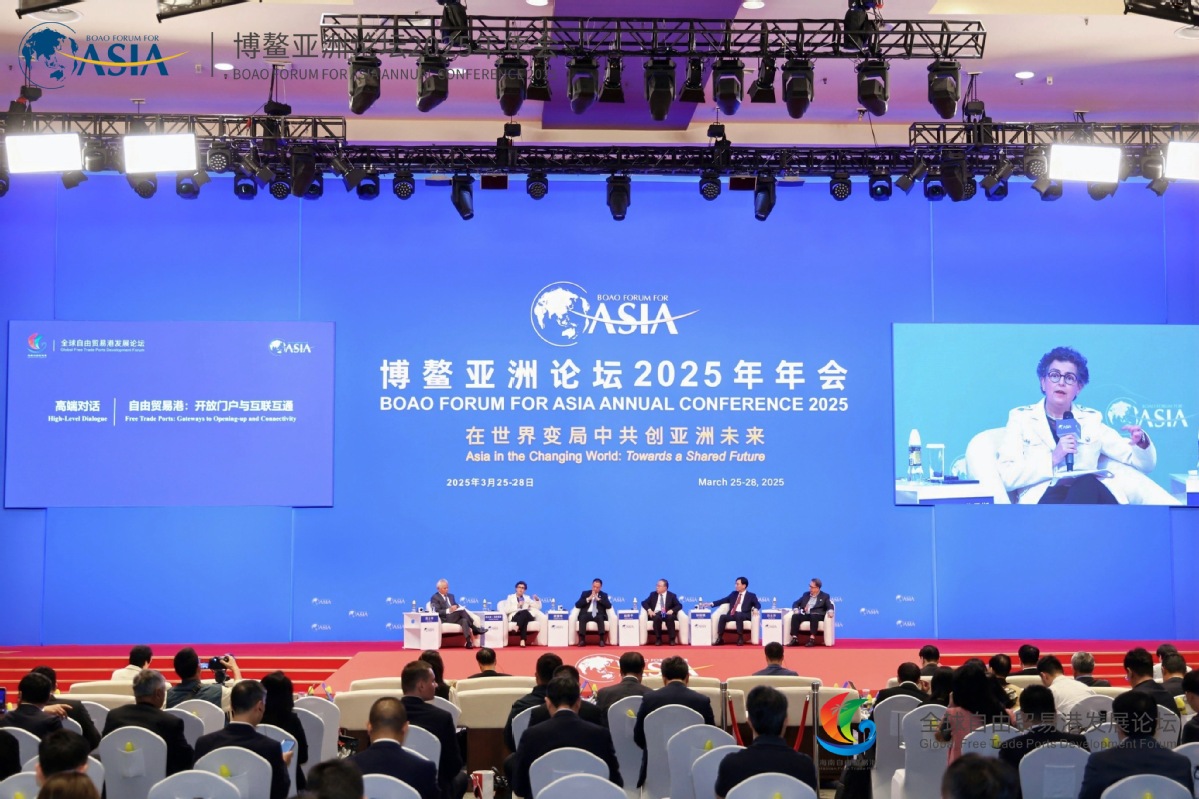
China's Hainan province emerged as the newest high-level player in the free trade port arena during the fourth Global Free Trade Port Development Forum, where global leaders and policymakers championed free trade ports as vital engines for economic growth amid rising protectionism.
Xie Jing, vice-governor of Hainan, acknowledged the global trade challenges posed by rising protectionism but emphasized the role of free trade ports as hubs for innovation and cooperation. "How FTPs can advance global free trade, foster connectivity and enhance competitiveness through policy exchange is a critical issue," she said.
Ban Ki-moon, chairman of Boao Forum for Asia, praised FTPs as "incubators" for trade liberalization, citing hubs like Dubai, Singapore and Hong Kong - along with Hainan's rising ambitions. "China's high-level opening is significant for Asia and the world," he said, calling Hainan's transformation "a bold move requiring vision". He noted the island province's shift from infrastructure supporting tropical agriculture to high-tech industries, calling it a magnet for global talent and capital ahead of its imminent independent customs operations - a key step in becoming a full-fledged FTP.
Hainan Governor Liu Xiaoming gave a speech detailing policy incentives, including zero-tariff lists, 15 percent corporate tax rates and streamlined cross-border finance under the new Electronic Fence account system. The province's 2024 foreign trade grew 20 percent, and its service trade increased by 23.9 percent, with foreign direct investment and outbound investment ranking among China's highest. Following the independent customs operations, Liu said, Hainan will offer "greater openness, stronger policies and wider global reach", positioning itself as a hub for talent and business.
John Lee Ka-chiu, chief executive of the Hong Kong Special Administrative Region, said Hong Kong is proud to be part of the Global Free Trade Zone (Port) Partnership Initiative, launched at this very forum two years ago. "We will continue to join hands with our friends in Hainan in promoting the vast opportunities and benefits that free trade and market liberalization could bring to the world," he added.
The fourth Global Free Trade Port Development Forum is a sub-forum of the Boao Forum for Asia Annual Conference 2025.
Free trade ports can drive connectivity and opening-up forward especially in a changing world where geopolitical shifts, poverty and even supply chain disruptions prevail, as emphasized by guests and experts participating in the Free Trade Port Development session on Tuesday under the 2025 Boao Forum for Asia.
Ban Ki-moon, chairman of Boao Forum for Asia, said the impressive participation at the 2025 forum shows how important promoting free trade is, especially in a turbulent world where unfair trade caused by protectionism is rising. This is why it is essential to develop free trade ports to deepen global connectivity and cooperation, he added.
Promoting the growth of free trade ports can help Asia, now an engine of global growth, to promote multilateralism and reject protectionism, stressed John Lee Ka-chiu, chief executive of the Hong Kong Special Administrative Region, at the conference.
"Hong Kong is a global city that thrives on connecting the world. For over a century, Hong Kong has thrived as a free port. Now an international financial, shipping and trade center, Hong Kong is celebrated for its strategic location and world-class connectivity," Lee said at the conference.
Arancha Gonzalez, former Spanish foreign minister, said at the conference that free trade zones are playing a healthier role today in addressing global risks and challenges, particularly in countering the rise of trade protectionism and fostering sound global economic growth.
Leong Vai Tac, former secretary for economy and finance of the government of Macao Special Administrative Region, said during the conference that in addition to Hong Kong, Macao is also a global trade hub and an important free trade port, a fact that was mentioned several times by guests on stage. Macao is actively expanding its global network and working hard to attract businesses from around the world to invest, including companies from Africa and Latin America, and is already achieving positive results, he added.
Pei Sai Fan, adjunct professor of the National University of Singapore and former founding director of MAS Academy of Singapore, told China Daily that both Hong Kong and Singapore are world-class free trade ports, with Singapore primarily serving ASEAN and Hong Kong mainly connecting the world through the mainland. Rather than competing, the two can enhance cooperation and connectivity, as collaboration will lead to greater development for both, he stressed.


