Turning nation's aging challenge into opportunity
Long-term care insurance, silver economy and flexible working key components of 15th Five-year Plan









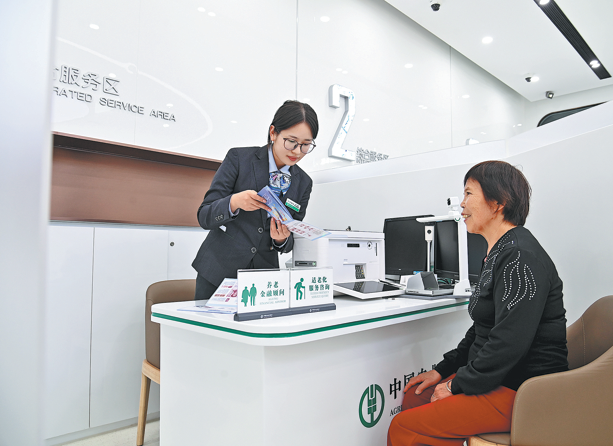
Under the new policy taking effect from Jan 1, the retirement age of men will be raised from 60 to 63, and from 55 or 58 for women, depending on their occupations. The policy stresses that it is "voluntary and flexible", and that retirement age can be adjusted accordingly to facilitate compliance with the new calculation system.
In comparison, in developed nations, the statutory retirement age averages around 64 to 65 years. However, many countries have passed laws to increase this to 67 over the next decade.
Peng Qingyun, an associate professor from the School of Law at Jiangnan University in East China's Jiangsu province, said that in order to adapt to these changes, training should be given to older workers so that they can update their skills.
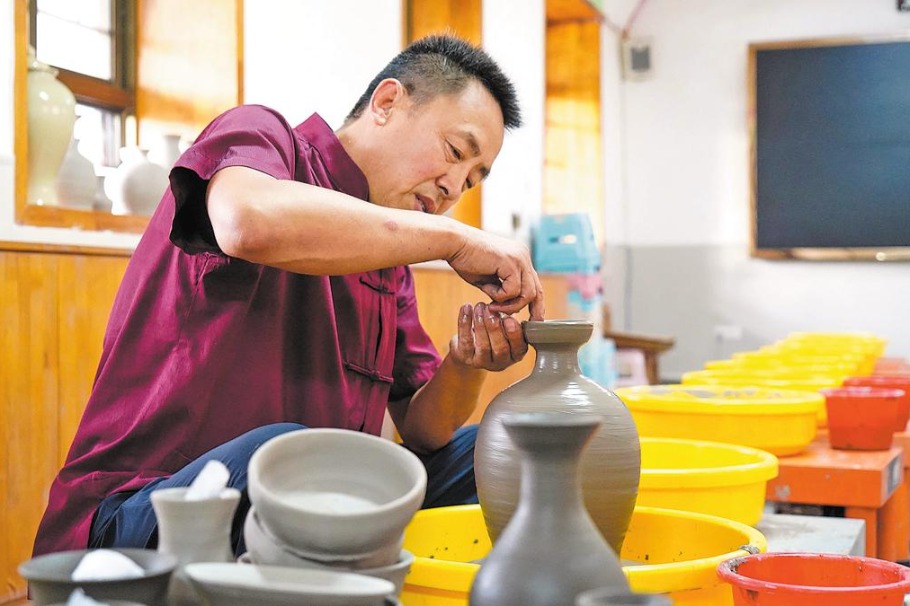
"Prejudices against age are common to see, and the elderly are usually seen as a burden on society," she said, adding, however, that it will become more normal to hire "younger" elders aged 60 or above with the newly implemented retirement policy.
Peng said that some State-level notices and guidelines have been published in recent years to tighten the protection of working rights for people past retirement age who have returned or wish to return to the job market, offering policy guidance and legal support for utilizing the senior workforce.




- Turning nation's aging challenge into opportunity
- Ultra-cheap dress blind boxes spark health, quality concerns
- Chinese researchers find new treatment path for high-risk breast cancer
- China cracks down on organized crime involving minors
- Two Taiwan suspects wanted in mainland smuggling case
- Lhasa promotes initiative to foster a skilled workforce