
The China Story
at your Fingertips
OPEN

TIANJIN — Global investors are seeking new business opportunities in China, as the world's second-largest economy embarks on a path of innovation-driven development.
During the Summer Davos Forum late last month, heavyweight companies from home and abroad reached a consensus that China's commitment to innovation helps them thrive in an increasingly digitalized world.
German mechanical and electrical drive producer, Flender, has scaled up its investment in the Chinese market in recent years while eyeing the country's growing appetite for hi-tech and innovative products.
Over the past two decades, the number of customers of high-end industrial materials and industrial components has expanded exponentially in the Chinese market, said Gou Jianhui, chairman and CEO of Flender Ltd China.
"This shows that China's industrial technologies have kept evolving, and its consumer demand is shifting to upmarket products, which are positive trends of development," Gou said.
In the northern port city of Tianjin, a new research and development center has been put into service this year by Pegasus, a century-old Japanese manufacturer of industrial sewing machines. According to Pegasus, the move aims to boost the market competitiveness of its products.
As China's high-end clothes sewing market thrives, this R&D center will help the company cater to the country's growing demand for high-performance, multifunctional sewing machines, said Okada Yoshihide, general manager of Pegasus (Tianjin) Sewing Machine Co Ltd, a wholly-owned subsidiary.
"We will increase our efforts in R&D and sales of new products to further expand our business in China," Okada added.
Official data showed that overseas firms are important drivers and beneficiaries of China's innovation-driven growth, with the R&D investment by major foreign-funded industrial enterprises in the country soaring by 91.5 percent from 2012 to 2021. The number of their valid invention patents increased from 68,000 to 241,000.
Behind the figures is a persistent endeavor by the country to encourage innovation on all fronts. Official data showed that China's spending on R&D totaled 3.09 trillion yuan ($427.2 billion) in 2022, an increase of 10.4 percent over the previous year.
The country has recorded double-digit growth in such spending annually since 2016, according to the National Bureau of Statistics.
Among the latest efforts in this regard, Chinese policymakers decided last month that "the principal position of enterprises in scitech innovation should be ensured with institutional arrangements", and opportunities presented by the new sci-tech revolution, such as artificial intelligence, should be seized.
"In the long term, the innovation capacity of China is growing rapidly, and we believe that China will be at the center of the future pharmaceutical revolution," said Alex Zhavoronkov, founder and CEO of Insilico Medicine, a pharmaceutical company headquartered in New York and Hong Kong.
Attracted by China's huge market and growing innovation capacity, Insilico Medicine built a drug research and development center in Shanghai in 2019. It has now become the largest and most talent-intensive among the company's centers and offices globally.
"Our Chinese team, with strong innovation and expertise, is driving Insilico Medicine's global business development. We are optimistic and confident about business growth in China in the future," said Zhavoronkov.
Transforming into a global hub for innovators, China moved up to the 11th spot in the Global Innovation Index 2022 released by the World Intellectual Property Organization, marking an impressive climb of 23 places from its 2012 ranking.
Yu Feng, president of Honeywell China, said that the nation's solid implementation of an innovation-driven development strategy had helped the digital economy flourish and nurtured new sectors and hi-tech products.
"This provides vast opportunities for companies that are dedicated to technological innovation," Yu added.
Xinhua
It was quite a spectacle indeed. In the last week of June, thousands of C-suite executives, government officials and media members participated in the 14th Annual Meeting of the New Champions, also known as Summer Davos Forum, in Tianjin.
Over three days, they interacted, shared insights and collaborated. They highlighted emerging fields such as sustainability and green development, which will be central to future development and growth. All this is significant given that the world is entering the post-pandemic era amid a cloudy global outlook.
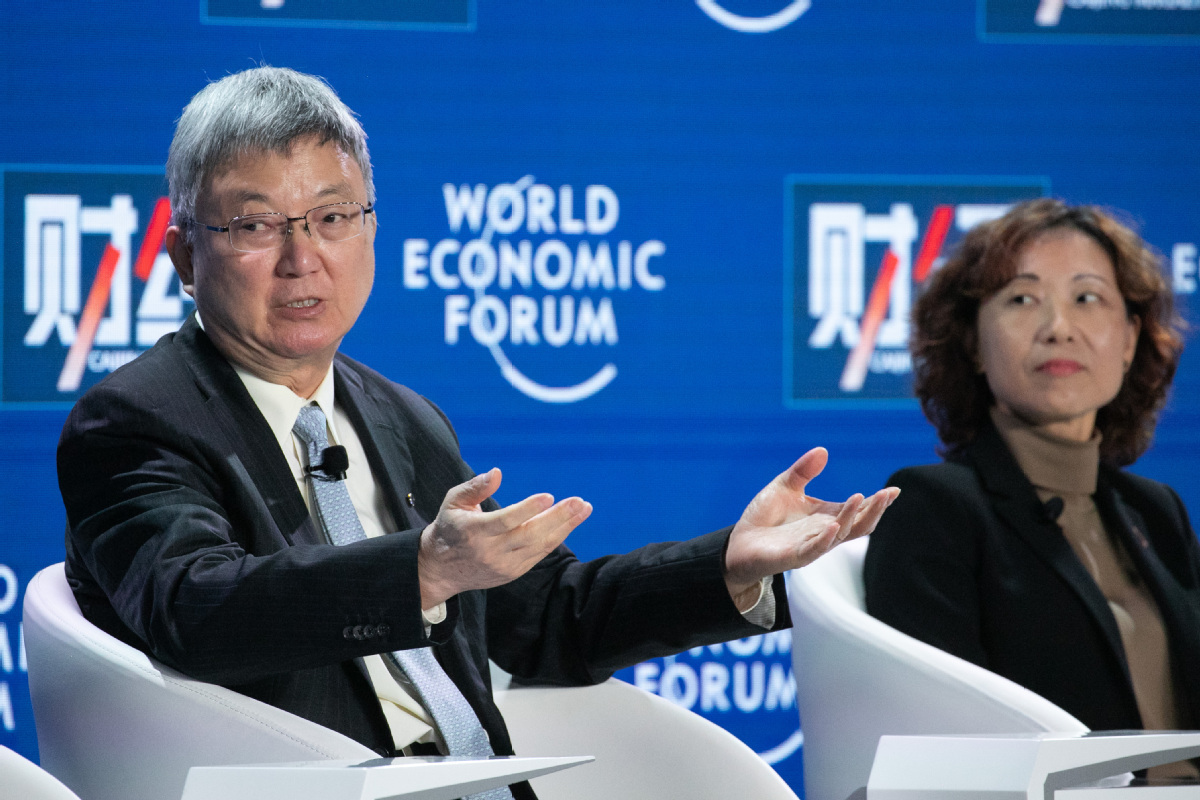
Forum participants, including luminaries such as Zhu Min, vice-chairman of the China Center for International Economic Exchanges, said they see huge growth potential in China's green transition and future development as it will help create new growth drivers and promote high-quality and sustainable development in the long run.
After years of development, China has become the world's largest energy producer, built a diversified and clean energy supply system, and made considerable progress in its green transformation of energy during the past decade.
China's installed capacity of renewable energy generation has surpassed 1.1 billion kilowatts, nearly four times that of the level a decade ago and accounting for over 30 percent of the world's total installed capacity of renewable energy. Installed capacity for hydropower, wind, solar and biomass power generation has gained top spots worldwide, data from the National Energy Administration showed.
Now, China is taking concrete steps to foster green, low-carbon, high-quality development as it embarks on a path toward carbon peak and neutrality. The country has announced that it will peak carbon dioxide emissions before 2030 and achieve carbon neutrality before 2060.
Given that backdrop, dairy producer Mengniu Dairy will underline green and sustainable development as it has the capability to achieve its own goal of peaking carbon emissions by 2030 and reaching carbon neutrality by 2050, said its CEO Lu Minfang.
"We have adhered to sustainable production methods," Lu said. "On the one hand, we promote green development through measures such as expanding afforestation and curbing desertification. On the other hand, we continuously reduce energy consumption and carbon emissions through technological transformation, including artificial intelligence."
For instance, Mengniu recently announced the world's first fully intelligent dairy factory, the Mengniu Ningxia facility, was complete and has commenced operations.
It said the new facility is the largest single-liquid milk factory in the world. At full capacity, the factory can achieve "three one-hundreds", meaning that 100 employees can produce 1 million metric tons of dairy products annually, with an output value of 10 billion yuan ($1.38 billion).
With the digitalization of the entire industrial chain, equipment chain and system chain, Mengniu said the factory's overall energy consumption is down by 43 percent.
During the Tianjin forum, Liang Linchong, deputy director of the Department of Regional Opening-up at the National Development and Reform Commission, highlighted the importance of fostering green and sustainable development, saying the country is dedicated to promoting green construction of the Silk Road.
Looking into the future, he said China will work with countries involved in the Belt and Road Initiative to promote green and low-carbon development in terms of cooperation in fields like infrastructure, energy, finance and climate change.
The 14th Annual Meeting of the New Champions, also known as the "Summer Davos", was recently held at the Meijiang Convention and Exhibition Center in Tianjin.
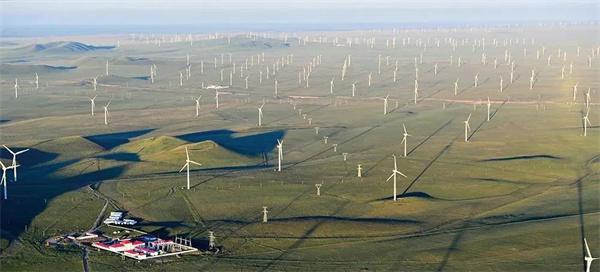
All of the 1 million kWh of electricity used during the event came from wind power generated in Xiliin Gol League of Inner Mongolia autonomous region over 600 kilometers away.
To put this into perspective, that is equivalent to the daily electricity consumption of a small or medium-sized city with a population of 50,000 to 100,000. As early as 2014, the State Grid planned and constructed the Xiliin Gol to Shandong Ultra High Voltage Alternating Current project, which passes through Inner Mongolia, Hebei, Tianjin and Shandong.
Inner Mongolia has supported the construction of the Inner Mongolia UHV power grid. Up to now, two UHV power transmission channels, namely those running from Xiliin Gol to Shandong province and from Xiliin Gol to Taizhou in Jiangsu province, have been completed and put into operation, local authorities said.
With the construction of a national energy base, Inner Mongolia has explored new models for power grids. Therefore, multiple low-cost green electricity supply models have been established to help companies reduce costs; improve efficiency; and promote energy conservation, carbon reduction and green transformation.
By the end of 2022, Inner Mongolia's wind power generation exceeded 100 billion kWh for the first time. By 2023, 11 out of the 12 leagues and cities in Inner Mongolia will have the largest cumulative wind power installed capacity in the country.
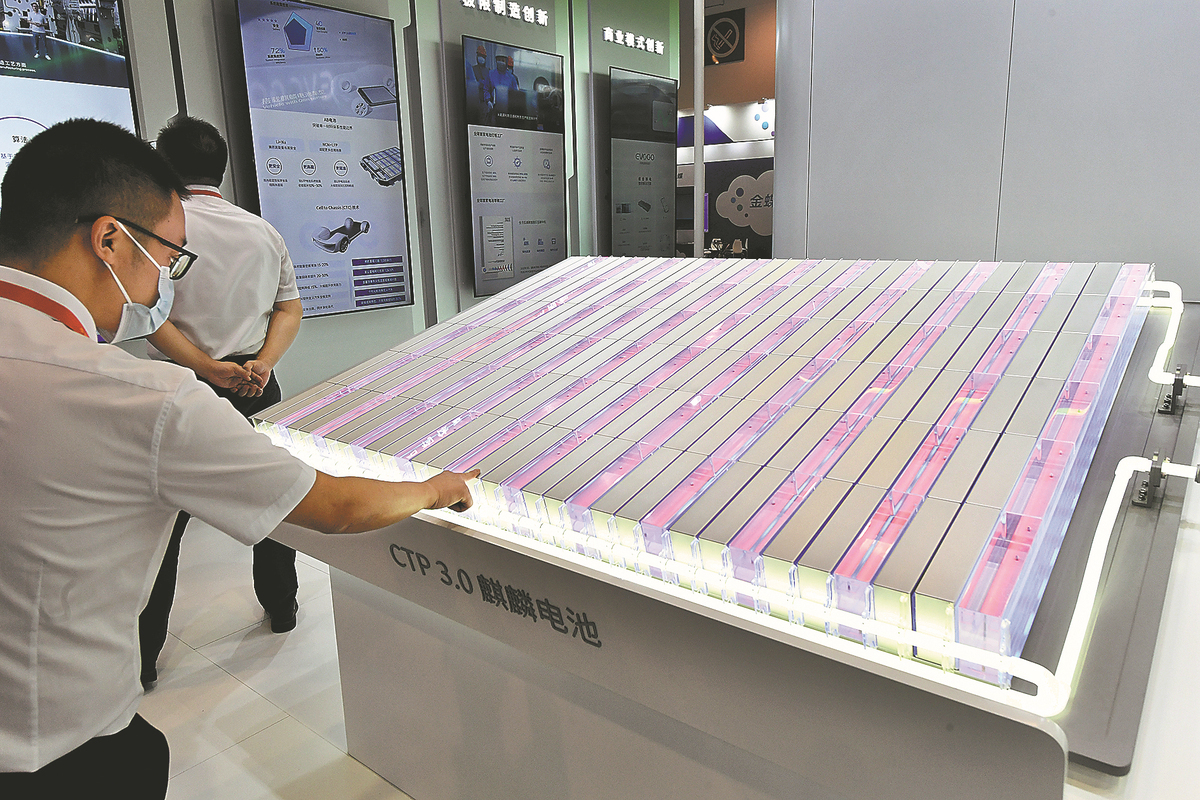
A couple of Chinese energy companies unveiled new business plans at the Summer Davos Forum — and experts promptly hailed them, saying they will drive sustainability and renewable energy adoption on a larger scale, besides bolstering the green transformation of the global energy sector.
Contemporary Amperex Technology Co Ltd, the world's largest electric vehicle battery maker, announced it is considering setting up multiple EV battery recycling stations with a European partner.
"We are finding global partners. For example, in the recycling business, we are talking to a European partner. I cannot tell who, but we are looking at setting up recycling sites, not just one, but (many) sites in Europe," CATL Chief Manufacturing Officer Ni Jun told China Daily on Wednesday.
According to Ni, CATL is also looking for partners in North America. "The circular economy needs to do it locally," he said.
According to Ni, CATL recycles over 99 percent of nickel, cobalt and manganese used in its batteries, and the corresponding rate for lithium is more than 90 percent.
The battery maker has a strong foundation in battery recycling, established years ago. In 2021, its subsidiary Brunp Recycling invested about 32 billion yuan ($4.4 billion) in Yichang, Hubei province, to set up an industrial park to recycle and produce batteries. The company said last year it had 21 recycling units across China, giving it the largest share of the domestic market.
In January, CATL announced a planned project in Foshan, Guangdong province, to recycle and produce EV batteries, with investment totaling no more than 23.8 billion yuan.
Analysts said that as a global leader in EV batteries, it is important for CATL to form a closed-loop industrial chain in Europe by expanding into the recycling sector, following the company's investment in battery manufacturing bases in Germany and Hungary.
"Chinese companies play a very important role in the world's transition to green energy. They contributed largely to the cost reduction and massive production of solar and wind power facilities, as well as batteries, which is beneficial to not only China but the rest of the world, and that will keep happening," said Roberto Bocca, head of energy and materials at the World Economic Forum and a member of the WEF executive committee.
"Currently, there are many successful attempts in areas of new energy power generation and transmission. Going forward, there is great potential to be explored on the demand side of energy. There are certain industries whose productions require high energy intensity, and innovating in this field to ensure both production efficiency and reduced energy consumption will bring new development opportunities to many businesses," he said.
Jinko Solar Co has also expressed its intention to further expand overseas at the Summer Davos Forum, and is currently seeking sites. The company said that in order to further reduce the expense of using solar power and make new energy more accessible for both household and industrial users, it will increase its investment in the energy storage sector.
Energy storage plays a crucial role in ensuring the reliability and stability of energy supply, especially in renewable energy systems.
Qian Jing, vice-president of Jinko Solar, said: "Against the backdrop of global green transformation driven by new energy production, the decarbonization goals do not mean an increase in costs, but rather a new round of robust development, which will present great opportunities (to generate new growth points).
"For enterprises, energy conservation and emission reduction have become growth opportunities rather than additional cost pressures, as solar power and energy storage technologies underwent accelerated upgrading and innovation."
Qian said in the future, enterprises and countries that take up a leading position in green and sustainable development will be at the forefront of the next round of global economic growth.
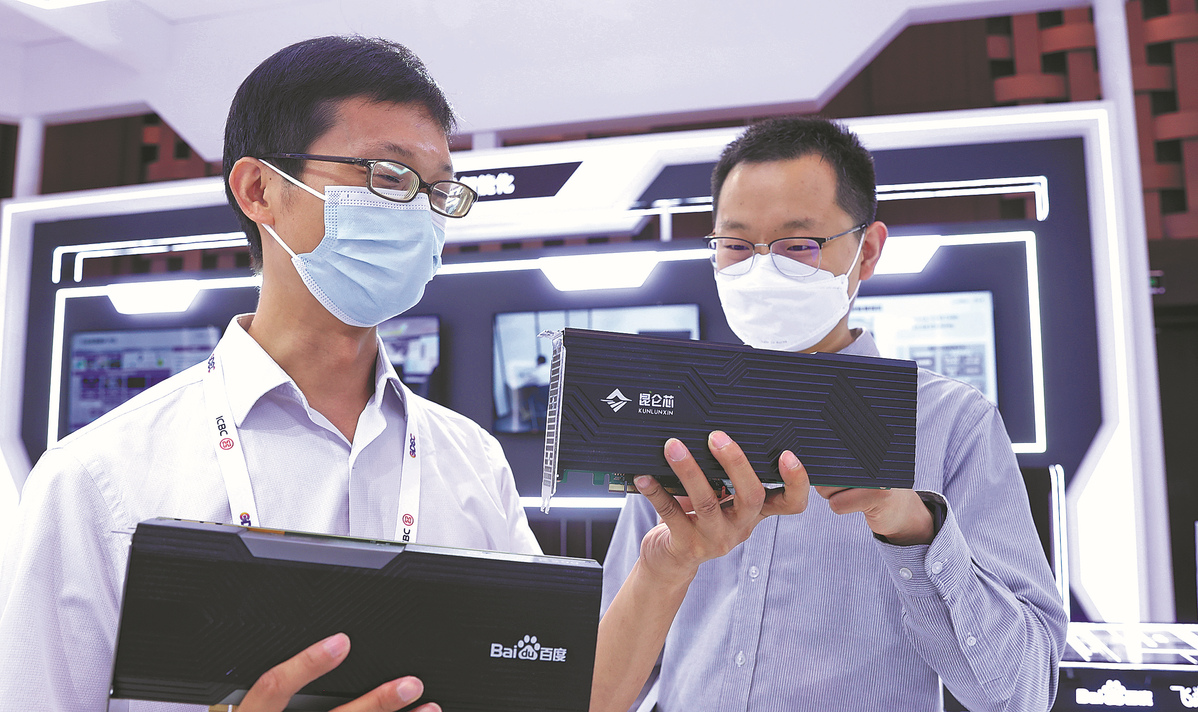
Greater effort is required to give full play to artificial intelligence and its responsible use, speakers at the 14th Annual Meeting of the New Champions, also known as the Summer Davos Forum, said in Tianjin.
The remarks came as the next-generation innovative technology leads a new round of industrial revolution and transforms how people live.
Zhang Yaqin, dean of the Institute for AI Industry Research at Tsinghua University, said although ChatGPT was not developed in China, about 100 Chinese companies have marched into the generative AI space over the past six months.
Some have unveiled large language models, while others are developing industry-specific models covering fields like biological computing and education, Zhang said.
China, he noted, has been doing some terrific work in basic research, algorithms and industrial application of AI models, and generative AI has brought about disruptive changes to the entire industry.
Generative AI refers to algorithms that are trained with huge amounts of data and capable of generating content such as images, text, audio and video.
It is the key technology underpinning ChatGPT, an AI chatbot developed by US-based AI research company OpenAI.
Pascale Fung, chair professor of the Department of Electronics and Computer Engineering at the Hong Kong University of Science and Technology, said generative AI is built on large language models with huge amounts of data, and its task is to generate content.
"Fundamentally, these (AI) models are very different from anything we have seen before because we did not develop them to do what they are doing today," Fung said. The AI models are creative, and could potentially be used as a basis to build other AI systems.
Major Chinese tech heavyweights, including Alibaba Group, Baidu Inc and Tencent Holdings Ltd, have unveiled their own AI-powered large models amid a worldwide frenzy surrounding ChatGPT.
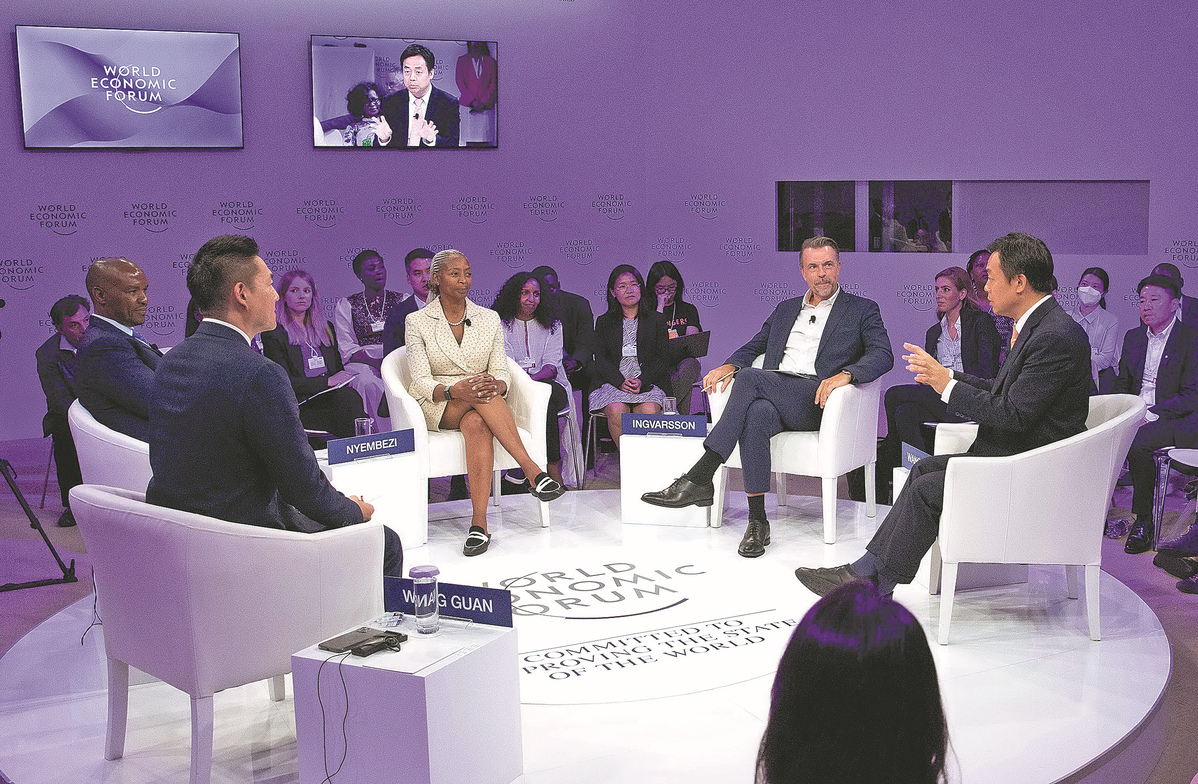
Wang Guan, chairman of Learnable, an AI startup, said AI large models can be applied in the education segment and AI can play a role in assisting teachers to check students' homework or finish some auxiliary teaching work.
The commercial use of AI chatbots has triggered concerns over the safety and responsible use of generative AI, given that a new set of problems is emerging, including ethics, academic honesty and leaks that infringe on personal privacy and data security.
Fung said people are understandably concerned about generative AI. "We should not stand in the way of progress. On the contrary, we need to actually develop more guardrails."
Experts said though there is fear that AI will take away jobs, it will, in fact, create new ones.
A report released by global consultancy PwC on Wednesday showed that Chinese employees are bullish about the potential of AI in their careers.
According to the report, 44 percent of the surveyed employees think that AI will help them increase productivity and efficiency, while 68 percent deem digital skills to be important in their careers.
In addition, 36 percent of the Chinese interviewees think AI will help them learn new skills, while 29 percent believe that AI will help create new job opportunities.
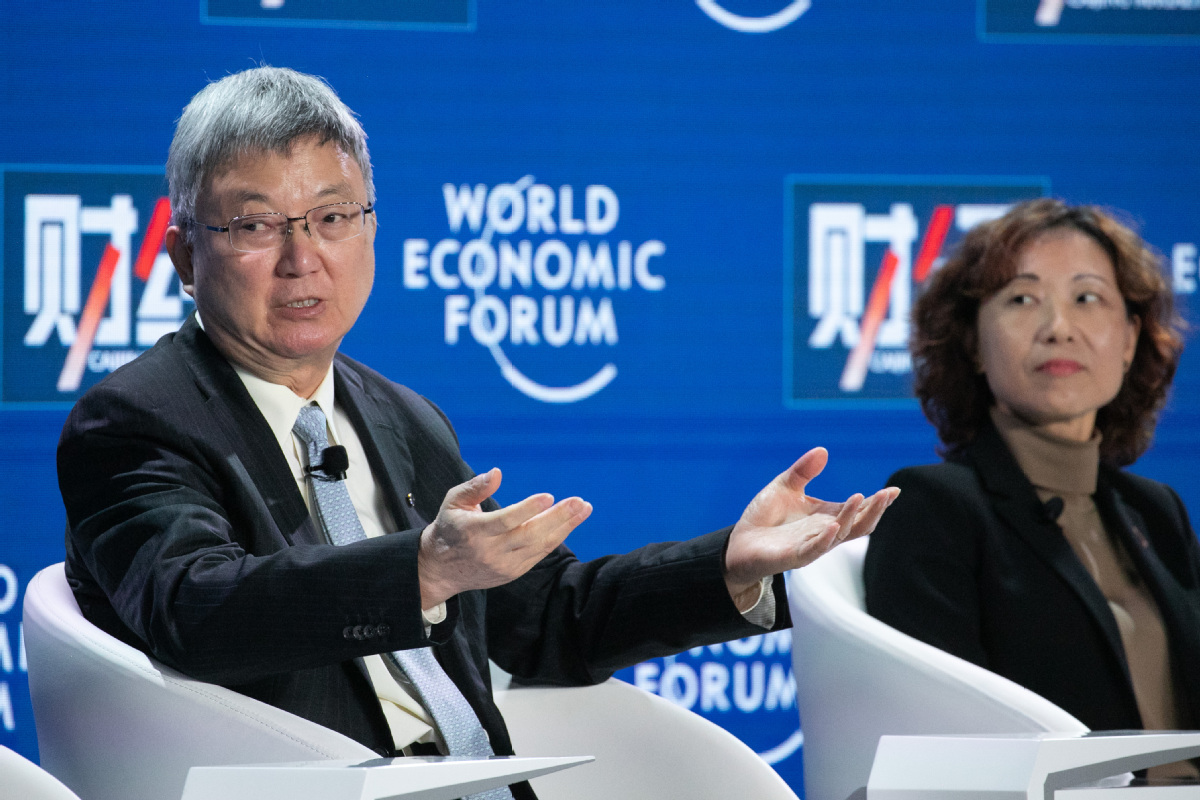
Speakers: Nation should focus on digital, sustainable development
China needs to steadily advance structural reforms to propel high-quality growth instead of simply rolling out massive stimulus measures, and the focus should be placed on boosting digital and green development, said speakers at the 14th Annual Meeting of the New Champions, also known as Summer Davos Forum, in Tianjin on Thursday.
Zhu Min, vice-chairman of the China Center for International Economic Exchanges, told a forum on Thursday that the rebound of consumption and the property sector was weaker than anticipated, pointing to a major structural hurdle that must be overcome.
Meanwhile, Zhu said he believes that the real estate issues will not develop into systemic risk, saying the property sector will go through long-term structural change.
Facing pressure from a cloudy global outlook and geopolitical issues, he said the key lies in how China deals with these issues, saying that foreign trade may not have a strong cyclical rebound.
Looking ahead to the full year, Zhu said policies will be more structured in terms of spurring consumption. More efforts should be made to ensure incomes grow faster than the GDP this year, continue to improve social safety nets in terms of pensions and accelerate urbanization across China.
He highlighted the importance of creating new growth points, saying the focus should be placed on fields including manufacturing digitalization and carbon neutrality transformation.
The National Bureau of Statistics said year-on-year growth in investment, production and consumption all slowed from the previous month in May.
The country's industrial output grew 3.5 percent in May from a year earlier after a 5.6 percent rise in April, and fixed-asset investment increased by 4 percent year-on-year in the January-May period versus a 4.7 percent rise for the January-April period. Meanwhile, retail sales surged 12.7 percent year-on-year last month, but were down from 18.4 percent in April.
Against such a backdrop, Eswar Prasad, a professor of trade policy at Cornell University in the United States, said that China is now a $19 trillion economy at market exchange rates, and it is hard to envision an economy of such size and complexity continuing to deliver 8 percent to 10 percent growth. "But even if China delivers modest growth, it is important to keep in mind that for the world economy, it is important that China grows, but also how it grows."
He said at the same forum that China has made considerable progress in terms of rebalancing its economy, relying less on heavy investment-led manufacturing growth and trying to move up the value chain.
When it comes to the pressures and challenges facing the broader economy, he said China needs to have a better financial system that allocates resources in a way that is much more efficient for the most productive parts of the economy, which will generate both short-term and long-term growth.
Looking forward, he said the focus should be placed on boosting confidence of the private sector, and suggested a combination of short-term macroeconomic stimulus in terms of both fiscal and monetary policies.
Given the low comparison base of the previous year, Peng Sen, president of the China Society of Economic Reform, said at another forum on Thursday that China's second-quarter performance will be notably better than the first quarter, followed by steady growth in the third and fourth quarters.
He also said China's potential growth rate is above 6 percent, attributing the recent hiccup to the blow of the COVID-19 pandemic as well as various factors amid the sluggish international investment and trade environment.
In the long run, Peng said more efforts should be made to further boost development of the real economy, support the private sector and expand high-level opening-up.
ouyangshijia@chinadaily.com.cn
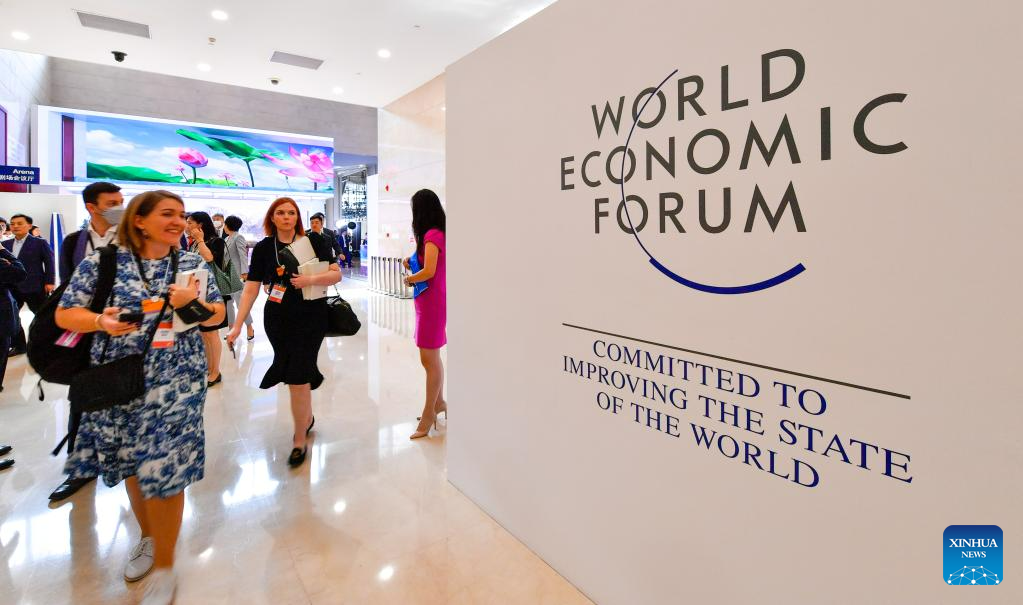
Honeywell and Shenghong Petrochemical Group vow to further expand cooperation in the field of digitalization and automation to promote the efficient and sustainable development of the petrochemical industry with advanced technology.
The two parties signed a Memorandum of Understanding (MoU) during the 14th Annual Meeting of the New Champions of the World Economic Forum held in Tianjin on Wednesday, eyeing to promote high-quality development and digital transformation within the industry. The two companies also launched the Honeywell-Shenghong Smart Factory White Paper that provides data-driven strategies for the process industry on the same day.
"Driven by the new generation of information technologies, the process industry is currently experiencing profound transformations, which in turn are bringing forth significant development opportunities," said Henry Liu, vice-president and general manager of Honeywell Performance Materials and Technologies Asia-Pacific.
"Honeywell's deepening cooperation with Shenghong Petrochemical will continue to facilitate the high-quality development of China's petrochemical industry," he said.
zhengxin@chinadaily.com.cn
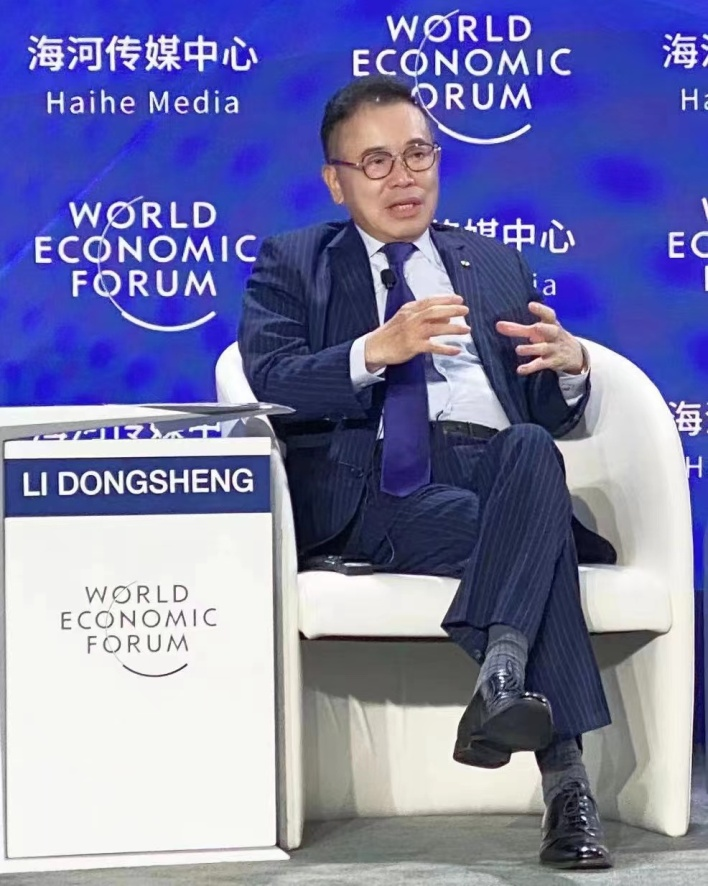
Greater efforts are needed to promote technological innovation and increase capital input in research and development so as to accelerate the transformation and upgrading of traditional manufacturing industry, said Li Dongsheng, founder and chairman of consumer electronics maker TCL Technology Group Corp.
Noting that the high-tech manufacturing sector has become an important driver for China's economic growth, Li called for Chinese enterprises to continuously pool more resources into indigenous R&D, achieve breakthroughs in key technologies and enhance self-independent innovation capacities.
Li made the remarks at the 14th Annual Meeting of the New Champions, also known as the Summer Davos Forum, in Tianjin on Wednesday.
"China's manufacturers should transition from exporting products to exporting industrial capacities, ramping up localized operations abroad and speeding up their layouts in overseas markets, so as to cope with changes in the global economic landscape and rising trade protectionism," Li said.
Currently, TCL is ramping up efforts to strengthen its capacity in global operations, with a key focus on three core business segments covering intelligent terminals, semiconductor displays and new energy photovoltaics.
Furthermore, the company will invest more in building green factories, producing more environmentally friendly products and expanding its presence in green industries, such as the manufacturing of new energy photovoltaic materials, Li added.
fanfeifei@chinadaily.com.cn
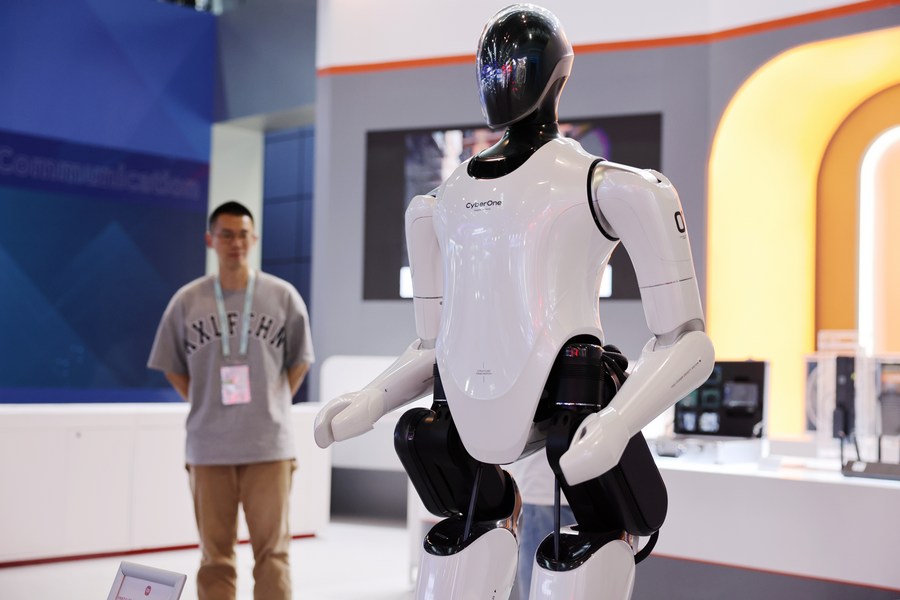
Chinese employees are bullish about the potential of artificial intelligence in their career and have attached great importance to digital skills, according to a new report released by global consultancy PwC at the Summer Davos Forum in Tianjin on Wednesday.
The report said 44 percent of the surveyed employees think that AI will help them increase their productivity and efficiency at work, while 68 percent deem that digital skills are important to their career.
In addition, 36 percent of the Chinese interviewees think that AI will create opportunities for them to learn valuable new skills, and 29 percent of them believe that AI will create new job opportunities for them.
However, 22 percent of the respondents lack confidence in their ability to acquire new AI-related skills, and 16 percent believe that AI will replace their roles and an equal percentage feel that AI will have no impact.
Peter Brown, PwC's global people & organization leader, said: "At every turn, CEOs know they must reinvent their business in order to survive the next challenge. We see that leadership is needed more than ever to retain talent, while also recruiting those with the human skills is necessary to weather any storm."
fanfeifei@chinadaily.com.cn
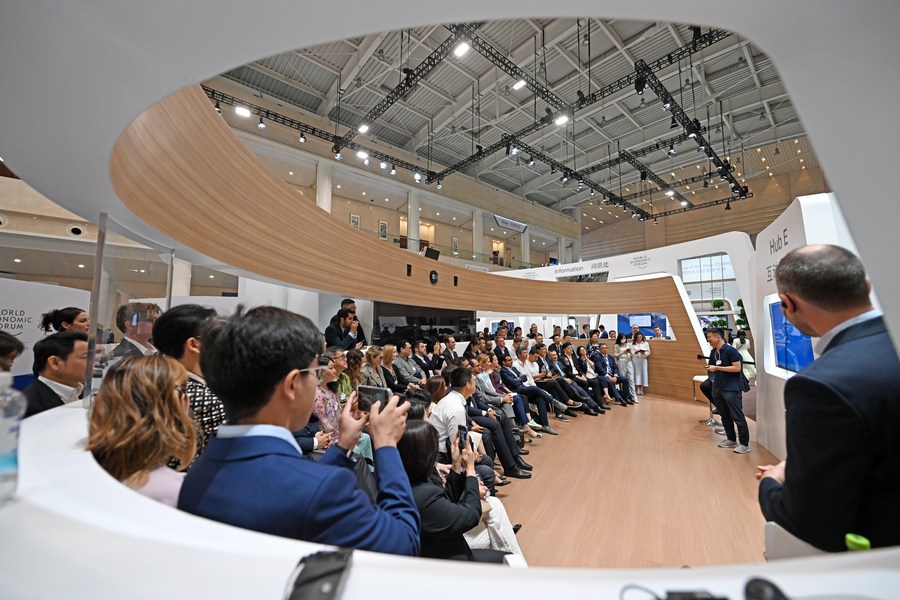
BEIJING -- Accelerating global economic recovery necessitates stimulating business vitality in the world economy, driven by an entrepreneurial spirit that fuels innovation and advances social progress.
Themed "Entrepreneurship: The Driving Force of the Global Economy," the 14th Annual Meeting of the New Champions, also known as Summer Davos Forum, opened on Tuesday in China's Tianjin municipality.
Entrepreneurial spirit is the primary driver of innovative thinking and technological advancement.
The world faces challenges such as slowing growth, climate change and wealth gap. Rising unilateralism, protectionism and de-globalization harm the environment for international businesses and partnerships. Instability, uncertainty and unpredictability are on the rise.
At this critical juncture, it is important to give full play to the entrepreneurial spirit, which is embodied by a willingness to take risks, the ability to identify opportunities, a commitment to continuous learning, and fearlessness in the face of difficulties and setbacks.
Currently, the latest technological revolutions and industrial transformations are gaining momentum. The world needs the power of innovation more than ever, particularly in fields like artificial intelligence, big data, blockchain and new energy. It is imperative that we increase investment and accelerate the digitalization process to create new drivers of economic growth and infuse sustained momentum into the global economy.
In the first quarter of this year, China's GDP grew by 4.5 percent year-on-year, and it is expected to expand even faster in the second quarter. The country is on track to achieve the growth target of around 5 percent as set by the government.
China is committed to collaborating with entrepreneurs from different countries in support of economic globalization, upholding the market economy, and firmly endorsing free trade. A total of 11,000 new foreign-invested companies were established in China in the first quarter, representing a 7.6 percent year-on-year increase.
In his speech at the Summer Davos opening plenary, Klaus Schwab, executive chairman of the World Economic Forum, called for global efforts to fight fragmentation and strive for dialogue, understanding and collaboration.
Valuing entrepreneurship and win-win cooperation, the world should work together to keep global industrial and supply chains stable and smooth, and deliver the fruits of globalization to different countries and groups of people in a more equitable way by steering the global economy towards a more inclusive, resilient and sustainable future.
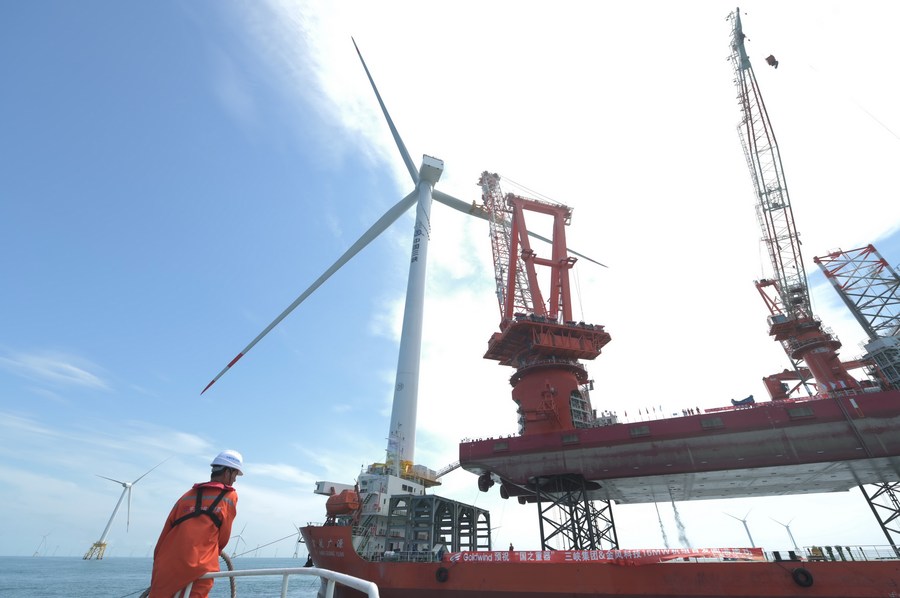
TIANJIN -- With its enormous market scale and consistent efforts on advancing its green transition, China is expected to provide more attractive opportunities for global investors.
At the ongoing 14th Annual Meeting of the New Champions, also known as the Summer Davos, entrepreneurs are optimistic about China's green shift, which they expect to provide players from home and abroad with a broader platform and new opportunities.
"We are particularly optimistic about the opportunities presented by China's 'dual carbon' goals," said Yu Feng, president of Honeywell China. "Our core business aligns with China's market demands and development trends."
China has announced that it will peak carbon dioxide emissions by 2030 and achieve carbon neutrality by 2060.
In April, the US industrial conglomerate Honeywell signed a Memorandum of Understanding for cooperation with the Tianjin Free Trade Zone to establish a flagship sustainable aviation fuel production base in north China. The move aims to meet the growing market demand for sustainable aviation fuel, the company said.
Yu said that Honeywell remains confident in the continued growth of business in China, setting its sights on the prospects in digital technology and low-carbon development.
"We will continue to leverage our advantages in digitalization and sustainable technologies, and work with Chinese partners to help industries achieve low-carbon, smart and efficient development," Yu said.
Another multinational jumping on the bandwagon is Danfoss, a Danish equipment manufacturer that has invested in China for over 20 years. Thanks to China's pursuit of green development, its sales in the market expanded from no more than 4 billion yuan ($554.78 million) in 2015 to nearly 10 billion yuan last year.
"China's 'dual carbon' goals spurred huge market demand in green transformation and manufacturing upgrading, bringing opportunities for us," said Dai Jian, head of Danfoss Global Services, China.
"We will continue to expand our investment in green innovation and green manufacturing in China," Dai added.
From announcing "dual carbon" goals to advancing its national carbon market, Chinese authorities have introduced a raft of measures to boost the use of renewable energy and reduce carbon emissions, making remarkable progress in that direction.
"China has seen rapid growth in the new-energy sector, including solar energy and wind energy, and it is expected that the country will achieve its target for total installed solar power capacity five years ahead of schedule," said Ma Jun, director of the Institute of Public and Environmental Affairs at the Summer Davos.
According to a report released by the World Economic Forum, China is the world's largest producer and consumer of hydrogen, a key factor enabling the country to deliver on its carbon neutrality objective.
"The emerging green hydrogen market is set to reshape the global energy map by the end of the decade, creating a 1.4 trillion-US dollars market by 2050," said Patrick Tsang, Deloitte China CEO.
The burgeoning green industry has not only grabbed the attention of foreign firms, but has also helped Chinese companies to thrive by expanding their presence in the global market.
Backed by China's support on developing new-energy vehicles, Contemporary Amperex Technology Co Limited (CATL), a battery producer in China, has already become an indispensable partner for the leading automakers worldwide. It produces more than one-third of the world's batteries and aims to become a pivotal player in the transition to clean energy.
It has established 13 battery manufacturing plants worldwide, two of which are located outside of China, said the company.
"We will continue to expand our global footprint to help achieve international sustainability goals," said Ni Jun, Chief Manufacturing Officer of CATL.
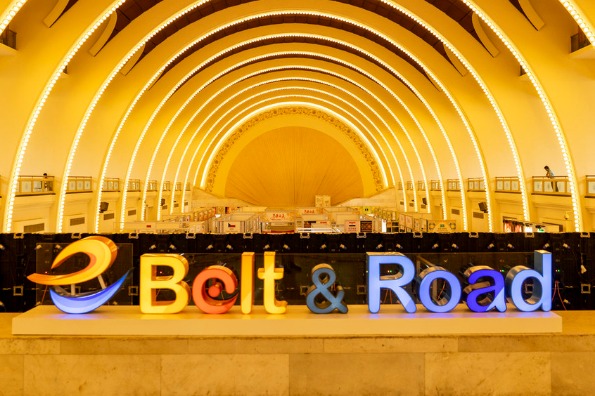
Big gap exists in providing emerging economies with sustainable funds
China's international lending and the Belt and Road Initiative have contributed to the world's growth instead of creating "debt traps" for other countries, experts and officials attending the 14th Annual Meeting of the New Champions, also known as the Summer Davos Forum, said in Tianjin on Wednesday.
Jin Keyu, associate professor of economics at the London School of Economics and Political Science, told a forum during the meeting on Wednesday that while there still exists a big gap in providing long-term sustainable financing for developing countries, China has stepped up and played a positive role.
Jin said developing countries should be able to borrow in bad times, and the fundamental problem in the international financial system — which is the international credit cycle — is that it is pretty much based on US monetary policy.
"This is also a place where China can play a role (with) China being the second-largest economy and not in a synchronized credit cycle with the US, which is often a big provider to emerging market liquidity."
Sri Lankan Minister of Foreign Affairs Ali Sabry said at the same forum that China's international investment has played a major role in some countries like Sri Lanka, as China actively invested in Sri Lanka during the latter's difficult times.
He added that China's international funding is key to the development of the developing world and global growth overall.
When it comes to claims that China-proposed BRI has been used as a tool to create debt traps for recipient countries, Jin told China Daily on the sidelines of the meeting on Wednesday that this is a completely wrong take on Chinese lending practices.
"The majority of debt in emerging markets is owed to Western institutions, multilateral institutions and financial institutions, including private creditors — not to China," Jin said. "China has provided stable financing for infrastructure and developmental goals for emerging markets."
Jin added that China's international lending practices have substantially evolved during the past decade, including lending standards and transparency.
"So this is not a debt trap," she said. "Emerging-market debt problems have been a time-honored, historical problem, even before China came on the scene. So, it has nothing to do with that. China is trying to help. Of course, it can do better with greater transparency and international coordination."
Looking ahead, she said there has to be a different kind of common framework with more emerging market representation, of which China is the leader.
"Going forward, Western countries have to recognize that the rules of their game have to be adjusted, not only to meet modern and contemporary standards, but also get closer to the market, involving private creditors and incentivizing China to play a greater role."
During the past decade, China has made considerable progress in terms of facilitating high-quality development related to the BRI.
"Over three-quarters of countries and major international organizations have joined the initiative," Liang Linchong, deputy director of the Department of Regional Opening-up at the National Development and Reform Commission, said at another forum on Tuesday during the Summer Davos Forum.
Liang said the BRI has contributed to the prosperity of the global economy. For instance, China and other countries involved in the BRI have built economic and trade cooperation zones, creating more than 400,000 jobs for locals.
Under the framework of the BRI, China and other countries involved in the initiative have built a wide range of infrastructure projects key to people's livelihoods such as hospitals and schools, which not only promote economic growth and generate jobs but also improve people's lives, he added.
To further facilitate the high-quality development of the BRI, he said China will work with related countries to further deepen interconnections by focusing on infrastructure projects, further expanding institutional opening-up, continuously enhancing standardization cooperation in the field of financing, trade, energy, digitalization and agriculture as well as building more livelihood projects.
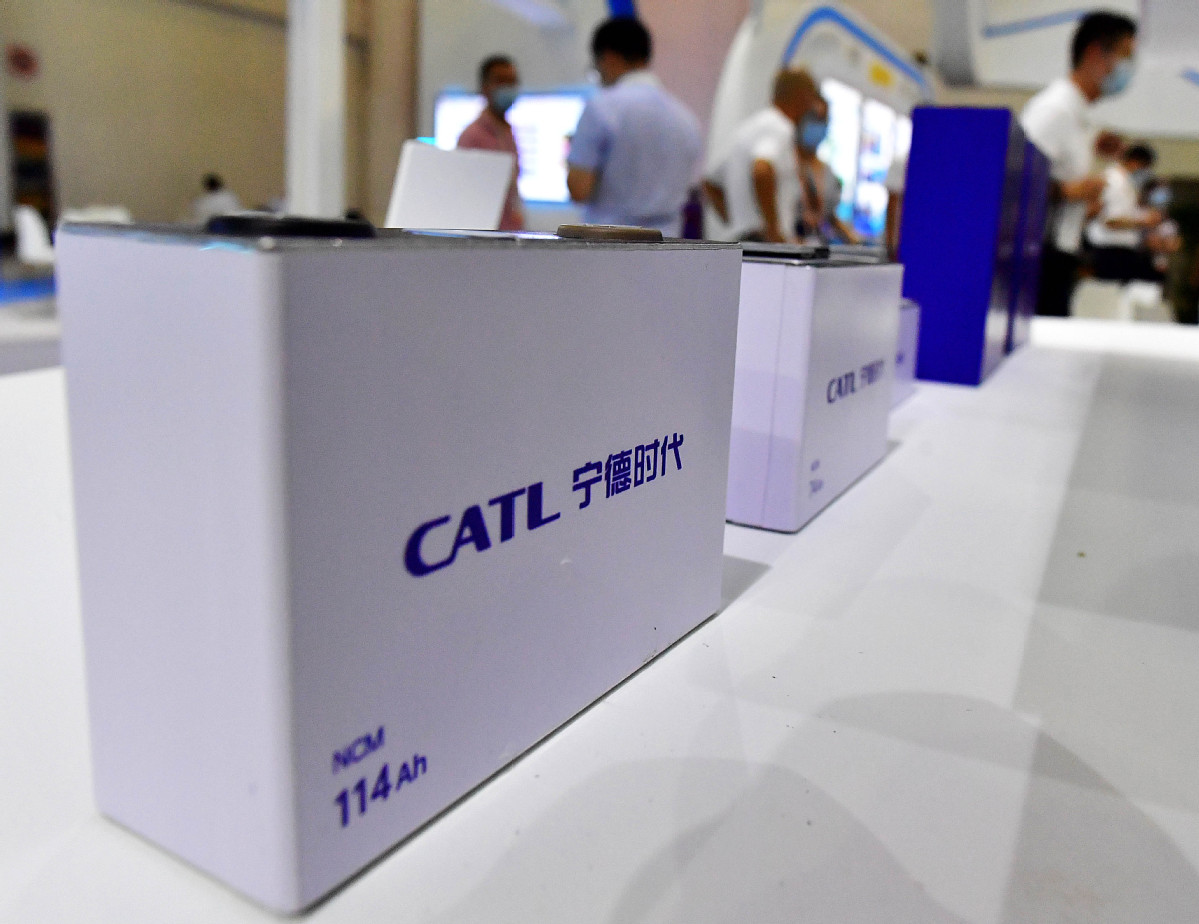
Contemporary Amperex Technology Co Ltd, the world's largest electric vehicle battery maker, is in discussion with a European partner regarding the establishment of multiple EV battery recycling stations across Europe.
"We are finding global partners. For example, in the recycling business, we are talking to a European partner. I cannot reveal who, but we are looking at setting up recycling sites, not just one, but (many) sites in Europe," CATL Chief Manufacturing Officer Ni Jun told China Daily on Wednesday, at the 14th Annual Meeting of the New Champions, also known as the Summer Davos Forum, in Tianjin.
According to Ni, CATL is also looking for partners in North America. "The circular economy needs to do it locally," he said.
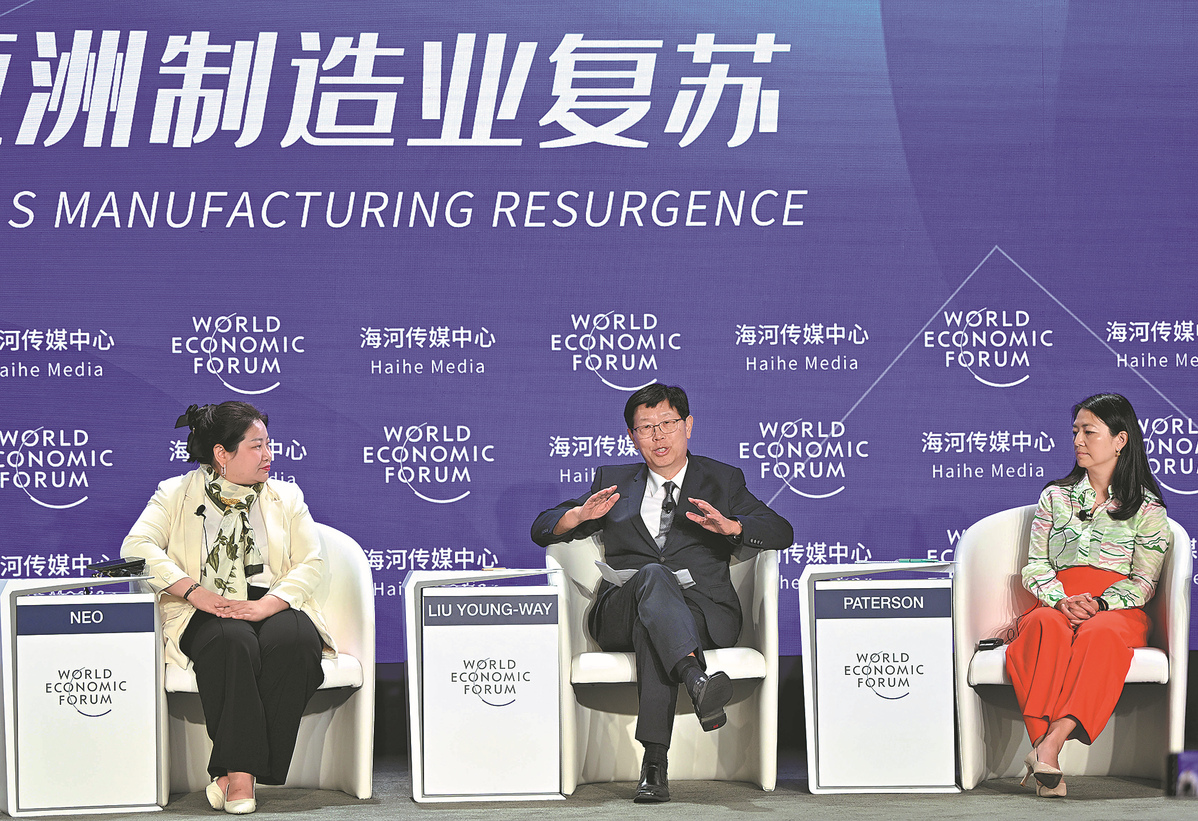
Manufacturing is playing an increasingly important role in bolstering economic recovery in Asia, creating a wide range of jobs and ensuring the stability and prosperity of society, said speakers at the 14th Annual Meeting of the New Champions, also known as the Summer Davos Forum, in Tianjin on Wednesday.
Li Dongsheng, founder and chairman of consumer electronics maker TCL Technology Group Corp, said Asia's manufacturing sector covers several categories with complete industrial systems, and has gained an upper hand in terms of production capacity, efficiency and cost control.
China's manufacturers should transition from exporting products to exporting industrial capacities, establish supply and industrial chains abroad and accelerate their layouts in overseas markets, so as to cope with changes in the global economic landscape and rising trade protectionism, Li said.
"Global operation is becoming the main approach for enterprises to connect with the world, and their go-global approach will inject new impetus into the global economic recovery," Li said, adding more and more Chinese manufacturers should adopt the approach as their strategic development direction in the future.
According to him, TCL is ramping up efforts to strengthen its capacity globally, with a focus on three core business segments — intelligent terminals, semiconductor displays and new energy photovoltaics. Li said he is confident the company will achieve double-digit growth in revenue this year.
China has maintained its position as the world's largest manufacturing hub for 13 straight years, accounting for nearly 30 percent of global manufacturing output in 2022, according to the Ministry of Industry and Information Technology.
The country has attached great importance to manufacturing and emphasized the need to accelerate modernization of the industrial system, with the real economy as its key pillar.
Manufacturing is playing an irreplaceable part in promoting economic development, enhancing the utilization of resources and providing a large number of jobs, said Liu Young-way, chairman and CEO of Foxconn Technology Group, the world's largest contract manufacturer in electronics.
Manufacturing helps safeguard social stability and improves people's well-being, Liu said, adding "China has become the world's largest manufacturing base, and Asia has the potential to build a regional manufacturing system."
Foxconn, formally known as Hon Hai Precision Industry Co, is a key supplier of Apple Inc. It has major production bases in Shenzhen, Guangdong province, and Zhengzhou, Henan province. Liu denied that Apple Inc planned to move its supply chains out of the Chinese mainland.
Looking ahead, Liu said Foxconn will focus on three emerging industries — electric vehicles, digital health and robotics. They are underpinned by three core technologies — artificial intelligence, semiconductors and next-generation communications.
Furthermore, although the level of automation at Foxconn's factories is high, the number of workers has also increased slightly, driven by the expansion of production volume, Liu said.
Zhang Kunyu, CEO of Tianjin Troila Technology Development Co Ltd, a supplier of virtualization and cloud infrastructure software, said the fundamental advantages of manufacturing in China and Asia lie in efficiency. China owns sound digital infrastructure, and digital technologies have found a wide range of applications in the manufacturing sector in the past few years, Zhang said.
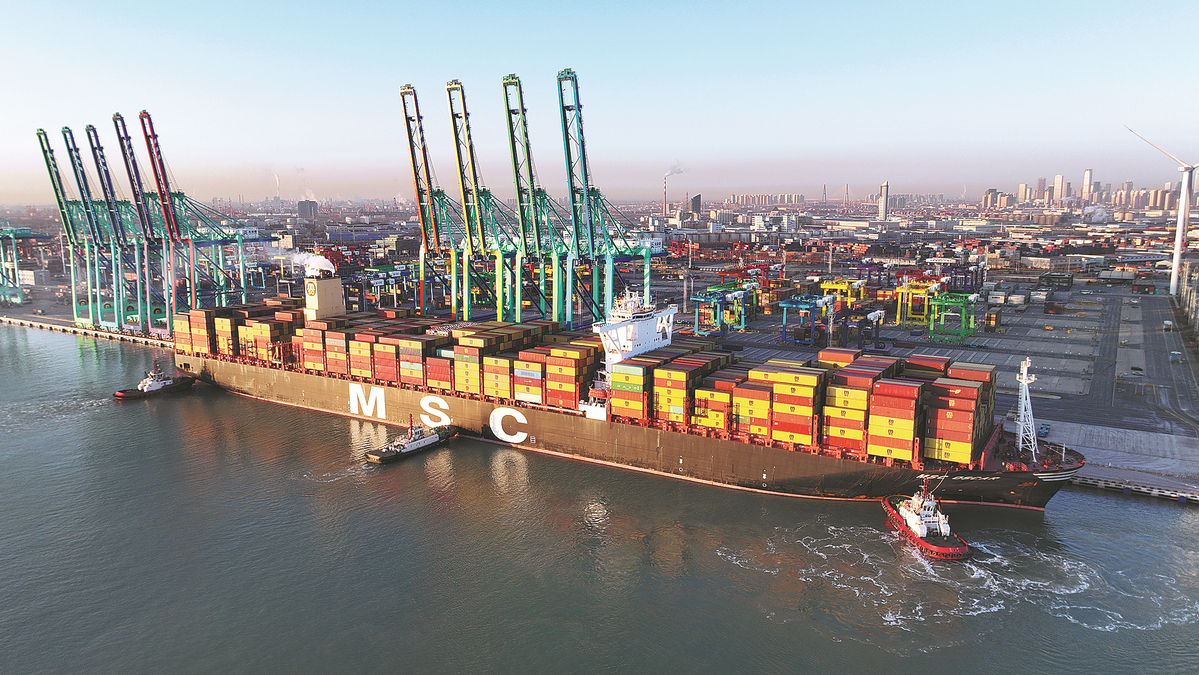
Multinational companies in the transportation and logistics sectors are keen to deepen green collaboration with China and thus drive positive change in the energy-intensive sectors, said experts and business executives on Wednesday.
Michael Han, head of APM Terminals in China, a branch of Danish shipping and logistics services provider AP Moller-Maersk, said that in the decarbonization process of the shipping and port sectors, Chinese enterprises have already set an example for the global community, and the company has scaled up cooperation with Chinese companies to accelerate its green transformation.
More such remarks were made at the ongoing Summer Davos Forum in Tianjin.
In March, AP Moller-Maersk signed a cooperation agreement with Shanghai International Port (Group) Co Ltd, which the Danish company said will lay a solid foundation for the large-scale and normalized operation of green containerships.
On Monday, AP Moller-Maersk announced the construction of six green methanol-powered containerships in China, which is important to achieve the company's goal of net-zero emissions by 2040.
"We call for concerted efforts to promote cooperation in the production, transportation, storage and refueling of green methanol, along with relevant policy support, to overcome production capacity bottlenecks and jointly strive for carbon-neutrality in the logistics sector," Han said.
At present, the transport and logistics sectors contribute around 24 percent of global carbon dioxide emissions, according to CarbonCare, a global emissions calculator located in Switzerland.
"Electric vehicles are increasingly seen in the passenger transportation and light-duty transportation sectors, and the promotion of hydrogen-powered heavy-duty trucks is essential to carbon reduction in these sectors," said Sophia Zou, partner of global consultancy Bain & Co, at the Summer Davos Forum.
"More efforts are expected to explore other low-carbon fuels that are both technically and economically feasible, such as sustainable aviation fuel and green methanol, for aviation and maritime shipping," Zou said.
China now has the world's largest shipbuilding industry, with exports accounting for over 80 percent, according to the Ministry of Natural Resources. Last year, the country boasted seven out of the top 10 ports in terms of cargo throughput and container throughput worldwide.
The Tianjin Port Group said it had built the world's first zero-carbon-emission port that started operations in 2021.
An integrated solution of wind, solar and power storage provides a continuous supply of green energy to this large-scale, highly automated container terminal with three berths.
At present, carbon emissions in the aviation industry account for nearly 3 percent of the total worldwide, and are growing at a rate of 4-5 percent on a yearly basis, according to a recent report co-released by Feeyo Technology Co Ltd and Green Aviation, two Chinese research and consulting companies that focus on the aviation industry.
The report stated that China has made significant progress in increasing fuel efficiency and reducing emissions, despite a late start compared with some countries.
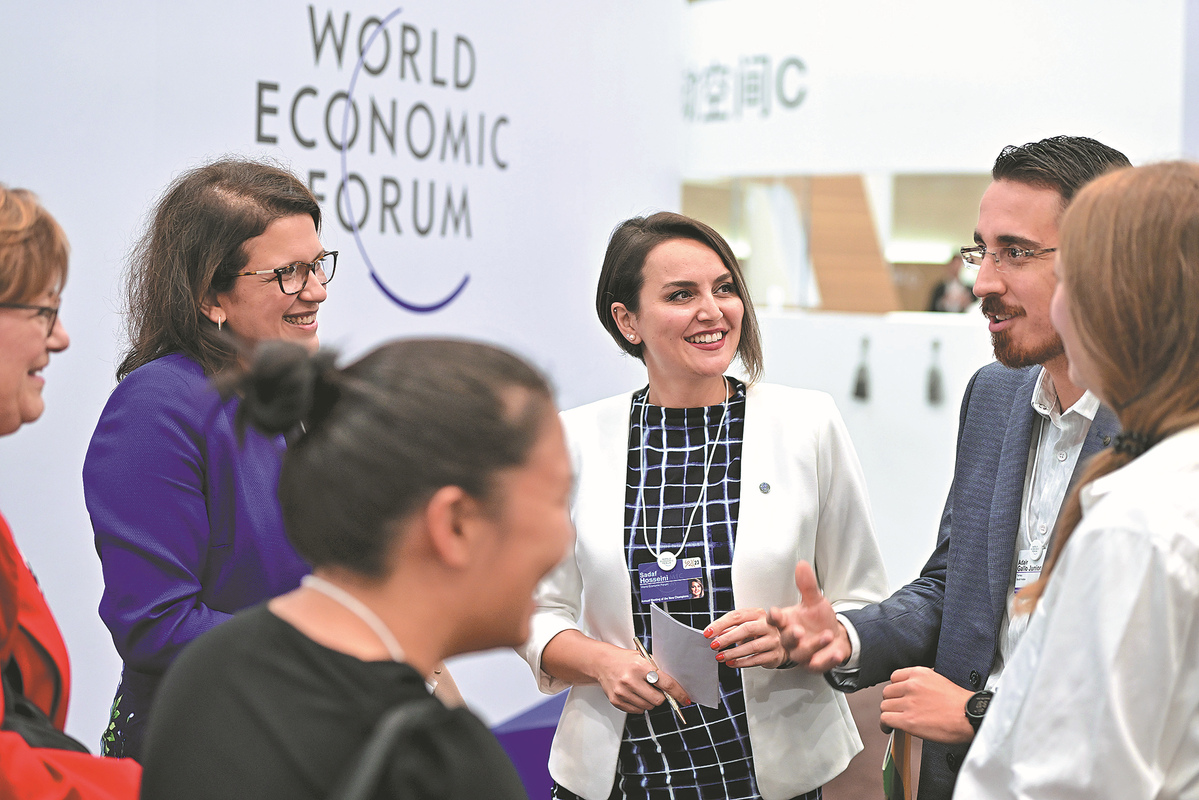
Beefing up their presence in China will only move multinationals forward with stronger growth over the long term, despite rising uncertainties over decoupling and supply chain disruptions, said global business leaders and industry experts on the sidelines of the Summer Davos Forum in Tianjin.
They made the remarks as Premier Li Qiang said at the forum on Tuesday that China has full confidence and the ability to achieve steady economic growth and high-quality development for a long time to come.
The country's economy shows clear rebound and improvement momentum with the first-quarter GDP growing 4.5 percent year-on-year, and is expected to expand faster in the second quarter, Li emphasized, adding that it will offer "a consistent source of dynamism" to global economic recovery and growth.
Joe Ngai, chairman of management consultancy McKinsey China, said: "After looking at the global context we are in right now, there is no other place in the world that has the size and is still growing at the same rates we're seeing in China. The Chinese market has also been a major growth segment for multinational companies. I still believe the next China is China."
Bruce Cameron, chairman of Zespri, a cooperative of kiwi fruit growers in New Zealand, said the economic growth rates in China are still very "impressive" when compared to the rest of the world.
The latest estimates from Boston Consulting Group show that China is projected to contribute at least 25 percent of global economic growth by 2030.
"We are very confident about the Chinese economy and its ability to continue to have a strong presence here. We believe that our company and our presence here take us forward over the foreseeable future with strong growth," he said.
Such a long-term potential for economic growth is inspiring multinationals to ramp up investment, expand their talent lines and chalk up medium-to-long-term plans in the country.
Wang Rui, senior vice-president of US tech company Intel and chair of Intel China, said many international companies attach great importance to the Chinese market, and "Intel will firmly adhere to its development strategy in China".
"The Chinese market has vast opportunities and provides an open business environment. Intel's innovative technology is also in line with the high-quality development demands of the Chinese economy. This is a mutually beneficial relationship," Wang said.
George Xu, CEO of Airbus China, said: "Airbus China plans to expand its recruitment of new energy talent to support its green transformation and sustainable development."
Xu said that in China, even faced with challenges from the COVID-19 pandemic, the company increased its headcount by 15 to 20 percent on a yearly basis.
Faced with external propositions on decoupling and de-risking, Premier Li emphasized at the forum on Tuesday that the world should not and cannot return to a state of seclusion or isolation, and should oppose the politicization of economic issues and work together to keep global industrial and supply chains stable and smooth.
Such a stance was shared by company executives and industry experts at the forum.
Ngozi Okonjo-Iweala, director-general of the World Trade Organization, said during a panel discussion that decoupling and fragmentation are something that the world simply cannot afford to have.
Even with rising decoupling challenges, Wu Chun, managing partner of Boston Consulting Group Greater China, said that the country has demonstrated its resolution to join hands with all other stakeholders to tackle challenges and seek win-win outcomes, thus providing confidence and stability in an uncertain world.
It gives an extra vote of confidence for multinationals to grow in the country over the long term.
"We see China as a very long-term global market. We have no intentions of backtracking or leaving China," Cameron from Zespri said. "We are embedded here."
Fan Feifei and Liu Yukun contributed to this story.
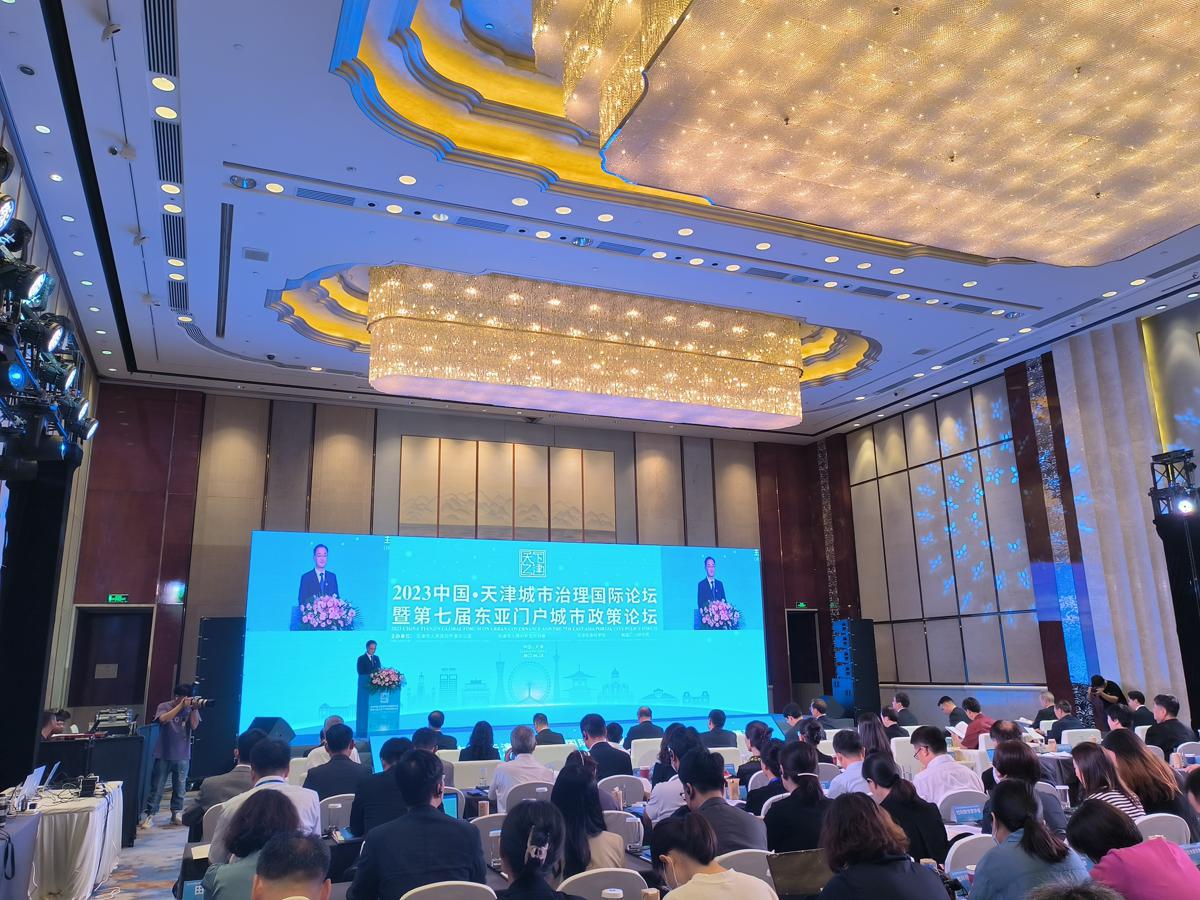
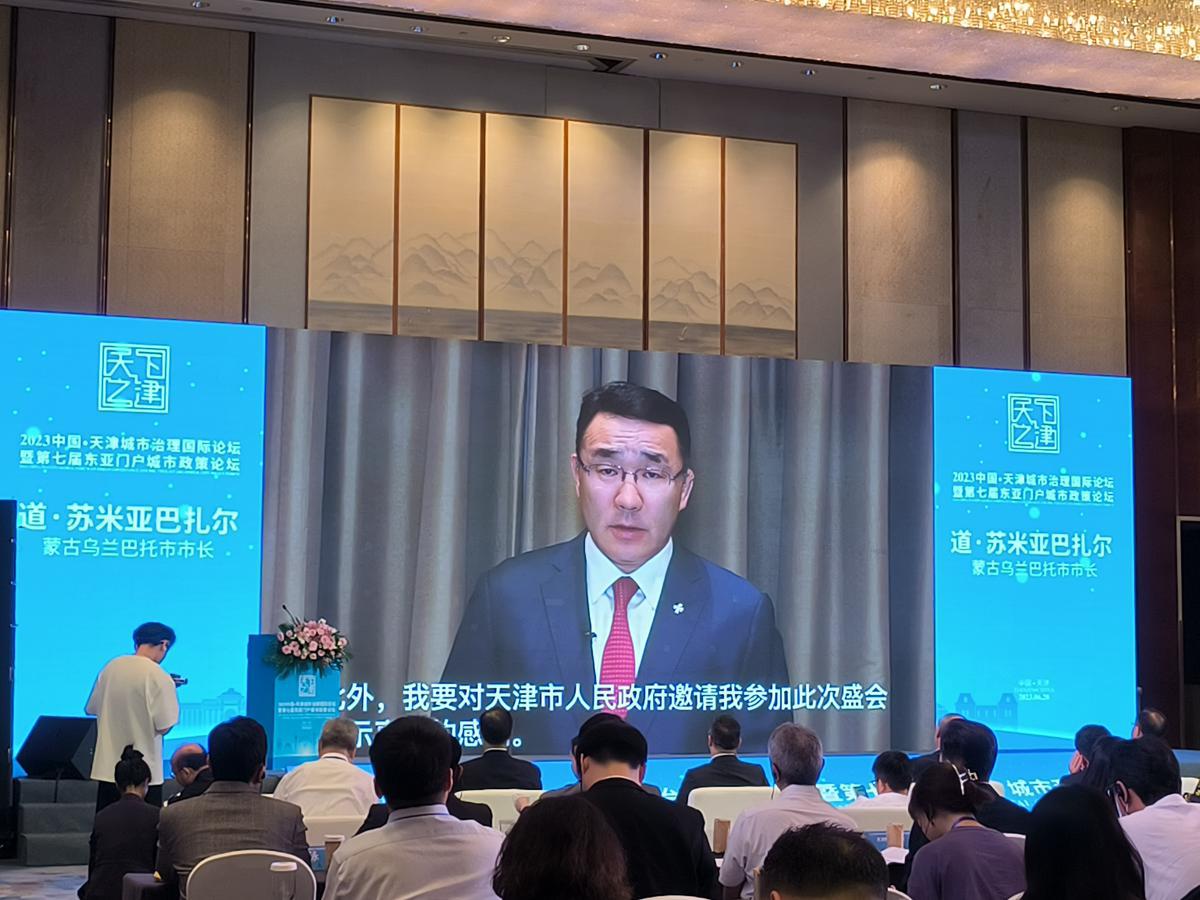
The mayors of four Asian cities vowed recently to boost intercity collaboration and their international profile during a sideline event at the ongoing Summer Davos in Tianjin on Wednesday.
Liu Guiping, vice-mayor of Tianjin, said, "This year marks the 50th anniversary of sister city relations between Tianjin and Kobe in Japan, 30th anniversary of sister city relations between Tianjin and Incheon in South Korea and the 31st anniversary of that of Tianjin and Ulaanbaatar in Mongolia. We expect the sister city relations will benefit future multilateral relations."
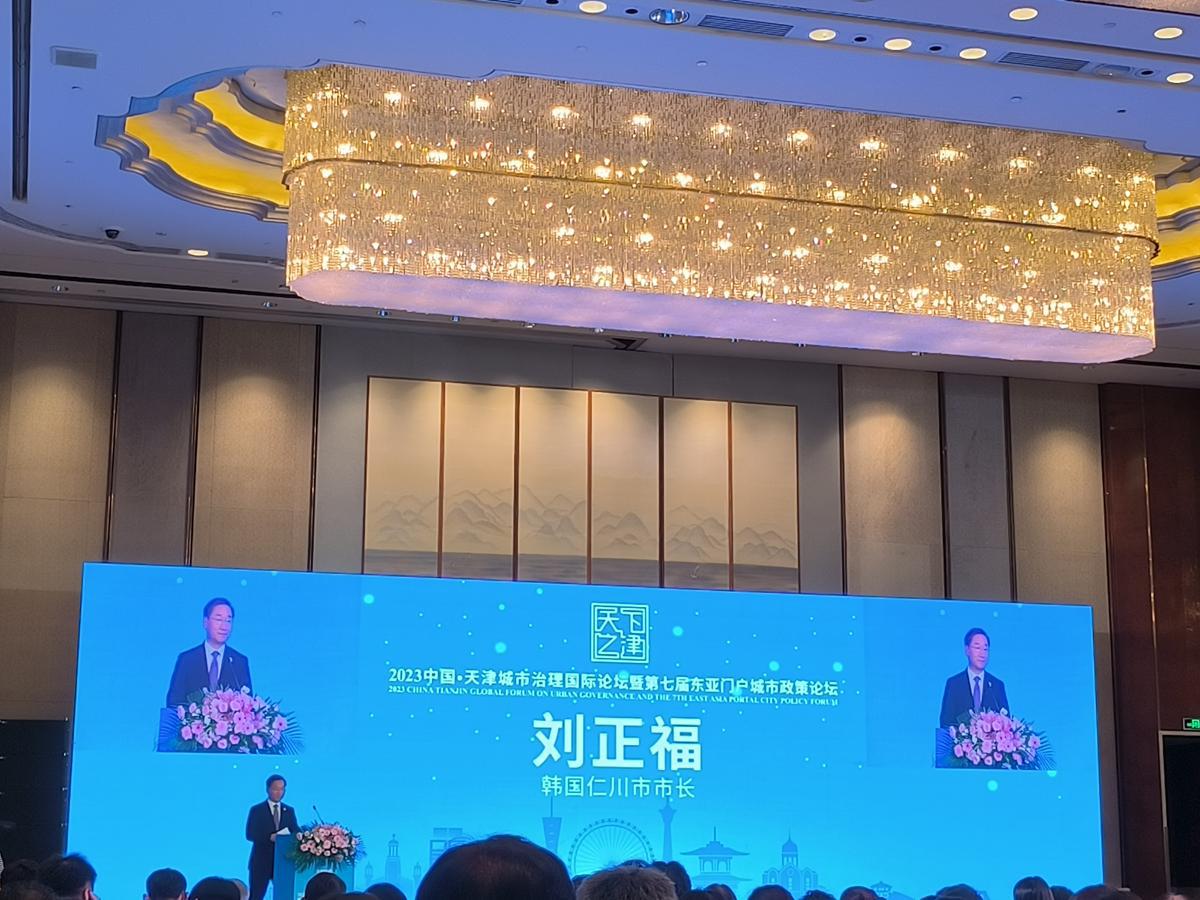
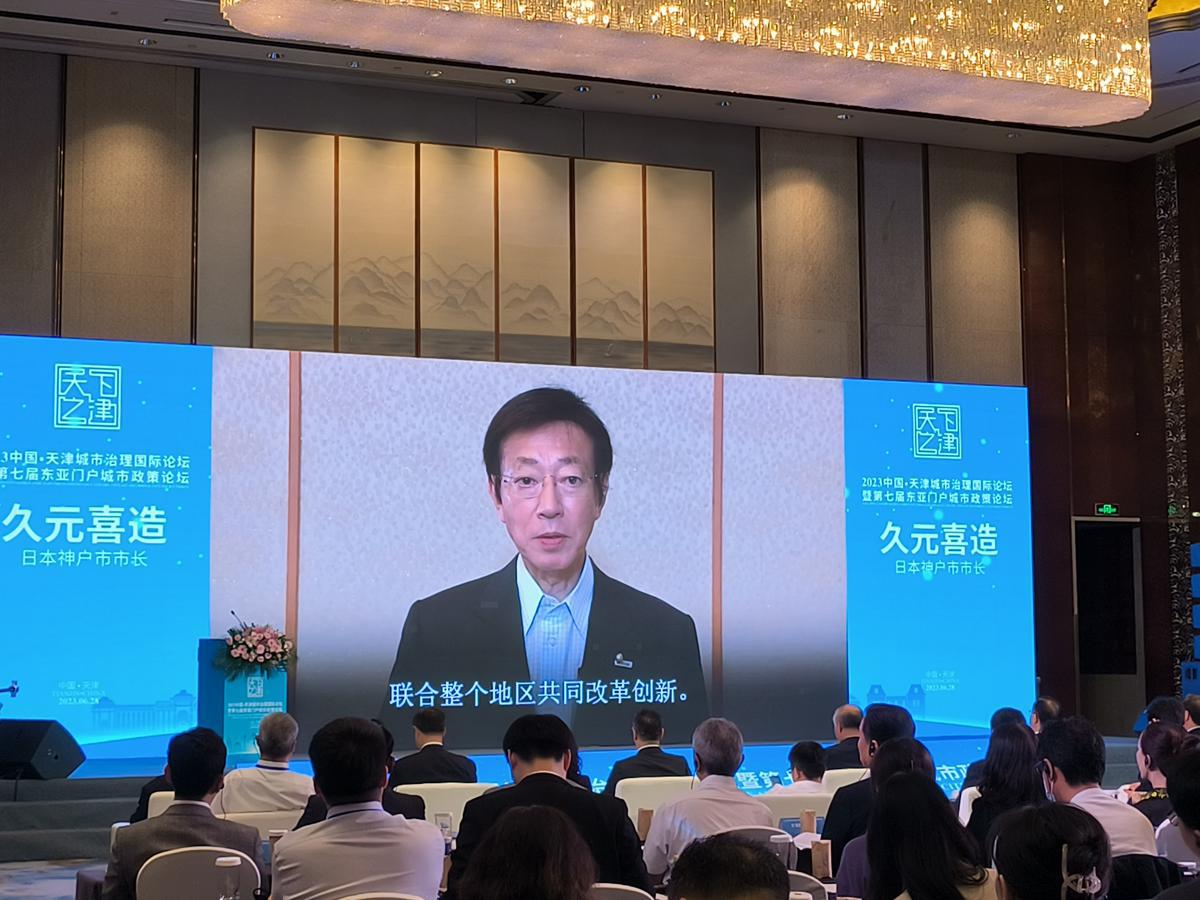
Liu spoke at the 2023 China Tianjin Global Forum on Urban Governance and the seventh East Asia Portal City Policy Forum, noting that strengthened ties will boost regional industries and help foster quality development.
Yoo Jeong-bok, mayor of Incheon, expects Tianjin and Incheon will boost collaboration.
Kizo Hisamoto, mayor of Kobe, sent a video saying that Kobe wants to boost startup businesses, the new energy industry and ports with Tianjin.
Dolgorsuren Sumiyabazar, mayor of Ulaanbaatar, sent a video message saying he hopes Tianjin and Ulaanbaatar will become new models in sister cities.
To date, Tianjin has created 99 pairs of sister cities in 53 countries.
Liu Young-way, chairman and CEO of Foxconn Technology Group, the world's largest electronics manufacturing contractor, denied that Apple Inc planned to move its supply chains out of Chinese mainland.
Liu made the remarks on the sidelines of the ongoing Summer Davos Forum in Tianjin on Wednesday. Foxconn, formally known as Hon Hai Precision Industry Co, is a key supplier of Apple. It has major production bases in Shenzhen, Guangdong province, and Zhengzhou, Henan province.
Looking ahead, Liu said Foxconn will mainly focus on three emerging industries, including electric vehicles, digital health and robotics, which are underpinned by three core technologies, such as artificial intelligence, semiconductors and next-generation communication.
"China has become the world's largest manufacturing base, and Asia has the potential to build a regional manufacturing system," Liu said. He noted that manufacturing is playing an irreplaceable role in bolstering economic development, improving the utilization of resources and providing a wide range of employment opportunities.
fanfeifei@chinadaily.com.cn
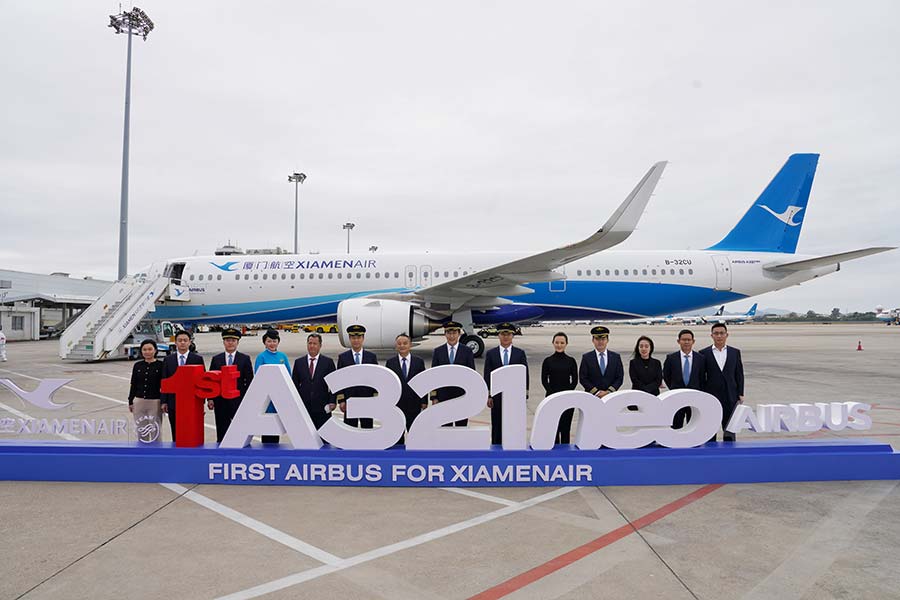
Airbus China plans to expand its recruitment of new energy talents to support its green transformation and sustainable development, said the company's CEO George Xu on Wednesday.
"Talents that are the top of priority for us to seek include those that can contribute to the company's decarbonization transformation. We are hunting for people who have the expertise and connections in the green energy sector, to make the aviation industry more sustainable," Xu said at the ongoing 14th Annual Meeting of the New Champions, also known as the Summer Davos Forum, in Tianjin.
At present, carbon emissions in the aviation industry accounted for nearly 3 percent of the worldwide total, and is growing at a rate of 4 to 5 percent on a yearly basis. Compared with other industries, carbon reduction is more difficult in the aviation sector, according to a recent report co-released by Feeyo Technology Co Ltd and Green Aviation, two Chinese research and consulting companies with a focus on the aviation industry.
The report pointed out that China has made significant progress in increasing fuel-burning efficiency and reducing emissions, despite taking off late compared with some countries.
"We are also seeking talents in the digital sector. Digital development is important for us to secure the safe operation of aircraft, and data we collect is also important for us to develop the next generation of aircraft. We are eager to find talent in the digital area," he said.
"We have developed a lot of new jobs in China. In the past few years, even when facing the COVID-19 challenge, we increased our headcount by 15 to 20 percent on a yearly basis," he added.

China has remained a major driving force for global growth and the country's strong economic recovery helps boost confidence in global economy, said Wu Chun, managing partner of Boston Consulting Group Greater China.
"Premier Li Qiang stressed the importance of making concerted efforts in resuming world economic growth through dialogue and cooperation. China has demonstrated its resolution to join hands with all stakeholders to tackle challenges and seek win-win outcomes, providing confidence and stability in an uncertain world," Wu said.
Wu made the remarks during the 14th Annual Meeting of the New Champions, also known as the Summer Davos Forum, in Tianjin. According to BCG's estimates, China is projected to contribute at least 25 percent of global economic growth by 2030.
"BCG will pledge long-term commitment to China's market, while empowering our partners to seize opportunities and strengthen their resilience throughout uncertainty and turbulence," she added.
"China's economy stabilized and rebounded to a good start this year… We believe that resilience will be the key word for China's economy and companies operating in China in 2023," Wu said, adding the lifting of global movement restrictions and increasing domestic demand in China will give a big boost to various industries, especially the consumer goods sector.
Wu noted that China's digital economy is rapidly expanding, with digital technology playing an increasingly significant role in driving economic growth. In addition, the country's dual-carbon goals present a new growth opportunity, facilitating economic upgrading, improving employment prospects and ensuring energy security.
fanfeifei@chinadaily.com.cn


