
The China Story
at your Fingertips
OPEN

"Protectionism is rising worldwide, and the global trading system is in a state of crisis. In these circumstances, broad-based free trade and economic partnerships are important," said Atsushi Ijuin, lead economist at the Japan Center for Economic Research, at the 2025 RCEP Media & Think Tank Forum on May 25. He stated that the RCEP agreement has a relatively high level of liberalization and comprehensive rules, while also allowing flexibility for less developed countries in the region.
"As the saying goes, proof of the pudding is in the eating...It's no exaggeration that RCEP represents an important step forward toward an ideal framework of global trade and investment rules," Ong Tee Keat, president of the Belt and Road Initiative Caucus for Asia Pacific and former minister of transport of Malaysia, emphasized at the 2024 RCEP Media & Think Tank Forum on May 19.
"We must continue to be vigilant against the impact of geopolitical factors on the implementation of the RCEP, which will make the regional cooperation advance toward a more inclusive, modern and mutually beneficial direction," said Shi Zhongjun, secretary general of ASEAN-China Centre, in his opening address at the 2024 RCEP Media & Think Tank Forum on May 19.
"Some countries frequently wield the big stick of 'anti-dumping' and 'anti-subsidy', using narratives such as 'de-risking' and 'overcapacity' that are illogical and contrary to market rules," said Wu Hailong, president of China Public Diplomacy Association at the 2024 RCEP Media & Think Tank Forum on May 19.
He added that such actions are extremely destructive to the facilitation of regional trade and investment, the integration of regional economies, and the establishment of a regional large market.
By Ge Xinge and Gong Yueqi
"Durian now is a very important issue, especially in Thailand," said Chaiwat Messanthan, director of the Institute of East Asian Studies at Thammasat University in Thailand, at the 2024 RCEP Media & Think Tank Forum on May 19. He stated that the RCEP standard made Thai durian more acceptable and in demand so that it could be exported to more countries. RCEP is an extremely important channel in creating export opportunities for Thailand and is very beneficial to Thailand and Thai entrepreneurs.
"(RCEP) boosts (the) Cambodian dream (and) comes at the right time," said Rynith Taing, deputy editor-in-chief, Khmer Times, Cambodia, at the 2024 RCEP Media & Think Tank Forum on May 19. He stated that Cambodia exported $8.17 billion worth of goods to RCEP countries in 2023, an increase of 28.8 percent compared to $6.34 billion in 2022.

Against the backdrop of declining global openness, rising trade costs and bottlenecks of supply chains in the world, the RCEP could promote the free flow of production factors in a wider scope, realize the optimal allocation of production factors, promote the specialized division of labor and spur more new quality productive forces and innovations, which will help regional cooperation advance toward a more inclusive, modern, comprehensive and mutually beneficial direction.
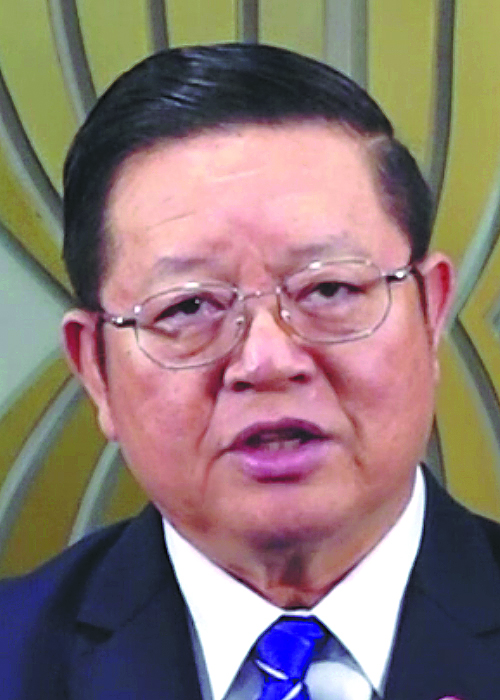
The RCEP must work for all businesses, with a particular focus on micro, small and medium-sized enterprises, which account for on average more than 95 percent of registered businesses and provide between 30 percent and 85 percent of total employment in RCEP economies. The MSMEs must be furnished with the necessary know-how to take advantage of the RCEP and other free trade associations to grow our businesses and economies together and leave no one behind.
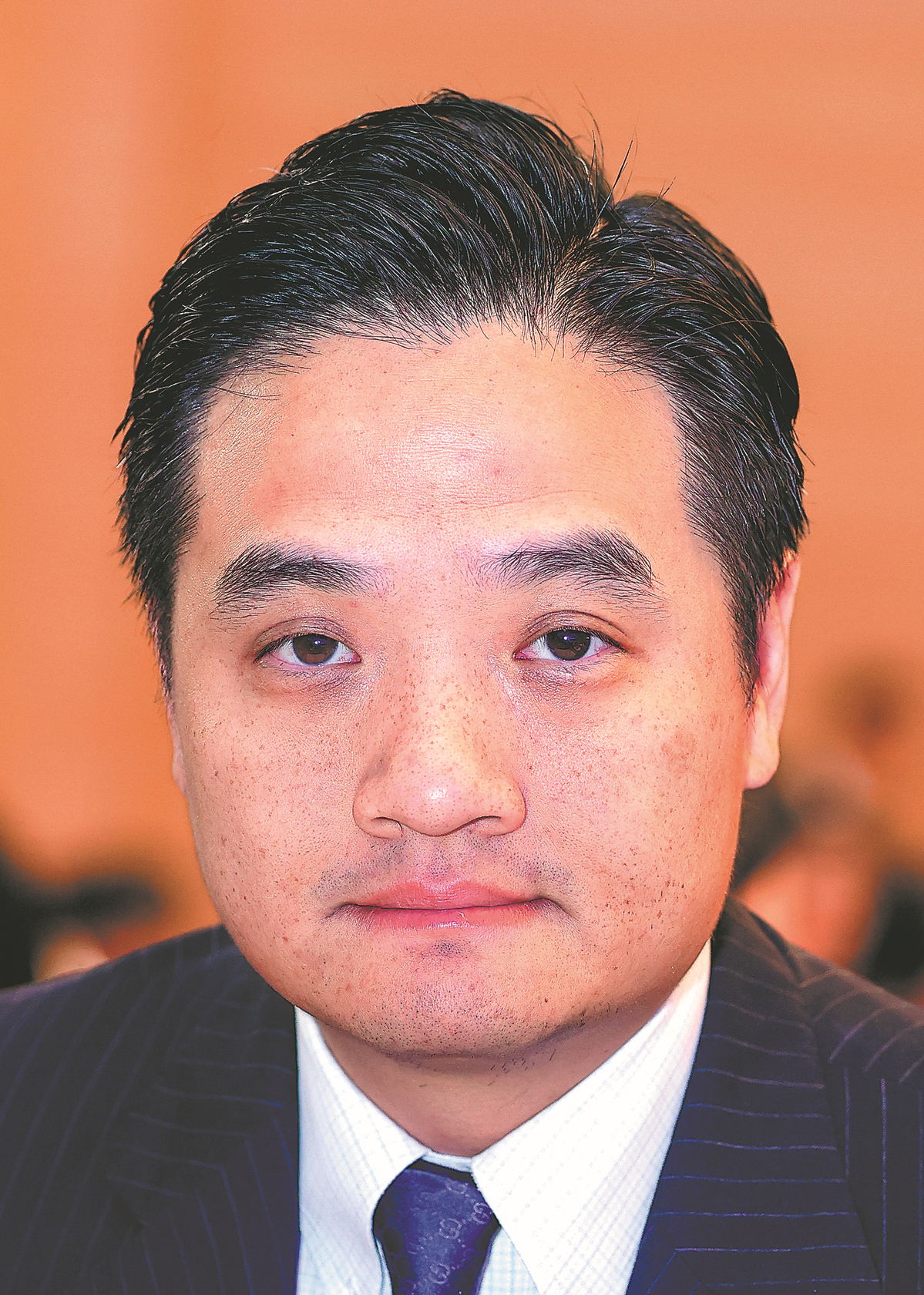
We have always supported the development of multilateral trade and the peaceful resolution of trade disputes. We hope to join the RCEP. This free trade deal would not only promote the development of Hong Kong but also foster common prosperity and development among all member economies.
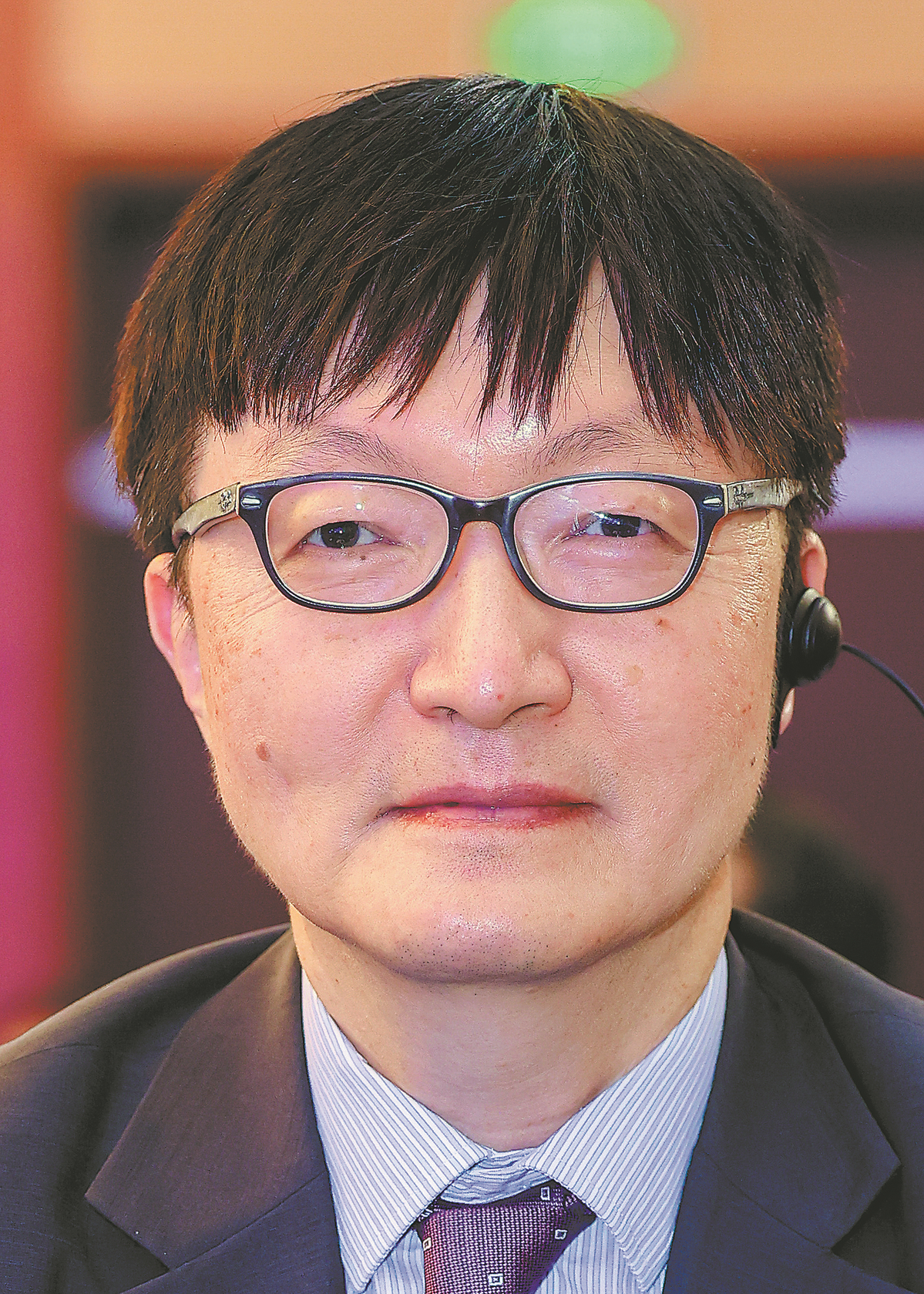
RCEP member economies need to strengthen communication between governments and regularly review past developments to ensure that businesses can adapt to various situations. It is also necessary to establish a permanent secretariat to further enhance cooperation among its members.
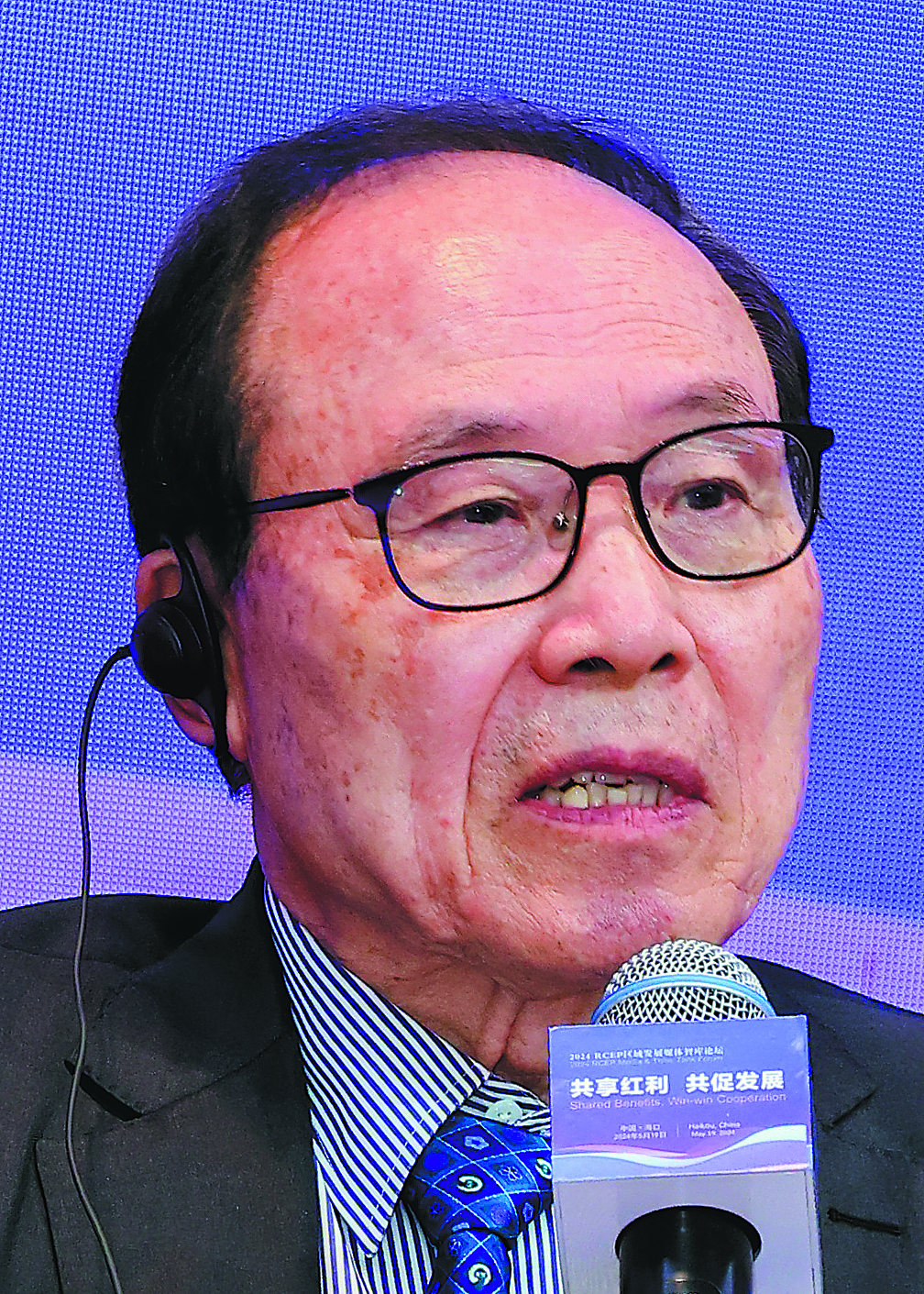
Facing deglobalization sentiments, every country hopes to enhance its supply chain resilience. The Regional Comprehensive Economic Partnership agreement indeed provides hope. In the wave of protectionism and regional globalization, the RCEP stands out, providing unified rules for origin and making progress in certification. For instance, China, Japan and South Korea have jointly established a free trade framework within the RCEP framework for the first time.
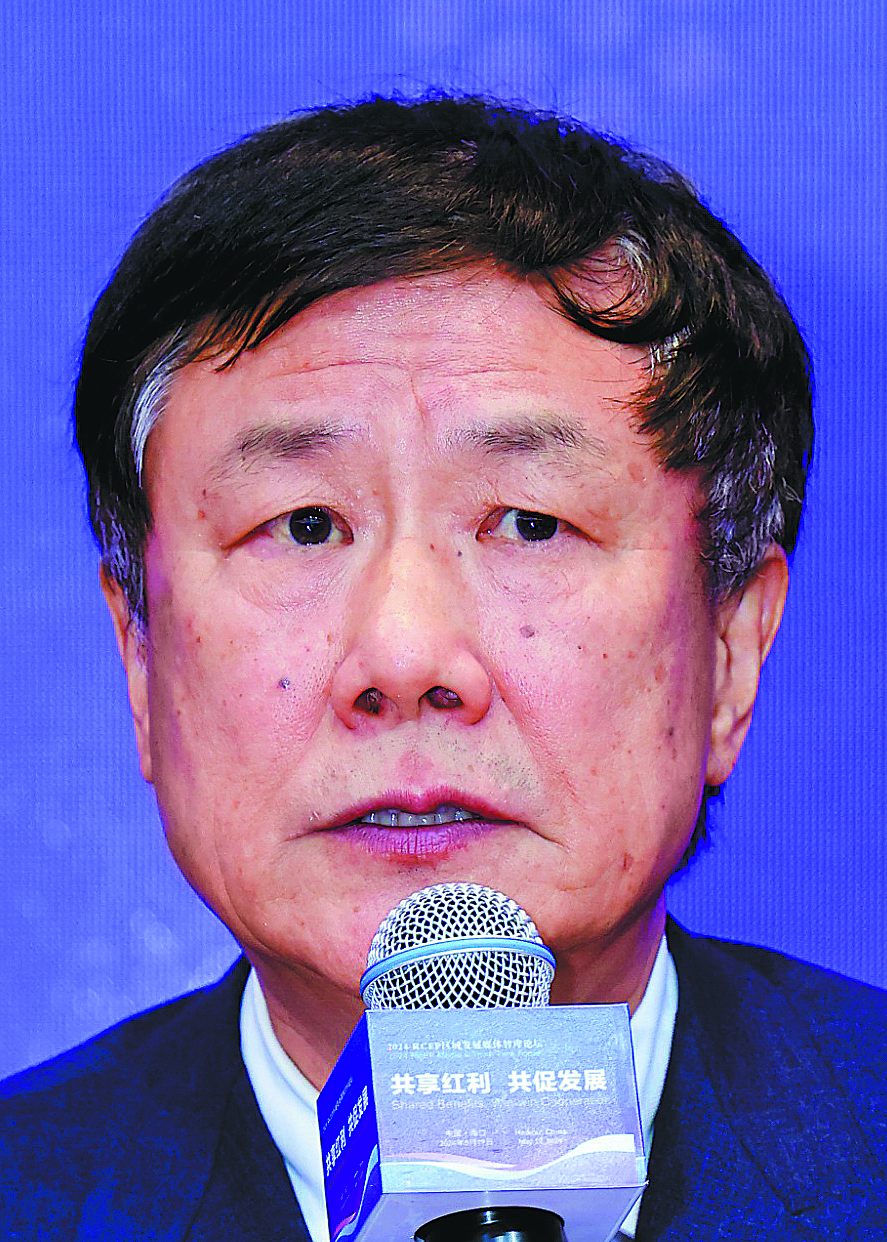
To make the Regional Comprehensive Economic Partnership trade deal more effective, we need to adhere to institutional opening-up and implement existing measures on promoting liberalization and facilitation for trade and investment. Many suggest establishing a secretariat for implementation. Moreover, the major countries in this region need to take responsibility and provide public goods, including capacity building, institutional development and network construction.
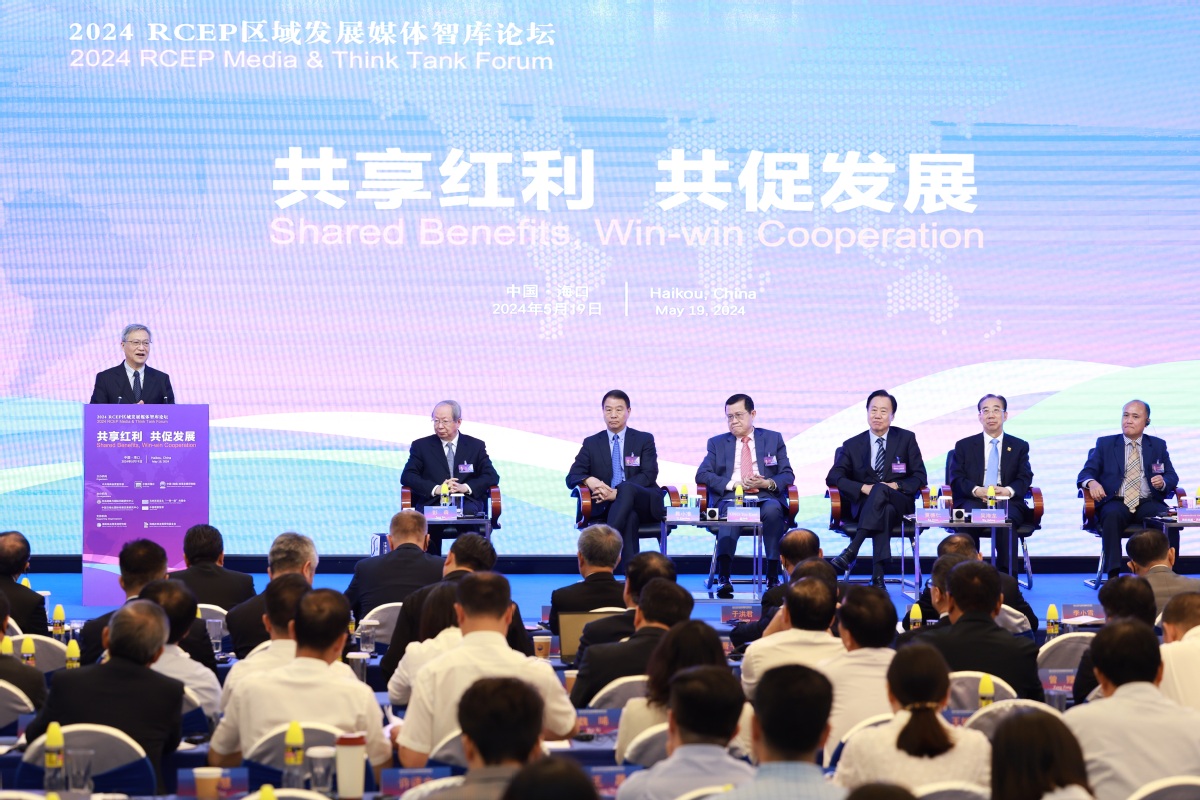
Cooperation between think tanks and the media within the framework of the Regional Comprehensive Economic Partnership is crucial for promoting mutual understanding, knowledge sharing and informed decision-making, according to experts at the 2024 RCEP Media & Think Tank Forum held on Sunday in Hainan province.
"The relationship between think tanks and the media can be likened to a symbiotic partnership, where the media serves as a platform for amplifying the research and analysis produced by think tanks, while the think tanks benefit from the media's ability to reach a wider audience and facilitate meaningful dialogue," said Duan Gang, vice-president of the Yunnan Education Association for International Exchange and former vice-president of Yunnan Minzu University.
Rommel Banlaoi, chairman of the advisory board at the China Studies Center of the School of International Relations at New Era University in the Philippines, said that while think tanks and media participate in international conferences and regional forums to address various issues and perspectives on the RCEP, there remains a critical need to enhance systematic collaboration and to strengthen their partnership to maximize their impact.
He suggested key media outlets reporting on the RCEP should be identified and analyzed, and stressed the importance of understanding how think tanks can play a leading role in clarifying and contextualizing these reports for the public.
"In the context of the RCEP and related issues, cooperation between media organizations and think tanks is essential for increasing public awareness of the goals and intentions of the agreement and facilitating a deeper understanding among government officials," Banlaoi said.
Traditionally, the media has encompassed print and broadcast outlets as primary sources of news and information dissemination. However, in the digital age, the role of social media has become increasingly significant in shaping public discourse and opinion.
"As such, it is imperative for think tank experts to engage with social media platforms and collaborate with tech giants to ensure the accurate and reliable sharing of information with the public on RCEP-related matters," he added.
Song Yi, associate dean at the School of International Journalism and Communication at Beijing Foreign Studies University, noted that the media, think tanks and universities share common goals and can complement each other in building a network of knowledge production, dissemination and application related to the RCEP.
"It is essential for these entities to work together to produce and distribute a wide range of educational materials. This can include publishing RCEP-themed paper-based and digital books, articles, social media content, games and databases that cater to different audiences and educational levels," Song said.
In addition, organizing training activities for different cohorts such as policymakers, academics, students and the general public is crucial for enhancing knowledge and capacity building on RCEP-related issues, she added.
Rynith Taing, deputy editor-in-chief of the Khmer Times in Cambodia, noted that engaging young people in the RCEP is vital for ensuring that the next generation is well-informed about the benefits and implications of the agreement.
"In the digital era, with the proliferation of social media and online platforms, leveraging the media and think tanks to reach and educate young people is key," he said.
"China is the country most affected by the United States' economic bullying behavior," said Yu Hongjun, former vice-minister of International Department of the CPC Central Committee, at the 2024 RCEP Media & Think Tank Forum on May 19. In spite of that, China's economic system is comprehensive, its manufacturing industry is vast, its import and export momentum is strong, and its market attractiveness is unparalleled, Yu said.
"The release of the growth potential of the RCEP regional market will bring significant benefits to the world economy," said Chi Fulin, president of the China Institute for Reform and Development, in his opening address at the 2024 RCEP Media & Think Tank Forum on May 19.
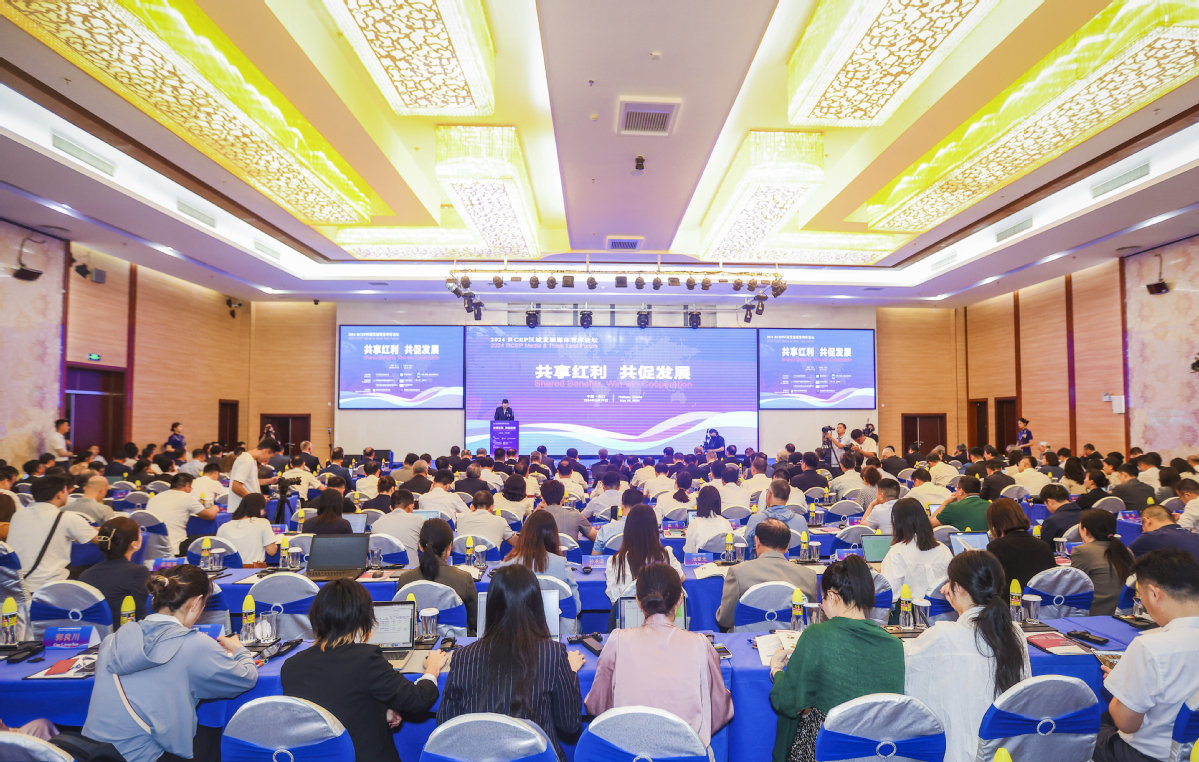
Global experts have called for further moves to enhance the effective implementation of the Regional Comprehensive Economic Partnership trade, the world's largest free trade pact, which will offer increasing opportunities for global stakeholders.
The remarks were made at seminars discussing improving the utilization rate of the RCEP's rules and advancing regional economic integration, which were held on Sunday on the sidelines of the RCEP Media & Think Tank Forum in Hainan province.
Ahn Choong-yong, professor emeritus at Chung-Ang University said, "While the RCEP agreement provides unified rules for origin and making progress in certification, it also has obvious shortcomings compared to the Comprehensive and Progressive Agreement for Trans-Pacific Partnership."
According to Ahn, the RCEP agreement lacks certain characteristics present in the CPTPP, including environmental and labor standards, and intellectual property protection. There is also less emphasis on digital trade in the RCEP agreement as well as a lack of investment protection.
Ahn noted that seven countries — Australia, Brunei, Japan, Malaysia, New Zealand, Singapore and Vietnam — are members of both the RCEP and the CPTPP, and that China has applied to join the latter. He called for more improvement in the RCEP trade deal to align with the level of the Asia-Pacific economic framework.
To make the RCEP more effective, Zhang Yansheng, chief researcher at the China Center for International Economic Exchanges, highlighted the importance of adhering to institutional opening-up and implementing existing measures on promoting liberalization and facilitation for trade and investment.
"The major countries in this region need to take responsibility and provide public goods, including capacity building, institutional development and network construction," he said. "A new opportunity also lies in green and digital transformation; the region must strive for that. And more efforts should also be made to deepen cooperation in various aspects to enhance total factor productivity."
The RCEP is a historic agreement that brings together 15 Asia-Pacific countries: 10 member states of ASEAN and five of their key trading partners — China, Japan, South Korea, Australia and New Zealand — representing about a third of global economic value.
Masahiro Kawai, professor emeritus at the University of Tokyo, said while the goals of the RCEP in terms of open trade are not as ambitious as that of the CPTPP, the RCEP members include many developing countries.
"That makes it a very inclusive free trade agreement," the professor said.
Looking to the future, he said more efforts should be made to further reduce tariffs in a shorter time frame to attract more countries to follow RCEP standards.
Zhao Jinping, former director-general of the Department of Foreign Economic Relations at the Development Research Center of the State Council, said one of the key tasks for the RCEP is promoting regional economic integration, with a focus on adding more members.
"Expanding the scope of RCEP membership beyond the region would be very beneficial for enlarging our circle of friends," he said.
Zhao's views were echoed by Chang Ka-mun, managing director of Li & Fung Development (China), which focuses on providing solutions for supply chain problems. Chang said participating governments need to increase efforts and promote the RCEP through various publicity activities, allowing more people and more companies to gain a better understanding of the agreement.
Zhao said he strongly supports the establishment of a secretariat for the RCEP, saying that doing so can encourage member countries to strengthen policy connectivity and coordination.

Members of the Regional Comprehensive Economic Partnership can further improve the alignment of operational guidelines across key sectors such as competition policy and trade in services to elevate mutual openness, said trade experts and foreign scholars on Sunday.
Speaking at a forum in Haikou, capital of Hainan province, they said that in the context of the uncertain global geopolitical landscape and trade protectionism, these measures are practical to tackle the weaponization of tariffs and support the growth of a healthy supply chain in the Asia-Pacific region.
Further harmonizing their rules and policies in areas such as government procurement, rules of origin, cross-border e-commerce, customs procedures, financial cooperation and resource flows will help facilitate the free flow of economic elements among member countries, said Yu Hongjun, former deputy head of the International Department of the Communist Party of China Central Committee.
"This alignment promotes the liberalization and facilitation of trade and investment within the region, enhancing regional economic integration," said Yu, adding it will also drive global investment and trade activities, pushing the international community toward a new era of stable economic globalization.
Sharing similar views, Xue Lan, dean of Schwarzman College at Tsinghua University, stressed that fostering the digital economy and establishing robust digital trade frameworks are paramount.
"Enhancing mechanisms for cross-border data flows to improve both efficiency and security are essential," Xue said, noting that while trade agreements significantly bolster the goods trade, easing the exchange of underlying data also plays a critical role and can profoundly influence trade dynamics.
Given the large population and the vast amounts of data in the RCEP region, which includes 15 countries from China to New Zealand, it is essential to proactively develop new digital business models and create international data service industry clusters, he added.
Thanks to favorable tariff policies and simplified customs procedures, along with their complementary trade structures, foreign trade between China and the other 14 RCEP countries amounted to 3.08 trillion yuan ($425.56 billion) in the first quarter of this year, growing by 2.7 percent year-on-year. This accounted for 30.3 percent of China's total trade value, data from the General Administration of Customs showed.
Eager to promote substantial economic and trade cooperation with neighboring countries, China has held a number of talks with related parties on the third version of the China-ASEAN Free Trade Area agreement and the China-Japan-South Korea free trade agreement, according to China's Ministry of Commerce.
Yan Liang, deputy secretary-general of the Seoul-based Trilateral Cooperation Secretariat, an international organization promoting common prosperity among China, Japan and South Korea, said that all RCEP member countries should collaborate closely and uphold the principles of multilateralism.
This will further enhance the standards and rules for the liberalization and facilitation of goods and services trade and investment, Yan said.
In addition to cooperation in traditional economic sectors, he said there should be a focus on investments in new economic areas, particularly in the digital economy, as well as in the green and blue economies and the wellness industry.
Echoing that sentiment, Kim Heung-chong, a distinguished professor at the College of International Studies of Seoul-based Korea University, said as member economies have many unilateral and bilateral free trade agreements within the RCEP, they need to further increase market openness.
"Sometimes, it involves not only cutting tariffs, but also factors like certifications and subsidies play a role," Kim said.
"The RCEP can play a significant role in stabilizing economic development, especially as many countries in the Asia-Pacific region are dealing with protectionism and avoiding trade wars," said Nguyen Huy Hoang, dean of the faculty of economics at the Vietnam Graduate Academy of Social Sciences.
This mega free trade deal can help member economies achieve post-pandemic recovery and promote long-term economic growth, as well as foster regional peace, stability, harmony and prosperity, he added.
"Data has now become a crucial element in reshaping the global digital industry's competitiveness," said Xue Lan, dean of the Schwarzman College of Tsinghua University, at the 2024 RCEP Media & Think Tank Forum on May 19. He said cross-border data drives significant economic value by permeating new formats and models of digital trade, and the RCEP also provides crucial new opportunities for businesses in digital trade.
"Unilateralism and protectionism are the biggest obstacles and nemeses of regional integration," said Wu Hailong, president of China Public Diplomacy Association at the 2024 RCEP Media & Think Tank Forum on May 19.
He stated that some people used unilateralism and protectionism to suppress and restrain industries and products of countries that are more competitive than them. RCEP countries should speak out boldly, and dare to say "no" from the perspective of safeguarding the interests of this region.
?
"Even in zero-sum games, there are winners and losers. But now some major powers are playing a negative-sum game," said Zhang Yuyan, Director of Institute of World Economics and Politics under the CASS at the 2024 RCEP Media & Think Tank Forum on May 19.
He stated that when considering economic growth, in the face of today's political and economic reality, we must pay attention to the harm and constraints that the negative-sum game poses to growth.
"RCEP must ensure no one is left behind, with a special focus on small and medium-sized enterprises," emphasized ASEAN Secretary-General Kao Kim Hourn in his opening address at the 2024 RCEP Media & Think Tank Forum on May 19.
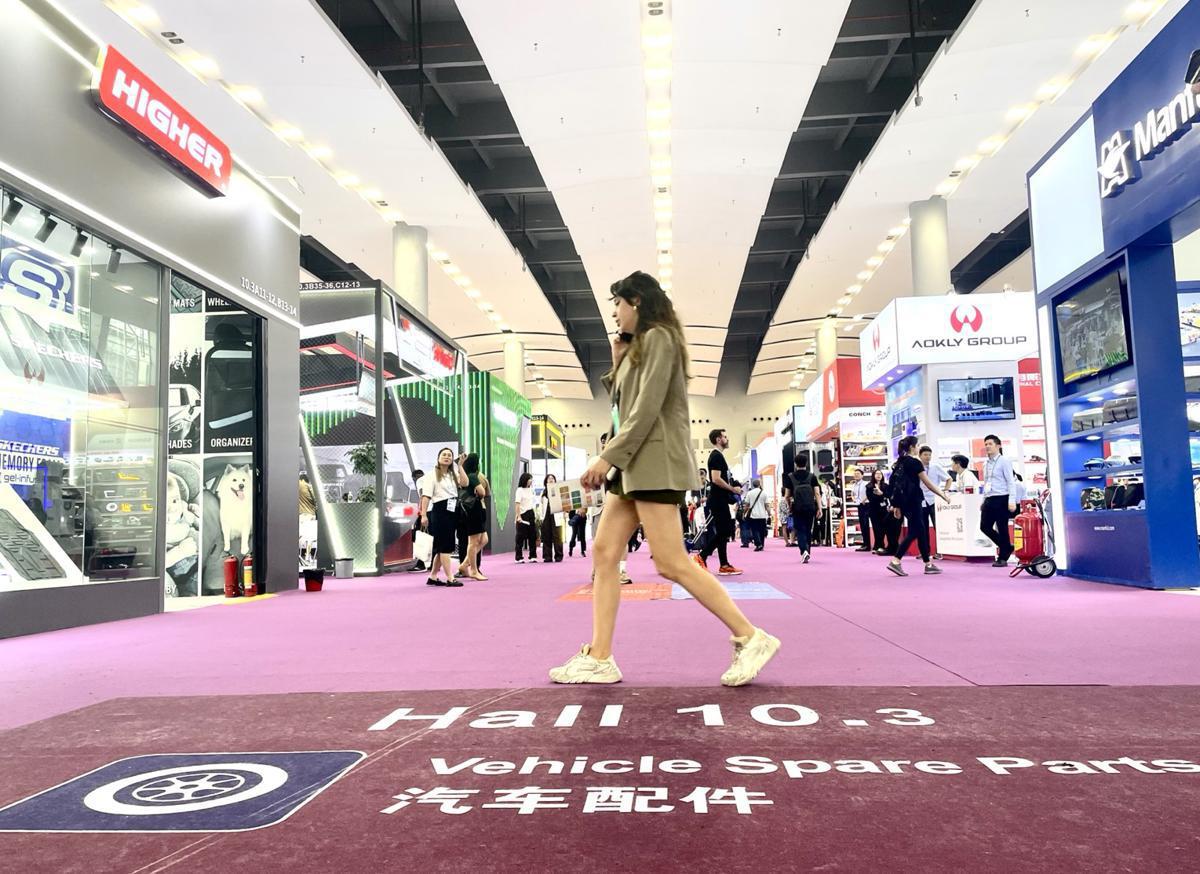
The third phase of the 135th China Import and Export Fair — widely known as the Canton Fair — is scheduled to open on Wednesday in Guangzhou, Guangdong province, further building upon the significant increase of overseas buyers in the last two phases.
One of China's biggest trade events, the fair continued to show its "super flow" effects within the global business community, with visits of more than 190,000 overseas buyers in its first two phases — a year-on-year increase of 22.1 percent since its last session in October, the organizer said.
Of the international buyers, 120,000 were from countries and regions involved in the Belt and Road Initiative, with 46,000 from member countries of the Regional Comprehensive Economic Partnership (RCEP), they said.
Chinese enterprises have paid particular attention to transforming and enhancing traditional industries by using new and green technologies in their products, with more innovative, low-carbon and high-quality products being displayed during the fair, the organizers said.
The fair is held twice a year, in spring and autumn, in Guangzhou.
The fair's third phase, themed "A Better Life", focuses on showcasing five major sectors, including toys, pregnancy and baby items, fashion, household textiles, stationery and health and leisure, with the participation of 11,495 Chinese enterprises and 262 overseas exhibitors from 29 countries and regions.
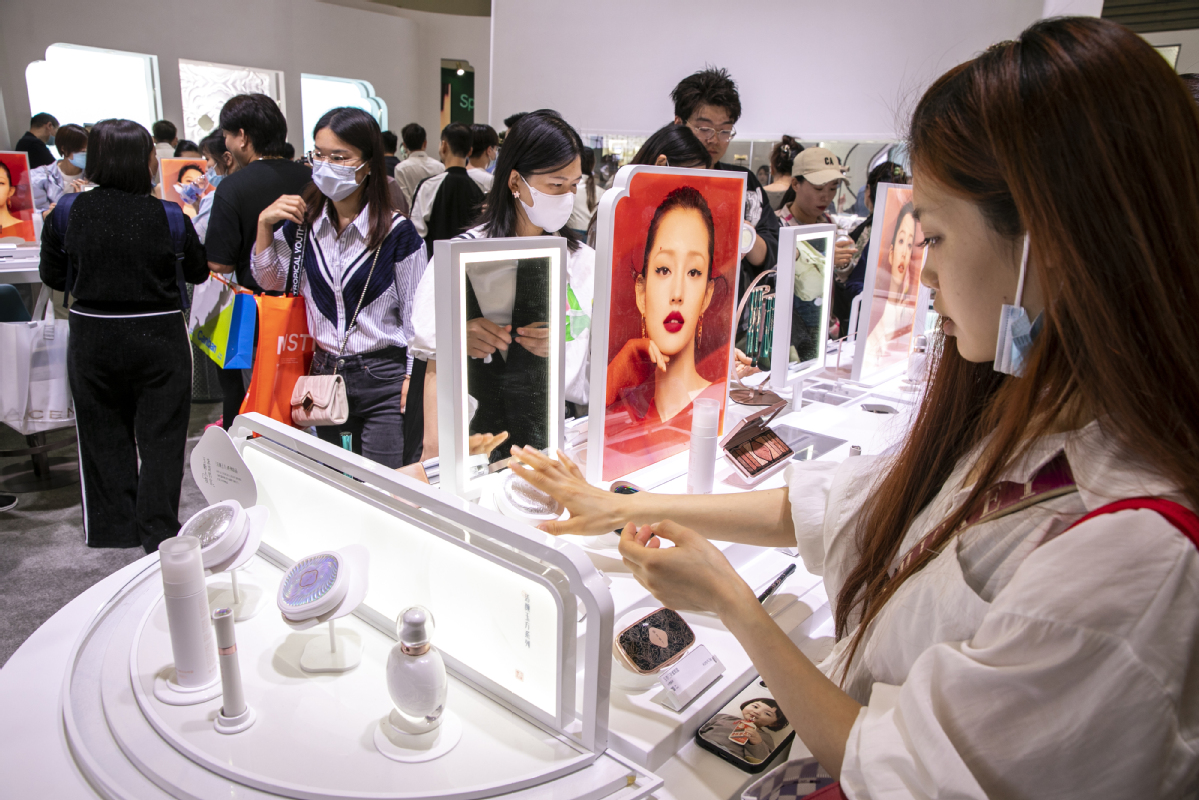
Domestic brands with unique features and high-quality attributes have been accelerating their pace of going global, and the trend has shifted from low-priced competition to branding development, and increasing applications of digital technologies, industry experts said.
Hangzhou, Zhejiang province-based Huaxizi — or Florasis in English — a Chinese beauty brand with cultural attributes and aesthetic qualities, launched a series of products at a Cosme store, a Japanese cosmetics information and community portal, in Osaka earlier this year.
In August last year, it opened a store at high-end Japanese department store Isetan in Shinjuku, Tokyo, as its first seasonal limited offline store overseas.
"The Japanese cosmetics market is quite mature and shows strong demand. The high standard of the Japanese market will help Florasis to raise brand strength, and seek new breakthroughs in the international market," said Gabby Chen, president of global expansion at Florasis.
"China and Japan are geographically close and have frequent cultural communications. Florasis chose Japan as the first stop for overseas operations, as the company aims to leverage cultural resonance between the two countries," Chen said.
The brand launched its store on Amazon in Japan in 2021, and its bestselling lipstick product topped the real-time lipstick sales charts on its first day of launch, fueled by an increasing pursuit of beauty and youth among consumers.
Since last year, domestic beauty products have become increasingly popular overseas and Chinese companies have gradually established a foothold in the markets of Japan, South Korea and Southeast Asia, said industry observers.
In 2023, the total export value of Chinese cosmetics reached 26.37 billion yuan ($3.64 billion), growing 39.3 percent year-on-year, according to data from the General Administration of Customs.
"Japan and South Korea stand as two mature beauty markets with high-income consumer groups. They are suitable destinations for the export of distinctive Chinese beauty products," said a research report by Guotai Junan Securities.
Shared beauty standards among East Asian countries enable Chinese cosmetics brands to take advantage of export opportunities. Domestic cosmetics retailers should further raise their research and development capabilities and brand impact, and grab business opportunities presented by the Regional Comprehensive Economic Partnership agreement, said the Ministry of Commerce.
The RCEP agreement, which took effect on Jan 1, 2022, includes 15 Asia-Pacific countries. The trade pact is expected to reduce tariffs by up to 90 percent on goods traded among member economies over the next two decades.
Meanwhile, Florasis attended the fourth China International Consumer Products Expo in mid-April in Haikou, capital of the southern island province of Hainan, and it was the company's first participation at the expo.
"Displaying a series of products with different ethnic themes, we hope to convey the unique Chinese culture and showcase the craftsmanship spirit of Chinese quality to domestic and foreign consumers," said Zeng Min, general manager of public affairs at EastGarden Group, parent of Florasis.
Domestically, the company has been focusing on online sales through e-commerce platforms.
Late last year, Florasis launched its duty-free store in Sanya, Hainan, and it became the sole Chinese cosmetics brand to operate an independent store at the duty-free shopping mall in Sanya.
In addition, Shanghai Chicmax Cosmetic Co Ltd, a Shanghai-based makeup retailer that owns brands such as Kans and Baby Elephant, debuted on the Hong Kong bourse in December, becoming the first listed Chinese mainland cosmetics company to sell shares in Hong Kong.
Last year, Chicmax achieved sales revenue of 4.19 billion yuan, up 56.6 percent year-on-year, with its gross profit margin at 70 percent, according to its earnings report.
The rosy business performance is mainly due to its comprehensive efforts in building a multi-brand matrix and continuous investment in scientific research, and the company's profitability prospects are stable and improving, industry analysts said.
In the past few years, significant achievements have been made in China's economic transformation and upgrading, and China's manufacturing and supply chains boast strengths, fueling growth in the number and quality of Chinese companies venturing overseas, said Denis Cheng, consumer sector leader at Ernst & Young China.
"The going-global trend of China's consumer goods sector is consistent with the overall trend of Chinese enterprises. More Chinese brands and technologies are going global, which is of great significance for stabilizing the competitiveness of Chinese enterprises in emerging fields and promoting the development of the nation's dual circulation development pattern," Cheng said.
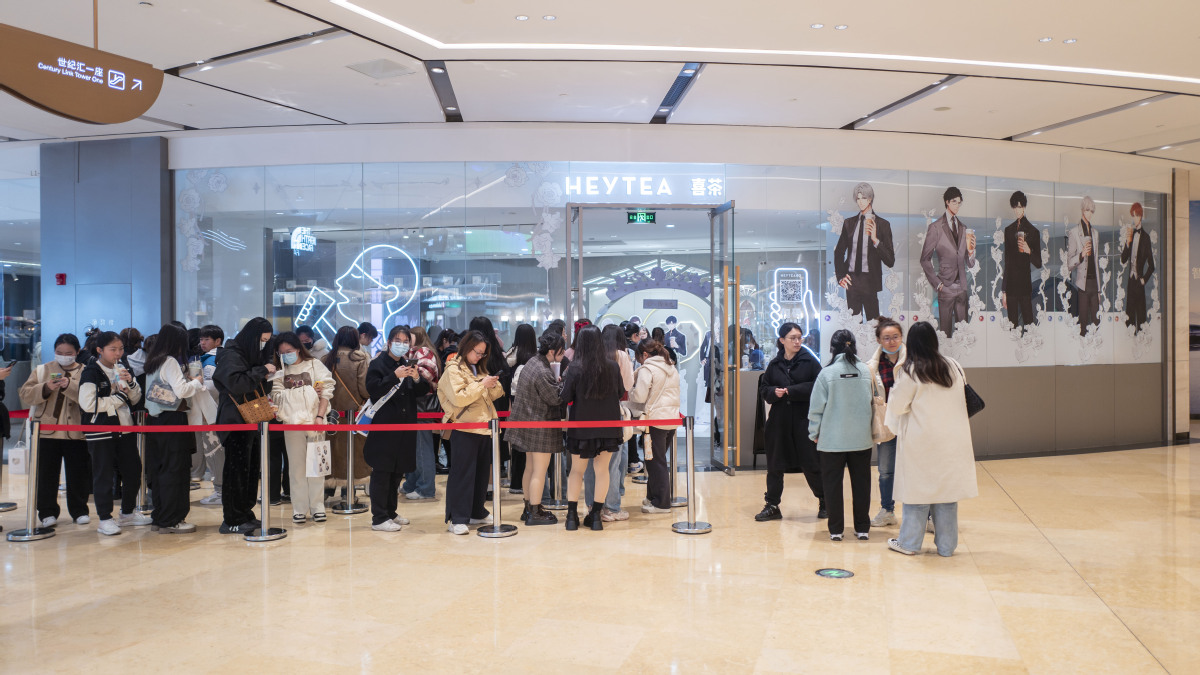
At the same time, China's popular milk tea chain Heytea, a brand originating in Shenzhen, Guangdong province, has been accelerating its pace of opening more stores overseas and use of intelligent machines to make beverages.
During the just-concluded consumer expo in Haikou, Heytea, as a representative enterprise of Shenzhen, showcased the latest version of its intelligent beverage-making device, which can make a single-serving beverage in as fast as three seconds.
Heytea said it has applied the self-developed highly efficient device in China and overseas to make multiple kinds of popular milk tea products. Currently, the company operates more than 3,000 stores globally, including in South Korea, Australia, Canada, the United States and the United Kingdom.
Standardization and uniformity of product quality are crucial, and the application of intelligent devices for tea drinks will help promote the sector to accelerate its development of overseas business with higher standardization and better quality, the company said.
In December, Heytea launched its first store in the US in New York, and became the first Chinese mainland milk tea chain to operate in that country. The company said it plans to continuously expand its operations in North America.
Earlier last year, Heytea opened its first stores in core business areas of the UK, Australia and Canada. Back in 2018, it launched its first overseas store in Singapore, with daily sales exceeding 3,000 serving.
The economic and trade relations between China and emerging economies such as the Association of Southeast Asian Nations, the Middle East and Latin America are becoming increasingly close, Cheng of Ernst & Young said.
"These countries boast significant economic growth potential and a young population structure, and they are expected to show a strong demand for consumer goods and become popular destinations for Chinese consumer goods enterprises to go abroad in the future," Cheng said.


