
The China Story
at your Fingertips
OPEN

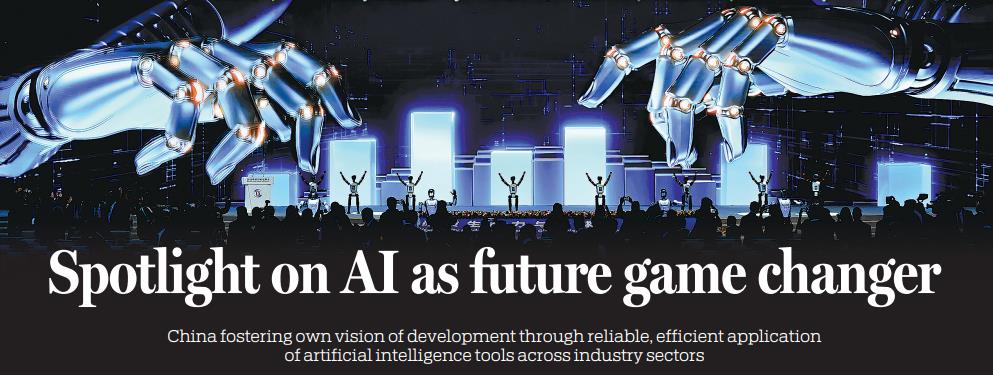
Delegates and visitors to the Zhongguancun Forum, a key technology event held in Beijing recently, were in for a surprise when they arrived at the venue late last month.
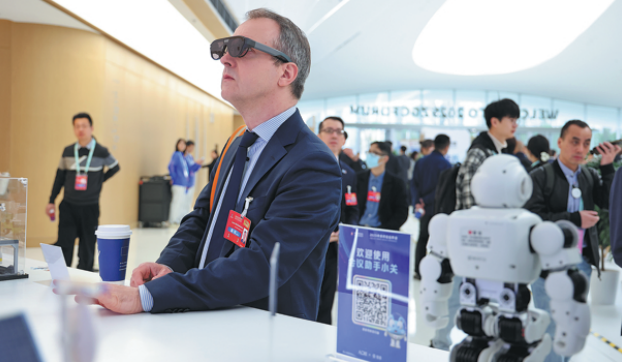
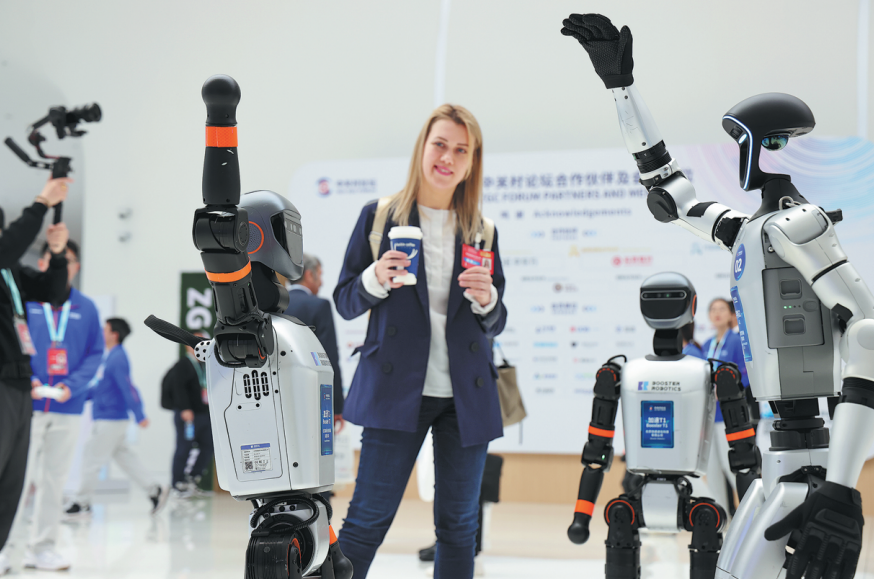
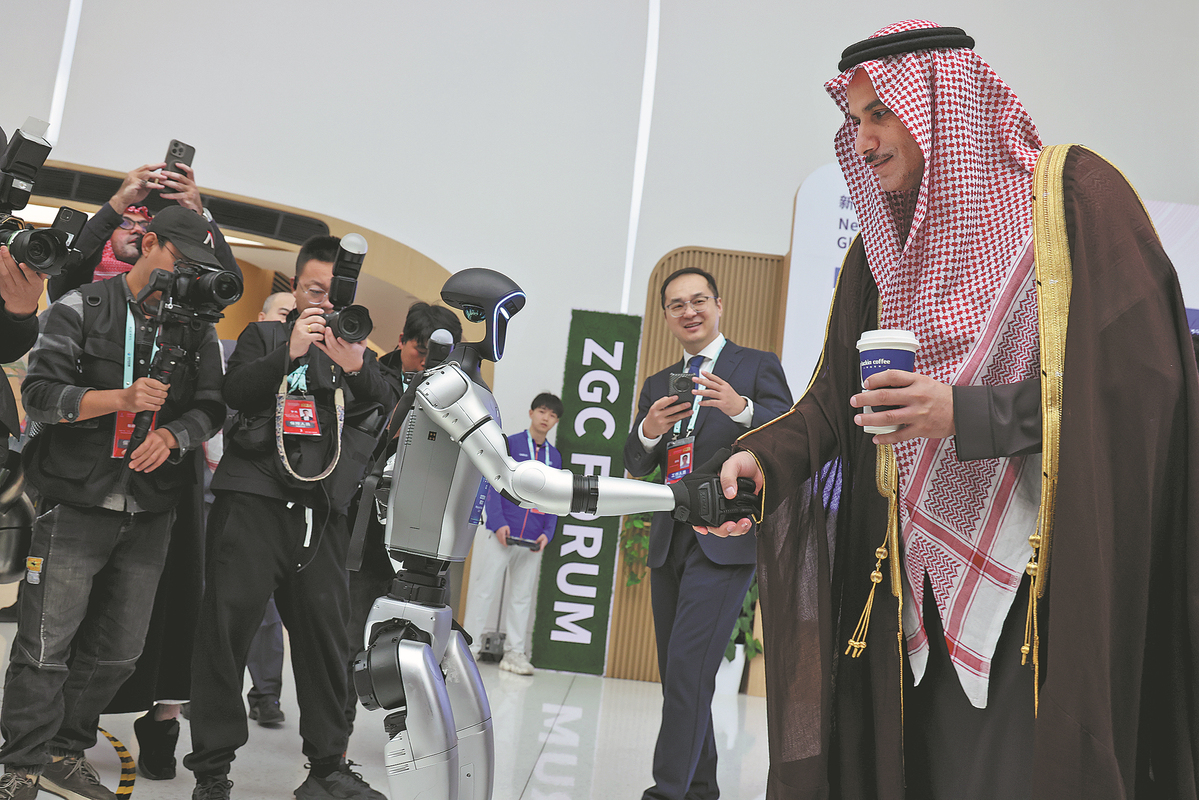
As they stepped in, they were greeted not by ushers in uniform, but by a coordinated team of robots that mimicked human expressions, answered queries and translated conversations in real time.
In the shadow of a series of bullying (tariffs) imposed by the Trump administration earlier this month, China is doubling down on what may be its most potent counterstrike: AI. From breakthrough chips to frontier models rivaling the West's best to humanoid robots, China's AI breakthroughs could stand out to be a potential game changer, industry experts said.
Elsewhere at the venue, a robot with a friendly voice and precise movements guided guests to a coffee corner where a robotic barista brewed fresh beverages. And, once the coffee was ready, another humanoid robot delivered it directly to the guest.
While other robots played chess with visitors or displayed their brush calligraphy skills with serene focus, some robotic dogs darted easily through the crowd of visitors.
This was just one of several events held last month where artificial intelligence took center stage.
In March, China saw a series of major events, including the two sessions, or the annual gatherings of the country's top legislature and political advisory body; the Zhongguancun Forum; and the China Development Forum in Beijing, as well as the Boao Forum for Asia in Hainan province.
In fact, several AI-related panel discussions at the Boao and Zhongguancun forums saw packed houses, with attendees filling up every seat and some even standing to hear out the participants.
This overwhelming interest in AI mirrors the prominence of the nascent sector across the nation, displaying a vivid picture of China's technological future.
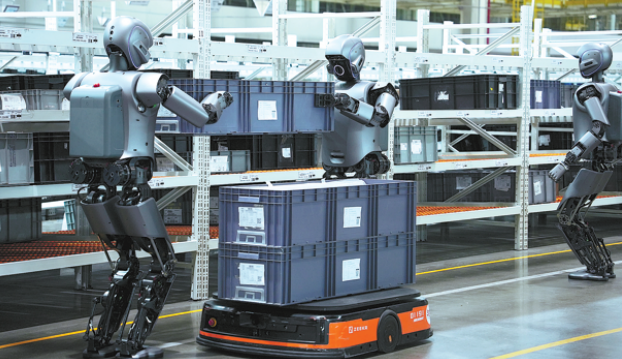
Industry experts said China is fostering its own vision for the development of AI through the reliable and efficient application of AI tools across a wide range of industries, a path that differs wisely from that of the United States.
Turing Award winner Joseph Sifakis said at the Zhongguancun Forum that China is crafting its own AI vision, distinct from that of the US.
"China has a solid and extensive industrial base and a unified domestic market. This enables the country to develop more reliable AI solutions that better align with the needs of the real economy, especially in the long-awaited transition to autonomous driving," he said.
Sifakis noted that China's strong industrial foundation, in particular, gives it an edge while industries such as self-driving vehicles, smart cities, smart factories and intelligent farms present more opportunities. "If developed well, (all these) will give China a dominant position in industrial AI," he said.
Kai-Fu Lee, a prominent AI expert and chairman and CEO of investment company Sinovation Ventures, said China has reached its "DeepSeek moment". He predicted that 2025 would mark a breakout year for AI applications and large-scale model deployment in China.
Lee recalled that about nine months ago, he had expressed frustration over China's lack of a "ChatGPT moment", as promising Chinese AI models at the time failed to stand out and spark nationwide adoption.
"However, DeepSeek has changed that landscape. Its success has awakened the Chinese market, ushering in a new AI era for the country," he said.
According to Lee, DeepSeek's rise proves that "closed-source AI has no future", and only open-source development will drive greater progress.
"As AI scaling laws shift from the pretraining stage to the inference stage, AI applications will accelerate exponentially this year," he said.
Scaling laws describe how the performance of AI systems improves as the size of the training data, model parameters or computational resources increase.
Kuang Ziping, founding partner of Qiming Venture Partners, a toptier Chinese venture capital firm, echoed that sentiment.
While the first generation of AI saw fragmented innovation, the second generation — dubbed "AI 2.0" — will be built on infrastructure, scalability and real-world application, he said.
"There's still a huge gap in foundational infrastructure investment," Kuang said. "But the application layer is poised for explosive growth."
From smart education and autonomous driving to embodied intelligence and hardware, he said the sectors that successfully integrate AI will define the future.
Zhu Xiaohu, managing partner at GSR Ventures, emphasized that generative AI must prioritize one principle above all — application is king.
Startups, he said, must embrace open-source ecosystems and rapidly iterate their products in vertical industries. The most effective businesses, he predicted, will not rely on AI alone, but on "AI plus human" hybrid models that combine intelligence with nuanced delivery capabilities.
As excitement around AI innovation builds in China, it also collides with geopolitical headwinds, especially after the nation, a major trading partner of the US, was hit with several rounds of so-called reciprocal tariffs since April, in addition to a 20 percent tariff imposed earlier this year.
Last month, the US also added dozens of additional Chinese entities, including the Beijing Academy of Artificial Intelligence and tech firm Inspur Group, to its export restrictions list.
But, the world is big enough for hundreds of countries, including the US and China, to codevelop AI, and Washington's sanctions on high-tech sectors will only steel Beijing's resolve to drive homegrown innovations, said industry experts and company executives.
During a panel discussion at Boao Forum for Asia, Zeng Yi, a member of the United Nations' high-level advisory body on AI and a researcher at the Chinese Academy of Sciences' Institute of Automation, said: "The future of AI is not decided by a handful of countries, but by nearly 200 countries and regions. The world is big enough to embrace both the US and China to codevelop AI."
Zheng Yongnian, dean of the School of Public Policy at the Chinese University of Hong Kong (Shenzhen), criticized as "unwise "the inclusion of Chinese companies in restrictive measures aimed at hindering China's AI progress.
"China possesses significant advantages in application scenarios, with the government actively promoting the AI Plus strategy to expedite technological implementation. US sanctions on technologies have, paradoxically, spurred China to intensify investments in these areas and foster indigenous innovation," Zheng said.
"If China's AI technologies continue to evolve at the current pace, the US might find itself relying on China's original innovations in certain sectors within 10 to 15 years," he added.
Carl Fey, a professor of strategy at BI Norwegian Business School, said that while US tech restrictions may cause short-term pain for China, they will ultimately compel the latter to fortify its technological base and sharpen its global competitiveness.
Fey warned that measures like tariffs and export bans not only slow global tech progress, but also backfire by accelerating domestic innovation.
A group of experts cited Deep-Seek as a case in point — a low-cost, open-source AI model that is transforming the industry landscape. DeepSeek's accessible architecture enables rapid deployment, and widespread use may reshape the AI future globally, a vision where AI, like water or electricity, becomes a basic utility available to everyone.
Jiang Xiaojuan, a professor at the University of Chinese Academy of Social Sciences, said that Deep-Seek is breaking monopolies and ushering in a new era of vigorous competition, converting technical know-how into industrial might.
"In a competitive market, these challenges will naturally be resolved by the forces of the market itself," Jiang said.
Gao Xuefeng, founder and CEO of AI data infrastructure company Fabarta, said that after DeepSeek's breakthrough, many Chinese companies no longer hesitate to invest in AI.
"Every few months, new technological advancements emerge. Companies can't afford to wait; they must integrate AI into their business and industry now," Gao said, adding that every sector in China can be re-imagined through AI in the coming years.
Amid rising AI enthusiasm, Wang Zhongyuan, head of the Beijing Academy of Artificial Intelligence, a leading nonprofit AI institute, said that DeepSeek has indeed delivered impressive results, proving that China can train large-scale AI models parallel to ChatGPT 4 despite limited computing power.
Regarding artificial general intelligence, in which an AI system can match or exceed the cognitive abilities of humans in any real-world task, Wang said that the industry is still far from achieving such capabilities. "I think we are still at least five to 10 years, or even longer, from reaching that level," he added.
The 2025 Zhongguancun Forum featured an impressive showcase of embodied AI, with nearly 100 robots from 15 leading companies performing diverse roles, which included greeting and entertaining guests. This "robot rally" demonstrates the surging popularity of embodied intelligence in today's tech landscape.
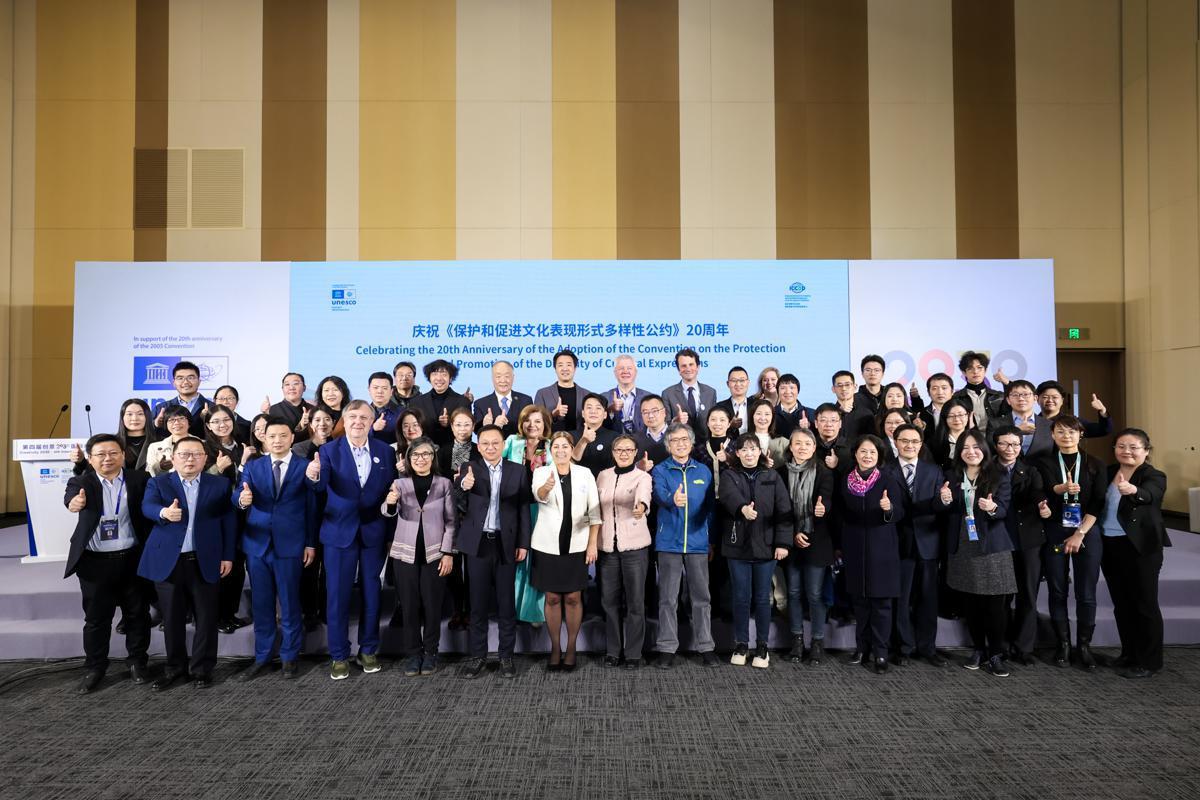
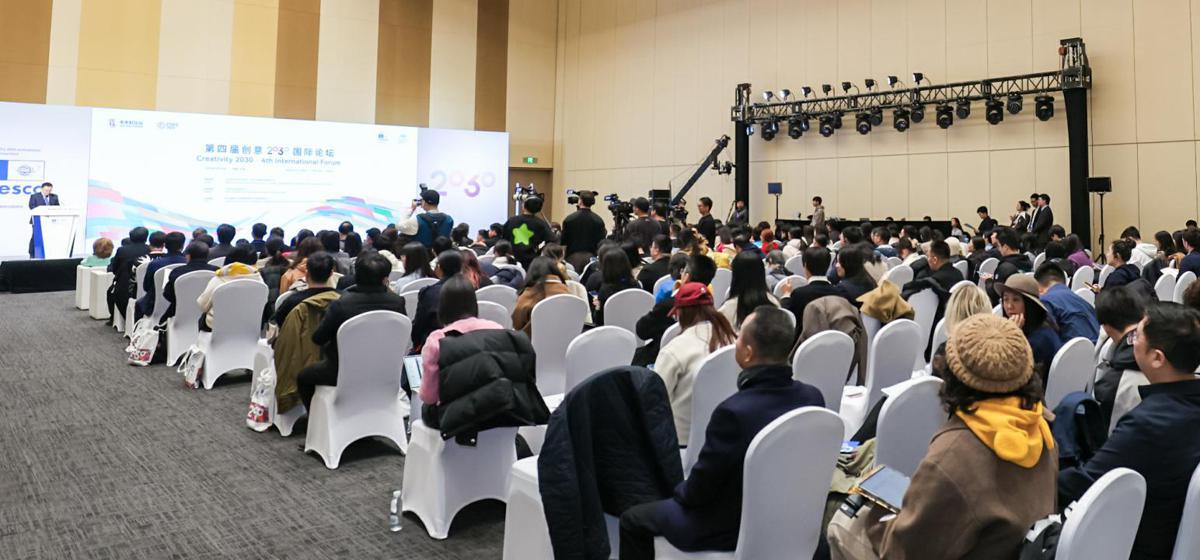
The 4th Creativity 2030 International Forum provided a platform dedicated to protecting cultural diversity and promoting sustainable development during this year's Zhongguancun Forum Annual Conference in Beijing on Saturday.
Shahbaz Khan, director of the UNESCO Multisectoral Regional Office for East Asia, delivered a video speech at the event, saying that this forum demonstrated the vital role of creativity and innovation in advancing sustainable development and preserving cultural diversity in the digital age.
He stressed the need to foster innovation in creative industries, particularly in fields like science fiction, by providing essential resources, network support and policy frameworks to stimulate the flourishing of creativity and robust growth.
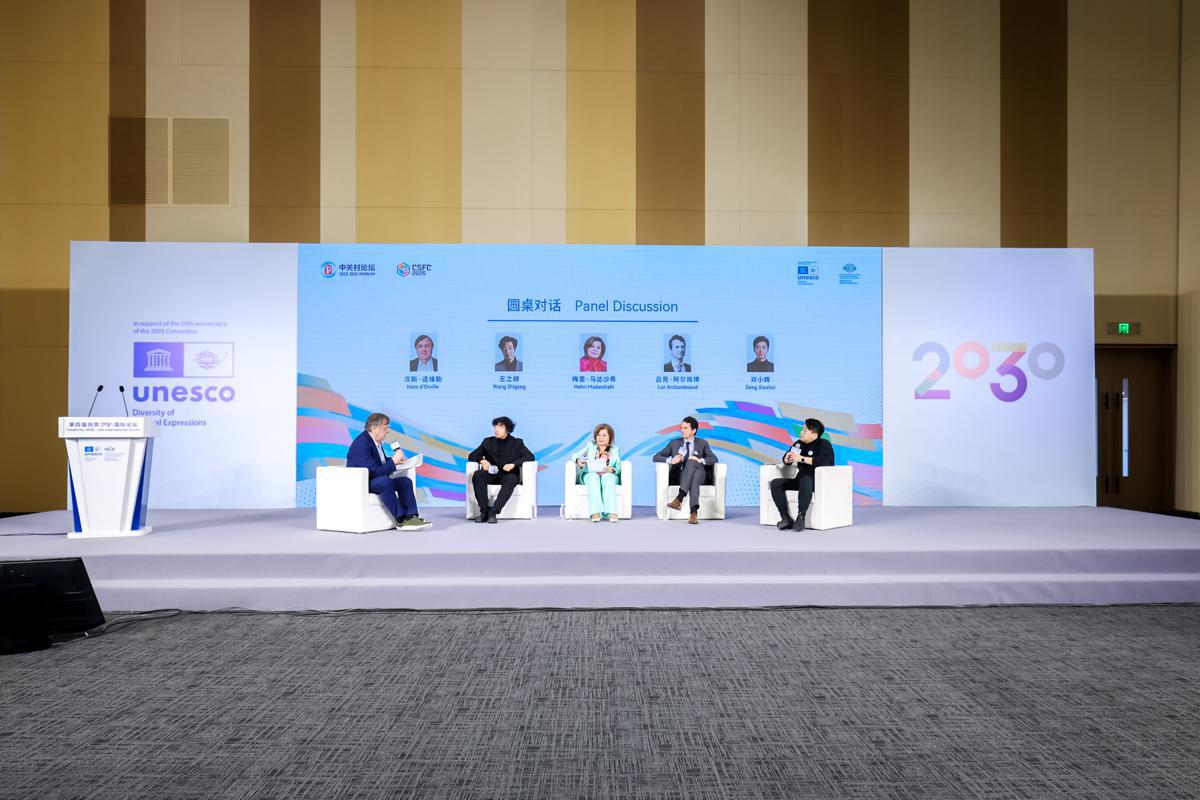
The forum marked the 20th anniversary of the 2005 Convention on the Protection and Promotion of the Diversity of Cultural Expressions, which encouraged developing countries to enhance their capacity to protect and promote cultural diversity through dialogue and international cooperation. It is China's first project included in UNESCO's global celebration of the convention's 20th anniversary.
The Beijing Science and Technology Commission and the Zhongguancun Science Park Administrative Committee guided the forum with support from the Beijing Science and Technology Innovation Promotion Center. It was organized by the International Centre for Creativity and Sustainable Development under the auspices of UNESCO (Category 2).
Up to 150 representatives from 10 countries, including France, Germany and Austria, attended the forum.
In 2024, ICCSD launched a program to collect cases of protecting and promoting cultural diversity in the digital environment. Twenty exemplary cases were published at the event. These cases highlighted cutting-edge technological innovations like artificial intelligence, extended displays and big data, covering new technology applications in the cultural sector.
The cultural industry is expanding in the digital age, with new forms of cultural and technological integration, including science fiction, developing rapidly. Beijing alone hosts nearly 800 science fiction companies with a total annual revenue of 48 billion yuan ($6.6 billion), propelling the city's science fiction industry to new heights.

In 2025, we will focus on expanding international cooperation and promoting youth innovation. We recognize the power of technologies like quantum computers, artificial intelligence and renewable energy. These are not just tools and new technologies, but also catalysts for social progress and environmental sustainability.
Shahbaz Khan, director and representative of the UNESCO Regional Office for East Asia
We hope young Chinese scientists will actively integrate into the global innovation network with an open and inclusive mindset, enhancing their research capabilities and strengthening their innovation skills through international collaboration. Likewise, we encourage more young talent from around the world to experience, understand and engage with China, fostering mutual exchange and learning.
Wang Jinzhan, member of the leading Party members group of the China Association for Science and Technology
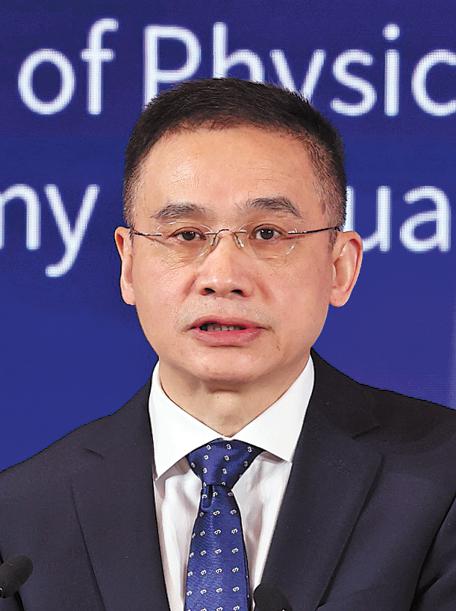
At this critical period of transition toward the practical application of quantum computing, China urgently needs to advance its talent strategy with greater ambition. We can only gain the upper hand in this race for the future frontier of science and technology by establishing a talent development system spanning basic education, higher education, industrial application and international collaboration, as well as building a highly innovative quantum talent pool.
Xiang Tao, academician at the Chinese Academy of Sciences
More than 20 visitors from renowned universities and research institutions worldwide gathered in Beijing on Sunday for the 14th Beijing Tour for Overseas Talents, a four-day event aimed at fostering exchanges between international professionals and the city's government agencies, entrepreneurial parks and employers.
Organized by the Beijing Overseas Talents Center since 2010, the tour is part of the capital's broader effort to attract global talent and bolster its status as a high-level innovation hub, the center said.
During the tour, participants will visit key technology sites, including a software park, an environmental protection science and technology demonstration park, and a science city planning exhibition hall in Zhongguancun, Haidian district.
Zhongguancun, home to nearly 9,000 high-tech firms such as Lenovo, ByteDance and Didi, is often referred to as China's Silicon Valley.
Attendees will also tour high-tech companies, including the Huawei Beijing research center, Li Auto and iFlytek, along with an innovation center and an industrial park focused on emerging industries such as artificial intelligence and new energy.
According to the Beijing Overseas Talents Center, this year's participants include representatives of overseas student unions from Germany, France, Canada and Spain, as well as experts in artificial intelligence. The tour features job fairs and policy briefings on talent recruitment, allowing face-to-face interactions between overseas professionals and potential employers.
Zhang Junhao, a fourth-year doctoral student specializing in AI at Nanyang Technological University in Singapore, said he hopes to gain firsthand insight into the needs of companies, government agencies and investors in Beijing.
"The policies are very supportive in Beijing. Entrepreneurship parks offer tax breaks to international students who return to start businesses. Additionally, Beijing is a hub for key resources from the government, companies and investors," Zhang said.
"As an overseas student, I want to promote technological exchanges between China and the world and contribute to my country's technological development," he added.
Liu Chaohui, who holds a doctorate in electronic and electrical engineering from the University of Sheffield in the UK and is chief engineer at the National New Energy Vehicle Technology Innovation Center, participated in the 2019 Beijing Tour for Overseas Talents.
"The tour gave me a thorough understanding of Beijing's talent policies, key industries and the current and future landscape of industrial development," Liu said. "The experience directly influenced my decision to start my innovation career in Beijing upon returning home."
xunuo@chinadaily.com.cn
The latest in how science and technology are improving the lives of people living with disabilities was showcased in Beijing's Zhongguancun area on Saturday, at a parallel event of the 2025 Zhongguancun Forum Annual Conference.
Themed Harnessing Technology for a More Inclusive World, the event highlighted how artificial intelligence is helping those with hearing loss communicate, how those with limited mobility can be rehabilitated with exoskeletons, and how brain-machine interfaces are enabling those with quadriplegia to move robotic limbs.
Hong Bo, a professor in the department of biomedical engineering at Tsinghua University, said his research team has helped three quadriplegic patients regain some degree of mobility using brain-machine interface technology.
"By implanting a coin-sized electrode on the dura mater of the brain, neuron signals are collected and translated into control commands for external devices, allowing paralyzed patients to control robotic arms to grasp and move objects with only their thoughts," Hong said.
"The implant is semi-invasive, with electrodes placed on the dura mater, the outermost layer of the brain's protective meninges, meaning they do not damage nerve cells," he said.
The implant features wireless power supply and communication for lifelong use, as well as a robust algorithm with more than 100 channels to consistently collect signals.
"Based on 17 months of clinical trials, this technology has proved safe and effective," Hong added.
"People with disabilities have the same rights to go outside as everyone else, and this is where technology can make a difference by providing more care for them," he said.
Homayoon Kazerooni, a professor of mechanical engineering at the University of California, Berkeley, and the leader of the development team for the Phoenix exoskeleton, said the suit enables people with mobility issues to stand and walk.
"It's a modular exoskeleton consisting of three parts: a powered knee brace and a hip brace that provide extension and flexion torque, as well as an ankle-foot orthosis. Users can independently put on and remove each piece," Kazerooni said.
The lightweight, easy-to-wear exoskeleton monitors the user's gait and various indicators in real time. A mobile phone interface allows users to control standing up, sitting down and walking. The intelligent system learns how to slow down, speed up and adjust stance, making in-home rehabilitation with minimal caregiver support a future reality, Kazerooni added.
"Currently, these devices are not affordable for individuals. They are rather expensive, but we're moving toward lowering prices to make them comparable to powered wheelchairs," he said.
Andreas Hahn, corporate vice-president of clinical research and services at Ottobock, a company specializing in orthotics and prosthetics, said keeping the costs down for new technology is critical.
"It's always difficult to ensure equal access to everything for everyone. We take cost control seriously and make sure that the most appropriate product is given with the best service available to our clients," he said.
Zhou Changkui, chairman of the China Disabled Persons' Federation, agreed.
"Ensuring that people with disabilities share in the benefits of technological progress should be an essential part of safeguarding their rights. Greater determination and efforts should be made in advancing assistive technologies," Zhou said.
xunuo@chinadaily.com.cn
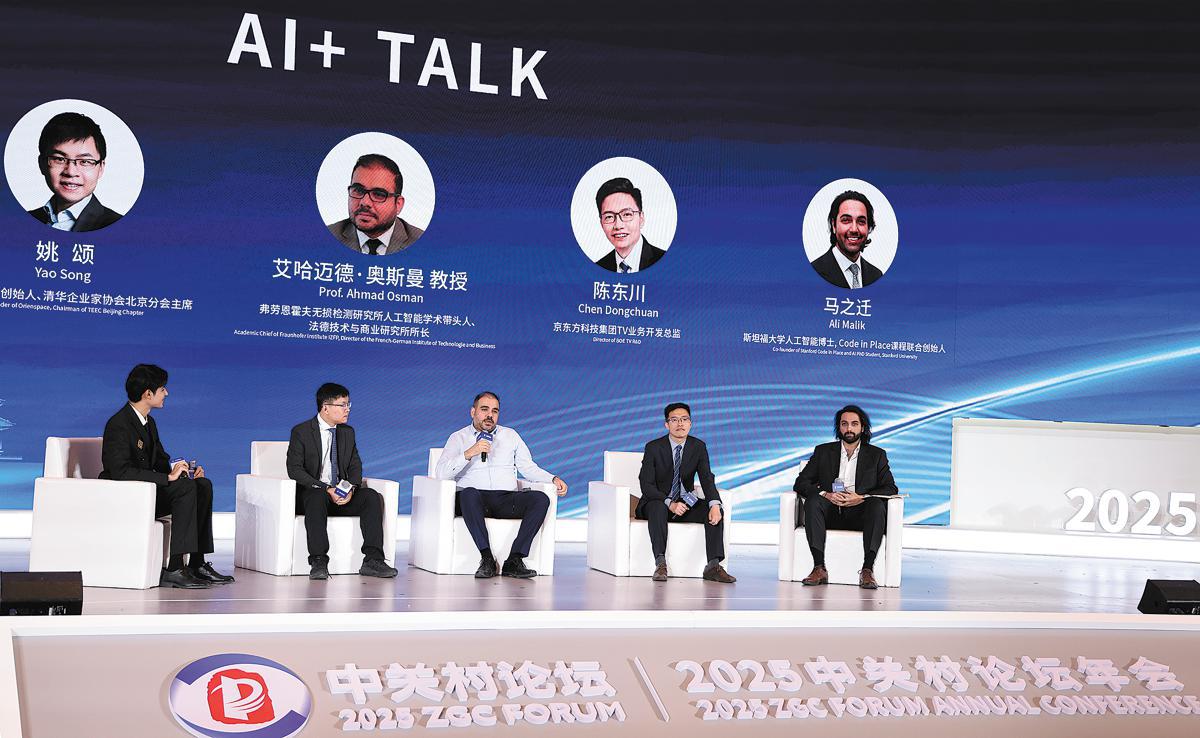
Chinese scientists and international experts called for greater collaboration among young researchers at the 2025 Beijing International Youth Innovation and Development Forum, emphasizing the crucial role of young people in driving global innovation.
Xiang Tao, an academician of the Chinese Academy of Sciences, said Sunday at the forum that more open platforms for exchange and collaboration are needed to connect young scientists with top-tier global peers.
The YID Forum serves as a global platform for young talent exchange and is aimed at unlocking the potential of young innovators and supporting their development worldwide, aligning with Xiang's vision.
"Many groundbreaking scientific discoveries throughout history have been driven by young researchers," Xiang said, emphasizing the crucial role of young talent in advancing innovation, particularly in fields such as quantum technology.
He noted that more than 85 percent of doctoral researchers at the Beijing Academy of Quantum Information Sciences are under age 36.
"We encourage young people to venture into uncharted territories and pursue cutting-edge innovation," Xiang said. "While this journey may feel isolating, it's important to foster a culture where innovators feel supported and surrounded by like-minded peers."
Caucher Birkar, the 2018 Fields Medalist and a member of the Academy of Europe, echoed Xiang's views from a mathematical standpoint.
"Just as individuals are interconnected, so are mathematical disciplines. In fact, most major mathematical breakthroughs come from collaboration, not the work of a single person," Birkar said. "Thanks to today's technology, collaboration has become much easier, enabling diverse teams to lead research projects together."
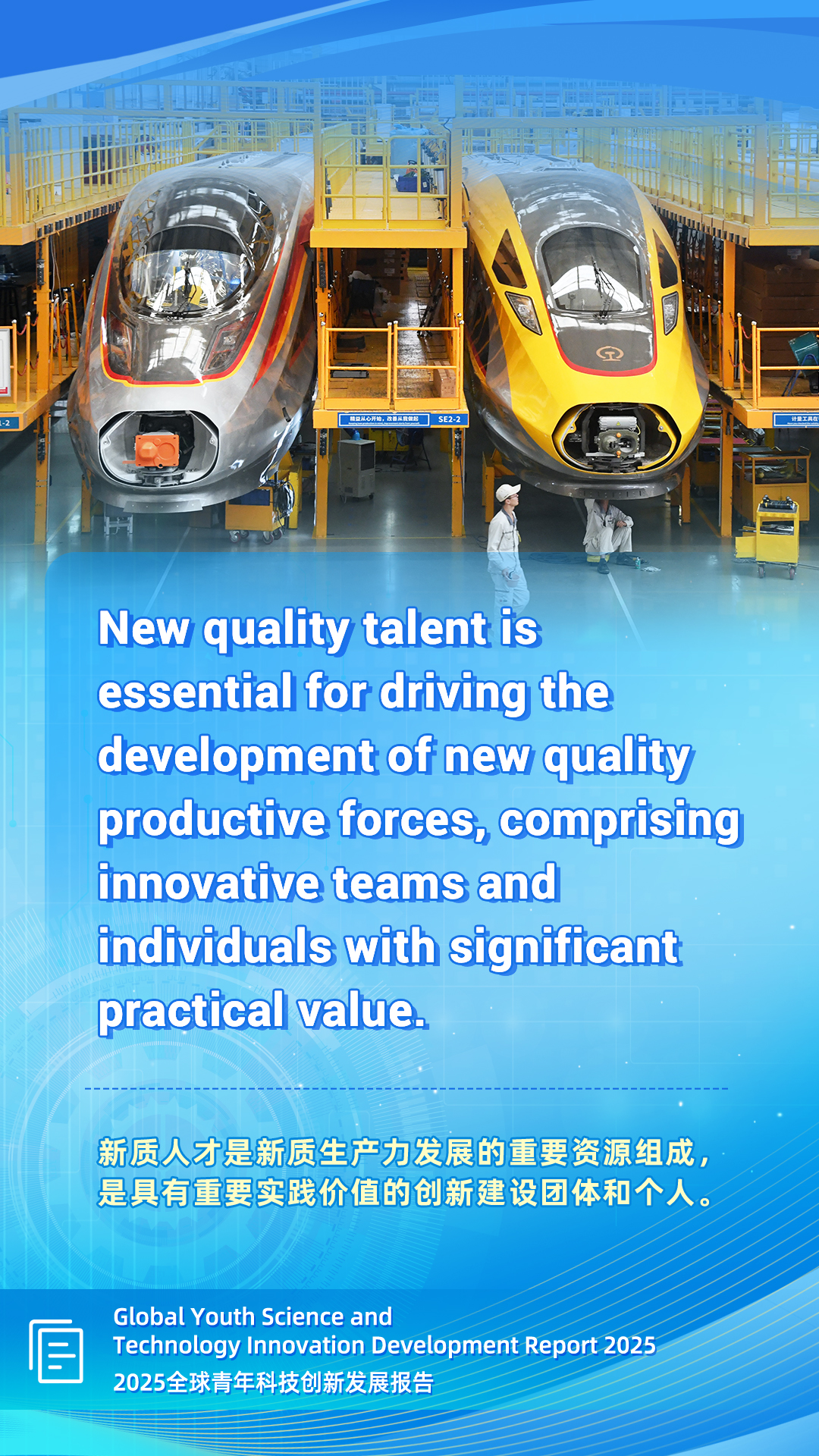
During the forum, Zhai Kun, a professor at Peking University's School of International Studies, released the 2025 Global Youth Science and Technology Innovation Development Report. The report examined how "new quality talent" are driving global innovation and boosting productivity.
One such example is Wang He, founder and chief technology officer of Galbot, a humanoid robot company established in Beijing in May 2023.
Wang said the company's robots are designed for cross-industry applications, ranging from logistics and retail to elderly care. Two unmanned 24-hour stores using the robots are already in operation in Beijing.
"China's strong manufacturing capabilities, global demand and AI model partnerships will be key to shaping the future of humanoid robots," Wang said.
The forum concluded with a panel discussion featuring four young AI experts who explored how AI is driving new quality productive forces and creating vast opportunities for youth.
Yao Song, cofounder of the commercial aerospace company Orienspace, said robots should be focused on solving practical, real-world problems.
"Robots should first take on tasks that are undesirable or physically taxing for humans, such as handling explosive materials," he said.
Chen Dongchuan, a director at BOE TV, discussed the role of AI in transforming traditional industries. He said AI enhances image quality in the display sector while also reducing energy consumption.
"While traditional industries have high technical barriers between sectors, AI has made cross-industry technological integration much more accessible," Chen said.
Ali Malik, a doctoral student studying AI at Stanford University, emphasized the importance of integrating AI into education to develop interdisciplinary future leaders. However, he also stressed the need to recognize the role of humanity in social systems, particularly in education.
"Education isn't just about transferring knowledge; it's equally about instilling values," Malik said.
mengwenjie@i21st.cn
The capacity for innovation among young professionals in the technology sector is boosting productivity, and Beijing is striving to nurture more such professionals with policy support, according to a report released on Sunday.
The 2025 Global Youth Science and Technology Innovation Report was unveiled at the Beijing International Youth Innovation and Development Forum, a sideline event of the 2025 Zhongguancun Forum Annual Conference.
Led by Zhai Kun, a professor at the School of International Studies at Peking University, the report emphasizes the mutual reinforcement between new quality productive forces and talent.
"A key characteristic of new quality talent is their ability to adapt to the evolving trends of new quality productive forces and respond to development needs," the report said. It stressed that in both industrial development and the construction of industrial chains, new quality talent plays an integral role in driving revolutionary innovation.
The report noted that young Chinese professionals are making significant contributions to high-level national research. The average age of core members of the Beidou Navigation Satellite System team is 36; on the national quantum science team, it's 35; and on the research and development team of the Five-hundred-meter Aperture Spherical Radio Telescope — one the world's most advanced telescopes — it's 30.
More than 3 million science and engineering graduates have joined the front lines of project and technology innovation, underscoring the importance of fostering new quality talent to drive the development of new quality productive forces, the report said.
While the rise of new quality productive forces provides innovative support for young talent, these individuals, in turn, propel groundbreaking research, industrial development and cooperation, and contribute to societal morale, according to the report.
The report pointed out that cutting-edge technologies such as artificial intelligence, advanced communications, biomanufacturing, quantum technology and embodied intelligence serve as strong incentives for young people to engage in innovation, despite the market risks and uncertainties surrounding such tech.
Young professionals are emerging as a driving force in international collaborative innovation.
"As technological innovation thrives on openness and cooperation, yielding mutual benefits, professionals play a crucial role in fostering regional development and international cooperation," the report said.
The report also underscored how youthful passion drives innovation.
Both the Chinese large language model DeepSeek and the blockbuster film Ne Zha 2 owe their success to young innovators and entrepreneurs. The core team behind DeepSeek has an average age under 30, while members of several production teams for Ne Zha 2 are in their 20s.
Enhancing the transformation of scientific achievements and the protection of intellectual property rights could further incentivize young talent engaging in innovation and research, the report said.
Beijing is accelerating the development of new quality productive forces, leveraging local strengths and implementing action plans to foster artificial intelligence innovation.
Currently, more than 2,200 AI enterprises are based in Beijing, accounting for about 40 percent of the country's total. The number of large AI models launched and planned in the Chinese capital represents nearly half the country's total. In 2024, Beijing's AI industrial scale surpassed 300 billion yuan ($41.3 billion), according to the report.
"Beijing boasts innovative vitality and potential in artificial intelligence, with its pool of top-tier talent accounting for approximately 43 percent of the nation's total in this field," the report said.
According to the OpenAI Index, Beijing ranks second globally behind San Francisco among the most innovative cities in terms of AI.
The city is accelerating the construction of a globally influential AI innovation hub by providing strong support for new quality talent through advanced research infrastructure and platforms while cultivating a robust talent pool, the report said.
lishangyi@chinadaily.com.cn
On March 30, at the 2025 ZGC Forum Annual Conference—Beijing International Youth Innovation and Development Forum, Beijing Overseas Talents Center, in collaboration with Beijing General Station of Exit and Entry Frontier Inspection, Beijing Association for Science and Technology, Exit-Entry Administration Bureau of Beijing Municipal Public Security Bureau, Beijing Foreign Enterprise Human Resources Service Co Ltd and Beijing Haidian District Committee of the Communist Party of China and its People's Government, jointly unveiled the "Service Package for Foreign Experts and Overseas Talents in International Organizations Based in Beijing".
The package introduces 14 innovative measures focusing on four key areas: exit-entry facilitation, international exchanges, talent attraction, and integration services. These initiatives provide comprehensive support for international talents throughout their journey—from initial arrival to long-term settlement in Beijing—embodying the spirit of "Beijing Welcomes You" while facilitating the development of international organizations in the capital.
Under the new "Service Package", foreign experts invited to Beijing by international organizations will benefit from facilitated customs clearance and streamlined exit-entry policies. International science and technology organizations conducting exchange activities in Beijing will receive multi-dimensional support.
The package also provides comprehensive career services, supporting Beijing-based experts and scholars in assuming positions in international science and technology organizations, recommending outstanding university students for internships and supporting applications for government-sponsored overseas study programs.
In terms of talent attraction, returnees employed by international organizations can apply for Work-Residence Permit for Overseas Returnees and talent attraction programs. Foreign talents will also enjoy a range of integrated services, including cultural exchange initiatives, medical subsidies, health management, training programs, employment and entrepreneurship support and daily life facilitation services.
Established in 2021, the YID Forum has successfully hosted three annual editions and has emerged as a vital platform for international youth talent exchanges and policy announcements in Beijing. The forum aims to gather youth innovators, stimulate their innovation vitality, build consensus for promoting global innovation resource sharing and support the global development of international young talents.
To accelerate the construction of the Beijing International Science and Technology Innovation Center and a high-level talent hub, implement the Guidelines on Further Improving Services for Returned Overseas Talents, and support returned overseas talents in innovation and entrepreneurship to contribute to the capital's high-quality development and self-reliance in science and technology, the following measures are formulated.
1.Strengthening Development Platforms for Returnees. Pilot the establishment of "Internship and Training Bases for Overseas Talents," creating platforms for innovation and entrepreneurship matchmaking, providing internship opportunities, and ensuring support in residency permits, work permits, and training subsidies. Support the development of high-quality overseas talent startup incubators with dedicated funding and work permit quotas.
2.Enhancing Training and Support for Returnees. Increase funding support for high-level overseas returnees and startup initiatives, with a focus on emerging industries such as artificial intelligence, healthcare, and integrated circuits. Organize advanced training programs like the "Senior Entrepreneurship Training Program for Returned Overseas Talents" and "Growth Camp for Returned Talents," improving curriculum design, mentorship, and skills training.
3.Expanding Talent Recruitment Efforts. Prioritize residency permits for full-time returned overseas talents in Beijing who hold master's degrees or higher in STEM or medical fields from top-ranked global universities, have studied abroad for at least one year, and returned within the past three years. For key industries, university ranking requirements may be relaxed. Those with domestic PhDs who conducted postdoctoral research or academic visits abroad in STEM/medical fields for over a year and returned within three years are also eligible. Spouses and minor children may apply for concurrent residency.
4.Supporting Employment of Returnees. Integrate returnees into Beijing's employment promotion system, granting access to recruitment subsidies, skills training, internships, and entrepreneurship incentives. Establish a dedicated job-matching platform under the "Contact Beijing ? Global Innovation Service Network," regularly posting job openings and hosting recruitment fairs. Expand events like "Overseas Talent Beijing Tour" to facilitate career development.
5.Fostering Innovation Among Returnees. Select a group of high-level returnees annually for financial support. Encourage enterprises to recruit and cultivate overseas returnees through programs like the "Young Sci-Tech Leadership Training Initiative," offering combined funding and talent services.
6.Providing Entrepreneurship Support for Returnees. Annually select outstanding enterprises established by overseas returnees for financial grants. Encourage participation in events like the "HICOOL Global Entrepreneur Summit and Competition," with prize money and project development support for winners.
7.Strengthening Financing Services. Offer interest subsidies for qualified startups that obtain intellectual property (IP)-backed loans, covering a percentage of actual interest rates. Reimburse a portion of IP valuation, guarantee fees, and other financing costs. Support applications for startup guarantee loans, waiving collateral requirements for small loans.
8.Facilitating Career Development. Expand the Beijing International Professional Qualifications Recognition Directory to include more overseas certifications, aligning them with domestic professional titles and benefits.
9.Providing Innovation Spaces. Encourage postdoctoral research stations to recruit foreign returnees, recommending them for the "International Postdoctoral" program with funding support. Leverage startup hubs, incubators, and university tech parks to offer low-cost, high-quality workspaces with free desks and reduced management fees.
10.Improving Housing Support. Provide short-term free transitional housing for returnees in eligible districts. Offer rental/purchase subsidies, talent apartments or affordable housing to qualified individuals.
11.Streamlining Residency and Archival Services. Returnees without title seeded property in Beijing may register at district-level collective residency addresses. Personnel files can be stored at employers' or designated archives.
12.Optimizing Visa Convenience. Foreign returnees with valid visas may apply for multiple-entry permits for legitimate reasons.
13.Recognizing Outstanding Contributions. Include returnees in the "Capital Talent Awards," honoring those with significant contributions to Beijing's development.
On the afternoon of March 30th, at the Beijing International Youth Innovation and Development Forum (YID Forum) of the 2025 ZGC Forum, the 14th "Beijing Tour for Overseas Talents" organized by Beijing Overseas Talents Center officially commenced. The first event was held concurrently. 12 heads of overseas Chinese students' associations from countries such as Germany, France, Canada and Spain, and 12 outstanding overseas talents in related fields, were invited to visit Beijing for exchanges and cooperation.
The "Beijing Tour for Overseas Talents" is an international talent exchange and cooperation brand created by Beijing municipality, which serves as a crucial channel for overseas talents to connect with Beijing and develop in the city. Since its establishment in 2010, the event has been successfully held for 13 consecutive years, providing services to 76,000 overseas talents from countries and regions such as the United States, Canada, Germany, the United Kingdom, Japan, and Singapore.
The "Beijing Tour for Overseas Talents" this year will transition from traditional centralized events to an online-offline hybrid model, establishing a year-round matchmaking platform for continuous engagement. The online services are provided through the "Contact Beijing ?Global Network for Innovation Services (GNIS)" website (www.gnis.org.cn), which has already listed more than 6,000 international job positions from a wide range of enterprises and institutions, including JD.com, Meituan, Xiaomi, the Chinese Academy of Sciences, and the Bank of Beijing. Based on their professional interests, overseas talents have access to communicating with potential employers at any time. The offline activities will focus on key areas such as artificial intelligence, biomedicine, and intelligent manufacturing. Four exchange and matching activities will be jointly held by relevant organizations with regional cooperation. Overseas talents can participate in the offline activities through the process of "self-registration—recommendation by related organizations—selection—targeted invitation—matching on site".
Established in 2021, the YID Forum has successfully hosted three annual editions and has emerged as a vital platform for international youth talent exchanges and policy announcements in Beijing. The forum aims to gather youth innovators, stimulate their innovation vitality, build consensus for promoting global innovation resource sharing and support the global development of international youth talent.
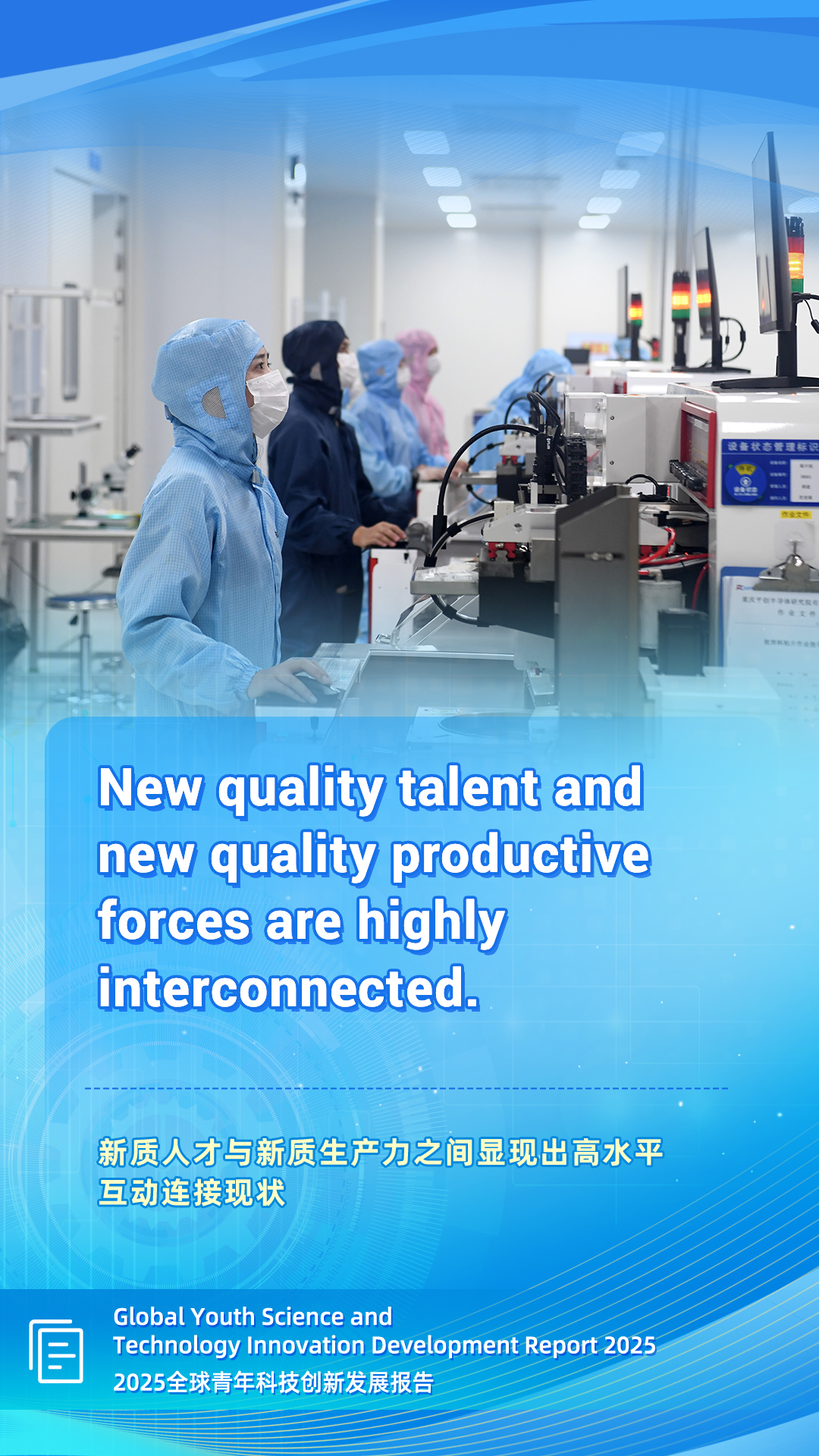
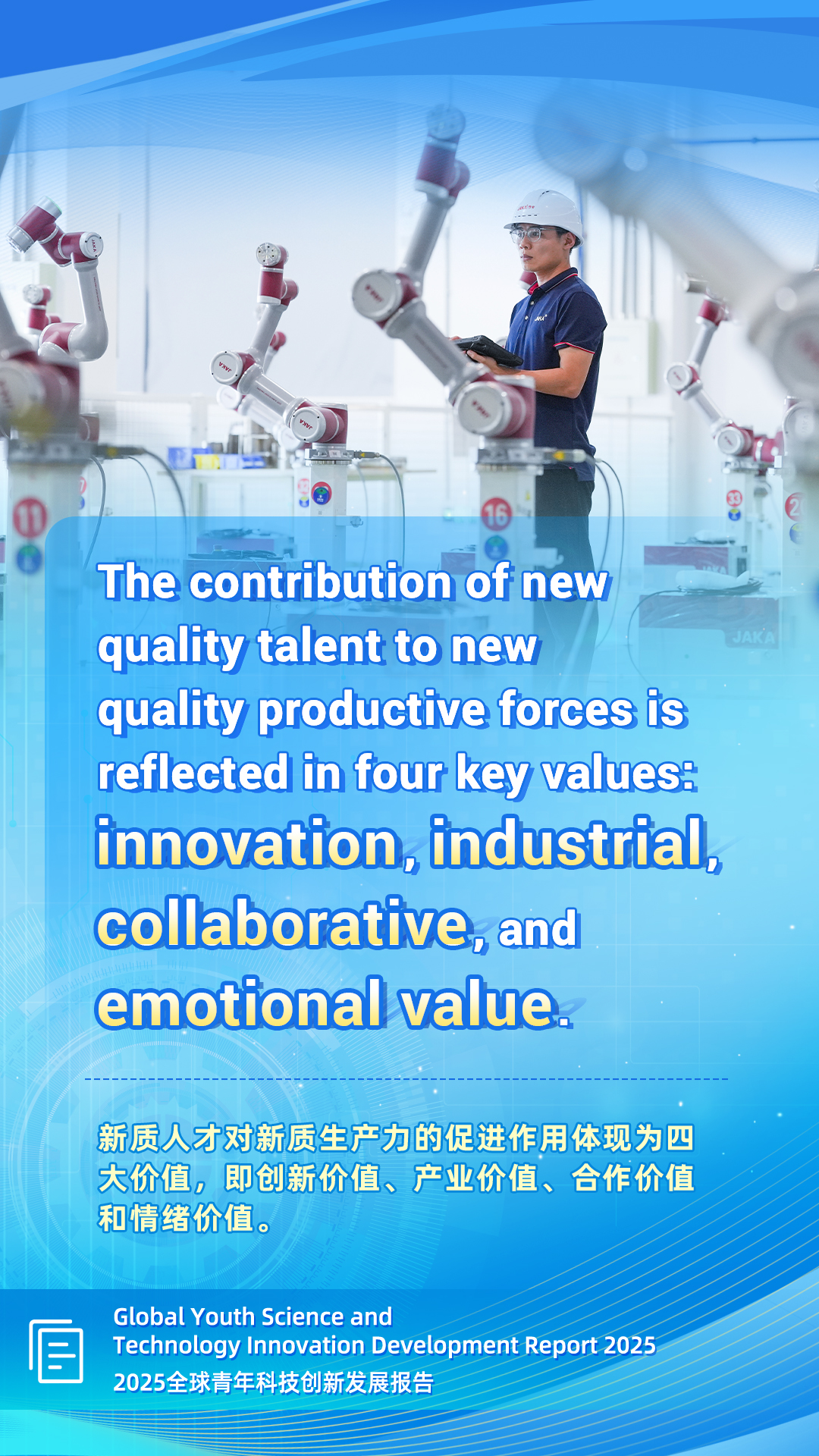
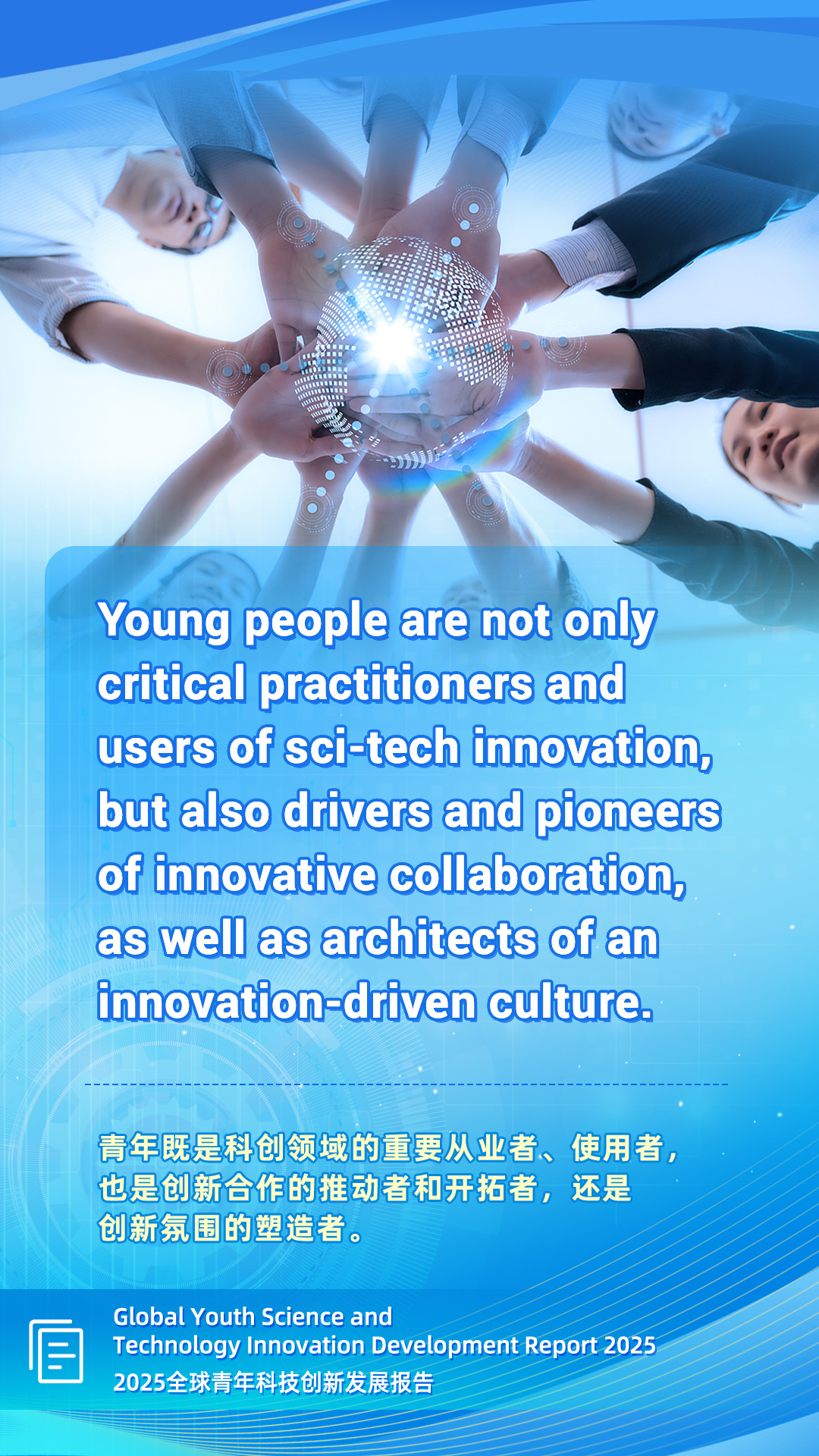
As a key driver for the development of new quality productive forces, new quality talent will contribute vigorous strength to advancing Chinese modernization, according to the 2025 Global Youth Science and Technology Innovation Development Report, unveiled at the Beijing International Youth Innovation and Development Forum, held in parallel with the 2025 Zhongguancun Forum.
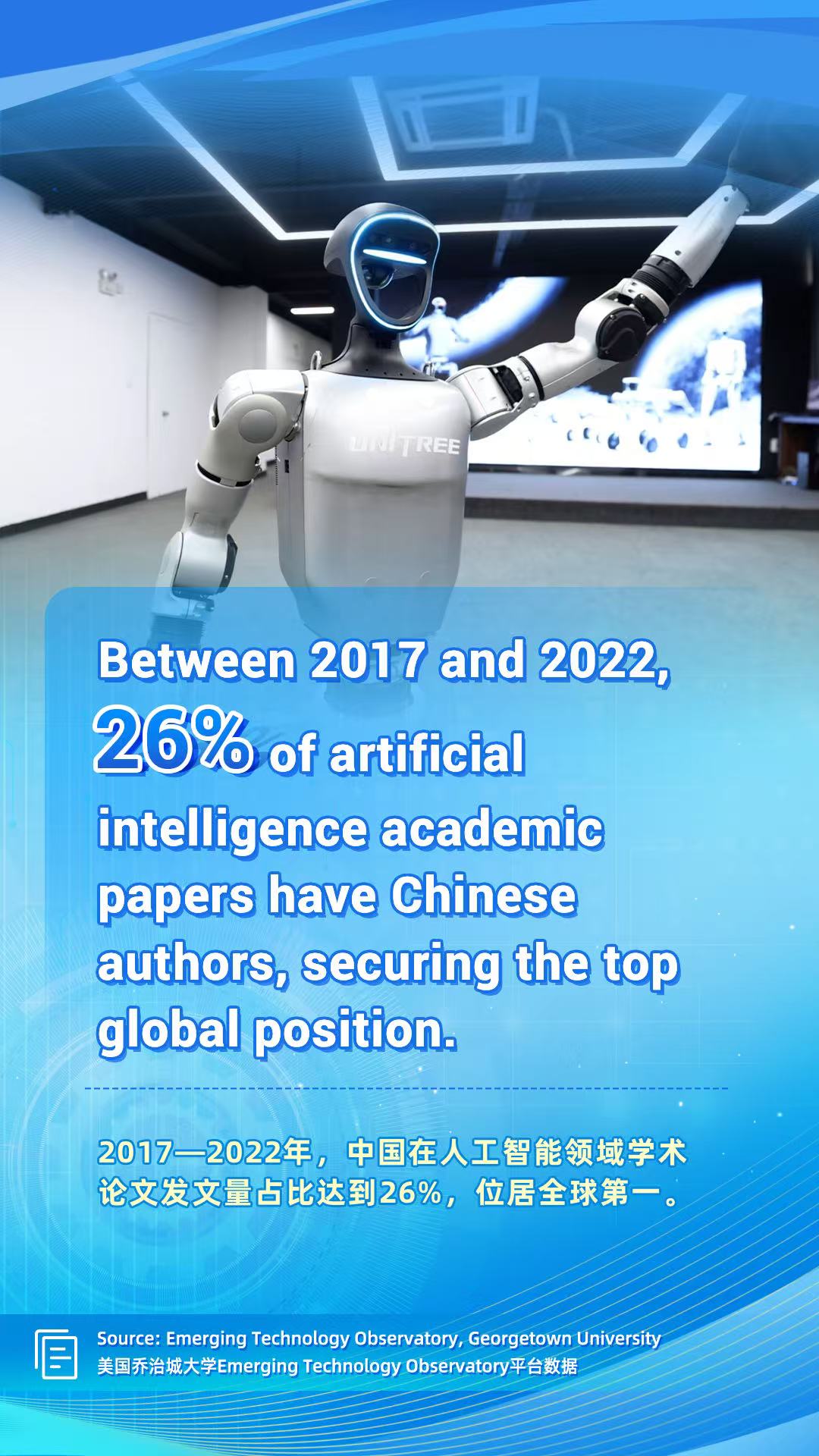
The long-term plan and strong support to innovation shows how strong the future of China will be, said Suliman Al-Mazroua, CEO of Saudi Arabia's National Industrial Development and Logistics Program (NIDLP), to China Daily Website during an interview at the 2025 ZGC Forum.
The application of artificial intelligence technology will significantly improve energy utilization efficiency and accelerate the transition of traditional high-carbon industries towards green, low-carbon development, experts said during a forum focusing on carbon peak and carbon neutrality science and technology at the Zhongguancun Forum.
"AI technology is one of the key points in the innovation chain for the future energy structure. It plays a crucial role in promoting green energy transition and achieving carbon neutrality," said Ding Chibiao, vice-president of the Chinese Academy of Sciences, during the forum held in Beijing on Friday.
He added that this trend has boosted the efficiency of the chemical industry and promoted energy conservation and emission reduction, thereby contributing to China's dual carbon goals of peaking carbon emissions before 2030 and achieving carbon neutrality before 2060.
Ye Mao, a researcher at the Dalian Institute of Chemical Physics of the CAS and head of the intelligent chemical engineering large model team, mentioned that some chemical companies have pioneered the application of AI models, which has sparked industry interest in this technology.
The rapid development of current AI models has led to increased acceptance within the industry. According to a survey his team did, nearly 50 chemical companies have had their engineers and technicians try the intelligent chemical models, and this number is continually growing, he said.
Since 2016, the team led by Liu Zhongmin, director of the DICP and academician of the Chinese Academy of Engineering, has been dedicated to applying AI technology to chemical engineering development.
In March of last year, they launched the chemical engineering large model ChemELLM, which achieved autonomous design and optimization of chemical knowledge retrieval and process flows. In November, ChemELLM 2.0 was released.
"The upgraded version shows significant improvements in industrial catalysis, chemical foundations, and chemical safety," Ye said, adding that these advancements enable the intelligent chemical models to cover a broader range of chemical application scenarios.
"We have found during our interactions with companies that traditional engineers and AI model-based human-machine collaboration will coexist for a long time and that there will be a period of adjustment. Building an intelligent chemical ecosystem will take some time," he said.
"We hope to assist the chemical industry in its intelligent upgrading, enhance production efficiency and intrinsic safety, and further support the energy revolution, dual carbon goals, and new industrialization," Ye said.
In 2022, the CAS formulated and implemented the Strategic Action Plan for Science and Technology Supporting Carbon Peak and Carbon Neutrality.
"In the future, the CAS will further deepen collaborative innovation with all sectors of society through interdisciplinary and cross-field integration to collectively advance AI-assisted low-carbon energy development," Ding said.
At a parallel forum of the 2025 Zhongguancun Forum, which is also part of UNESCO's "International Decade of Sciences for Sustainable Development (2024-2033)," hundreds of experts from home and abroad discussed how digital technology can empower the United Nations' 2030 Agenda for Sustainable Development.
Guo Huadong, an academician of the Chinese Academy of Science and director of the International Research Center of Big Data for Sustainable Development Goals, unveiled the Beijing Initiative on Digital Science and Technology for Sustainable Development at the International Forum on Sciences for Sustainable Development held on Thursday.
The initiative outlines key objectives, including promoting innovative applications of digital sci-tech in sustainable development and expanding the use of big data, artificial intelligence, space technology, and the Internet of Things to address challenges — such as biodiversity conservation, climate change, disaster risk reduction, and poverty alleviation.
"The initiative emphasizes the development of digital tools to optimize energy efficiency, reduce carbon emissions, and enhance natural resource management capabilities," Guo said.
The initiative also proposes building global platforms for sharing digital resources and technologies, strengthening the role of digital tools in policy formulation, and promoting public engagement and education concerning sustainability through digital means, he said.
Guo added that SDGSAT-1, the world's first science satellite designed for the 2030 Agenda and launched by China, has provided over 420,000 scenes of data to 104 countries globally and has played a crucial role in areas such as urban heat island effect monitoring and carbon emission assessment.
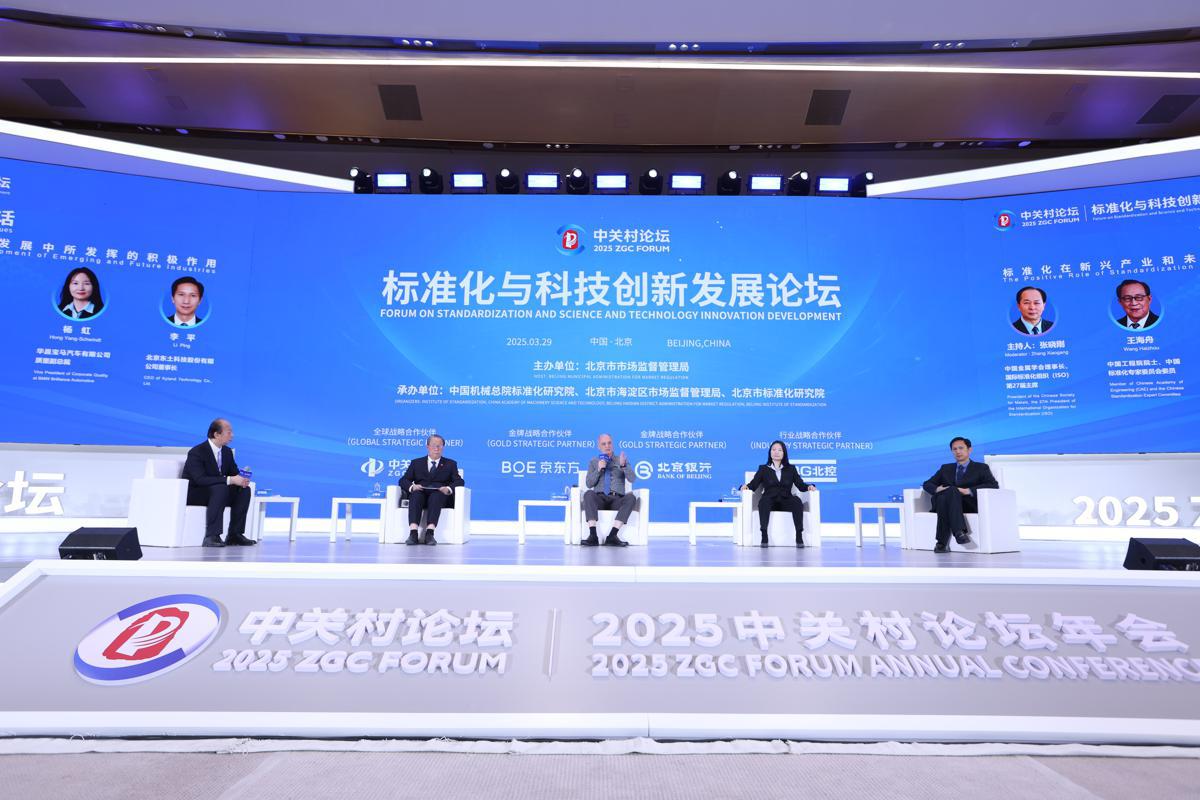
The Forum on Standardization and Science and Technology Innovation Development — an event of the 2025 Zhongguancun Forum Annual Conference — kicked off on Saturday in the Zhongguancun International Innovation Center in Beijing.
Focusing on emerging technologies, technology innovation, and standardization practices, two breakthrough achievements and the fourth Beijing Municipal Government Quality Management Award were released during the event, providing a Chinese practical sample for the new quality productive forces development globally.
Sergio Mujica, secretary-general of the International Standardization Organization (ISO), and Gilles Thonet, deputy secretary-general of the International Electrotechnical Commission (IEC), gave video speeches on the topic of promoting the coordinated development of emerging technologies through international standards.
At the forum, Shu Yinbiao, an academician with the Chinese Academy of Engineering and the 36th Chairman of the IEC; Stephen Bainous Kargbo, the United Nations Industrial Development Organization's chief representative in China; and Ji Xiangyang, a professor at the Department of Automation at Tsinghua University, respectively shared their insights, highlighting the strategic value and practical path of standards in promoting the transformation of emerging technology achievements into new quality productive forces.
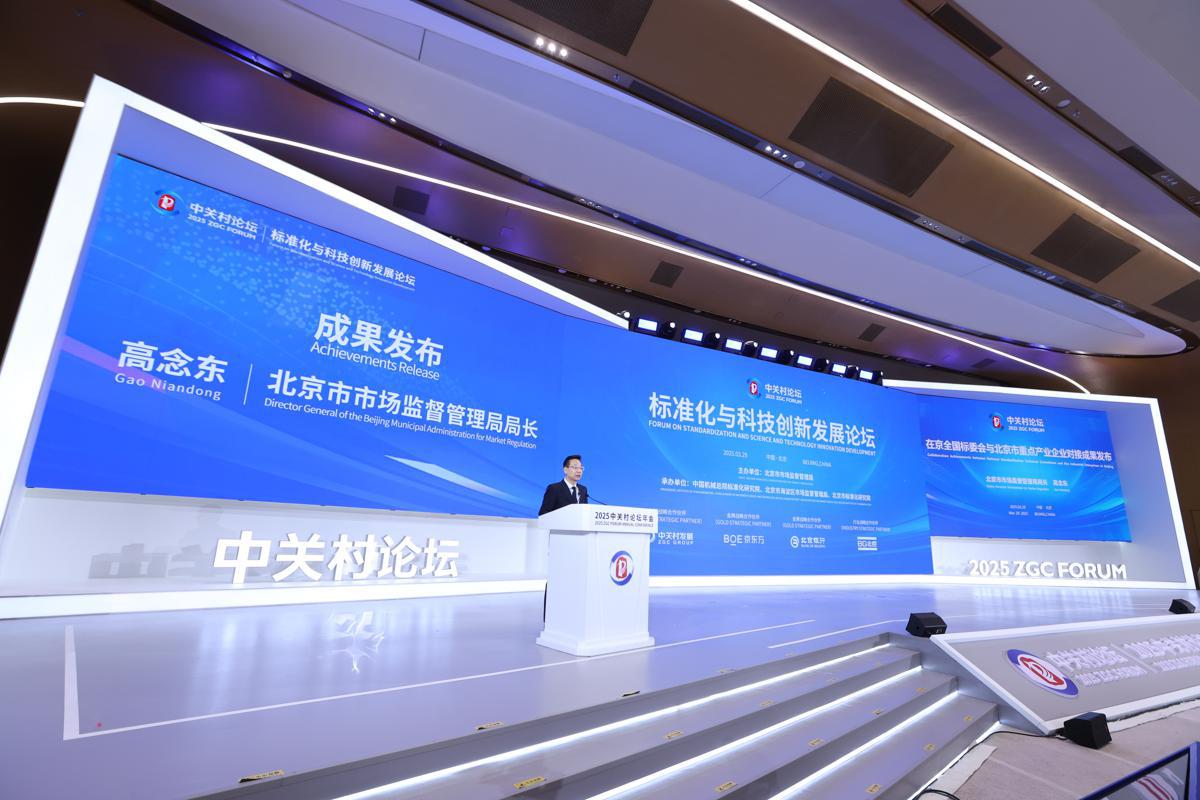
At the forum, Xiao Han, director of the Standard Innovation Department of the State Administration for Market Regulation, announced the phased achievements of standard openness.
"Firstly, over 30,000 national standards that have not adopted international standards are available for free download, effectively meeting the urgent needs of various sectors of society for accessing and implementing these standards," he said.
"Secondly, the upgrade and improvement of the standard open platform have enhanced the convenience of querying and downloading national standards.
"Thirdly, links to national standards on ecological environment and food safety have been added to promote the work process of openly publishing national standards on a unified platform.
"Fourthly, all local standards are being made public on the National Standard Information Public Service Platform, enabling online reading and real-time downloading."
Gao Niandong, director of the Beijing Municipal Administration for Market Regulation, introduced that there are 666 national standardization committee units based in Beijing, accounting for 50 percent across the country, and a total of 27,246 national standards have been formulated, accounting for 60 percent, both ranking first in the country.
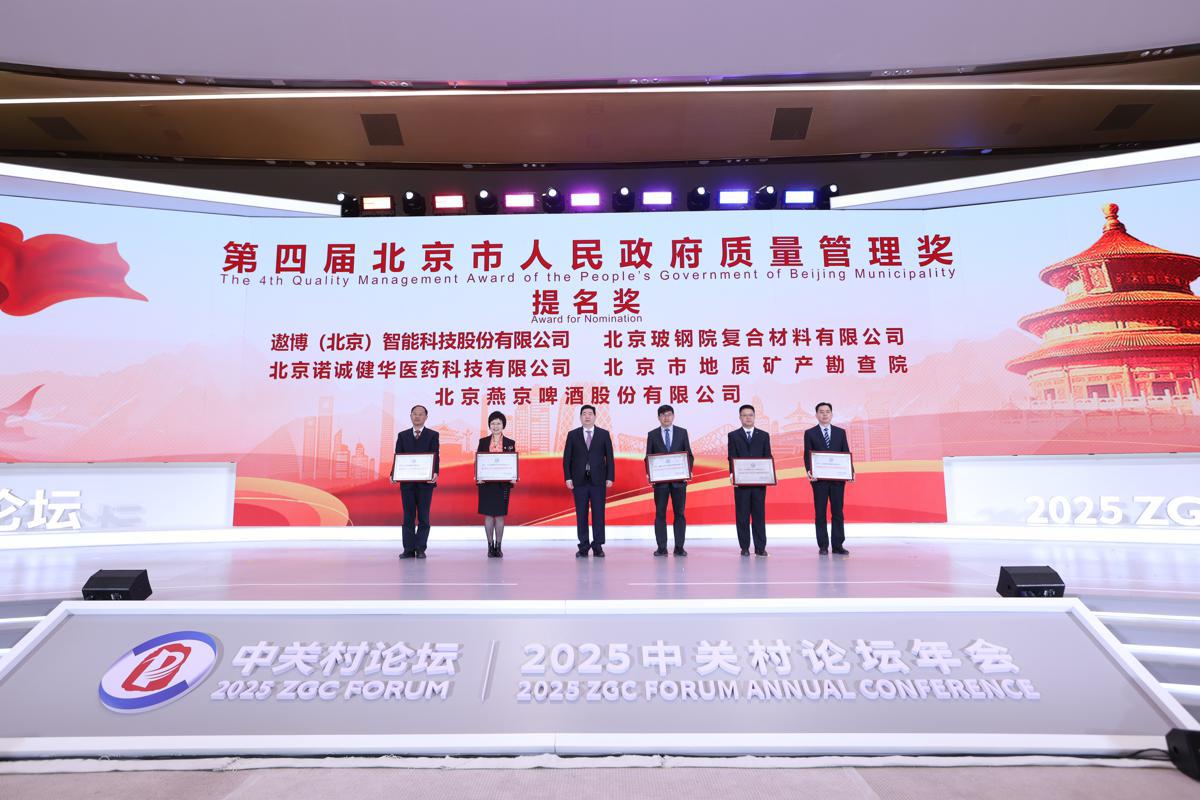
During the forum, the results of the fourth Beijing Municipal Government Quality Management Award selection were released. China Nuclear Power Engineering Co, Beijing Shougang Group, China Aviation Composite Material Co Ltd, Beijing U-Precision Technology Co and Eve Group were awarded the Quality Management Award. Another five units received the Quality Management Award for Nomination.
As the highest honor in the field of quality management, the award aims to promote scientific quality management models and methods, disseminate advanced quality concepts, promote quality management innovation and encourage more enterprises and social organizations to focus on quality and pursue excellence.
"Technology and innovation will drive this economy to continue growing," said Yuval Ben Sadeh, chairman of the Israel Chamber of Commerce in China, to China Daily Website at the 2025 Zhongguancun Forum Annual Conference on Thursday.
He also said that China is still a good place and that he is seeing new companies coming into China to look for cooperation.
China has made very strong progress in science and technology, according to Paolo Dario, the scientific director of Advanced Robotics and enabling digital Technologies & Systems 4.0, in an interview with China Daily Website at the 2025 ZGC Forum.
Nearly 100 robots are actively participating in various scenarios at the ongoing 2025 ZGC Forum, engaging in activities such as greeting, communication, hosting, performing and serving, showcasing the latest advancements in robotics technology and products.
The 2025 ZGC Forum Annual Conference kicked off in Beijing on March 27 and will run through March 31. Click on this video to learn more!
Advanced technology and top scientific achievements are in the spotlight at the 2025 Zhongguancun Forum Annual Conference, which opened on Thursday in Beijing, attracting over 1,000 guests from more than 100 countries and regions.
The five-day event, also known as the ZGC Forum, features 128 activities in five major areas: forums, technology trade, achievements, innovation competitions and supporting events. This year's theme is "New Quality Productive Forces and Global Science and Technology Cooperation".
While addressing the forum's opening ceremony, Vice-Premier Zhang Guoqing said that China is willing to work with other countries to explore new models of mutually beneficial and win-win sci-tech cooperation, in order to drive the development of new quality productive forces amid the deepening new round of sci-tech revolution and industrial transformation.
China has been deeply implementing an innovation-driven development strategy and achieving fruitful results in the integration of sci-tech and industrial innovation, while continuously strengthening the momentum of new industrialization and steadily developing new quality productive forces, Zhang noted.
Suliman Almazroua, CEO of Saudi Arabia's National Industrial Development and Logistics Program, who attended the opening ceremony, said, "The forum is highly international, which is a great platform for global science and technology researchers to communicate their views and young technology company leaders to seek opportunities."
"I would use 'innovation through collaboration' to summarize this forum," he said. "There are people from various sectors, and we can find potential partners here."
Almazroua, who is in Beijing for the first time, said he is eager to see more at the event.
This year's conference places a strong emphasis on cutting-edge fields such as artificial intelligence, life sciences, green development and basic research.
Sixty parallel forums will be held, with 20 initiatives launched for the first time, including the Open Science International Forum and the Ocean Science and Development Forum. More than 30 international organizations and institutions are co-hosting 18 events, with numerous leaders participating in discussions.
Ma Juan, CEO of Steinbeis Sustainable Technology and Management Beijing Co, noted that this year's forum focuses on cutting-edge technologies.
"In the past year, we selected 12 cutting-edge technologies among the 60 globally to cooperate deeply with local Beijing companies, which has promoted a local industrial upgrade," Ma said.
AI and humanoid robots are major highlights at this year's forum and have generated significant interest among the participants, who can encounter robots at the forum venue engaged in such activities as serving drinks, answering questions, delivering items and even writing calligraphy.
Nearly 100 robots from 15 companies are deployed at the site, according to the organizer.
"We aim to make the Zhongguancun Forum's annual meeting a grand stage for the concentrated display of new technologies, products and scenarios," said Jin Wei, vice-mayor of Beijing, at a news conference last week.
At Thursday's opening ceremony, the National Natural Science Foundation of China released a list of the country's top 10 scientific advances of 2024.
The advances were mainly achieved in the fields of mathematics, physics, astronomy, information science, chemistry, materials science, energy, Earth and environmental science, and life and medical science.
The ZGC Forum, founded in 2007, has evolved into a national-level open innovation platform as well as an international forum.
Xinhua contributed to this story.


