
The China Story
at your Fingertips
OPEN


China has a long history of interactions with ASEAN countries since Tang dynasty. Today, the presence of Chinese cultural and socioeconomic traits is ample in many ASEAN countries such as Vietnam, Malaysia and Singapore. In 1991, China was invited to attend the opening session of the 24th ASEAN Foreign Ministers' Meeting in Kuala Lumpur, Malaysia, which led to striving bilateral economic ties between China and ASEAN. The regional cooperation received further boosts when the Belt and Road Initiative was put forward to connect six economic corridors across Asia, Africa and Europe contingents. As current technological paradigm shifts toward intelligent system, adoption of Artificial Intelligence (AI) to pursue digital-driven China-ASEAN cooperations in various fields was echoed during the 3rd China-ASEAN AI Summit 2022 in Guangxi.
Transformation of Shenzhen into China's AI powerhouse
China has experienced extraordinary AI developments in recent years. Started as a small fishing village, modern Shenzhen has transformed into the Sillicon Valley of China. The local government places great enthusiasm in exploring new AI opportunities by introducing the first local Shenzhen AI Regulation. Besides, the local government has outlined public data sharing rules and granted data sharing to target businesses and institutions in building an interconnected smart city. The brave data sharing initiative helps to build-up a vast public-private cloud-based ecosystem, which offers attractive new economic opportunities. According to Shenzhen AI Industry Association, the metropolis is home to more than 1,300 AI-related firms. Numerous tech giants such as Tencent and Huawei have set up their headquarters in Shenzhen. The successful transformation of Shenzhen is worth emulated by other ASEAN countries in designing their future smart cities.
Furthermore, Shenzhen's future urban development has demonstrated intensive considerations of future AI technology. Guangming district has been selected as the pilot site to implement the Guangming Science City project with an emphasis to co-exist with green preservation. Overall project site was categorized into innovation cultivation zone (focus on strategic scientific infrastructure development), multipurpose zone (focus on business, administrative and socioeconomic activities) and city commercial zone (focus on strategic corporation setup). Another milestone can be reflected from the establishment of Guangdong Laboratory of AI and Digital Economy (Shenzhen) to serve as an important technology incubator that bridges between novel innovation ideas and solutions to commercial companies demands. Intuitively, Shenzhen's future urban planning concept presents an exemplary reference for ASEAN countries to formulate their own AI blueprints.
Transition to innovative-driven digital technologies
Under current Belt and Road Initiative, numerous mega investments were carried out across ASEAN countries. Most investments in pre-COVID time concentrated on physical projects such as construction of logistic, infrastructure, and economic zones. Nevertheless, post-COVID era has accelerated the transition of interest from full physical interaction to innovative-driven digital applications across ASEAN countries. An example of transition is reflected in the increasing use of e-Wallet among Malaysian population to reduce physical touch. However, level of AI adoption is considerably low wherein most digital-focused projects remains at pilot testing scale. Ongoing Chinese tech-giants assisted digitalization examples include the development of ASEAN-targeted digital hub in Thailand and Customer Solution Innovation Center (CSIC) in Malaysia in collaboration with Huawei Technologies, and elevation to 5G network in the Philippines, Indonesia and Malaysia in collaboration with ZTE.
Prospectively, cloud-based digital economy is the key to sustain long term cooperation between China and ASEAN. Digital economy constitutes of a wide range of intrinsic AI technologies span across the financial (blockchain, encryption, predictive models), medicine (personalized healthcare, intelligent diagnostic system, computer-assisted drug discovery), manufacturing (robotics, edge-cloud computing, smart sensors), consumer consumption (deep analytics and regressive models), telecommunication (5G/6G, pattern recognition, cybersecurity) and other sectors. The Master Plan on ASEAN Connectivity 2025 has estimated the value of ASEAN's digital technologies will touch the $626 billion threshold by 2030. Coupled with the inception of Regional Comprehensive Economic Partnership (RCEP) in 2022, the landmark cross-border framework offers an unprecedented medium for digital technology transfer between China and ASEAN countries.
Educational AI as the key of future success
Looking forward to the emerging trend of digitalization, a new Digital Silk Road (DSR) was announced. DSR aims to enhance digital connectivity in critical areas such as digital economy, AI, smart cities, cloud computing and mobile payment system. Although technological transfer happens, it is still not reaching the desirable level which allow optimal knowledge sharing between China and ASEAN. A more dreadful challenge faced by most ASEAN countries is the lack of AI talent pool due to insufficient AI awareness among the local populations. Despite some effort such as Huawei Global AI Challenge and Huawei partnership with National University of Singapore Business Analytics Centre to nuture AI talents, more well-coordinated talent cultivation efforts at wider scale are required.The Belt and Road Research Institute (Shenzhen) for International Cooperation and Development (BRRI) comes in to fit into the missing gap.
The BRRI is located in Shenzhen University. Retrospectively, notable educational initiatives by the BBRI include the Belt and Road League for University and Think Tanks, training programs for BRI High-Ranking Officials, Belt and Road Scholarships as well as Talent Development Programme. Moving forward, raising AI awareness among ASEAN population through educational activities will determine the future success of AI-driven digital economy. Strategic AI talent development and upskill program such as AI Start-up Challenges, multiyear AI exchange, AI training and upskills programs, and public AI seminar shall improve the public consciousness. especially among ASEAN youth. From a long-term perspective, creation of future digital-driven market demand for Chinese MNCs via AI educational activities at ASEAN population vividly mirrors a sustainable symbiosis supply-demand chain long pursued between China and ASEAN.
The author is an associate professor at School of AI and Advanced Computing, Xi'an Jiaotong – Liverpool University.
The views do not necessarily reflect those of China Daily Website.
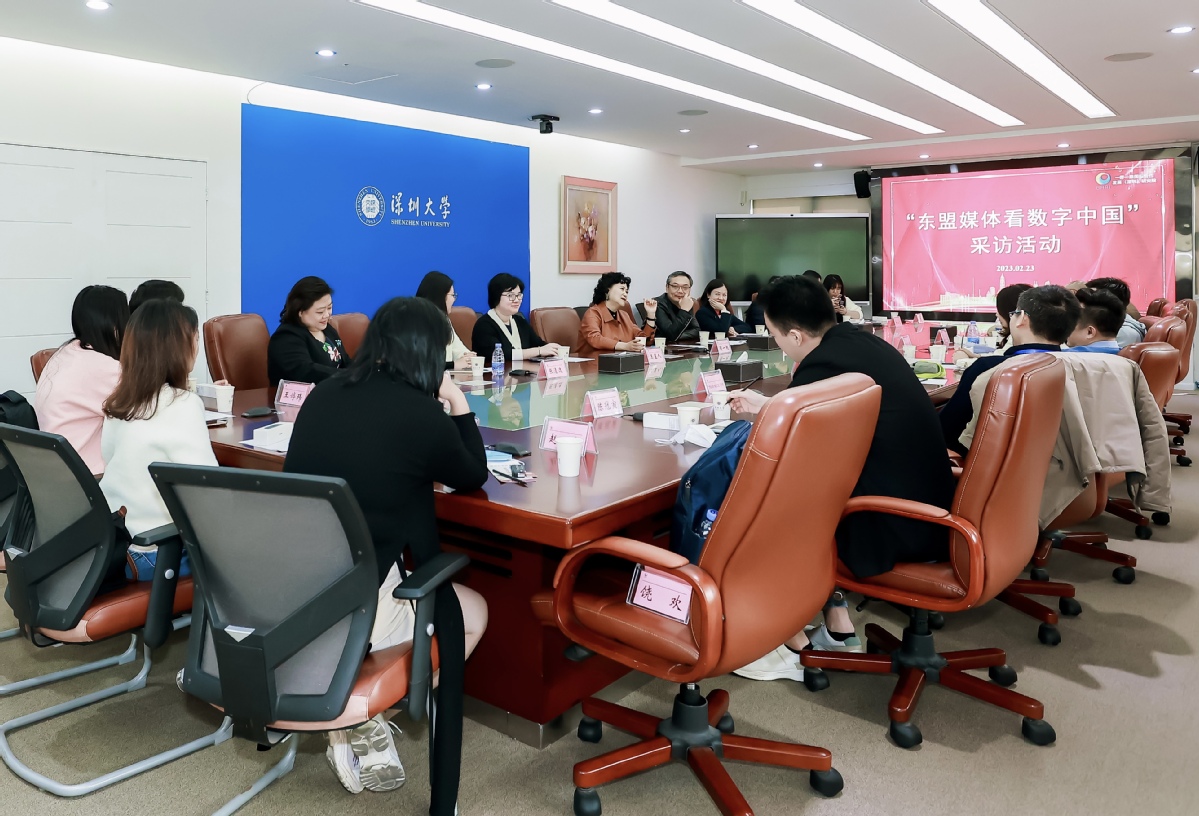
Members of ASEAN Media's View on Digital China Media Tour visited the Belt and Road Research Institute (Shenzhen) for International Cooperation and Development (BRRI) on Tuesday.
The BRRI is a new type of civilian think tank established jointly by the Wu Xiaolan Charity Foundation and the China Center for Special Economic Zone Research, Shenzhen University. The honorary dean of the institute is Wu Xiaolan, the granddaughter of the famous educator Wu Yuzhang and the former deputy mayor of Shenzhen. Tao Yitao, professor and former deputy secretary of the Party Committee of Shenzhen University, serves as the director and president of the BRRI.
When talking about promoting Cambodia's tourism industry with the media tour members, Professor Tao said Cambodia is rich in tourism resources, such as the Angkor Wat, and suggested the country focus on optimizing its tourism business environment, improving local transportation and tourism facilities, and enhancing the quality of tourism services.
The research institute relies on higher education institutions; uses enterprises and the market as carriers; and relies on various channels, such as universities, think tanks, enterprises, and other forms of civil exchanges to explore new institutional mechanisms for international cooperation.
The BRRI is committed to providing intellectual support and platform bridging for political interaction, economic exchange and cultural communication between the governments and enterprises of China and countries and regions involved in the Belt and Road Initiative.
The BRRI has jointly organized the World Special Economic Zone Development Forum with China Center for Special Economic Zone Research. It has also established cooperative relationships with multiple foreign universities, think tanks and international organizations.
The media delegation also visited Shenchuangjian Holdings Group Co Ltd, WeBank, Huawei, Meituan, Shenzhen International Cultural Industry Fair Co Ltd and Ping An Insurance (Group) Company of China, Ltd, as well as Guangming district during the four-day tour.
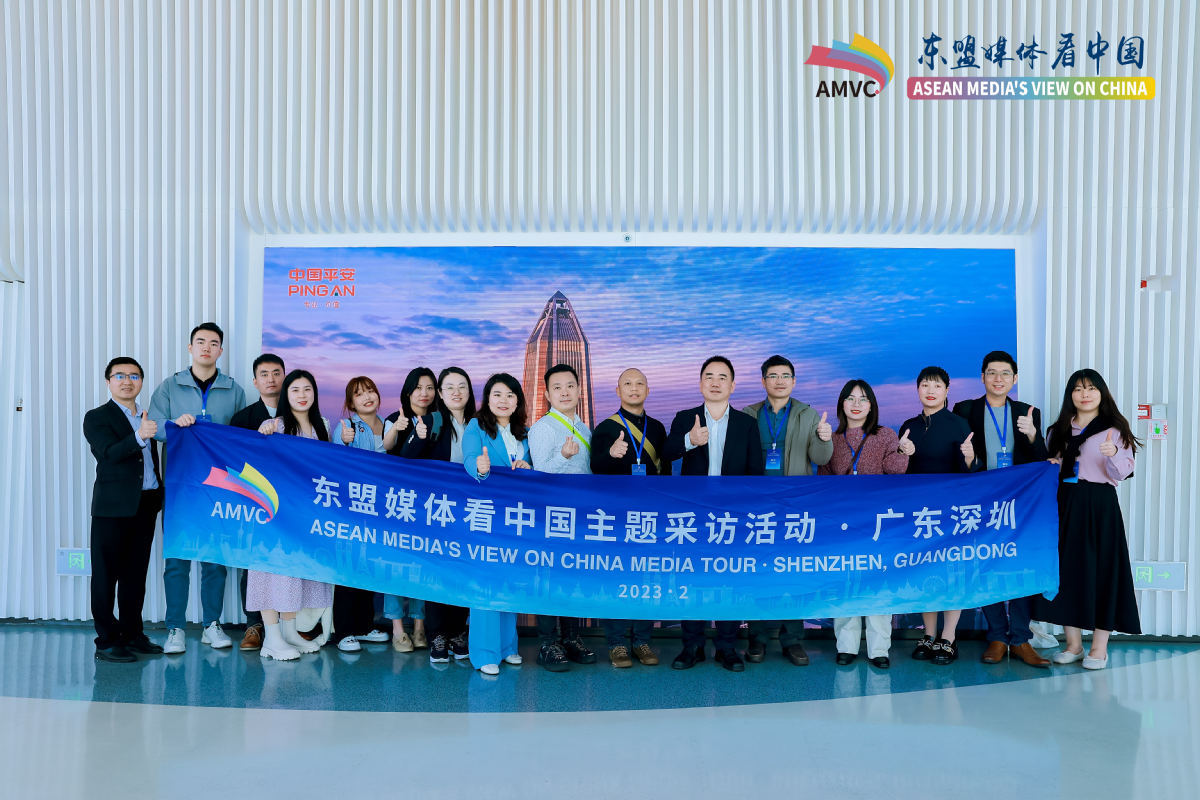
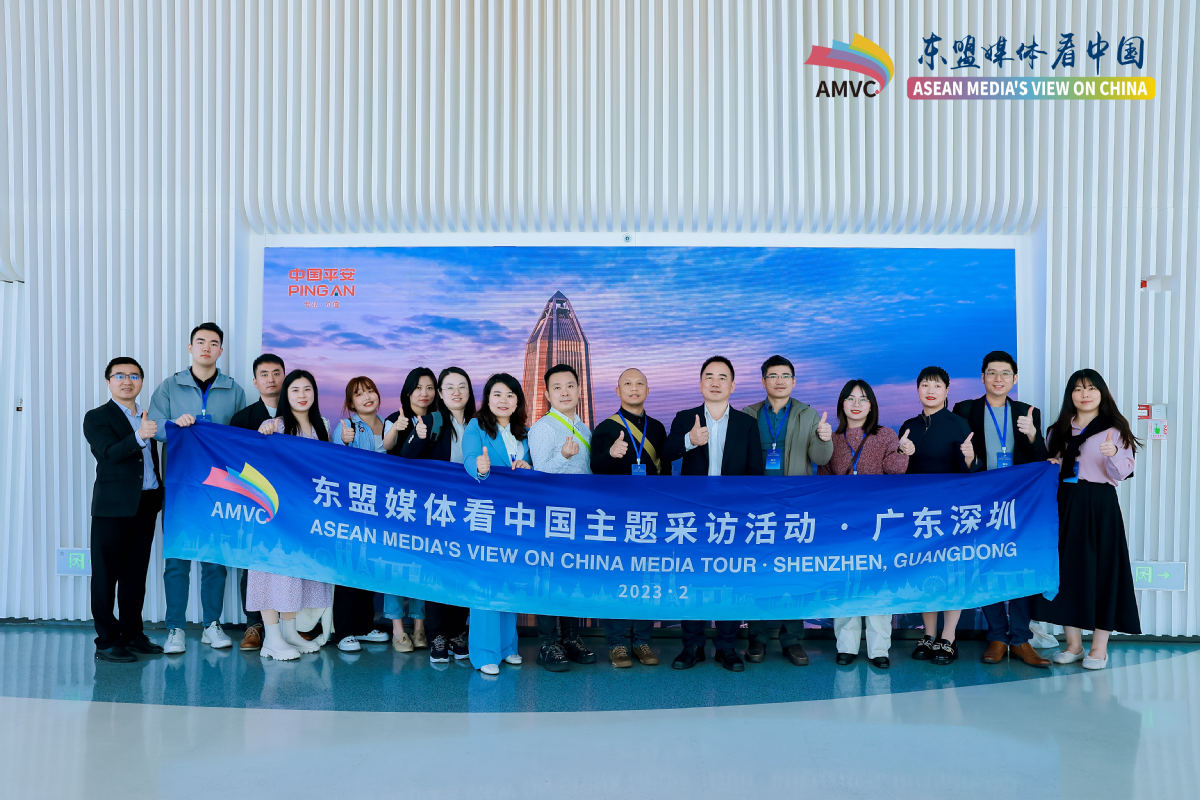
At present, the digital economy and smart cities have become important engines for economic recovery and sustainable development. On Feb 20, the ASEAN Media's View on Digital China Media Tour titled Digital Economy Ties, A New Chapter in Smart City was launched in Shenzhen.
The delegation embarked on a four-day trip in Shenzhen, witnessing first-hand the achievements of Shenzhen in the development of the digital economy and the construction of the smart city as the core engine city of the Guangdong-Hong Kong-Macao Greater Bay Area and the pilot demonstration zone of socialism with Chinese characteristics.
In recent years, the digital economy and smart cities have become key cooperation areas between China and ASEAN, and bilateral achievements are constantly emerging. Shenzhen and ASEAN countries have carried out a large number of agreements in the digital economy and smart city construction, promoting cross-border e-commerce and bilateral trade development.
During the four-day tour, the media delegation visited companies and institutions with core competitiveness in the digital economy, including the WeBank, Shenzhen Shenchuangjian Holdings Group, the Guangdong Laboratory of Artificial Intelligence and Digital Economy (Shenzhen) and the Urban Planning Exhibition Hall in Guangming district, the Belt and Road Research Institute (Shenzhen) for International Cooperation and Development, Shenzhen International Cultural Industry Fair Co, Ltd, Huawei, Meituan, and Ping An Insurance (Group) Co. of China Ltd. The media delegation gained an in-depth understanding of their innovative exploration in the digital economy and the results in fueling smart city construction.
In December, a seminar on Digital Economy Ties, A New Chapter in Smart City -- ASEAN Media's View on Digital China Media Tour 2022 was successfully held online. Scholars and media representatives from China and ASEAN countries shared their experiences, explained their research results, and discussed how to further deepen China-ASEAN digital economy exchanges and cooperation from different perspectives and how to better promote the construction of China-ASEAN Free Trade Area Version 3.0.
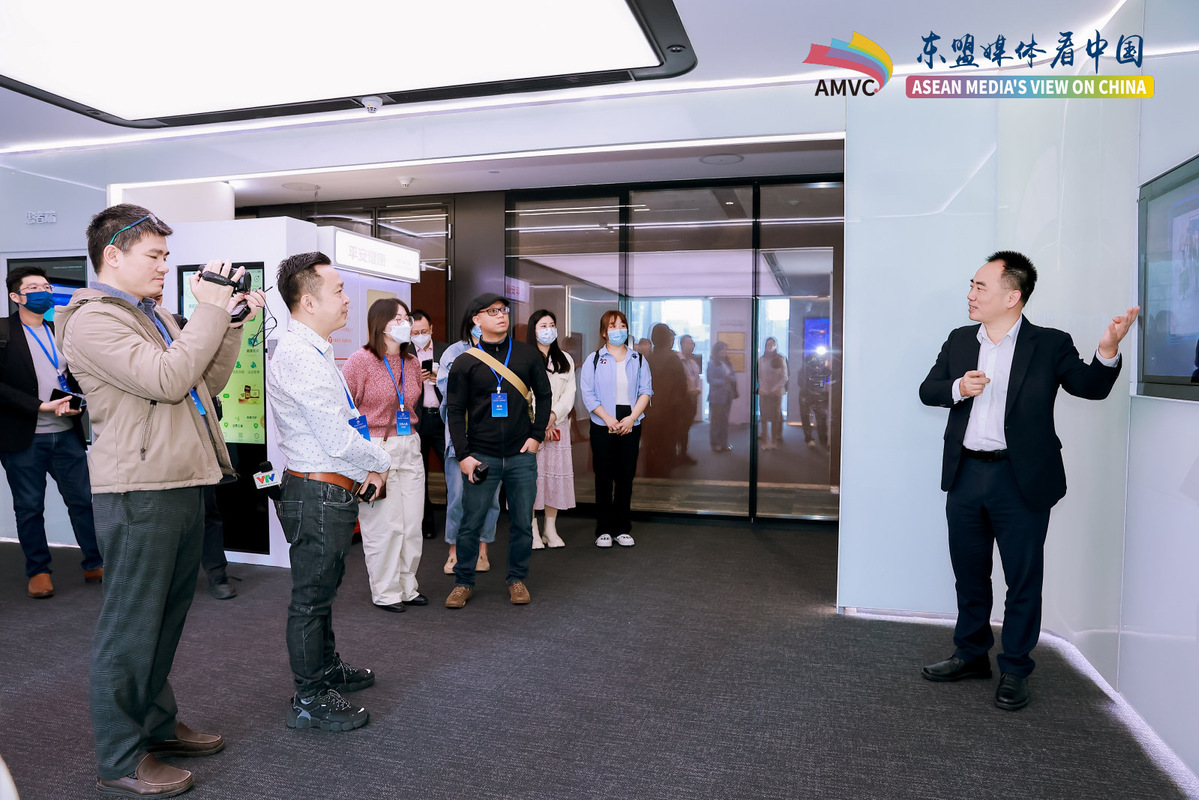
As an important participant in the Guangdong-Hong Kong-Macao Bay Area, Ping An Insurance (Group) Company of China Ltd, has been promoting the integration and connectivity of trade, information and capital flows in the area by launching digital financial innovation services.
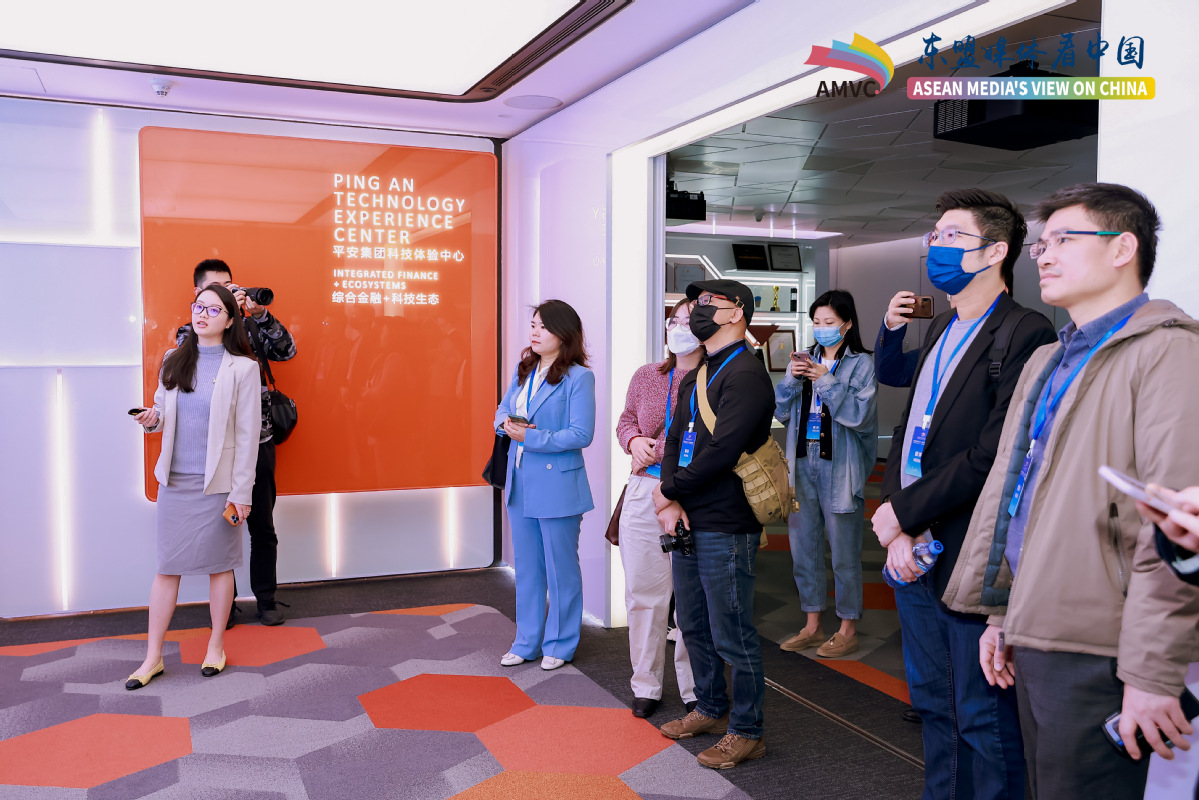
More than 20 media representatives from China and ASEAN countries visited Ping An Insurance to learn about its development in digital financial innovation on Feb 22.
In 2020, OneConnect Financial Technology Co Ltd, a technology-as-a-service provider for financial institutions in China and an associate of Chinese financial conglomerate Ping An Insurance, signed a contract with China Merchants Port Group to jointly promote the construction of the Greater Bay Area Port Logistics and Trade Facilitation Blockchain Platform Project. This is the first interlinked blockchain network that connects ports, customs, logistics, enterprises, and finance throughout the GBA.
The platform has successfully implemented an innovative combined port project which has reduced the number of customs declarations from two to one for some inland ports in the GBA.
The combined port project has greatly improved logistics efficiency and reduced logistics costs, said Fang Hong, the southern regional general manager of OneConnect.
Ping An OneConnect Bank (Hong Kong) Ltd, backed by the financial technology of its parent company OneConnect, has demonstrated its innovative technology in artificial intelligence, big data analysis, and risk control, promoting the development of inclusive finance in Hong Kong.
As the first virtual bank to participate in the Hong Kong government's small and medium-sized enterprise financing guarantee scheme, the PAOB uses an alternative credit approval model to analyze data of enterprise import and export declarations provided by partner Tradelink Electronic Commerce Ltd and establish risk control models, helping to solve the financing difficulties of SMEs in Hong Kong.
According to data, as of June 30, 2022, the PAOB's loan assets exceeded HK$1.7 billion, and among the customers who have been approved for loans by the PAOB, 29 percent have obtained bank loans for the first time.
"These loans have a relatively low non-performing loan ratio, and data has become collateral, not a house," said Matthewchen, CEO of OneConnect's Overseas Business Center.
Founded in 1988 in Shenzhen, as the first joint-stock insurance company in China, Ping An Insurance has grown into a Fortune Global 500 company.
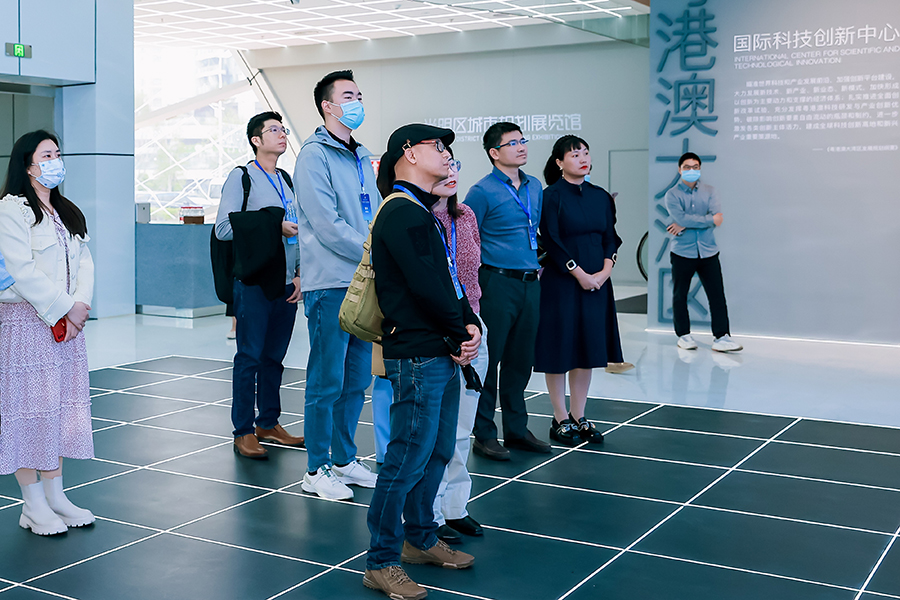
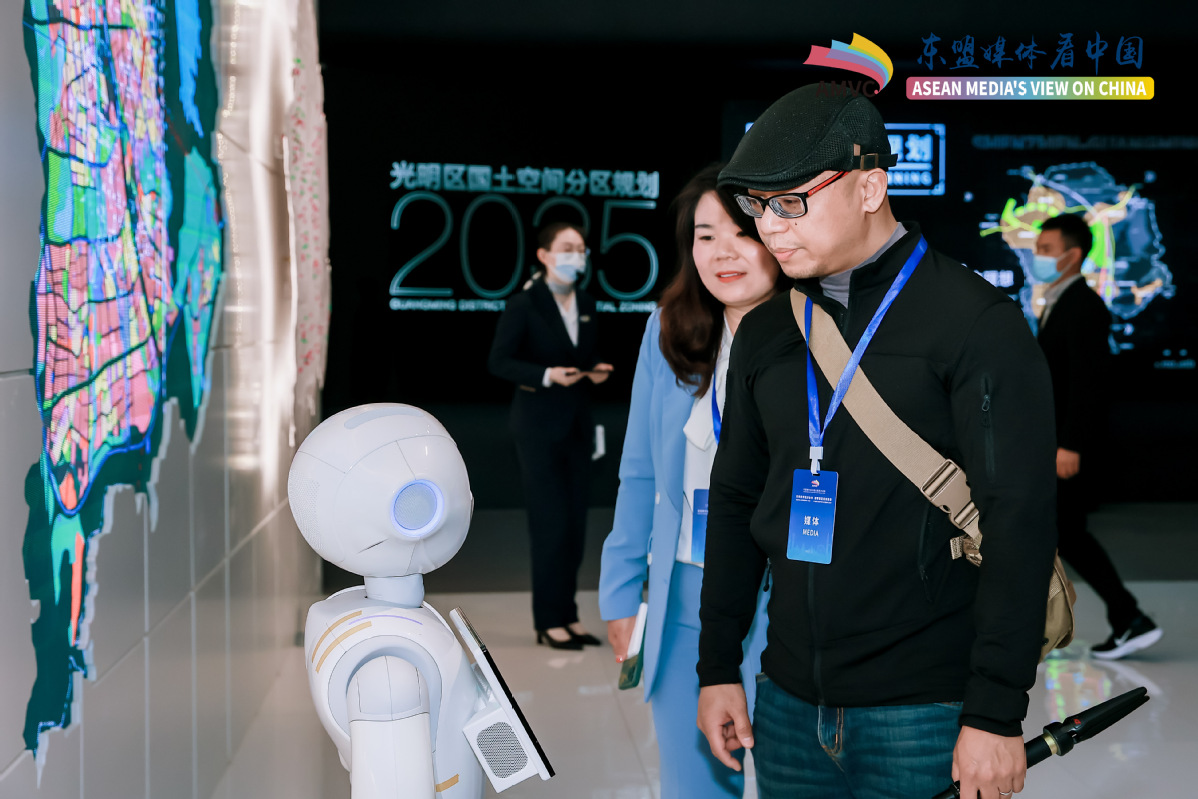
Media representatives of ASEAN Media's View on Digital China Media Tour had an immersive experience of the scientific and technological innovation of Shenzhen's Guangming district at its urban planning exhibition hall on Wednesday.
Through artificial intelligence, naked-eye 3D, holographic imaging and other advanced technologies, the entire visiting process becomes a multidimensional dynamic experience of communication and interaction.
"Guangming district's urban planning and development using AI, big data, cloud computing and blockchain is the correct approach toward creating a green and sustainable way of life," said Rhio Zablan from the Filipino Service of Asia and Africa Center of China Media Group and a member of the tour.
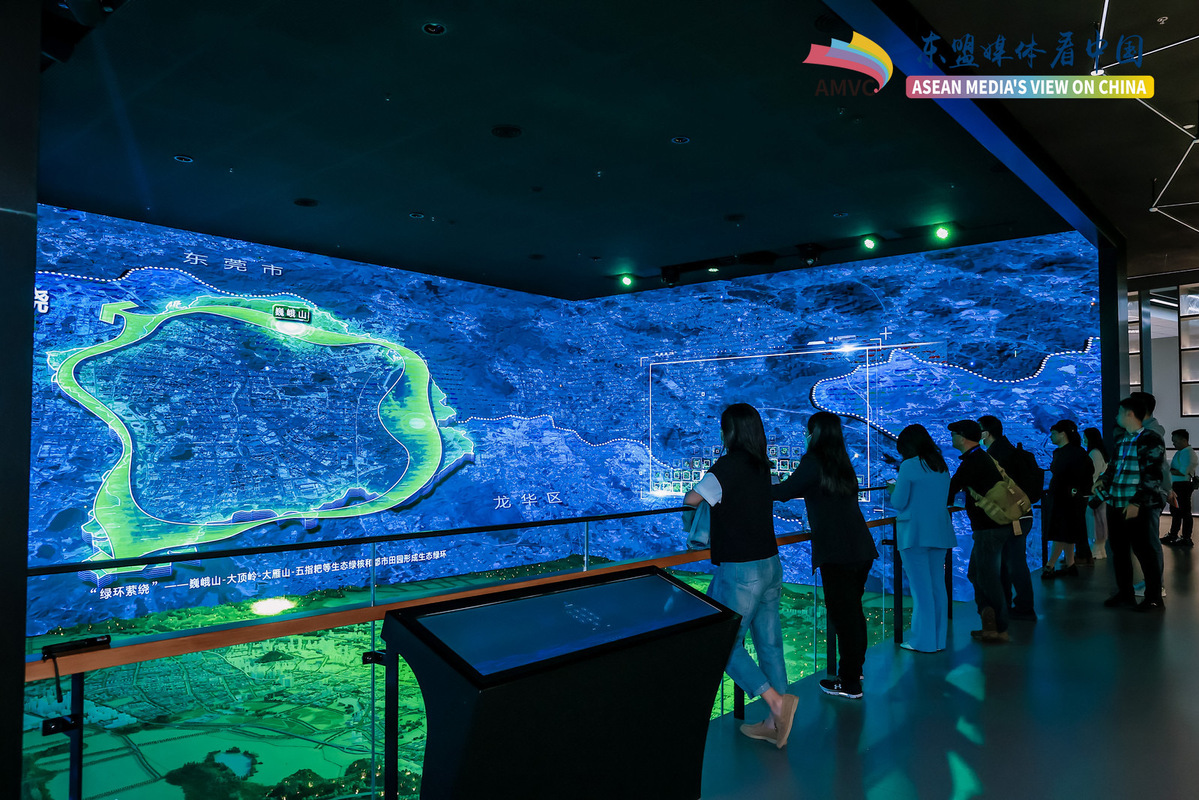
Guangming Science City, located in the east of Guangming district with a total area of 99 square kilometers, is the start-up area of the Guangdong-Hong Kong-Macao Greater Bay Area's comprehensive national science center.
It will lay out 24 major carriers of scientific and technological innovation, namely nine large-scale scientific devices, 11 cutting-edge cross-cutting research platforms, two Guangdong provincial laboratories, two research-oriented universities.
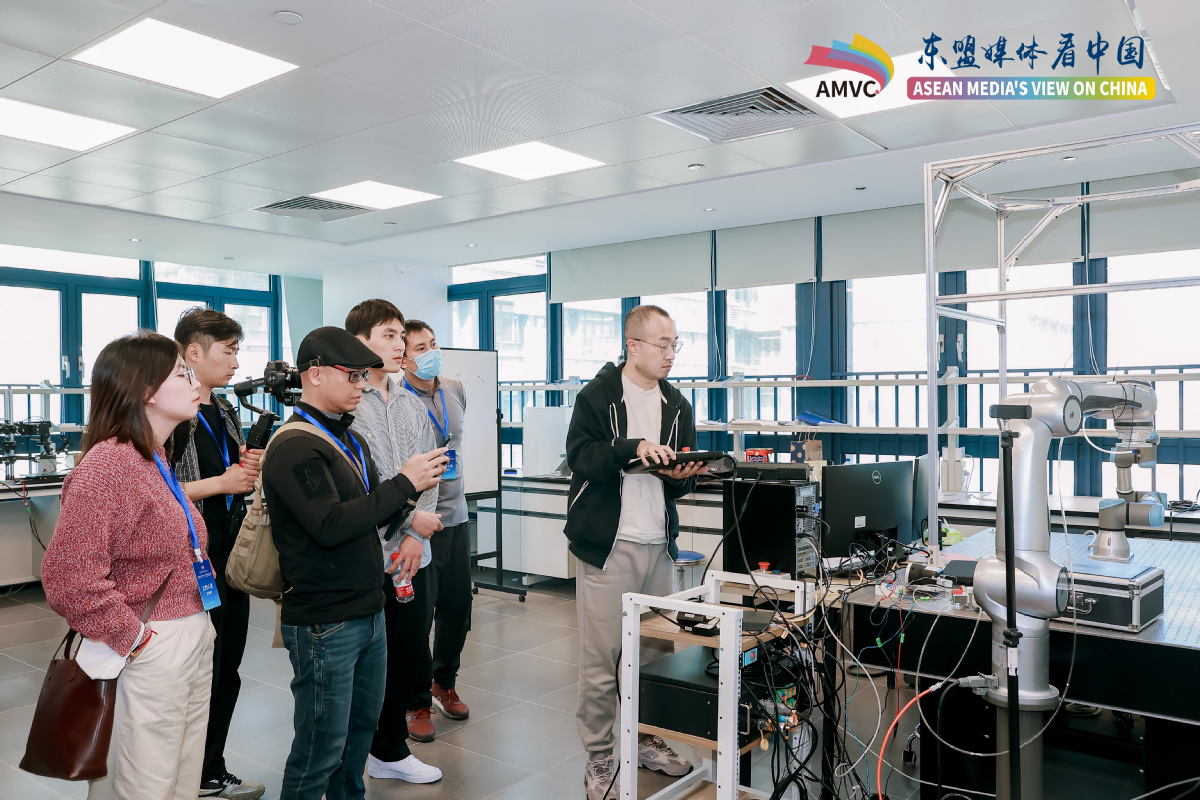
The media members also visited the Guangdong Laboratory of Artificial Intelligence and Digital Economy (Shenzhen) in Guangming district. The laboratory is one of the third batches of provincial laboratories approved by the Guangdong provincial government, and is one of the top 10 provincial laboratories in the province.
The laboratory is dedicated to promoting Shenzhen as a national and even global hub for artificial intelligence and digital economy innovation research and industry clustering, and will concentrate on four research directions: blockchain and financial technology, machine learning and intelligent systems, intelligent sensing and precision medicine, and ubiquitous perception and smart cities.
The laboratory is expected to have around 200 researchers by the end of this year.
The tour provided a platform for ASEAN media to learn about Shenzhen's achievements in digital economy and smart city construction, and to promote communication and cooperation between China and ASEAN in these fields.
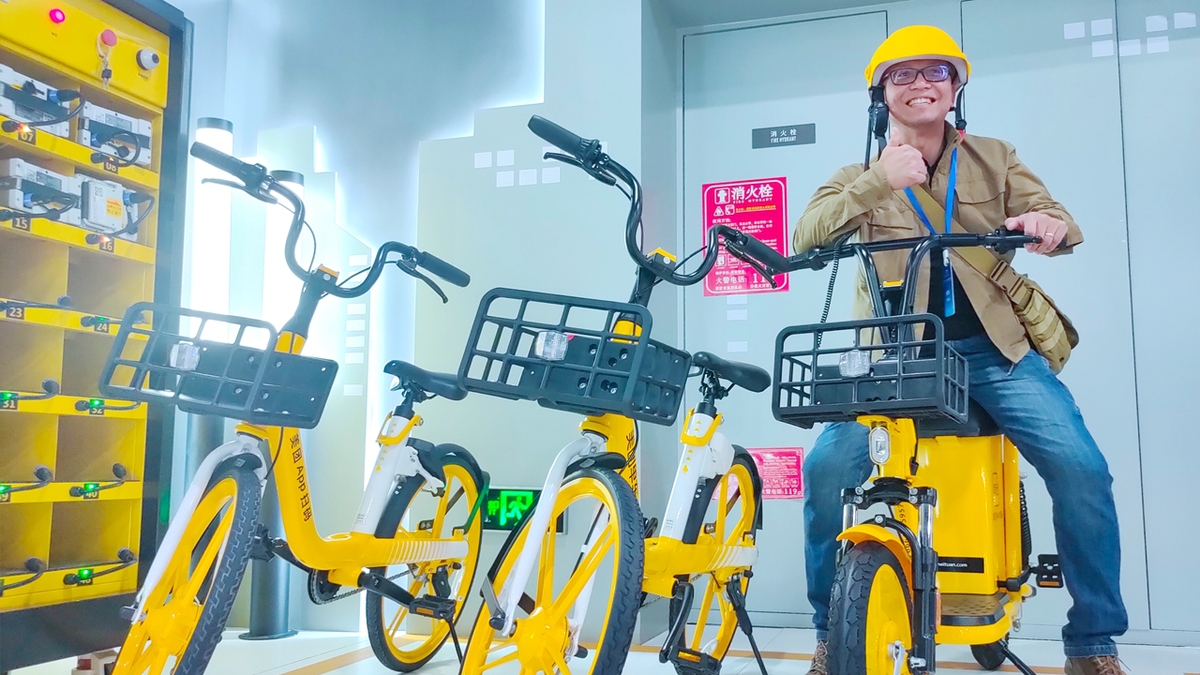
Holding a mobile phone in his hands, Rhio Zablan from the Filipino Service of Asia and Africa Center of China Media Group finished a livestream at Shenzhen Bay Park yesterday, the second day of an ASEAN media tour to Shenzhen, where he introduced Shenzhen Bay Bridge and shared his visit in Shenzhen with his audience.
Zablan is joining a media delegation composed of about a dozen reporters from domestic and ASEAN countries' media outlets to explore the city's achievements in digital transformation and building a smart city.
They embarked on the four-day ASEAN Media's View on China Media Tour in Shenzhen on Monday.
The reporters visited WeBank, China's first digital bank, Monday afternoon and Huawei, a leading global provider of information and communications technology (ICT) infrastructure and smart devices, yesterday.
They are scheduled to visit China Ping An, a world-leading technology-powered retail financial services group, as well as Guangming District and the Belt and Road Research Institute (Shenzhen) for International Cooperation and Development (BRRI) during the tour that will wrap up Thursday.
"For me, what is truly worth noting on Shenzhen's digital transformation is the government support for private companies. Because of this, many innovative institutions have come to Shenzhen and established their businesses. Second is the willingness of the youth to achieve their dreams. Because of this, coupled with innovative companies and government support, Shenzhen has attained its status as the digital economic center of China," Zablan said, adding that he wants to bring valuable insights on Shenzhen's digital transformation back to his home country.
Most of the media representatives visited Shenzhen for the first time. Chau Thai Binh and Tran Ngoc Chi from Vietnam Television (VTV) said that on the one hand, the city is beautiful and full of technologies, and on the other, it is young and new.
"I felt the people here (Shenzhen) are open and inclusive, which is also a very distinctive characteristic of the city. They treat you like themselves. Frequent business cooperation also helps enhance interaction between people in the city," said Zablan, who is also a first-time Shenzhen visitor.
"I ate shaomai (also known as shumai, a kind of traditional Chinese dumpling) for breakfast yesterday morning and posted pictures of the delicious food on social media to share with my friends. I know that cultural exchange is one of the most effective ways to enhance cooperation between countries," Zablan said.
In addition to digital transformation and smart city, reporter Chen Guanyin from Cambodia's Khmer Daily also noticed Shenzhen's booming night economy and vibrant nighttime activities.
The media tour event, hosted by China Daily and the ASEAN-China Center and organized by the China Daily Website and the Cyberspace Administration of Shenzhen, spotlights digital economy ties and a new chapter in smart city construction.
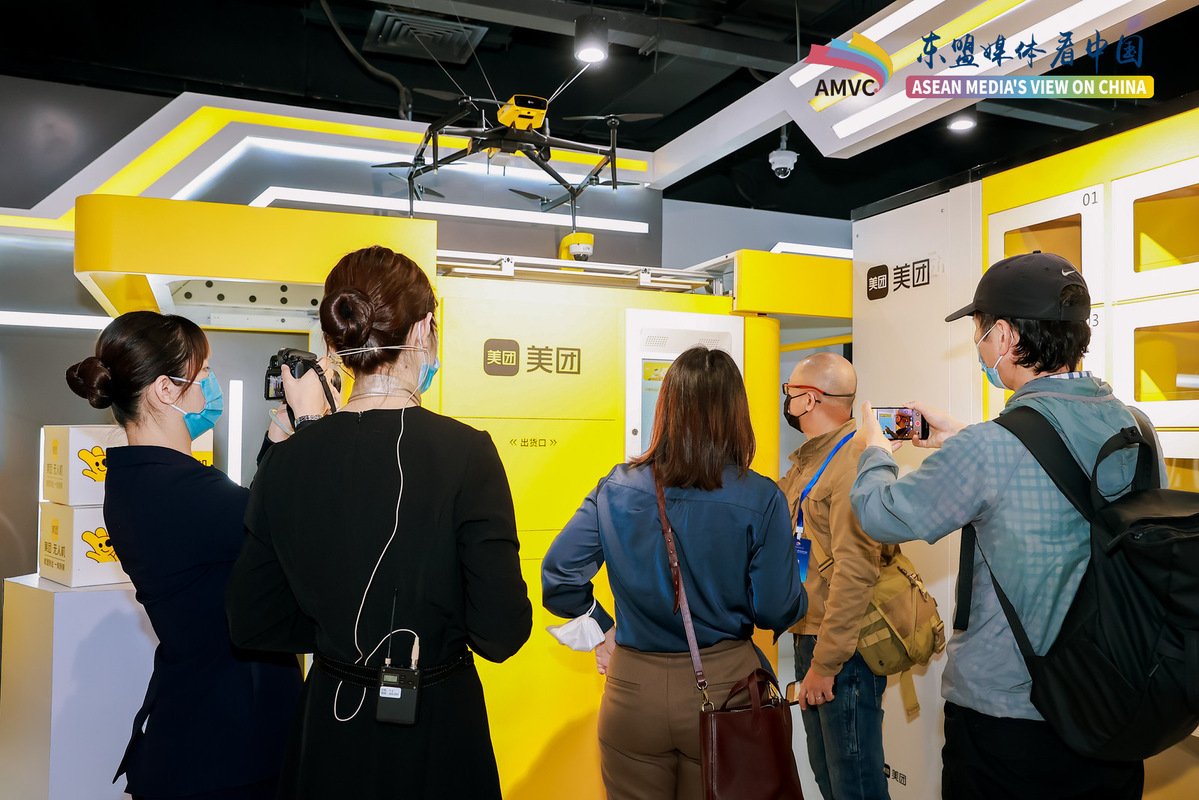
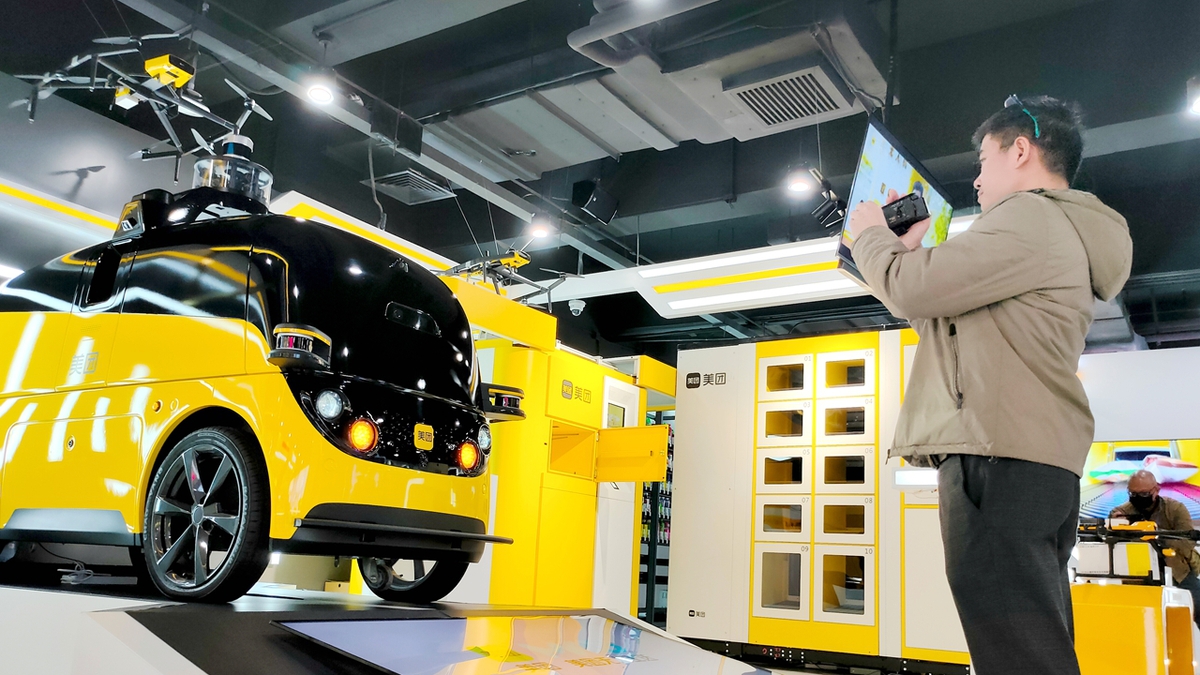
Members of ASEAN Media's View on Digital China Media Tour were impressed by the efficiency of unmanned aerial vehicles (UAVs) in completing deliveries within 15 minutes during their visit at Meituan · Longhua, Shenzhen National Local Service Consumption Big Data Operation Center (CDOC) on Tuesday.
In order to improve the efficiency and experience of urban instant delivery, Meituan launched the exploration of the UAV delivery service in 2017. In early 2021, Meituan completed its first drone delivery in Shenzhen.
As of December 2022, Meituan's drone delivery service has landed in five commercial districts in Shenzhen and Shanghai, covering 18 communities and office buildings, serving about 20,000 households, and completing more than 120,000 orders.
The average delivery time of Meituan's UAV in 2022 was about 12 minutes, which is nearly 150 percent more efficient than traditional delivery models, saving users about 30,000 hours of waiting time.
Meituan developed drones, automated airports, intelligent dispatch systems and other components for the construction of a low-altitude intelligent logistics network in cities, with more than 90 percent of the parts being self-developed, achieving the localization of core technologies.
The low-altitude logistics network aims to provide more convenient delivery services in urban areas by utilizing a combination of air and ground transportation modes. Leveraging Meituan's strengths in scene selection, technology and operations, this network satisfies more emergency user needs, improves existing service experience and makes deliveries more convenient in various urban scenarios.
Furthermore, it can supplement the delivery capacity of riders, reducing their workload and making their work easier. Ultimately, this network plays a crucial role in promoting urban intelligence and national technological innovation.
The CDOC is jointly built by the Shenzhen Municipal Bureau of Commerce, Longhua District's Government and Meituan, and began trial operations in 2020.
With the strategic advantage of Shenzhen and Longhua District's construction of a leading area for digital economy, as well as Meituan's big data advantage in the life service consumption field, the CDOC has become a dynamic window reflecting the development of "digital economy + life service industry" in China.
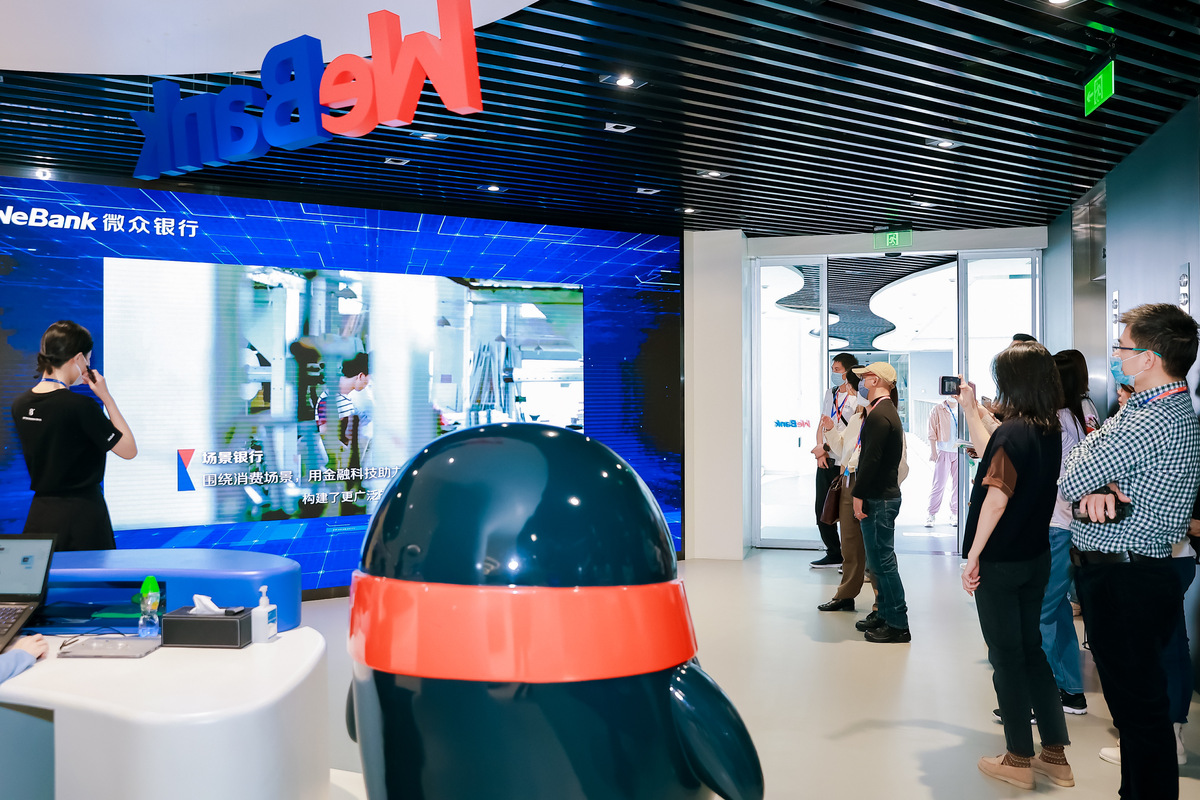
ASEAN Media's View on Digital China Media Tour kicked off in Shenzhen, South China's Guangdong province, on Monday. The trip takes media correspondents on a journey to experience the city's achievements in digital economy and building a smart city.
The tour visited WeBank, China's first digital bank, on Monday afternoon. With a mission to offer better banking for all, WeBank has been providing convenient financial services to small and micro enterprises as well as the general public since it founded in 2014.
WeBank has made scientific and technological innovation its core engine to promote the development of inclusive finance. It has always applied cutting-edge technologies such as artificial intelligence, blockchain, cloud computing, and big data to its financial business practices. It was the first commercial bank in China to obtain national high-tech enterprise certification.
In terms of financial cloud computing, WeBank is the first Chinese bank to build a fully controllable distributed core system that supports hundreds of millions of users with large amounts of transactions, achieving a peak of 798 million transactions per day at its peak, and reducing each account's maintenance cost to less than one-tenth of its domestic peers.
WeBank has currently formed a matrix of inclusive financial products including Weilidai, Weiyedai and WeBank Fortune Plus.
As one of the top 100 banks in China and ranking 331 in the Top 1000 World Banks by The Banker, WeBank has been recognized as the world's leading digital bank by Forrester.
Relying on cross-border e-commerce platforms, small and medium-sized enterprises in RCEP members and ASEAN countries are accelerating their expansion into global markets and releasing digital dividends, said Ouyang Cheng, deputy director of AliResearch and director of the Alibaba Cross-Border E-Commerce Research Center.
The digitalization construction of the Lao section of the China-Laos Railway has adopted the solution put forward by the China Academy of Railway Science, which is a successful application of China's railway information technology standard in international railway construction, said Yang Yongjie, project leader of the ITDS of the China-Laos Railway and head of the Dispatch Business Department of the China Academy of Railway Sciences.
In recent years, Shenzhen and ASEAN countries carried out a large number of cooperations in the digital economy and smart city construction, promoting cross-border e-commerce and bilateral trade development, said Wang Chuhong, deputy director of the Publicity Department of Shenzhen and director of the Cyberspace Administration of Shenzhen.
Arthayudh Srisamoot, Thailand's ambassador to China, highlighted digital economy as a key field of ASEAN-China cooperation.
"In 2021, digital economy accounted for 14.1 percent of Thailand's GDP," he said at an online seminar on ASEAN media's views on digital China.
From the installation of 5G stations to smart hospitals and a digital currency trial, these are concrete outcomes from the beneficial cooperation between Thailand and China, he said.
"Malaysia Digital is a new national strategic initiative to encourage and attract companies, talents and investment while enabling Malaysian businesses and rakyat (people) to play a leading part in the global digital revolution and digital economy," said Raymond Siva, chief digital investment officer of Malaysia Digital Economy Corporation.
Through various initiatives carried out, such as constant state engagements and summits, the MDEC continues to actively pursue and facilitate digital investment opportunities, he said at an online seminar on ASEAN media's views on digital China.
ASEAN partners are welcomed to share the new development opportunities with Beijing and build the Digital Silk Road at a higher level, jointly promoting high-quality opening-up and development of China-ASEAN digital economy, said Tong Haiwei, chief engineer of Beijing Municipal Bureau of Economy and Information Technology, at an online seminar on ASEAN media's views on digital China.
"Promoting the ASEAN-China digital economy partnership will help the two sides overcome current economic difficulties caused by COVID-19, gain greater growth momentum and achieve common development and prosperity," said Shi Zhongjun, secretary-general of the ASEAN-China Centre.
"The ACC will continue playing its role as a bridge between ASEAN and China to promote policy communication, expand consensus and deepen cooperation in the digital field, and make new contributions to the growth of ASEAN-China relations,” he said at an online seminar on ASEAN media's views on digital China.
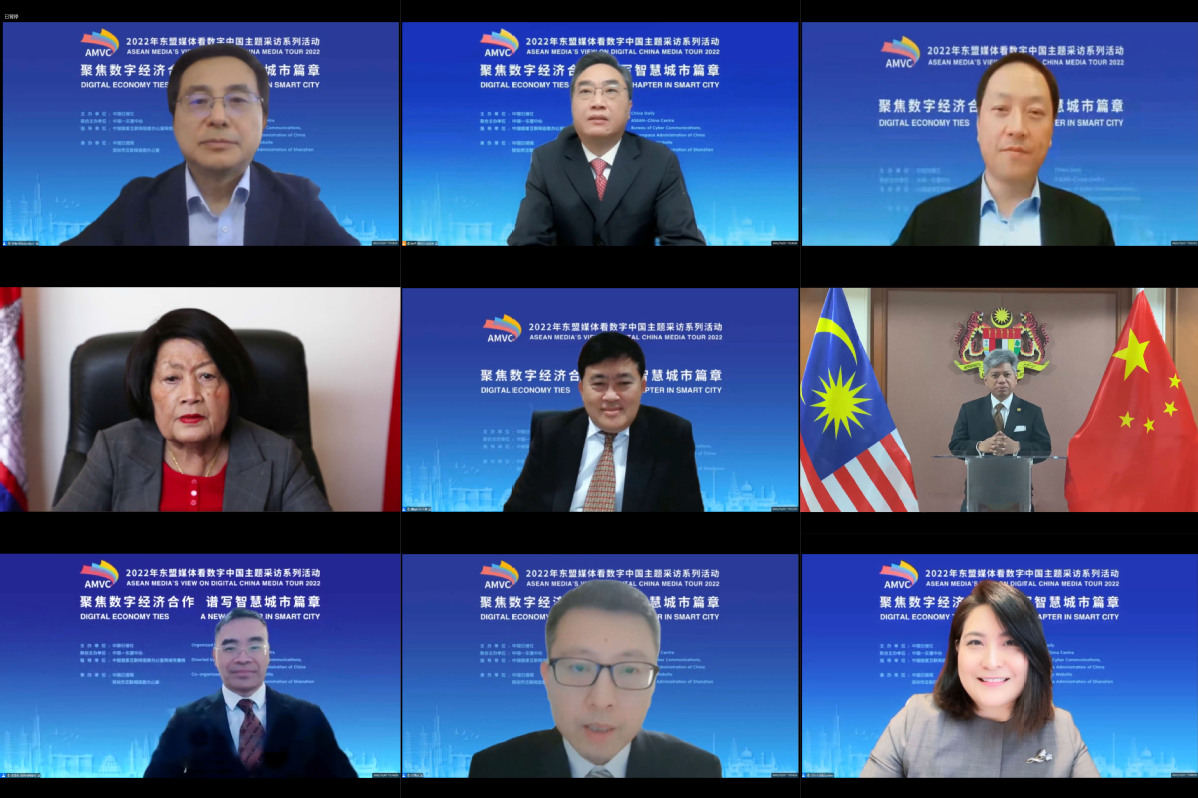
A seminar on ASEAN media's view on digital China was held online on Wednesday, where experts, diplomatic envoys, entrepreneurs and media professionals from China and ASEAN countries discussed the development and cooperation prospects of the digital economy and smart cities.
The year 2022 is special for China-ASEAN relations. It is the first year of the China-ASEAN comprehensive strategic partnership. This year also marks the entry into force of the Regional Comprehensive Economic Partnership agreement.
Wang Hao, deputy editor-in-chief of China Daily, said the digital economy and smart cities have become key cooperation areas between China and ASEAN in recent years, and cooperation achievements are constantly emerging.
"With the vigorous development of the digital economy and the wide application of digital technologies, the media is embracing new development opportunities," Wang said at the seminar titled "Digital Economy Ties, A New Chapter in Smart City", organized by China Daily and the ASEAN-China Centre.
In his opening remarks, Wang called for concerted efforts by China Daily and the media of ASEAN countries to tell the stories of China-ASEAN friendship well, as well as stories of China-ASEAN digital economy development and smart city construction.
Zhang Yong, deputy director of the Cyber Communications Bureau of the Cyberspace Administration of China, said the digital economy in China and ASEAN countries has already pressed the accelerator button, which is becoming a key force to promote economic recovery and the healthy development of the global economy.
He called for promoting further cooperation between China and ASEAN media, enterprises, and think tanks, which injects continuous vitality into the development of China-ASEAN digital economy, and high-quality construction of the Digital Silk Road.
Arthayudh Srisamoot, Thailand's ambassador to China, also highlighted digital economy as a key field of bilateral cooperation.
"In 2021, digital economy accounted for 14.1 percent of Thailand's GDP," he said.
From the installation of 5G stations to smart hospitals and a digital currency trial, these are concrete outcomes from the beneficial cooperation between Thailand and China, he said.
"Promoting the ASEAN-China digital economy partnership will help the two sides overcome current economic difficulties caused by COVID-19, gain greater growth momentum and achieve common development and prosperity," said Shi Zhongjun, secretary-general of the ASEAN-China Centre (ACC).
"The ACC will continue playing its role as a bridge between ASEAN and China to promote policy communication, expand consensus and deepen cooperation in the digital field, and make new contributions to the growth of ASEAN-China relations", he said.
Beijing and Shenzhen are among the top five cities in the digital economy, according to the 2022 China Digital Economy Development Research Report.
In recent years, Shenzhen and ASEAN countries carried out a large number of cooperations in the digital economy and smart city construction, promoting cross-border e-commerce and bilateral trade development, said Wang Chuhong, deputy director of the Publicity Department of Shenzhen and director of the Cyberspace Administration of Shenzhen.
ASEAN partners are welcomed to share the new development opportunities with Beijing and build the Digital Silk Road at a higher level, jointly promoting high-quality opening-up and development of China-ASEAN digital economy, said Tong Haiwei, chief engineer of Beijing Municipal Bureau of Economy and Information Technology.
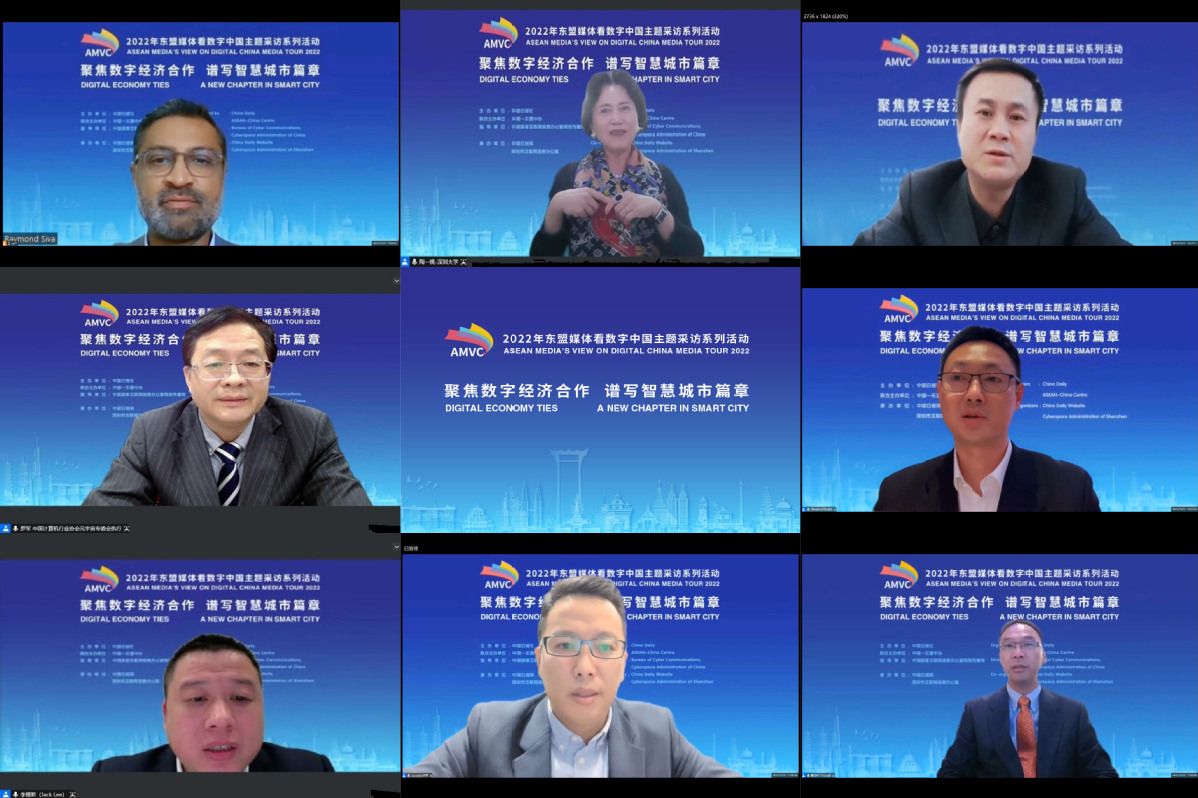
Experts and entrepreneurs from China and ASEAN countries delivered keynote speeches, sharing experiences and professional opinions on digital economy and smart cities from their respective fields.
"Malaysia Digital is a new national strategic initiative to encourage and attract companies, talents and investment while enabling Malaysian businesses and Rakyat (people) to play a leading part in the global digital revolution and digital economy," said Raymond Siva, chief digital investment officer of Malaysia Digital Economy Corporation (MDEC).
Through various initiatives carried out, such as constant state engagements and summits, the MDEC continues to actively pursue and facilitate digital investment opportunities, he said.
In 2021, the added value of core industries of Shenzhen's digital economy has exceeded 900 billion yuan ($129 billion), accounting for more than 30 percent of the city's GDP, ranking first in China, said Tao Yitao, professor and former deputy secretary of the Party Committee of Shenzhen University and dean of the Belt and Road Research Institute of Shenzhen University.
The solid and rapid development of Shenzhen's digital economy stems from the driving force of institutional innovation, she added.
The digitalization construction of the Lao section of the China-Laos Railway has adopted the solution put forward by the China Academy of Railway Science, which is a successful application of China's railway information technology standard in international railway construction, said Yang Yongjie, project leader of the ITDS of the China-Laos Railway and head of the Dispatch Business Department of the China Academy of Railway Sciences.
Some of the core elements of building new communities in the metaverse are digital people, digital twins, human-computer interaction, blockchain, artificial intelligence and the internet of things, said Luo Jun, executive chairman of the Metaverse Industry Special Committee of the China Computer Industry Association and adjunct professor at Jiangsu University.
Relying on cross-border e-commerce platforms, small and medium-sized enterprises in RCEP members and ASEAN countries are accelerating their expansion into global markets and releasing digital dividends, said Ouyang Cheng, deputy director of AliResearch and director of the Alibaba Cross-Border E-Commerce Research Center.
The success of Smile Shop in Cambodia is due to the advanced business model, the outstanding international team and the excellent localization operation, said Jack Lee, founder and CEO of Smile Shop, the leading e-commerce platform in Cambodia.
Lazada is committed to further promote sustainable digital ecosystems in Southeast Asia, building the digital service capability with logistics, technology and payment as the core, said Xu Yinghai, cross border government affairs director of Lazada, Southeast Asia's flagship e-commerce platform.
China and ASEAN countries join hands to promote connectivity in the digital age, strengthen in-depth cooperation in the digitization of industries and digital industrialization and strive to bridge the digital divide, which will help build a new digital economy, said Huang Runzhong, chief supervisor of One Connect, Ping An Insurance (Group) Company of China.

Recent series of summits showed Asia is stepping to the fore in global governance
Asia has just experienced a summit season. The Shanghai Cooperation Organization summit, a series of leaders' meetings on East Asia Cooperation, the G20 summit and the APEC Economic Leaders' Meeting were all hosted by Asian countries. On Asia's stage, the spotlight naturally fell on China.
Multilateral summits are platforms for countries to discuss their differences and seek the greatest common divisor in order to build consensus. Therefore, the phenomenon of crowed multilateral summits at the end of the year appeared. In fact, since September, Chinese leaders have participated in person in offline summits including the SCO summit, the G20 summit, APEC meeting, and the series of leaders' meetings on East Asia cooperation, to form a consensus on securing a negotiated end to the Russia-Ukraine conflict and hoping that China and the United States can move toward more positive and effective communication. It is suggested that the most urgent issues of cooperation can be summarized as "five-color cooperation". For example, gold cooperation is food security cooperation, green cooperation is green, low-carbon and ecological climate cooperation, white cooperation is public health and anti-pandemic cooperation, and blue cooperation is maritime economic cooperation. There is also a special color, which is colorless cooperation — the ubiquitous digital transformation and digital economy cooperation.
The summit season reflected Asia's approach to integration and hospitality. The summits were hosted by Indonesia (the G20 summit), Uzbekistan (the SCO summit), Thailand (the APEC meeting), and Cambodia (the series of East Asia cooperation meetings). These Asian countries were able to overcome the difficulties to host the summits, which is a great achievement in itself.
This Asian moment indicates the following elements.
First, Asian-style coordination. Although the summits were held one after another, thanks to the coordination between Cambodia, Thailand and Indonesia, the timing was perfectly staggered, and the sequence of summits became seamless.
Second, Asian-style balance. Nowadays, the political logic and security logic of the world are suppressing the economic logic and development logic, but Asian countries prefer balanced development. Therefore, the summits hosted by Asian countries put more emphasis on development and cooperation, such as emphasizing cooperation between Asia and Europe, further implementing East Asia cooperation, the Regional Comprehensive Economic Partnership, advancing the Comprehensive and Progressive Agreement for Trans-Pacific Partnership and the Digital Economic Partnership Agreement, advocating open regionalism.
Third, Asian-style power. In the context of the strategic competition between China and the US, Asian diplomacy was highlighted. For example, the Indonesian president visited several member countries of the G20 before the summit in Bali, and actively contributed to the formation of consensus and innovative ways of cooperation in the course of the meeting. The Association of Southeast Asian Nations used the East Asia meetings as an opportunity to strengthen and upgrade its comprehensive strategic partnership with China, the US and other major powers, trying to correct the imbalance in the relationship between major powers to a certain extent.
Fourth, Asian-style cognition. The peace, security, development, governance and trust deficits have all been intensifying at the same time. Due to the lack of face-to-face communication between leaders during the pandemic, the "cognitive deficit" between countries soared. Those summits organized by Asian countries have been pragmatic and efficient, making good use of the short summit time to form a consensus, alleviating the "perception deficit" to a certain extent.
China, as a member of Asia, was not only a guest of the summit season, but also one of the leading actors. President Xi Jinping first attended the SCO Summit in September, which did not include the US, and then attended the G20 and APEC in November, which included the US, and realized the dialogue between Chinese and US leaders ahead of the G20 Summit, realizing the "China-US-China's neighborhood "summit link. At the summit, President Xi expressed China's world view and its view of the Asia-Pacific in the post-pandemic era, and proposed specific cooperation initiatives. The speech energized world development, boosted confidence and led future development. Moreover, China's initiatives have been widely endorsed and supported.
Looking back at the Asian summit season, there are three important takeaways.
First, the summit season reflected true multilateralism, in which international affairs were handled together, and the recognition that the international community should be governed by consensus and universally accepted rules, rather than by one or a few countries giving orders, was reinforced.
Second, the summit season showed that to realize common development, countries must actively implement related policies, especially jointly confronting trade protectionism, promote the Regional Comprehensive Economic Partnership, the Comprehensive and Progressive Agreement for Trans-Pacific Partnership and the Digital Economic Partnership Agreement, and all parties should do what they say, reflecting the sincerity of cooperation and development.
Third, Asia should assume a more proper role in global governance. The new drive of the world's economic development, peaceful development and green development comes from Asia. Asia should take up the burden of global governance, linking East and West, North and South, running through the tangible infrastructure and the invisible digital economy, and integrating global development as a whole.
Zhai Kun is a professor at the School of International Studies at Peking University and a senior research fellow at the Institute of International and Strategic Studies. Xiong Lan is a research fellow at the Center for ASEAN Studies of Peking University. The authors contributed this article to China Watch, a think tank powered by China Daily.
Contact the editor at editor@chinawatch.cn


