US seizures of oil tankers condemned at Security Council









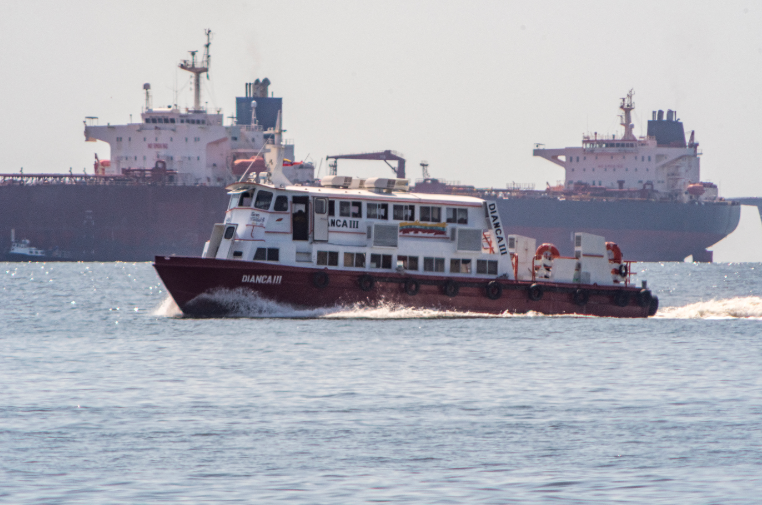
The seizure of oil tankers off the coast of Venezuela by the United States and its ongoing destruction of boats in the Caribbean was criticized at the UN Security Council.
"Under the pretext of combating drug trafficking, the United States has continued to increase its military deployment in the waters of the Caribbean off the coast of Venezuela," Sun Lei, China's deputy permanent representative to the United Nations, said at a UN Security Council briefing on Tuesday.
"It has escalated sanctions, blockades and military threats against Venezuela, and claimed to have sunk Venezuelan vessels, shot dead crew members and seized oil tankers," Sun said.
"It has designated the Venezuelan government as a foreign terrorist organization, claimed that Venezuela's territory, oil and assets belong to the United States, and even threatened military strikes against the Venezuelan territory. The US actions and rhetoric have led to continued tensions in the region, raising serious concerns among regional countries and the international community," Sun said.
The US seized an oil tanker off the coast of Venezuela on Dec 10, then a second on Dec 20, both of which it claimed were transporting sanctioned oil.
"The United States will continue to pursue the illicit movement of sanctioned oil that is used to fund narco-terrorism in the region," US Homeland Security Secretary Kristi Noem posted at the time. "We will find you, and we will stop you."
The Venezuelan government condemned the seizures as "a blatant theft and an act of international piracy", and said the act would not go unpunished.
"The Bolivarian Republic of Venezuela categorically denounces and rejects the theft and hijacking of another private vessel transporting Venezuelan oil, as well as the enforced disappearance of its crew, perpetrated by United States military personnel in international waters," a statement from the Venezuelan government said.
US President Donald Trump has ordered a blockade of US-sanctioned oil tankers traveling to or from Venezuela, and has said he may seize more ships.
"If they're foolish enough to be sailing along, they'll be sailing along back into one of our harbors," Trump said.
Critics say Trump is trying to force a change of government in Venezuela, or use the blockade as a step toward a war with the Latin American country. "I don't rule it out, no," Trump said.
Yvan Gil, Venezuela's foreign minister, claimed Trump wants the country's energy resources.
Venezuela has the largest proven oil reserves in the world, and exported an average of more than 770,000 barrels per day last year.
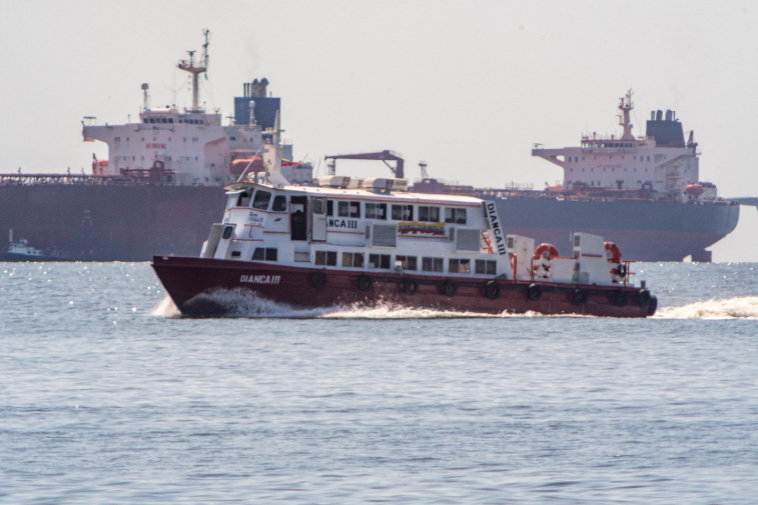
Numerous ships loaded with millions of barrels of oil are now parked off the coast of Venezuela, unsure whether they should set sail and risk being seized.
Since early September, the US military has sunk more than 28 vessels — which the US claims have been carrying drugs — in the Caribbean and eastern Pacific Ocean, killing more than 100 people on board.
"The US actions seriously infringe upon other countries' sovereignty, security and legitimate rights and interests, seriously violate the UN Charter and international law, and threaten peace and security in Latin America and the Caribbean," Sun said.
"China opposes all acts of unilateralism and bullying, and supports all countries in defending their sovereignty and national dignity. We stand against any move that violates the purposes and principles of the UN Charter and infringes upon other countries' sovereignty and security, against the threat or use of force in international relations, against external interference in Venezuela's internal affairs under any pretext, and against illicit unilateral sanctions and long-arm jurisdiction that have no basis in international law or authorization by the Security Council," Sun said.
"We call the United States to heed the just call of the international community, immediately halt relevant actions, and avoid further escalation of tensions. We urge the United States to uphold the navigation safety of regional countries and the freedom and rights they enjoy under international law, to conduct normal law enforcement and judicial cooperation under bilateral and multilateral legal frameworks, to lift illicit unilateral sanctions, and to do more to promote peace, stability and development in Latin America and the Caribbean," Sun said.